Category Archives: Food Microbiology Blog

RASFF Alerts – Aflatoxin – Brazil Nuts – Red Raw Rice – Groundnuts – Peanuts

RASFF

Aflatoxin B1 in Brazil nuts from Brazil in Austria, Belgium, Czech Republic, Germany, Greece, Ireland, Netherlands, Norway, Poland and Spain

RASFF

Aflatoxin B1 in red raw rice in India, Netherlands, Switzerland and Germany

RASFF

Aflatoxin in USA groundnuts in the Netherlands

RASFF

Aflatoxins in groundnuts from The United States in the Netherlands

RASFF

Aflatoxins in U.S.A. peanuts in the Netherlands

RASFF Alert- Vibrio cholerae – Shrimps

RASFF

Vibrio cholerae in shrimps from Ecuador in Romania

RASFF Alerts – Listeria monocytogenes – Fresh Salmon – Smoked Trout – Chicken Burger – BBQ Sausages – Bacon

RASFF

Presence of Listeria monocytogenes in fresh salmon from Norway in Italy

RASFF

Listeria monocytogenes in smoked trout from Denmark in Belgium, Germany, Netherlands and Switzerland

RASFF

Listeria monocytogenes in Chickenburger from Austria in Italy

RASFF

Listeria in chicken barbecue sausages from Sweden in Finland

RASFF

Listeria monocytogenes in bacon from Poland in Estonia

RASFF Alert – Histamine – Tuna

RASFF

Histamine in tuna, from Sri Lanka in the Netherlands

Research – Majority of foodborne infections rose in 2022 in the Netherlands

Food Safety News

Most foodborne infections increased in the Netherlands in 2022 compared to the year before, according to the latest figures.

The most notable outbreak was when 72 people contracted typhoid fever on a ship that housed asylum seekers. It was likely that they were infected by Salmonella Typhi through the ship’s drinking water supply, which was old and located near sewage pipes. There was also a shigellosis outbreak related to travel to Cape Verde that continued into 2023.

Shiga toxin-producing E. coli (STEC) infections saw a sharp rise, with levels in 2022 the highest since 2016. The cause for this increase is unclear, according to the report published by the National Institute for Public Health and the Environment (RIVM).

The number of people sick due to Salmonella or Campylobacter increased this past year, though it did not reach pre-pandemic levels. However, the number of people affected by norovirus did reach 2020 levels. Listeria infections also rose above pre-pandemic levels.

USA – FDA – Investigations of Foodborne Illness Outbreaks

FDA

What’s New

  • For the outbreak of Salmonella Newport (ref #1179) in a not yet identified product, FDA has initiated on-site inspection and sample collection.
Date
Ref Pathogen
or
Cause of
Illness
Product(s)
Linked to
Illnesses

(if any)
Total
Case
Count

Status
8/30/2023 1179 Salmonella
Newport
Not Yet
Identified
8 Active
8/30/2023 1174 Cryptosporidium Not Yet
Identified
11 Active
8/9/2023 1172 Listeria
monocytogenes
Ice Cream See
Advisory
Active
7/6/2023 1163 Cyclospora
cayetanensis
Not Yet
Identified
140 Active
6/14/2023 1159 Cyclospora
cayetanensis
Not Yet
Identified
72 Active
3/1/2023 1143 Hepatitis
A Virus
Frozen
Strawberries
See
Advisory
Active

New Zealand -Public health warning: shellfish biotoxin alert for Raglan coastline

MPI

New Zealand Food Safety today issued a public health warning advising the public not to collect or consume shellfish harvested from the Raglan coastline.

The warning extends from Port Waikato, southward to Tauratahi Point at the entrance of Kawhia Harbour. The warning includes the entire Raglan and Aotea Harbours but not Kawhia Harbour. Paralytic Shellfish Toxins have been detected in shellfish from Raglan at levels above the safe limit set by MPI.

Mussels, oysters, tuatua, pipi, toheroa, cockles, scallops, catseyes, kina (sea urchin) and all other bivalve shellfish should not be eaten.

Note that cooking shellfish does not remove the toxin.

Pāua, crab and crayfish may still be eaten if the gut has been completely removed prior to cooking, as toxins accumulate in the gut. If the gut is not removed, its contents could contaminate the meat during the cooking process.

Symptoms typically appear between 10 minutes and 3 hours after ingestion and may include:

  • numbness and a tingling (prickly feeling) around the mouth, face, and extremities (hands and feet)
  • difficulty swallowing or breathing
  • dizziness
  • headache
  • nausea
  • vomiting
  • diarrhoea
  • paralysis and respiratory failure and in severe cases, death.

If anyone becomes ill after eating shellfish from an area where a public health warning has been issued, phone Healthline for advice on 0800 61 11 16, or seek medical attention immediately. You are also advised to contact your nearest public health unit and keep any leftover shellfish in case it can be tested.

Monitoring of toxin levels will continue and any changes will be communicated accordingly. Commercially harvested shellfish – sold in shops and supermarkets, or exported – is subject to strict water and flesh monitoring programmes by MPI to ensure they are safe to eat.

France – Emergency Serious food poisoning: 10 cases of botulism, including 8 hospitalized and 1 death, linked to visiting a restaurant in Bordeaux

Sante Publique

kswfoodworld

The health authorities, in conjunction with Public Health France and the National Reference Center for Botulism (Institut Pasteur) recommend that people who have visited the Bordeaux establishment Tchin Tchin Wine Bar (3 Rue Emile Duployé, 33000 Bordeaux) between Monday 4 and Sunday September 10, 2023 to consult a doctor urgently or to contact the 15th, mentioning cases of botulism, in the event of symptoms appearing after this attendance.

The people concerned all frequented the same restaurant-bar in Bordeaux, the Tchin Tchin Wine Bar, over the last week. The suspected foods are at this stage canned sardines in oil homemade by the restaurateur and served between September 4 and 10, 2023 in this Bordeaux restaurant. 

Botulism is a serious disease (fatal in 5 to 10% of cases) whose incubation time can range from a few hours to a few days. 
Symptoms include, to varying degrees: early digestive signs which may be fleeting (abdominal pain, nausea, vomiting and diarrhea), eye damage (failure to accommodate, blurred or double vision), dry mouth accompanied by a lack of swallowing or even speech, or neurological symptoms (wrong paths, more or less severe paralysis of the muscles). There is usually no fever.

If you have symptoms, consult a doctor urgently or contact 15, mentioning cases of botulism.

What are the possible sources of contamination?

Botulism is a serious neurological condition caused by a very potent toxin produced by the bacteria Clostridium botulinum. It develops particularly in poorly preserved foods. In France, the majority of cases of botulism correspond to food poisoning, by ingestion of the toxin produced by C. botulinum in preserved foods that have not undergone an extensive sterilization process: cured meats, cold meats or even family-made preserves. or artisanal.

It is the extremely powerful toxin that it synthesizes that is responsible for the disease.

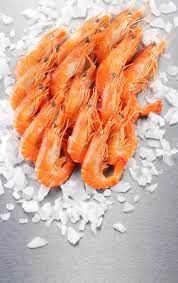
France REFRIGERATED COOKED SHRIMP CALIBER 40/60 RED LABEL – MADAGASCAR – Listeria monocytogenes

Gov france

  • Product category Food
  • Product subcategory Fishing and aquaculture products
  • Product brand name/
  • Model names or references WHOLE COOKED SHRIMP LABEL ROUGE 40/60 – MADAGASCAR SOLD TO CUSTOMERS AND RETAIL SALE FROM 08/23 TO 09/04/2023
  • Product identification
    GTIN Batch Date
    3700156964160 323511 Use-by date 04/09/2023
  • Products List ProductList.pdfAttachment
  • Packaging Shrimp sold in trays
  • Start/end date of marketing From 08/24/2023 to 08/27/2023
  • Storage temperature Product to keep in the refrigerator
  • Health mark/
  • Further information The packaging date is indicated on the bag label
  • Geographical sales area Whole France
  • Distributors TIBIDY + Retail sales (Viviers de Saint-Colomban)
  • List of points of sale Customer_delivery.pdf

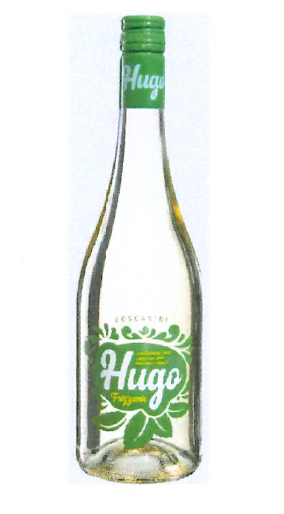
France – Voscarini Hugo Frizzante white 0.75 liters – Fermentation

LMW

Alert type: Groceries
Date of first publication: September 13, 2023
Product name: Voscarini Hugo Frizzante white 0.75 liters
Product images:

Product image.png
Manufacturer (distributor):

Manufacturer: Hauser Weinimport GmbH distributed through Kaufland

Reason for warning:

Possibility of subsequent fermentation and bursting of the affected bottles

Packaging Unit: 0.75 liters
Lot identification: starting with L6962…
Additional Information:

Reference is made to the company’s attached press release.