Category Archives: Food Hygiene

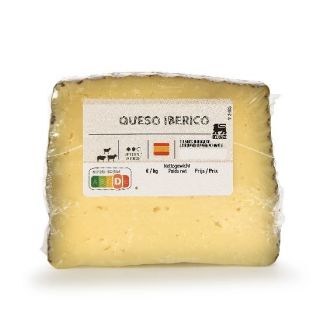
Luxembourg – QUESO IBERICO Cheese OF THE DELHAIZE BRAND – Listeria monocytogenes

SAP

Danger  : Presence of Listeria monocytogenes

Last name Queso Iberico
Brand Delhaize
Bar code 2205613000000
Date of Minimum Durability (DDM) 05/01/2022; 07/01/2022; 01/09/2022
Sale period from 23/12/2021 to 04/01/2022 included

Click to access Communique-de-presse-Recall-Delhaize-Luxembourg-fromage.pdf

RASFF Alert – Diarrhoeic Shellfish Poisoning (DSP) – Live Mussels

RASFF

Diarrhoeic Shellfish Poisoning (DSP) toxins (161 µg/kg – ppb) in live mussels (Mytilus galloprovincialis) from Italy in Spain

RASFF Alert – Listeria monocytogenes – Cheese

RASFF

Listeria monocytogenes in cheese from Spain via The Netherlands in Belgium and Luxembourg

RASFF Alert – Mycotoxin – Ochratoxin A – Whole Meal Rye Flour – Ground Roasted Coffee

RASFF

Ochratoxin A (8.2 µg/kg – ppb) in wholemeal rye flour (type 2000) from Poland in Ireland and Poland

RASFF

Ochratoxin in ground roasted coffee blend from Italy in Slovenia

RASFF Alerts – Salmonella – Polish Chicken Products – Black Pepper from Brazil

RASFF

Salmonella in Brazilian black pepper in the Netherlands

RASFF

Salmonella (presence /25g) in black pepper from Brazil in the Netherlands

RASFF

Salmonella (presence /25g) in black pepper from Brazil in the Netherlands

RASFF

Salmonella Grumpensis in black pepper from Brazil in Germany

RASFF

Salmonella (presence /25g) in black pepper from Brazil in France and the Netherlands

RASFF

Salmonella enteritidis in chicken neck skin samples from Poland in France, Germany, Netherlands, Poland and UK

RASFF

Salmonella Oranienburg in black pepper from Brazil in Germany

RASFF

Salmonella Javiana and Salmonella Poona in black pepper from Brazil in Germany

RASFF

Salmonella Enteritidis and Salmonella Infantis in poultry meat from Poland in Hungary and Poland

RASFF

Salmonella Infantis in chicken neck skin samples from Poland in Czech Republic, Austria, Poland and Slovakia

RASFF

Salmonella Javiana in black pepper from Brazil in Germany and the Netherlands

RASFF

Salmonella Infantis and Salmonella Albany in black pepper from Brazil in Germany

RASFF Alerts – Aflatoxin – Dried Figs – Groundnuts – Peanuts- Pistachios

RASFF

Aflatoxins in dried figs from Turkey in Germany

RASFF

Aflatoxins in shelled groundnuts from the United States in the Netherlands

RASFF

Aflatoxins (B1 = 330; Tot. = 540 µg/kg – ppb) in dried figs from Turkey in France

RASFF

Aflatoxins (B1 = 16.1; Tot. = 17.9 µg/kg – ppb) in dried figs from Turkey in France

RASFF

Aflatoxins (Tot. = 8.9 µg/kg – ppb) in peanuts in shell from China in Italy

RASFF

Aflatoxins (B1 = 21; Tot. = 23 µg/kg – ppb) in pistachios in shell from Iran in France

RASFF

Aflatoxins (B1 = 39; Tot. = 41 µg/kg – ppb) in shelled pistachios from Turkey in Germany and Italy

RASFF

Aflatoxin B1 in Bolivian organic groundnuts in the Netherlands and Spain

RASFF

Aflatoxins (B1 = 20.8; Tot. = 29.5 µg/kg – ppb) in dried figs from Turkey, via Bosnia and Herzegovina in Croatia

UK – Estimating deaths from foodborne disease in the UK for 11 key pathogens

NCBI

Objective

To estimate the number of deaths from foodborne disease in the UK from 11 key pathogens.

Design

Four different models were developed using data from a range of sources. These included enhanced surveillance, outbreaks, death certificates and hospital episode statistics data. For each model, median estimates were produced with 95% credible intervals (CrI). The results from the different models were compared.

Results

The estimates for foodborne deaths for each pathogen from the different models were consistent, with CrIs largely overlapping. Based on the preferred model for each pathogen, foodborne norovirus is estimated to cause 56 deaths per year (95% CrI 32 to 92), foodborne Salmonella 33 deaths (95% CrI 7 to 159), foodborne Listeria monocytogenes 26 deaths (95% CrI 24 to 28), foodborne Clostridium perfringens 25 deaths (95% CrI 1 to 163) and foodborne Campylobacter 21 deaths (95% CrI 8 to 47). The considerable overlap in the CrIs means it is not possible to make any firm conclusions on ranking. Most of these deaths occur in those aged over 75 years. Foodborne deaths from Shigella, Cryptosporidium, Giardia, adenovirus, astrovirus and rotavirus are all rare.

Conclusions

We estimate that there are 180 deaths per year in the UK (95% CrI 113 to 359) caused by foodborne disease based on these 11 pathogens. While this is a small fraction of the estimated 2.4 million cases of foodborne illness per year it still illustrates the potential severity of these illnesses demonstrating the importance in continuing efforts to reduce these infections.

Keywords: infectious disease, Campylobacter, Salmonella

Summary box

What is already known about this subject?

  • Foodborne disease is a common illness in the UK.

  • Previous research has estimated that there are 566 000 cases, 74 000 general practitioner presentations and 7600 hospital admissions related to foodborne disease from 13 known pathogens in UK; no estimate was made for deaths.

  • Campylobacter and norovirus are the most common foodborne pathogens in the UK.

  • Other common foodborne pathogens include Clostridium perfringens and Salmonella.

What are the new findings?

  • This study provides updated estimates of deaths for each of the 11 key foodborne pathogens considered; in total, these 11 pathogens cause 180 deaths per year in the UK (95% credible interval (CrI) 113 to 359).

  • Among them, Campylobacter, C. perfringens, Listeria monocytogenes, Salmonella and norovirus pathogens are responsible for over 98% of these deaths.

  • Ranking between these five is difficult due to overlapping CrIs.

How might it impact on clinical practice in the foreseeable future?

  • This highlights the potential severity of Salmonella, L. monocytogenes, C. perfringens, Campylobacter and norovirus, particularly in comparison with other infectious intestinal diseases that have a food source.

USA – Dangerous E. Coli O157 Found in Ground Beef Sold at Kroger and Fred Meyer Supermarkets

Consumer Reports

Kroger-brand ground beef purchased at a Fred Meyer supermarket in Seattle and tested by Consumer Reports was found to have a deadly strain of E. coli called O157:H7. The tested package of 93 percent lean ground beef is marked with an “Establishment” (EST) number of 965, representing the plant where the meat was processed, and a “use or freeze by date” of 1/11/2022. (See the product label below.)

At this time, there is no recall of this ground beef, and no illnesses have been linked to the product. But CR’s food-safety experts warn consumers who might have purchased Kroger-branded 93 percent lean ground beef from any Kroger-owned grocery store to check their packages and to throw away the product if it contains that establishment number and “use or freeze by” date. Those stores include Fred Meyer, Harris Teeter, Ralphs, Dillons, and several other supermarkets. (See a complete list of Kroger-owned grocery stores.) Consumers also should not buy ground beef with those markings from any of those stores.

USA – Hepatitis A outbreak linked to unnamed Italian restaurant in Montgomery County Pennsylvania – 8 cases with 1 death – Hepatitis A scare tied to Russellville Arkansas Wendy’s

Food Poison Journal

Food Safety News reports that State officials are reporting a hepatitis A outbreak among patrons of an unnamed Italian restaurant in Pennsylvania. One death is being investigated as part of the outbreak.

The Pennsylvania Department of Health and the Montgomery County Office of Public Health are investigating the outbreak in southeast Pennsylvania.

Health officials report that there are eight confirmed patients among Pennsylvania residents in Montgomery County. Of seven people with information available, six have been so sick they had to be admitted to hospitals.

Hepatitis A is a highly contagious, vaccine-preventable, liver infection caused by the hepatitis A virus ranging in severity from mild infection lasting a few weeks to severe disease lasting several months, according to the Centers for Disease Control and Prevention. 

The virus usually spreads when a person unknowingly ingests microscopic amounts of it from objects, food or drinks contaminated by an infected person.

Belgium – QUESO IBERICO – Cheese – Listeria monocytogenes

AFSCA

01/05/2022
Recall of Delhaize
Product: QUESO IBERICO.
Problem: the presence of Listeria monocytogenes.
In collaboration with the AFSCA, Delhaize has decided to withdraw this product from the market and to recall it to consumers due to the presence of Listeria monocytogenes.

Product info:
Name: QUESO IBERICO
Brand: Delhaize
EAN code: 2205613000000 Best before
dates ( Best before):
05/01/2022 – 07/01/2022 – 09/01/2022
Marketing period: from 23 / 12/2021 to 04/01/2022 included

Every day, Delhaize performs hundreds of in-house quality controls to ensure the quality and food safety of its products at all times.

In the meantime, Delhaize has already withdrawn all affected products from the shelves and tightened controls on the product and the supplier. Customers who have purchased this product are asked not to consume it. Customers have the option of returning the product in question to the point of sale where they purchased it. The reimbursement of each affected item is guaranteed.

Other products in the same assortment are not affected and can therefore be consumed safely. Delhaize apologizes for the inconvenience caused.

Advice and information for consumers:

What if you have already purchased the product?

Do not consume the product and return it to your Delhaize store. The product will be refunded to you.

For further information , customers can contact our customer service on the free number 0800/95 713.