Archives
-
Join 346 other subscribers
KSWFoodWorld
Blog Stats
- 451,370 Views
Category Archives: Food Toxin
Composition-Based Risk Estimation of Mycotoxins in Dry Dog Foods
The risk of mycotoxins co-occurrence in extrusion-produced dry foods increases due to their composition based on various grains and vegetables. This study aimed to validate a risk estimation for the association between ingredients and the ELISA-detected levels of DON, FUM, ZEA, AFs, T2, and OTA in 34 dry dog food products. The main ingredients were corn, beet, and oil of different origins (of equal frequency, 79.41%), rice (67.6%), and wheat (50%). DON and FUM had the strongest positive correlation (0.635, p = 0.001). The presence of corn in the sample composition increased the median DON and ZEA levels, respectively, by 99.45 μg/kg and 65.64 μg/kg, p = 0.011. In addition to DON and ZEA levels, integral corn presence increased the FUM median levels by 886.61 μg/kg, p = 0.005. For corn gluten flour-containing samples, DON, FUM, and ZEA median differences still existed, and OTA levels also differed by 1.99 μg/kg, p < 0.001. Corn gluten flour presence was strongly associated with DON levels >403.06 μg/kg (OR = 38.4, RR = 9.90, p = 0.002), FUM levels >1097.56 μg/kg (OR = 5.56, RR = 1.45, p = 0.048), ZEA levels >136.88 μg/kg (OR = 23.00, RR = 3.09, p = 0.002), and OTA levels >3.93 μg/kg (OR = 24.00, RR = 3.09, p = 0.002). Our results suggest that some ingredients or combinations should be avoided due to their risk of increasing mycotoxin levels.
Posted in Aflatoxin, Animal Feed, Animal Feed Mould Toxin, Animal Feed Testing, Aspergillus Toxin, Decontamination Microbial, deoxynivalenol, DON, Food Micro Blog, Food Microbiology Blog, Food Toxin, Fumomisins, Fumonsins, Fusarium Toxin, microbial contamination, Microbial growth, Microbiological Risk Assessment, Microbiology, Microbiology Investigations, Microbiology Risk, Mold Toxin, Mould Toxin, Mycotoxin, Ochratoxin A, OTA, Pet Food, Pet Food Aflatoxin, Pet Food Testing, Zearalenone
Research – Evaluation of the dietary exposure of the Catalan population to mycotoxins of the genus Fusarium
Within the framework of total diet studies, the Catalan Food Safety Agency (ACSA) publishes a second study on the evaluation of mycotoxins: “Evaluation of the dietary exposure of the Catalan population to mycotoxins of the genus Fusarium”.
In 2014, a first study was published in which the presence of the main mycotoxins in food intended for human consumption in the Catalan market was determined, and the intake of food linked to this contamination to estimate the food exposure of the population residing in Catalonia, and evaluate the risk to health (ACSA, 2014). Considering the results obtained, the ACSA considered it necessary to carry out this second, more specific study on mycotoxins, evaluating those that were found most frequently in the foods of the Catalan market, the mycotoxins of the genus Fusarium, and also taking into account the most exposed population groups.
The present study shows that the mycotoxins detected with greater frequency were DON and ENNB followed, with a much lower frequency, by mycotoxin T-2 and mycotoxins FB1 and DON-3G. The rest of mycotoxins analyzed (3-ADON, 15-ADON, NIV, FUS-X, zearalenone, HT-2, FB2 and FB3) will always present levels below the detection limit.
All the age groups evaluated have an exposure to DON and ENNB lower than the respective safety values. The average exposure of the adult population and children in Catalonia to the mycotoxin DON presents values between 7.5% and 10.1% of the safety value. The average exposure of the population to ENNB presents values that are two orders of magnitude lower than the extrapolated safety values.
Total diet studies make it possible to better understand the reality linked to the main chemical pollutants that reach the Catalan market, and in this way specific decisions can be made to correct possible risk situations for the health of consumers.
Posted in ACSA, Aflatoxin, Aflatoxin B1, Aspergillus Toxin, deoxynivalenol, DON, Food Micro Blog, Food Microbiology, Food Microbiology Blog, Food Microbiology Research, Food Microbiology Testing, Food Toxin, Fusarium Toxin, microbial contamination, Microbial growth, Microbiological Risk Assessment, Microbiology, Microbiology Investigations, Microbiology Risk, Mold Toxin, Mould Toxin, Mycotoxin, Ochratoxin, Ochratoxin A, Toxin, Zearalenone
USA – Morasch Meats Inc. Recalls Raw Frozen Diced Beef Products Due to Possible E. Coli O157:H7 Contamination
WASHINGTON, Dec. 22, 2022 – Morasch Meats Inc., a Portland, Ore. establishment, is recalling approximately 3,930 pounds of raw frozen diced beef products that may be contaminated with E. coli O157:H7, the U.S. Department of Agriculture’s Food Safety and Inspection Service (FSIS) announced today.
The raw frozen diced beef items were produced on August 24, 2022. The following products are subject to recall [view labels]:
- 30-lb. box packages containing “BEEF DICED 3/10# BAGS,” with case code FM010152, LOT#: 082422 and a date of 8/24/2022 on the case label. Each case contains three 10 lb. vacuum-sealed, clear plastic bags of the diced beef products.
The products subject to recall bear establishment number “EST. 4102” inside the USDA mark of inspection. These items were shipped to distributor locations in Oregon for further distribution to restaurants and other institutional users.
The problem was discovered by FSIS during review of testing results, which showed the product tested positive for E. coli O157:H7.
FSIS is concerned that some product may be in institutional or restaurant freezers. Restaurants and institutions are urged not to serve these products. These products should be thrown away or returned to the place of purchase.
Posted in E.coli O157, E.coli O157:H7, food contamination, food handler, Food Hazard, Food Hygiene, Food Inspections, Food Micro Blog, Food Microbiology, Food Microbiology Blog, Food Microbiology Testing, Food Pathogen, Food Poisoning, food recall, Food Safety, Food Safety Alert, Food Safety Management, Food Testing, Food Toxin, FSIS, STEC, STEC E.coli, USDA
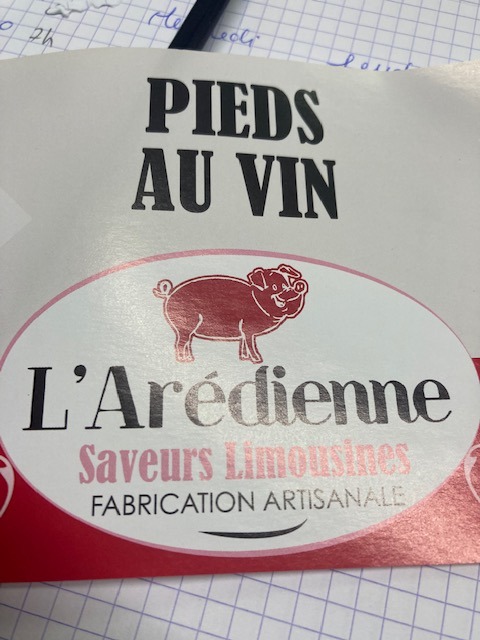
France – FOOT IN WINE – Clostridium botulinum

Identification information of the recalled product
- Product category Food
- Product subcategory Others
- Product brand name the aredian
- Model names or references foot in the wine l’aredienne
- Identification of products
Batch Date 336 Best before date 02/12/2024 - Packaging 4/4h canned metal
- Marketing start/end date From 10/12/2021 to 15/12/2022
- Storage temperature Product to be stored at room temperature
- Health mark19.249.002
- Geographic area of sale Departments: CORREZE (19)
- Distributors friends like pigs and the aredienne market tulle ussel and bugeat
Practical information regarding the recall
- Reason for recall can stability problem
- Risks incurred by the consumer Clostridium botulinum (causative agent of botulism)
Posted in Clostridium, Clostridium botulinum, food contamination, food handler, Food Hazard, Food Hygiene, Food Inspections, Food Micro Blog, Food Microbiology, Food Microbiology Blog, Food Microbiology Testing, Food Pathogen, Food Poisoning, food recall, Food Safety, Food Safety Alert, Food Safety Management, Food Testing, Food Toxin
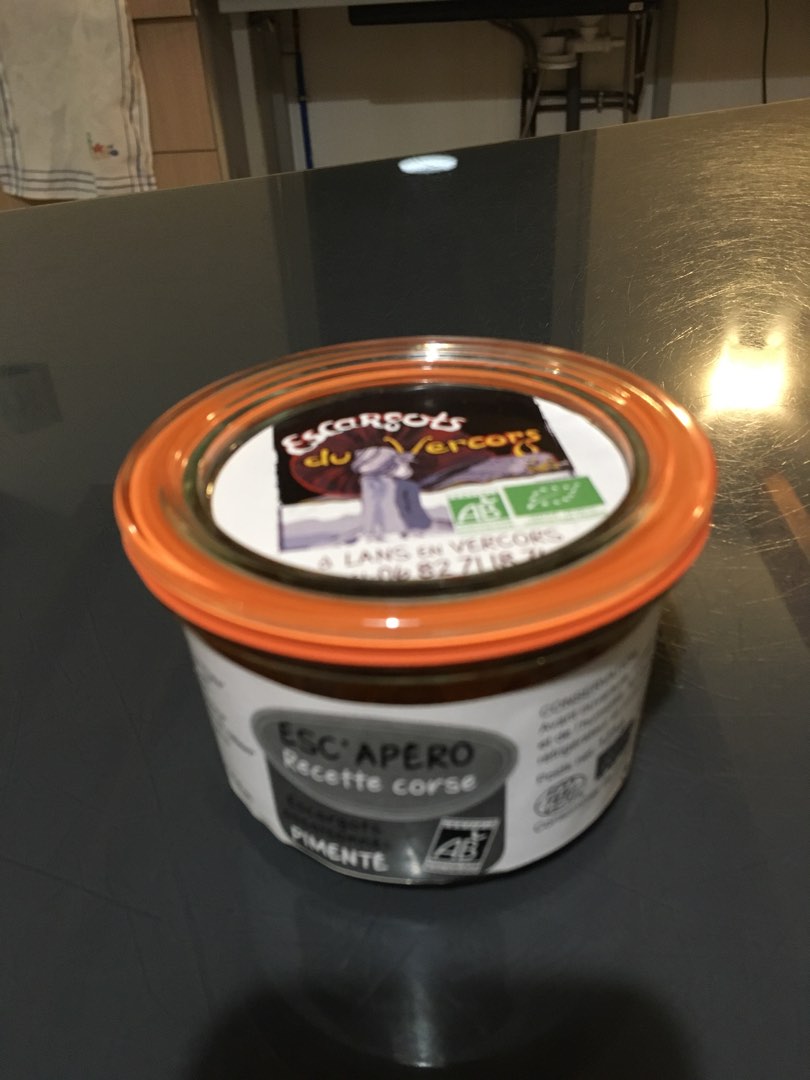
France – Esc’Apéro Corsican Sauce, Spicy – Clostridium botulinum

Identification information of the recalled product
- Product category Food
- Product subcategory Snails and frogs
- Product brand name Unbranded
- Model names or references Esc’Apéro Corsican Sauce, Spicy
- Identification of products
Batch Date Esc’Apéro Corsican Sauce Batch No. 33221130 Date of minimum durability 31/01/2024 - Products List Product_list.pdf Enclosed
- Packaging Weck type glass jar.
- Marketing start/end date From 06/12/2022 to 20/12/2022
- Storage temperature Product to be stored at room temperature
- Geographic area of sale Isere 38
- Distributors Flavors of the Haut Plateau, Autrans TerraTerre, Villard de Lans Margot’s Delights, Corrençon en Vercors
- List of points of sale List_points_of_sale_pdf.pdf
Practical information regarding the recall
- Reason for recall Observation of an unstable pot in the batch during an analysis ordered by the producer at the Departmental Veterinary Laboratory of Isère
- Risks incurred by the consumer Clostridium botulinum (causative agent of botulism)
Posted in Clostridium, Clostridium botulinum, food contamination, food handler, Food Hazard, Food Hygiene, Food Inspections, Food Micro Blog, Food Microbiology, Food Microbiology Blog, Food Microbiology Testing, Food Pathogen, Food Poisoning, food recall, Food Safety, Food Safety Alert, Food Safety Management, Food Temperature Abuse, Food Testing, Food Toxin
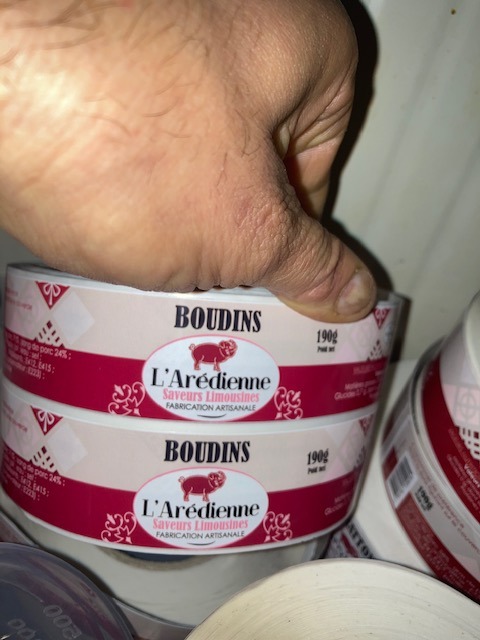
France – Canned sausages – Clostridium botulinum

Identification information of the recalled product
- Product category Food
- Product subcategory Meats
- Product brand name the aredian
- Model names or references sausages
- Identification of products
Batch Date 76 Best before date 03/17/2025 - Packaging can 190g
- Marketing start/end date From 03/17/2022 to 03/17/2024
- Storage temperature Product to be stored at room temperature
- Health mark19.249.002
- Further information sausages
- Geographic area of sale Departments: CORREZE (19)
- Distributors friends like pigs, the aredienne market of tulle, ussel and bugeat
Practical information regarding the recall
- Reason for recall can stability issues
- Risks incurred by the consumer Clostridium botulinum (causative agent of botulism)
Posted in Clostridium, Clostridium botulinum, food contamination, food handler, Food Hazard, Food Hygiene, Food Inspections, Food Micro Blog, Food Microbiology, Food Microbiology Blog, Food Microbiology Testing, Food Pathogen, Food Poisoning, food recall, Food Safety, Food Safety Alert, Food Safety Management, Food Testing, Food Toxin
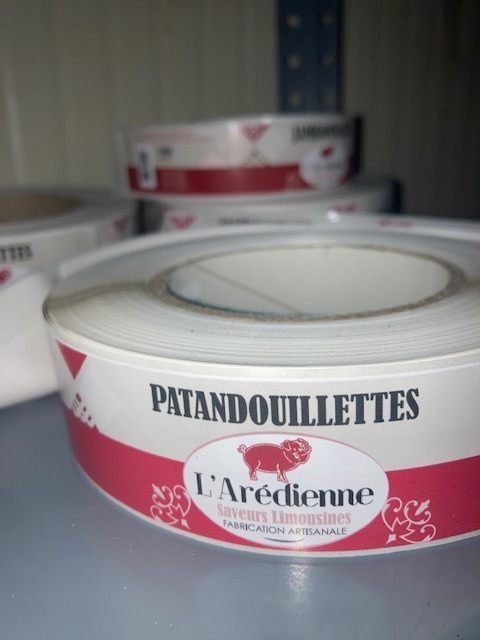
France – Patandouillettes – Clostridium botulinum

Identification information of the recalled product
- Product category Food
- Product subcategory Meats
- Product brand name the aredian
- Model names or references patandouillettes 190g
- Identification of products
Batch Date 295 Best before date 22/10/2024 - Packaging canned metal 190g
- Marketing start/end date From 30/10/2021 to 17/03/2023
- Storage temperature Product to be stored at room temperature
- Health mark19.249.002
- Further information patandouillettes 190g
- Geographic area of sale Departments: CORREZE (19)
- Distributors friends like pigs and the aredienne market of tulle, ussel and bugeat
Practical information regarding the recall
- Reason for recallcanned food stability problem
- Risks incurred by the consumer Clostridium botulinum (causative agent of botulism)
Posted in Clostridium, Clostridium botulinum, food contamination, food handler, Food Hazard, Food Hygiene, Food Inspections, Food Micro Blog, Food Microbiology, Food Microbiology Blog, Food Microbiology Testing, Food Pathogen, Food Poisoning, food recall, Food Safety, Food Safety Alert, Food Safety Management, Food Temperature Abuse, Food Testing, Food Toxin
RASFF Alert – Histamine – Yellowfin Tuna Loins
Histamine (up to 3743 mg/kg – ppm) in frozen yellowfin tuna loins (Thunnus albacares) from Vietnam, via the Netherlands in the Czech Republic, Estonia, Latvia, Lithuania and the Netherlands
Posted in food contamination, food handler, Food Hazard, Food Hygiene, Food Inspections, Food Micro Blog, Food Microbiology, Food Microbiology Blog, Food Microbiology Testing, Food Poisoning, food recall, Food Safety, Food Safety Alert, Food Safety Management, Food Testing, Food Toxin, Histamine, RASFF
RASFF Alert- Vibrio cholerae – Shrimps
Vibrio cholerae in shrimps from Ecuador in Spain
Posted in food contamination, food handler, Food Hazard, Food Hygiene, Food Inspections, Food Micro Blog, Food Microbiology, Food Microbiology Blog, Food Microbiology Testing, Food Pathogen, Food Poisoning, food recall, Food Safety, Food Safety Alert, Food Safety Management, Food Testing, Food Toxin, RASFF, Vibrio, Vibrio cholera, vibrio cholerae
RASFF Alert – Bacillus cereus – Prepared Meal
High amount of Bacillus cereus in prepared dish from Slovakia in Austria
Posted in Bacillus, Bacillus amyloliquefaciens, Bacillus cereus, food contamination, food handler, Food Hazard, Food Hygiene, Food Inspections, Food Micro Blog, Food Microbiology, Food Microbiology Blog, Food Microbiology Testing, Food Poisoning, food recall, Food Safety, Food Safety Alert, Food Safety Management, Food Testing, Food Toxin, RASFF