Category Archives: Food Toxin

New Zealand – Public health warning about shellfish in the Orewa and Warkworth area, North Island – PSP Toxins

MPI

The Ministry for Primary Industries (MPI) today issued a public health warning against collecting shellfish from the Orewa and Warkworth area. The warning extends from Takatu Point on the Tāwharanui Peninsula, south to Huaroa Point on the Whangaparoa Peninsula. The warning includes Mahurangi Harbour, Kawau Island and the smaller islands west of Kawau Island.

Routine tests on shellfish samples taken from Mahurangi Harbour have shown levels of Paralytic Shellfish Poisoning (PSP) toxins above the safe limit of 0.8 mg/kg set by MPI. Anyone eating shellfish from this area is potentially at risk of illness.

Mussels, oysters, tuatua, pipi, toheroa, cockles, scallops, catseyes, kina (sea urchin) and all other bivalve shellfish should not be eaten.

Note, cooking shellfish does not remove the toxin.

Pāua, crab and crayfish may still be eaten if the gut has been completely removed prior to cooking, as toxins accumulate in the gut. If the gut is not removed its contents could contaminate the meat during the cooking process.

Symptoms typically appear between 10 minutes and 3 hours after ingestion and may include:

  • numbness and a tingling (prickly feeling) around the mouth, face, and extremities (hands and feet)
  • difficulty swallowing or breathing
  • dizziness
  • headache
  • nausea
  • vomiting
  • diarrhoea
  • paralysis and respiratory failure and in severe cases, death.

If anyone becomes ill after eating shellfish from an area where a public health warning has been issued, freephone Healthline for advice on 0800 61 11 16, or seek medical attention immediately. You are also advised to contact your nearest public health unit and keep any leftover shellfish in case it can be tested.

Monitoring of toxin levels will continue and any changes will be communicated accordingly. Commercially harvested shellfish – sold in shops and supermarkets, or exported – is subject to strict water and flesh monitoring programmes by MPI to ensure they are safe to eat. There is no commercial harvesting of shellfish in the affected area.
RASFF Alerts – Aflatoxin – Groundnuts

RASFF

Aflatoxins in groundnuts in shell from Egypt in Italy

RASFF Alerts – Ochratoxin A – Dried Figs

RASFF

Ochratoxin A (31.0 µg/kg – ppb) in dried figs from Turkey in Finland

RASFF

Ochratoxin A in dried figs from Turkey in Germany

RASFF Alert – STEC/VTEC E.coli – Soft Cheese

RASFF

Verotoxin-producing E.coli in soft cheese from France in Germany, Italy and Austria

USA – FDA says E. coli outbreak associated with romaine lettuce is over

Food Safety News

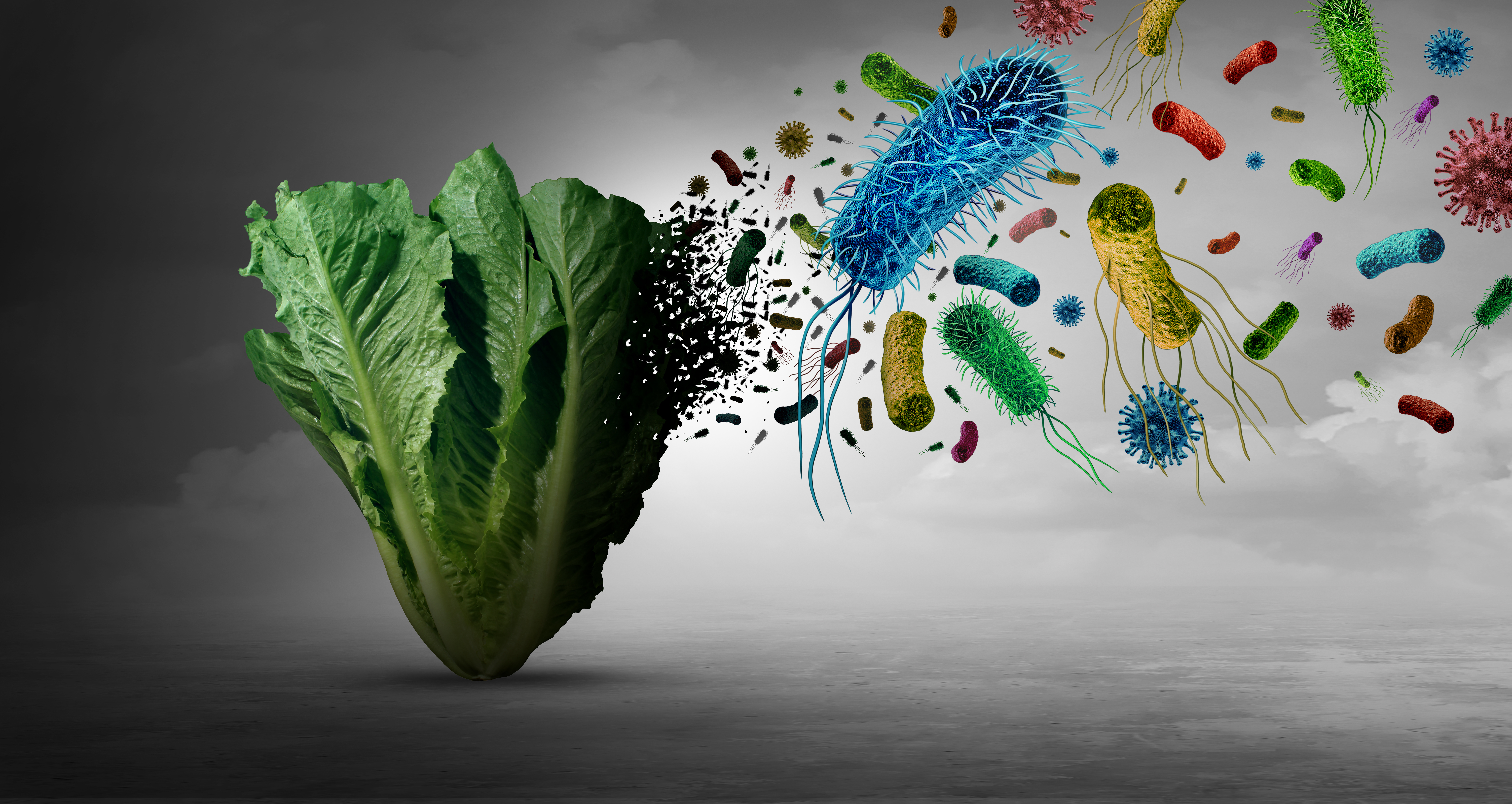
Federal officials are reporting that an outbreak of E. coli O121:H9 infections linked to romaine lettuce has ended.

Four illnesses were confirmed in the outbreak. Little other information was available from the Food and Drug Administration.

“The information collected over the course of this investigation indicated that romaine lettuce was the likely source of this outbreak; however, it appears that this outbreak is over, and there is no actionable advice for consumers,” according to FDA officials.

“FDA has been conducting a traceback investigation and other activities in an effort to learn more about possible sources or routes of contamination.”

The FDA first reported the outbreak two weeks ago but has not shared any information about patient demographics or what states are involved. The agency did not report when the first illness was reported or when the last one was logged by public health officials.

As of Jan. 26, the Centers for Disease Control and Prevention had not posted any information about the outbreak. That is generally standing procedure for the agency if a specific product is not identified.

Research – Role of climate change in increased mycotoxin levels

All About Feed

Climate change is likely to be part of the reason for the increase in mycotoxin issues for the global animal feed business. And the trend is expected to continue and even accelerate over the next 5 years.

7 out of 10 analyses run last year found raw ingredients contaminated with mycotoxins, according to Cargill’s annual review. But reassuringly, just 35% of these reached performance risk thresholds, showing that positive analyses are not always concerning.

Last year’s study analysed more than 328,000 samples across more than 150 global feed plants, on-farm samplings and storage locations in 54 countries. The majority of these were corn (212,254), cereals (85,478), oilseeds (27,602) or others (3,632). It found 72% of analyses were contaminated with at least one mycotoxin showing that contamination is more likely than not across all ingredients.

Since mycotoxins are produced by moulds as a natural defence response to environmental factors, their occurrence is linked to climate conditions.

New Zealand – Public health warning about shellfish in West Coast, South Island – Shellfish Toxins -DSP – Diarrhetic shellfish toxins

MPI

The Ministry for Primary Industries (MPI) today issued a public health warning against collecting shellfish from the South Island West Coast between Greymouth and Charleston. Diarrhetic shellfish toxins have been detected in mussels from 12-Mile Bluff at levels above the safe limit set by MPI.

Anyone eating shellfish from this area is potentially at risk of illness.

Ongoing testing will continue and any changes will be communicated accordingly.

Mussels, oysters, tuatua, pipi, toheroa, cockles, scallops, catseyes, kina (sea urchin) and all other bivalve shellfish should not be eaten.

Note, cooking shellfish does not remove the toxin.

Pāua, crab and crayfish may still be eaten if the gut has been completely removed prior to cooking, as toxins accumulate in the gut. If the gut is not removed its contents could contaminate the meat during the cooking process.

Symptoms typically appear within half an hour of ingestion and last for about 24 hours. Symptoms may include:

  • diarrhoea
  • vomiting
  • nausea
  • abdominal cramps

If anyone becomes ill after eating shellfish from an area where a public health warning has been issued, freephone Healthline for advice on 0800 61 11 16, or seek medical attention immediately. You are also advised to contact your nearest public health unit and keep any leftover shellfish in case it can be tested.

Commercially harvested shellfish – sold in shops and supermarkets, or exported – is subject to strict water and flesh monitoring programmes by MPI to ensure they are safe to eat. There is no commercial harvesting of shellfish in the affected area.
USA – Annual Reports on Foodborne Illness Source Attribution Estimates

CDC

Foodborne Illness Source Attribution Estimates for SalmonellaEscherichia coli O157, Listeria monocytogenes, and Campylobacter Using Multi-Year Outbreak Surveillance Data, United States.

Latest Report for 2019

IFSAC analyzed data from 1,532 foodborne disease outbreaks that occurred from 1998 through 2019 to assess which categories of foods were most responsible for SalmonellaE. coli O157, Listeria monocytogenes, and Campylobacter infections. These pathogens were chosen because of the frequency or severity of the illnesses they cause, and because targeted interventions can have a major impact in reducing them. The implicated foods were divided into 17 categories for the analysis, and the method gives the greatest weight to the most recent five years of outbreak data (2015–2019).

Read the 2019 report pdf icon[PDF – 14 pages]

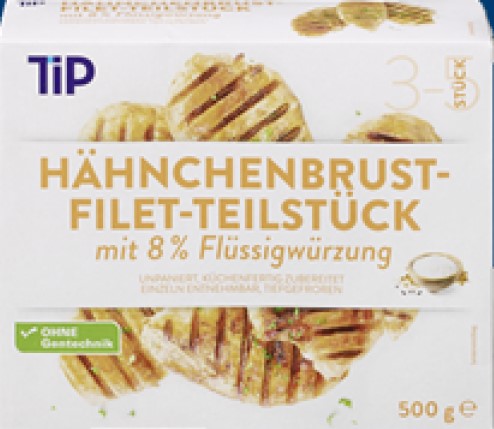
Germany – TiP chicken breast fillet with 8% liquid seasoning, unbreaded, 500 g, deep-frozen – Salmonella

LMW

Alert type: Food
Date of first publication: 01/24/2022
Product name:

TiP chicken breast fillet with 8% liquid seasoning, unbreaded, 500 g, deep-frozen

Product images:

TiP product image.jpg

Customer information real GmbH

Manufacturer (distributor):

real GmbH, Metro-Str. 1, 40235 Dusseldorf

Reason for warning:

Salmonella was found in a single sample as part of a routine check.

Packaging Unit: 500g
Durability: 09/10/2022
Lot identification: Batch: 049501003431
Further information:

Please refer to the attached customer information for further information.

Click to access 10_040_Kundeninformation_%D6FFENTLICHER_R%DCCKRUF_TiP_TK_H%E4hnchenbrustfilet_gew%FCrzt_500g.pdf

Belgium – Flavored water “Still Lemon & Lime Flavored spring water” from the SuperValu brand – Mould/Mold

AFSCA

Recall by Stonemanor International ltd
Product: Flavored water “Still Lemon & Lime Flavored spring water” from the SuperValu brand.
Problem: possible presence of mould.


In consultation with the FASFC, the flavored water “Still Lemon & Lime Flavored spring water” of the SuperValu brand is withdrawn from sale and Stonemanor International ltd is recalling it from consumers due to the possible presence of mould.

Stonemanor International ltd asks its customers not to consume this product and to return it to the point of sale, for a full refund.

Product Description :

– Product name: Still Lemon & Lime Flavored spring water
– Brand: SuperValu
– Expiry date (BDD) : 06/30/2022 –
Batch number: L21255
– Sale period: from 27/9/21 to 21/1 /22
– Type of packaging: Plastic
bottles – Weight: 6x500ml

The product was distributed by:

Stonemanor, Waterloosesteenweg 41, 1640 Rhode-Saint-Genèse

For further information please contact: Ryan Pearce 023516352 / info@stonemanor.uk.com