USA – Outbreak Investigation of E. coli O157:H7: Power Greens Packaged Salad (January 2022)

FDA

The FDA and CDC, in collaboration with state and local partners, are investigating illnesses in a multistate outbreak of E. coli O157:H7. According to the CDC, as of January 6, 2022, 10 people infected with the outbreak strain of E. coli O157:H7 have been reported from four states. Consumer purchase data indicate that seven people purchased Nature’s Basket Power Greens or Simple Truth Organic Power Greens at grocery stores before becoming sick. Based on those purchase dates, the latest “best if used by” date is estimated to be December 20, 2021. These two salad blends consist of organic spinach, mizuna, kale, and chard; both brands were manufactured by the same processor.

FDA has initiated a traceback investigation on the products of interest. To date, no single production code has been identified by the traceback. For the estimated production code range that may have been available for purchase to ill consumers, records collected indicate that leafy greens used in these products were sourced from Salinas and Imperial Valley, CA, and Yuma, AZ. FDA continues to evaluate the available information to determine if a single source, such as a farm or ranch, can be identified. Some challenges encountered in this traceback are those often seen in tracing back leafy greens. These include multiple consumer purchases of the same product on different days, lack of product lot codes tracked to retail stores from distribution centers, and the inability to directly link product lot codes to consumer purchase data. Additionally, the range of possible production dates falls into the harvest transition period from central and northern CA to southern CA and AZ growing regions, and as this product has multiple components, some production days of the product include ingredients co-mingled from multiple growing regions.

At this time, the available evidence does not indicate that there are implicated products currently on the market. FDA and state partners are continuing to work with firms of interest to determine if there are additional or unexpired products that could potentially be affected. This is an ongoing investigation and additional information will be provided as it becomes available.

Recommendation

Although this product is past expiration and should no longer be available for purchase, if consumers froze Nature’s Basket or Simple Truth Power Greens salad blend with a “Best if Used By” date through December 20, 2021, they should discard it.


Case Count Map Provided by CDC
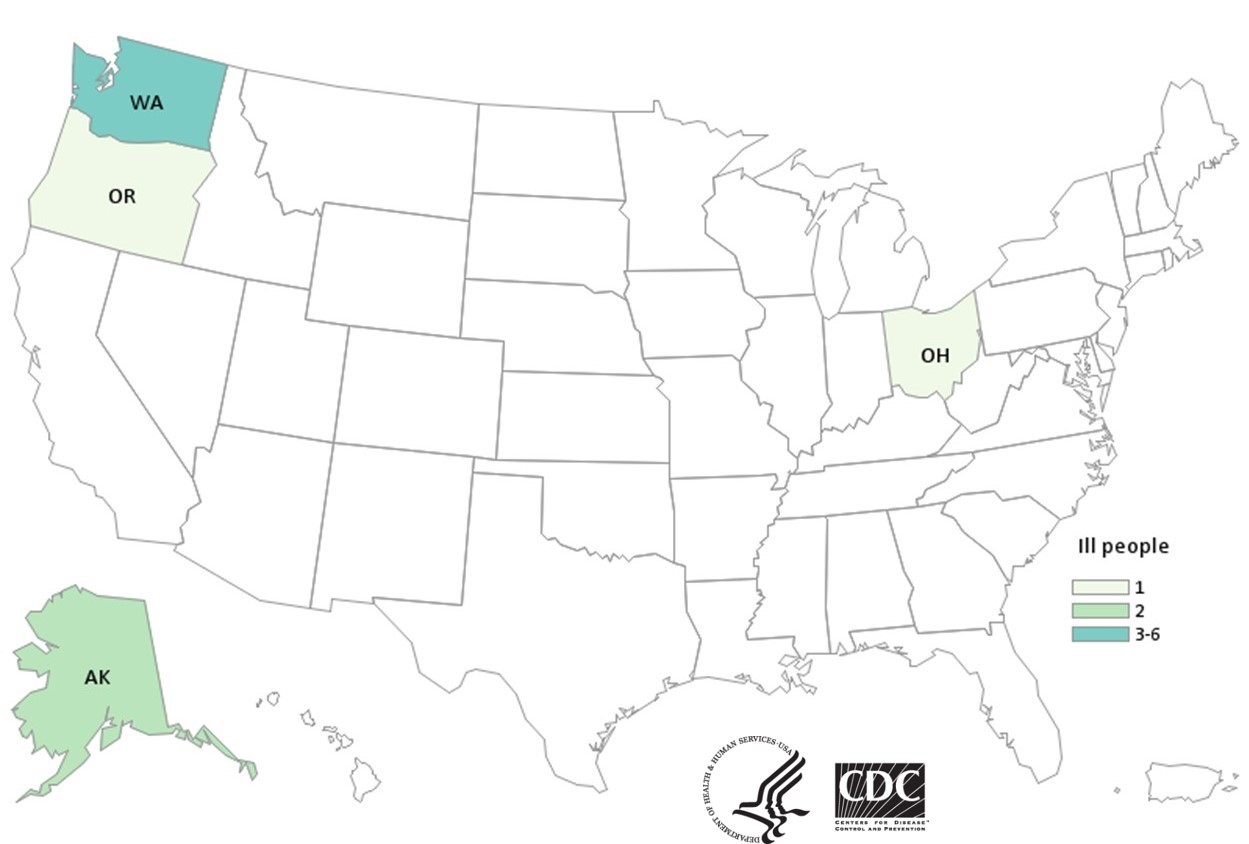
Outbreak Investigation of E. coli O157:H7: Packaged Salad - CDC Case Count Map (January 6, 2022)

Case Counts

Total Illnesses: 10
Hospitalizations: 4
Deaths: 0
Last Illness Onset: December 19, 2021
States with Cases: AK (2), OH (1), OR (1), WA (6)
Egypt/Denmark – Egyptian cabinet denies exports of green onions contaminated with E. Coli

Fresh Plaza

The Egyptian cabinet has denied rumors circulating about the export of a shipment of green onions with E. Coli bacteria. The Ministry of Agriculture affirmed that the news is void of truth, the governmental media center said in a statement on Tuesday.

The Ministry confirmed that all Egyptian agricultural exported crops including green onions are in line with the international standards. The media center urged all media outlets to scrutinize news about this subject matter intensely.

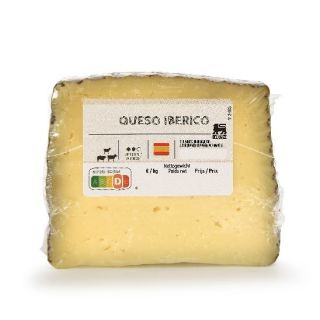
Luxembourg – QUESO IBERICO Cheese OF THE DELHAIZE BRAND – Listeria monocytogenes

SAP

Danger  : Presence of Listeria monocytogenes

Last name Queso Iberico
Brand Delhaize
Bar code 2205613000000
Date of Minimum Durability (DDM) 05/01/2022; 07/01/2022; 01/09/2022
Sale period from 23/12/2021 to 04/01/2022 included

Click to access Communique-de-presse-Recall-Delhaize-Luxembourg-fromage.pdf

RASFF Alert – Diarrhoeic Shellfish Poisoning (DSP) – Live Mussels

RASFF

Diarrhoeic Shellfish Poisoning (DSP) toxins (161 µg/kg – ppb) in live mussels (Mytilus galloprovincialis) from Italy in Spain

RASFF Alert – Listeria monocytogenes – Cheese

RASFF

Listeria monocytogenes in cheese from Spain via The Netherlands in Belgium and Luxembourg

RASFF Alert – Mycotoxin – Ochratoxin A – Whole Meal Rye Flour – Ground Roasted Coffee

RASFF

Ochratoxin A (8.2 µg/kg – ppb) in wholemeal rye flour (type 2000) from Poland in Ireland and Poland

RASFF

Ochratoxin in ground roasted coffee blend from Italy in Slovenia

RASFF Alerts – Salmonella – Polish Chicken Products – Black Pepper from Brazil

RASFF

Salmonella in Brazilian black pepper in the Netherlands

RASFF

Salmonella (presence /25g) in black pepper from Brazil in the Netherlands

RASFF

Salmonella (presence /25g) in black pepper from Brazil in the Netherlands

RASFF

Salmonella Grumpensis in black pepper from Brazil in Germany

RASFF

Salmonella (presence /25g) in black pepper from Brazil in France and the Netherlands

RASFF

Salmonella enteritidis in chicken neck skin samples from Poland in France, Germany, Netherlands, Poland and UK

RASFF

Salmonella Oranienburg in black pepper from Brazil in Germany

RASFF

Salmonella Javiana and Salmonella Poona in black pepper from Brazil in Germany

RASFF

Salmonella Enteritidis and Salmonella Infantis in poultry meat from Poland in Hungary and Poland

RASFF

Salmonella Infantis in chicken neck skin samples from Poland in Czech Republic, Austria, Poland and Slovakia

RASFF

Salmonella Javiana in black pepper from Brazil in Germany and the Netherlands

RASFF

Salmonella Infantis and Salmonella Albany in black pepper from Brazil in Germany

RASFF Alerts – Aflatoxin – Dried Figs – Groundnuts – Peanuts- Pistachios

RASFF

Aflatoxins in dried figs from Turkey in Germany

RASFF

Aflatoxins in shelled groundnuts from the United States in the Netherlands

RASFF

Aflatoxins (B1 = 330; Tot. = 540 µg/kg – ppb) in dried figs from Turkey in France

RASFF

Aflatoxins (B1 = 16.1; Tot. = 17.9 µg/kg – ppb) in dried figs from Turkey in France

RASFF

Aflatoxins (Tot. = 8.9 µg/kg – ppb) in peanuts in shell from China in Italy

RASFF

Aflatoxins (B1 = 21; Tot. = 23 µg/kg – ppb) in pistachios in shell from Iran in France

RASFF

Aflatoxins (B1 = 39; Tot. = 41 µg/kg – ppb) in shelled pistachios from Turkey in Germany and Italy

RASFF

Aflatoxin B1 in Bolivian organic groundnuts in the Netherlands and Spain

RASFF

Aflatoxins (B1 = 20.8; Tot. = 29.5 µg/kg – ppb) in dried figs from Turkey, via Bosnia and Herzegovina in Croatia

RASFF Alerts – Animal Feed – Aflatoxin – Rice Bran

RASFF

Aflatoxins in rice bran from the Netherlands, with raw material from Pakistan in Belgium

Research – Main Groups of Microorganisms of Relevance for Food Safety and Stability

NCBI

Microbiology is important to food safety, production, processing, preservation, and storage. Microbes such as bacteria, molds, and yeasts are employed for the foods production and food ingredients such as production of wine, beer, bakery, and dairy products. On the other hand, the growth and contamination of spoilage and pathogenic microorganisms is considered as one of the main causes to loss of foodstuff nowadays. Although technology, hygienic strategies, and traceability are important factors to prevent and delay microbial growth and contamination, food remains susceptible to spoilage and activity of pathogen microorganisms. Food loss by either spoilage or contaminated food affects food industry and consumers leading to economic losses and increased hospitalization costs. This chapter focuses on general aspects, characteristics, and importance of main microorganisms (bacteria, yeasts, molds, virus, and parasites) involved in food spoilage or contamination: known and recently discovered species; defects and alterations in foodstuff; most common food associated with each foodborne disease; resistance to thermal processing; occurrence in different countries; outbreaks; and associated symptoms.