Research – Evaluation of microbial contamination in cold dishes and Prevalence of food-borne pathogens in the Jilin Province

Journal of Food Protection

In this study, we evaluated the microbial contamination status of cold dishes consumed by residents of Jilin Province and investigated to determine the incidence of four pathogenic bacteria in cold dishes. A total of 300 samples of cold dishes including meat, vegetable and mixed products, were collected from three different purchasing places: supermarkets, farmers’ markets and mobile vendors. Live bacteria were isolated using conventional culture methods. After separation, a quick and easy polymerase chain reaction (PCR) was used to detect Listeria monocytogenes , Staphylococcus aureus , Enterotoxic Escherichia coli and Salmonella . The results showed that the total number of microbial colonies in the vegetable samples exceeded the standard rate of 8%, and the total number of microbial colonies in the meat and mixed samples did not exceed the standard. The total microbial colony count exceeded the standard in all three different procurement sites, with the highest exceedance of 7.4% in the mobile vendor sites. The detection rates of Enterotoxigenic Escherichia coli , Staphylococcus aureus , L. monocytogenes and Salmonella among the four pathogenic bacteria detected in all samples were 4.3%, 3.3%; 3.0%; and 1.0%, respectively. This study can be used to qualitatively assess the microbiological quality associated with cold dishes. It provides data to support the detection of possible food safety problems.

Research -A trait-based framework for predicting foodborne pathogen risk from wild birds

Wiley Online

Recent foodborne illness outbreaks have heightened pressures on growers to deter wildlife from farms, jeopardizing conservation efforts. However, it remains unclear which species, particularly birds, pose the greatest risk to food safety. Using >11,000 pathogen tests and 1,565 bird surveys covering 139 bird species from across the western U.S.A., we examined the importance of 11 traits in mediating wild bird risk to food safety. We tested whether traits associated with pathogen exposure (e.g., habitat associations, movement, and foraging strategy) and pace-of-life (clutch size and generation length) mediated foodborne pathogen prevalence and proclivities to enter farm fields and defecate on crops. Campylobacter spp. were the most prevalent enteric pathogen (8.0%), while Salmonella and Shiga-toxin producing E. coli (STEC) were rare (0.46% and 0.22% prevalence, respectively). We found that several traits related to pathogen exposure predicted pathogen prevalence. Specifically, Campylobacter and STEC-associated virulence genes were more often detected in species associated with cattle feedlots and bird feeders, respectively. Campylobacter was also more prevalent in species that consumed plants and had longer generation lengths. We found that species associated with feedlots were more likely to enter fields and defecate on crops. Our results indicated that canopy-foraging insectivores were less likely to deposit foodborne pathogens on crops, suggesting growers may be able to promote pest-eating birds and birds of conservation concern (e.g., via nest boxes) without necessarily compromising food safety. As such, promoting insectivorous birds may represent a win-win-win for bird conservation, crop production, and food safety. Collectively, our results suggest that separating crop production from livestock farming may be the best way to lower food safety risks from birds. More broadly, our trait-based framework suggests a path forward for co-managing wildlife conservation and food safety risks in farmland by providing a strategy for holistically evaluating the food safety risks of wild animals, including under-studied species.

Research – The Changing Face of the Family Enterobacteriaceae (Order: ” Enterobacterales”): New Members, Taxonomic Issues, Geographic Expansion, and New Diseases and Disease Syndromes

PubMed

Entero

The family Enterobacteriaceae has undergone significant morphogenetic changes in its more than 85-year history, particularly during the past 2 decades (2000 to 2020). The development and introduction of new and novel molecular methods coupled with innovative laboratory techniques have led to many advances. We now know that the global range of enterobacteria is much more expansive than previously recognized, as they play important roles in the environment in vegetative processes and through widespread environmental distribution through insect vectors. In humans, many new species have been described, some associated with specific disease processes. Some established species are now observed in new infectious disease settings and syndromes. The results of molecular taxonomic and phylogenetics studies suggest that the current family Enterobacteriaceae should possibly be divided into seven or more separate families. The logarithmic explosion in the number of enterobacterial species described brings into question the relevancy, need, and mechanisms to potentially identify these taxa. This review covers the progression, transformation, and morphogenesis of the family from the seminal Centers for Disease Control and Prevention publication (J. J. Farmer III, B. R. Davis, F. W. Hickman-Brenner, A. McWhorter, et al., J Clin Microbiol 21:46-76, 1985, https://doi.org/10.1128/JCM.21.1.46-76.1985) to the present.

UK – Estimating deaths from foodborne disease in the UK for 11 key pathogens

NCBI

Objective

To estimate the number of deaths from foodborne disease in the UK from 11 key pathogens.

Design

Four different models were developed using data from a range of sources. These included enhanced surveillance, outbreaks, death certificates and hospital episode statistics data. For each model, median estimates were produced with 95% credible intervals (CrI). The results from the different models were compared.

Results

The estimates for foodborne deaths for each pathogen from the different models were consistent, with CrIs largely overlapping. Based on the preferred model for each pathogen, foodborne norovirus is estimated to cause 56 deaths per year (95% CrI 32 to 92), foodborne Salmonella 33 deaths (95% CrI 7 to 159), foodborne Listeria monocytogenes 26 deaths (95% CrI 24 to 28), foodborne Clostridium perfringens 25 deaths (95% CrI 1 to 163) and foodborne Campylobacter 21 deaths (95% CrI 8 to 47). The considerable overlap in the CrIs means it is not possible to make any firm conclusions on ranking. Most of these deaths occur in those aged over 75 years. Foodborne deaths from Shigella, Cryptosporidium, Giardia, adenovirus, astrovirus and rotavirus are all rare.

Conclusions

We estimate that there are 180 deaths per year in the UK (95% CrI 113 to 359) caused by foodborne disease based on these 11 pathogens. While this is a small fraction of the estimated 2.4 million cases of foodborne illness per year it still illustrates the potential severity of these illnesses demonstrating the importance in continuing efforts to reduce these infections.

Keywords: infectious disease, Campylobacter, Salmonella

Summary box

What is already known about this subject?

  • Foodborne disease is a common illness in the UK.

  • Previous research has estimated that there are 566 000 cases, 74 000 general practitioner presentations and 7600 hospital admissions related to foodborne disease from 13 known pathogens in UK; no estimate was made for deaths.

  • Campylobacter and norovirus are the most common foodborne pathogens in the UK.

  • Other common foodborne pathogens include Clostridium perfringens and Salmonella.

What are the new findings?

  • This study provides updated estimates of deaths for each of the 11 key foodborne pathogens considered; in total, these 11 pathogens cause 180 deaths per year in the UK (95% credible interval (CrI) 113 to 359).

  • Among them, Campylobacter, C. perfringens, Listeria monocytogenes, Salmonella and norovirus pathogens are responsible for over 98% of these deaths.

  • Ranking between these five is difficult due to overlapping CrIs.

How might it impact on clinical practice in the foreseeable future?

  • This highlights the potential severity of Salmonella, L. monocytogenes, C. perfringens, Campylobacter and norovirus, particularly in comparison with other infectious intestinal diseases that have a food source.

Research – Probabilistic modelling of Escherichia coli concentration in raw milk under hot weather conditions

Science Direct

Abstract

Climate change is one of the threats to the dairy supply chain as it may affect the microbiological quality of raw milk. In this context, a probabilistic model was developed to quantify the concentration of Escherichia coli in raw milk and explore what may happen to France under climate change conditions. It included four modules: initial contamination, packaging, retailing, and consumer refrigeration.

The model was built in R using the 2nd order Monte Carlo mc2d package to propagate the uncertainty and analysed its impact independently of the variability. The initial microbial counts were obtained from a dairy farm located in Saudi Arabia to reflect the impact of hot weather conditions. This country was taken as representative of what might happen in Europe and therefore in France in the future due to climate change. A large dataset containing 622 data points was analysed. They were fitted by a Normal probability distribution using the fitdistrplus package. The microbial growth was determined across various scenarios of time and temperature storage reflecting the raw milk supply-chain in France. Existing growth rate data from literature and ComBase were analysed by the Ratkowsky secondary model. Results were interpreted using the nlstools package.

The mean E. coli initial concentration in raw milk was estimated to be 1.31 [1.27; 1.35] log CFU/ mL and was found to increase at the end of the supply chain as a function of various time and temperature conditions. The estimations varied from 1.73 [1.42; 2.28] log CFU/mL after 12 h, 2.11 [1.46; 3.22] log CFU/mL after 36 h, and 2.41 [1.69;3.86] log CFU/mL after 60 h of consumer storage. The number of milk packages exceeding the 2-log French hygiene criterion for E. coli increased from 10% [8;12%] to 53% [27;77%] during consumer storage. In addition, the most significant factors contributing to the uncertainty of the model outputs were identified by running a sensitivity analysis. The results showed that the uncertainty around the Ratkowsky model parameters contributed the most to the uncertainty of E. coli concentration estimates.

Overall, the model and its outputs provide an insight on the possible microbial raw milk quality in the future in France due to higher temperatures conditions driven by climate change.

Graphical abstract

Research – Controlling Listeria monocytogenes Growth and Biofilm Formation using Flavonoids

Journal of Food Protection

The aim of the present study was to investigate the ability of natural plant-derivate (flavonoid compounds) products to reduce and/or inhibit the biofilm-forming ability of Listeria monocytogenes. A collection of 500 synthetic and natural flavonoids were tested on strains of L. monocytogenes for their antimicrobial and anti-biofilm activity. L. monocytogenes biofilm inhibition by flavonoid compounds was tested on i) stainless steel coupons using crystal violet staining and ii) glass slides using confocal laser scanning microscopic (CLSM) imaging. The flavonoids were tested against a L. monocytogenes cocktail of 5 strains at a concentration of 100 µM to determine their effect on planktonic growth. A total of 17 flavonoids were chosen for further study due to their ability to significantly reduce the growth of L. monocytogenes in BHI broth, while 2 flavonoids were chosen because they actually increased growth. A lower concentration of flavonoid compounds (50 µM) was selected to investigate their effects on L. monocytogenes biofilm formation using i) stainless steel coupons to quantify biomass and ii) glass coupons to observe the biofilm architecture. The 19 flavonoids showed various levels of L. monocytogenes growth inhibition, ranging from 2% to 100%, as compared to the respective positive and negative controls on stainless steel, after 48 h of incubation at 22 o C. In addition, in comparison to the control, most of the 19 flavonoids significantly (p ≤ 0.05) inhibited biofilm formation, with at least one of the L. monocytogenes strains or at one of the tested temperatures. In fact, when grown in BHI broth with 50 µM of the 19 selected flavonoid compounds for 48 h at 22 o C, there were visible reductions in L. monocytogenes biofilm formation on the glass coupons. Overall, we found multiple flavonoid compounds to be promising anti-biofilm and antimicrobial agents against L. monocytogenes .

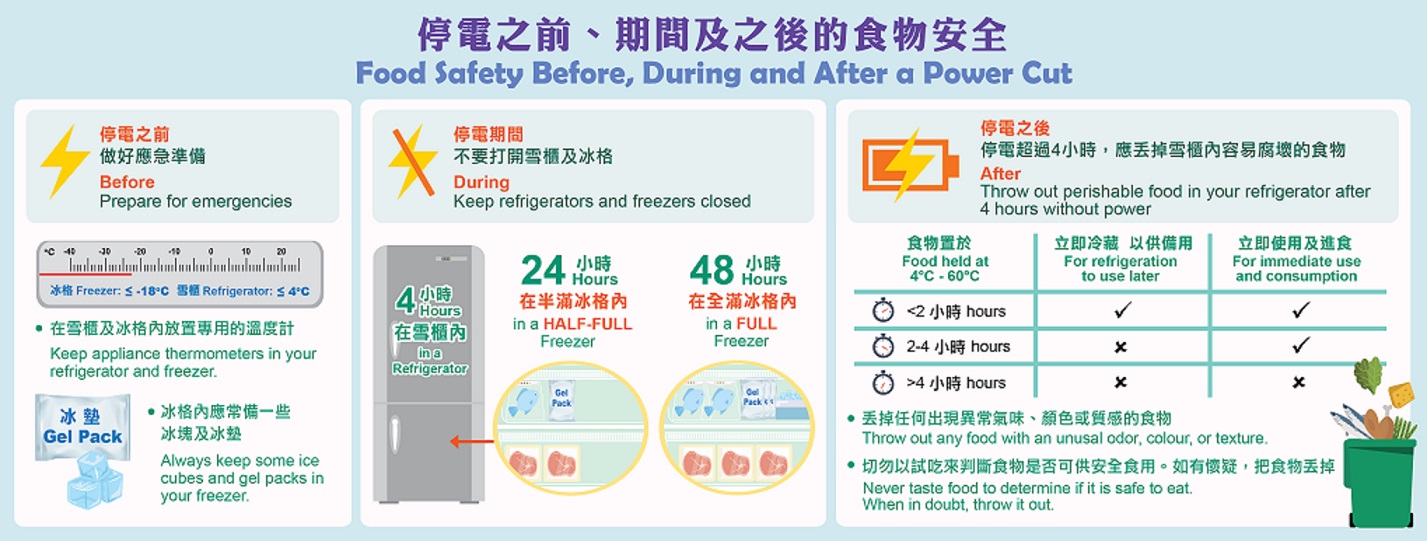
Hong Kong- How to Keep Food Safe in Case of a Power Cut at Home?

CFS

Prolonged power cut is uncommon in Hong Kong nowadays. However, sudden interruption of electricity supply may still occur due to unforeseeable factors such as adverse weather and equipment failure. Power disruptions can last for minutes to hours, during which food will spoil rapidly without refrigeration. Power cut can be troublesome, especially when you have a lot of perishable food items in your refrigerator and freezer compartment. Nonetheless, there is no need to panic. The following tips can help you keep food safe while waiting for resumption of power supply.

USA – Dangerous E. Coli O157 Found in Ground Beef Sold at Kroger and Fred Meyer Supermarkets

Consumer Reports

Kroger-brand ground beef purchased at a Fred Meyer supermarket in Seattle and tested by Consumer Reports was found to have a deadly strain of E. coli called O157:H7. The tested package of 93 percent lean ground beef is marked with an “Establishment” (EST) number of 965, representing the plant where the meat was processed, and a “use or freeze by date” of 1/11/2022. (See the product label below.)

At this time, there is no recall of this ground beef, and no illnesses have been linked to the product. But CR’s food-safety experts warn consumers who might have purchased Kroger-branded 93 percent lean ground beef from any Kroger-owned grocery store to check their packages and to throw away the product if it contains that establishment number and “use or freeze by” date. Those stores include Fred Meyer, Harris Teeter, Ralphs, Dillons, and several other supermarkets. (See a complete list of Kroger-owned grocery stores.) Consumers also should not buy ground beef with those markings from any of those stores.

Hong Kong – Roving Exhibitions on Food Safety in 2022

CFS

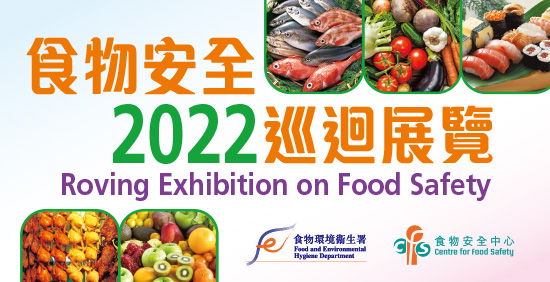
Roving Exhibitions on Food Safety in 2022

The Centre for Food Safety (CFS) holds a series of exhibitions in major shopping centres of public and private housing estates across the territory every year.  Panels covering different topics such as food safety and nutrition, and educational videos are shown to enhance public knowledge on how to make safe and suitable food choices.

TWO roving exhibitions will be held in the following venues in January 2022. Details are as follows:

Date Time Venue Theme
5/1 10am – 4pm Yeung Uk Road Market Enhance Food Traceability, Strengthen Food Safety; Pesticide Residues; Trans Fats
27/1 10am – 4pm Yee On Street Market Nutrition Labelling; Enhance Food Traceability, Strengthen Food Safety; Ciguatoxins

New arrangements of the exhibitions will be announced regularly and members of the public are welcome to visit the CFS website.  For any enquiries, please contact our Communication Resource Unit at 2381 6096.

USA – FDA Core Outbreak Table Update

FDA

The FDA CORE Outbreak Table has six active food poisoning investigations this week; all but one has been identified or solved. The Salmonella Javiana outbreak, which was announced on November 24, 2021, is still not identified, and the number of people sickened in that outbreak has increased to 64.

Date
Posted
Reference
#
Pathogen
Product(s)
Linked to
Illnesses

(if any)
12/29/

2021

1052 E. coli
O157:H7
Packaged Salad
12/20/

2021

1039 Listeria
monocytogenes
Packaged Salad
12/15/

2021

1048 Listeria
monocytogenes
Packaged Salad
11/24/

2021

1044 Salmonella Javiana Not Yet
Identified
11/17/

2021

1043 E. coli
O157:H7
Spinach
9/15/

2021

1031 Salmonella
Oranienburg
Red, Yellow,
and White Onion