Brand : TOBIAS
Name : WRUSTEL WITH CHICKEN AND TURKEY WITH CHEESE
Reason for reporting : Recall due to microbiological risk
Publication date : 9 September 2022


Brand : TOBIAS
Name : WRUSTEL WITH CHICKEN AND TURKEY WITH CHEESE
Reason for reporting : Recall due to microbiological risk
Publication date : 9 September 2022
Posted in food contamination, food handler, Food Hazard, Food Hygiene, Food Inspections, Food Micro Blog, Food Microbiology, Food Microbiology Blog, Food Microbiology Testing, food recall, Food Safety, Food Safety Alert, Food Safety Management, Food Testing, Microbiology, Microbiology Investigations, Microbiology Risk
South Africa (SA) is a leading exporter of maize in Africa. The commercial maize farming sector contributes to about 85% of the overall maize produced. More than 33% of South Africa’s population live in rural settlements, and their livelihoods depend entirely on subsistence farming. The subsistence farming system promotes fungal growth and mycotoxin production. This review aims to investigate the exposure levels of the rural population of South Africa to dietary mycotoxins contrary to several reports issued concerning the safety of South African maize. A systematic search was conducted using Google Scholar. Maize is a staple food in South Africa and consumption rates in rural and urban communities are different, for instance, intake may be 1–2 kg/person/day and 400 g/person/day, respectively. Commercial and subsistence maize farming techniques are different. There exist differences influencing the composition of mycotoxins in food commodities from both sectors. Depending on the levels of contamination, dietary exposure of South Africans to mycotoxins is evident in the high levels of fumonisins (FBs) that have been detected in SA home-grown maize. Other potential sources of exposure to mycotoxins, such as carryover effects from animal products and processed foods, were reviewed. The combined effects between FBs and aflatoxins (AFs) have been reported in humans/animals and should not be ignored, as sporadic breakouts of aflatoxicosis have been reported in South Africa. These reports are not a true representation of the entire country as reports from the subsistence-farming rural communities show high incidence of maize contaminated with both AFs and FBs. While commercial farmers and exporters have all the resources needed to perform laboratory analyses of maize products, the greater challenge in combatting mycotoxin exposure is encountered in rural communities with predominantly subsistence farming systems, where conventional food surveillance is lacking.
Posted in Aflatoxin, Aflatoxin B1, Animal Feed Mould Toxin, Animal Feed Testing, Aspergillus Toxin, Decontamination Microbial, Food Micro Blog, Food Microbiology, Food Microbiology Blog, Food Microbiology Research, Food Microbiology Testing, Food Toxin, Fusarium Toxin, microbial contamination, Microbiological Risk Assessment, Microbiology, Microbiology Investigations, Microbiology Risk, Mold Toxin, Mould Toxin, Mycotoxin, Ochratoxin, Ochratoxin A, Toxin
The aim of this work was to determine the contamination levels of raw and roasted cashew nuts sold in Masasi and Newala districts of Mtwara region in Tanzania. A total of 60 samples including 40 roasted (24 samples from Newala and 16 from Masasi) and 20 raw samples (12 from Newala and 8 from Masasi) were collected. Determination of total aflatoxins levels in raw and roasted cashew nuts samples was carried out by immune affinity high performance liquid chromatography (HPLC). The levels of contamination ranged from not detected (less than Limit of Quantification) to 3.29 µg/kg for both aflatoxin B1 and total aflatoxin in the cashew nuts samples. None of the samples had total aflatoxins contamination greater than the recommended maximum residues of 4 µg/kg set by European Commission (2010) or 10 µg/kg set by FAO and WHO (1995). About a quarter (38%) of the samples had total aflatoxins less than limit of quantification. All roasted cashew nut samples were found to have total aflatoxins less than 3 µg/kg while about 86% of raw cashew nut samples had total aflatoxins less than 3 µg/kg.
Posted in Aflatoxin, Aflatoxin B1, Decontamination Microbial, Food Micro Blog, Food Microbiology, Food Microbiology Blog, Food Microbiology Research, Food Microbiology Testing, Food Toxin, microbial contamination, Microbiological Risk Assessment, Microbiology, Microbiology Investigations, Microbiology Risk, Mold Toxin, Mould Toxin, Mycotoxin, Research
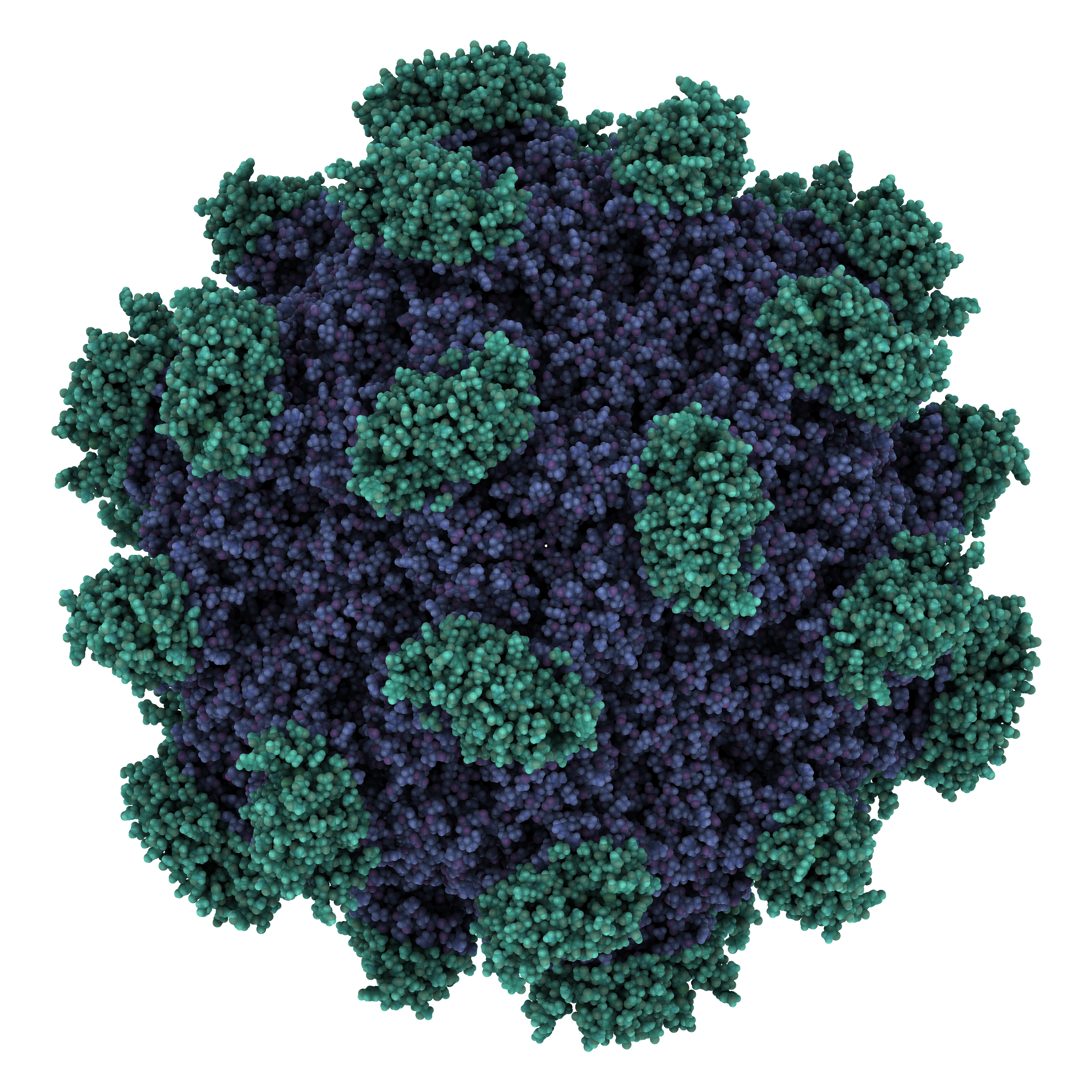
Infection with hepatitis E virus genotype 3 (HEV-3) is an emerging cause of illness in developed countries. In North America and Europe, HEV-3 has been increasingly detected in swine, and exposure to pigs and pork products is considered the primary source of infection. We have previously demonstrated the prevalence of the HEV-3 genome in commercial pork products in Canada. In this study, we investigated the application of citric acid and acetic acid to inactivate HEV-3 on food and on food-contact surfaces. For this purpose, plastic, stainless steel and pork pâté surfaces were inoculated with HEV-3 and were treated with acetic acid or citric acid at 1%, 3%, or 5%. The infectivity of post treatment viral particles was determined by cell culture. A greater than 2-log reduction in viral infectivity was observed on plastic and stainless steel treated with the organic acids, but the treatment was much less effective on HEV infectivity on pork pâté (average reductions of 0.47 log citric acid, and 0.63 log acetic acid). Therefore, we conclude that citric acid and acetic acid have potential application to control HEV-3 on food contact surfaces, but are not suitable for food.
Posted in Decontamination Microbial, Food Micro Blog, Food Microbiology, Food Microbiology Blog, Food Microbiology Research, Food Microbiology Testing, Food Virus, Hepatitis E, microbial contamination, Microbiological Risk Assessment, Microbiology, Microbiology Investigations, Microbiology Risk, Research, Virus
The effect of variations in temperature, ultraviolet (UV) radiation, and sunlight intensity on generic Escherichia coli , E. coli O157:H7, Salmonella Newport and antibiotic resistant (ABR) variants of E. coli O157:H7 and S . Newport exposed to sunlight was evaluated. Bacterial strains suspended in sterile deionized water at a concentration of 8 log CFU/ml were exposed to sunlight on three different days for 180 min; control treatments were stored in the dark. The mean temperature of 30.08 and 26.57℃ on day 1 and 3 were significantly different (p<0.05). The UV intensity was significantly different on all three days and sunlight intensity significantly differed on day 3 (p<0.05). Bacterial population decline positively correlated with temperature, sunlight and UV intensity. Differences in bacterial population declines differed among specie, antibiotic resistance (ABR) profile and day of exposure. (p<0.05). On days 1 and 2, the populations of generic E. coli dropped below the limit of detection (1 log CFU/ml) while the % of live cells was 67% and 6.6% respectively. The artificial neural network model developed to predict bacterial survival under different environmental conditions suggested that Salmonella cells were more resistant than E. coli . The ABR strains had significantly higher viable cells after sunlight exposure (p<0.05). Sunlight exposed cells resuscitated in TSB varied in maximum population density and maximum growth rate based on bacterial species and presence of antibiotic resistance. Morphological changes such as viable but non-culturable (VBNC) state transition and filament formation was detected in sub-populations of sunlight exposed bacteria. Daily fluctuations in UV and sunlight intensity can result in significant variations in bacterial decline and recovery.
Posted in antimicrobial resistance, Antimicrobials, Contaminated water, Decontamination Microbial, E.coli, E.coli O157, E.coli O157:H7, Food Micro Blog, Food Microbiology, Food Microbiology Blog, Food Microbiology Research, Food Microbiology Testing, microbial contamination, Microbiological Risk Assessment, Microbiology, Microbiology Investigations, Microbiology Risk, Research, Salmonella, UV Microbiology, Water, water microbiology, Water Safety
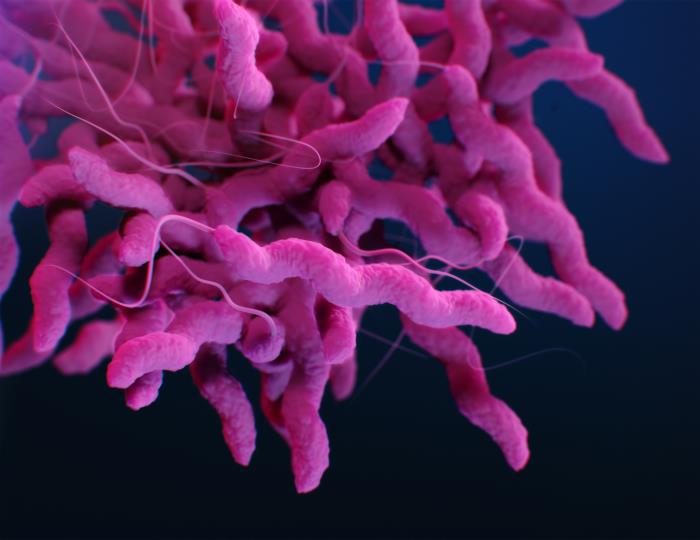
The McHenry County Department of Health in Illinois is reporting a significant increase in infections from Campylobacter.
Health officials have identified eight cases of campylobacteriosis with illness onsets between Aug. 17 and Aug. 30. That is four times more cases compared to the previous two weeks and 3.33 times more cases in August compared to July.
“No common source of infection has been identified at this time,” according to the health department.
Campylobacter bacteria is the most common cause of bacterial diarrhea in the United States, according to the county health officials. People can become ill with campylobacteriosis by eating contaminated food, drinking contaminated water or having contact with infected animals.
Posted in Campylobacter, campylobacter coli, Campylobacter jejuni, food bourne outbreak, Food Illness, Food Micro Blog, Food Microbiology, Food Microbiology Blog, Food Microbiology Testing, Foodborne Illness, foodborne outbreak, foodbourne outbreak, Illness, microbial contamination, Microbiological Risk Assessment, Microbiology, Microbiology Investigations, Microbiology Risk, outbreak
An outbreak of food poisoning, after a number of festival-goers fell ill at Reading Festival, is being scrutinized.
Reading Borough Council said it was investigating following reports “relating to suspected food poisoning” at the festival.
Posting on the Reading Festival Community Facebook group, several festival-goers said they were suddenly struck down over the weekend with symptoms including diarrhoea, vomiting, stomach aches and a fever.
Some said they were forced to leave the festival as they were so unwell.
Posted in food bourne outbreak, Food Illness, Food Micro Blog, Food Microbiology, Food Microbiology Blog, Food Microbiology Research, Food Microbiology Testing, Food Poisoning, Foodborne Illness, foodborne outbreak, foodbourne outbreak, Illness, microbial contamination, Microbiological Risk Assessment, Microbiology, Microbiology Investigations, Microbiology Risk, outbreak, Poisoning
The Food Safety Authority of Ireland (FSAI) today reported that three Closure Orders and one Prohibition Order were served on food businesses during the month of August for breaches of food safety legislation, pursuant to the European Union (Official Controls in Relation to Food Legislation) Regulations, 2020 and the FSAI Act, 1998. The Enforcement Orders were issued by environmental health officers (EHOs) in the Health Service Executive (HSE) and sea-fisheries protection officers in the Sea-Fisheries Protection Authority (SFPA).
Three Closure Orders were served under European Union (Official Controls in Relation to Food Legislation) Regulations, 2020 on:
One Prohibition Order, which is under appeal, was served under the FSAI Act 1998 on:
Some of the reasons for the Closure Orders in August include: frozen chicken was defrosted unsafely with the surface of the chicken warming to 12 degrees Celsius while the core of the chicken remained frozen; safe procedures for cooling hot food were not followed; temperature-sensitive ready-to-eat foods were consistently kept at temperatures likely to result in a risk to health e.g. pasta salad stored in chilled food display unit in the buffet had a temperature of 14.3 degrees Celsius; adequate procedures were not in place to control pests; a lack of evidence of proper hand-washing procedures; a broken water heater left the proprietor unable to adequately clean or disinfect working utensils and equipment; despite the presence of a copy of the FSAI’s Safe Catering Pack, there was no evidence to prove that procedures detailed within had been fully implemented and maintained.

Leafy greens are among the most widely consumed vegetables and an important part of an overall healthy diet. However, while millions of servings are consumed safely every day, leafy greens have been repeatedly associated with illnesses caused by Shiga toxin-producing E. coli (STEC), the most common of which is E. coli O157:H7. FDA is committed to breaking this cycle of reoccurring outbreaks.
Over the last several years the FDA and partners in the public and private sectors have worked to enhance the safety of leafy greens through the development and implementation of the Leafy Greens STEC Action Plan (LGAP). This work includes prioritized inspections, focused sampling, stakeholder engagement and collaboration, data sharing, root cause investigations, and advancements in the science of detection and prevention.
Collectively, this work has expanded our body of knowledge about how and why outbreaks linked to leafy greens have occurred, which has guided and informed the evolution of the action plan over the years. Still, we know that we cannot fix the issue of leafy green contamination on our own. Industry leadership, along with collaboration among growers, processors, retailers, state partners, and the broader agricultural community, is critical to establishing needed prevention measures and preventing foodborne illness.
The following table provides the approaches for three priority areas: Prevention, Response, and Addressing Knowledge Gaps, as well as accomplishments that have been made since the action plan launched in March 2020.
Posted in Decontamination Microbial, E.coli O157, E.coli O157:H7, FDA, Food Micro Blog, Food Microbiology, Food Microbiology Blog, Food Microbiology Research, Food Microbiology Testing, microbial contamination, Microbiological Risk Assessment, Microbiology, Microbiology Investigations, Microbiology Risk, Research, Shigatoxin, STEC, STEC E.coli
Posted in Cyclospora, Cyclosporiasis, Decontamination Microbial, FDA, Food Micro Blog, Food Microbiology, Food Microbiology Blog, Food Microbiology Research, Food Microbiology Testing, microbial contamination, Microbiological Risk Assessment, Microbiology, Microbiology Investigations, Microbiology Risk, Salmonella

 FoodWorld