Enterobacertiaceae and Salmonella spp. in raw pet food for fish from Thailand in Germany
Salmonella spp. in whole egg powder, processed into pet- food from Germany in Switzerland and Austria

Enterobacertiaceae and Salmonella spp. in raw pet food for fish from Thailand in Germany
Salmonella spp. in whole egg powder, processed into pet- food from Germany in Switzerland and Austria
Posted in Animal by Products, Animal Feed, Animal Feed Salmonella, Animal Feed Testing, Decontamination Microbial, Food Micro Blog, Food Microbiology, Food Microbiology Blog, Food Microbiology Testing, microbial contamination, Microbiological Risk Assessment, Microbiology, Microbiology Investigations, Microbiology Risk, Pet Food, Pet Food Testing, RASFF, raw pet food

Consumption of fresh fruits and vegetables is increasing thanks to the awareness to the benefits to human health. Vegetables may become contaminated by enteric pathogens (protozoan parasites, bacteria and viruses) by irrigation with contaminated water, fertilization with fresh animal manure or by infected food handlers. Cryptosporidium spp. are fecal-oral protozoan parasites, known to be highly persistent in the environment, which facilitate the transmission of the infectious oocysts. Efficient methods were developed for releasing and concentrating Cryptosporidium oocysts from leafy vegetables and sensitive and specific methods were applied for their enumeration. The aims of this review are to discuss the development and optimization of methods applied to release oocysts from leafy vegetables, the prevalence of Cryptosporidium oocysts on fresh leafy vegetables from various parts of the world and to discuss cryptosporidiosis outbreaks resulting from the consumption of leafy vegetables. Three solutions were used with comparable efficiency to release oocysts from leafy vegetables 1M glycine solution, 0.1% Alconox and filter elution buffer with an efficiency of 36.2%, 72.6% and 44%, respectively. The prevalence of Cryptosporidium oocysts was reported in developed as well as from developing countries, although simple detection methods were applied. Most of the cryptosporidiosis outbreaks were reported in developed countries, which can be related to their efficient surveillance system. Transmission of infectious pathogens, such as Cryptosporidium may be facilitated by fresh vegetables, which are imported and transferred from less developed to highly developed countries and consumed uncooked. Monitoring of Cryptosporidium oocysts by sensitive detection methods may enhance measures to prevent their transmission by freshly consumed vegetables.
Posted in Contaminated water, Cryptosporidiosis, Cryptosporidium, Decontamination Microbial, Food Micro Blog, Food Microbiology, Food Microbiology Blog, Food Microbiology Research, Food Microbiology Testing, microbial contamination, Microbiological Risk Assessment, Microbiology, Microbiology Investigations, Microbiology Risk, Research, Water, water microbiology, Water Safety
Biofilm formation of L. monocytogenes on stainless steel, a widely used abiotic surface in the food processing industry was investigated, focusing on the attachment tendency and behavior of L. monocytogenes 08-5578 on eight different Stainless-steel surfaces: glass bead blasted (rough and fine), deburred (Timesaver), drum deburred, pickled, pickled and drum polished, electrolytic polished and cold rolled (untreated control). The aim was to see if there are finishes with significant lower bacterial attachment. Roughness properties (Ra, Rt, Rz, RSm; determined by interferometry) were also compared with number of adhering cells to detect possible correlations. Cultivation of L. monocytogenes biofilms was carried out using a CDC biofilm reactor (CBR) with 1% TSB set at 20°C for 4, 8, and 24 h. Additionally, a cultivation trial was run with continuous nutrient flow (1% TSB, 6.2 ml/min) for 24 h. Eight hour results showed significant difference ( P < 0.05) in biofilm cell counts in biofilms between the glass bead blasted surfaces (3.23 and 3.26 log CFU/cm 2 for the fine and rough, respectively) and deburred (Timesaver) surface (2.57 log CFU/cm 2 ); between drum deburred and deburred (Timesaver) surface (3.41 vs 2.57 log CFU/cm 2 ); between drum deburred and pickled surface (3.41 vs 2.77 log CFU/cm 2 ). Data gained after 4, 24 h and the additional 24 h continuous flow cultivation showed no significant difference in attachment among surfaces. No correlation between roughness data and attachment was found after all 4 incubation times, suggesting that roughness values, at these ranges, are insufficient in determining surfaces’ affinity to bacteria. This study suggests that roughness values cannot be used to predict the degree of L. monocytogenes attachment to a specific stainless steel surface.
Posted in Biofilm, Decontamination Microbial, Food Micro Blog, Food Microbiology, Food Microbiology Blog, Food Microbiology Research, Food Microbiology Testing, Listeria, Listeria monocytogenes, microbial contamination, Microbiological Risk Assessment, Microbiology, Microbiology Investigations, Microbiology Risk, Research
The Food Safety and Quality Division (FSQD) in Malaysia is the competent authority tasked with ensuring food safety throughout the food supply chain within the country. Despite implementing various regulations toward improving food hygiene standards in Malaysia, outbreaks of food poisoning cases continued to occur in Malaysia. This cross-sectional study was designed to explore the occurrence of food poisoning incidents in Malaysia, within the Pahang state, from 2013 to 2018 via both reported passive case detection (PCD) and active case detection (ACD) food poisoning incidents. Upon detecting all the food poisoning cases using both PCD and ACD, the people identified to have suffered from food poisoning underwent a structured interview for investigators to elicit all relevant information about the food poisoning incident. Results showed that in Pahang, the number of reported episodes fluctuated from 2013 until 2018, with an average of 21 food poisoning episodes occurring yearly, reaching a maximum in August and a minimum in May. Furthermore, Kuantan, being the state capital, had reported an exceptionally high total number of reported incidents of food poisoning with a total of 48 episodes over six years from 2013 to 2018, while Kuala Lipis had only one incident reported during the same period (which was reported in 2016). Finally, this study concluded that adequate measures must always be taken to minimise the occurrence of food poisoning, especially when preparing foods in large quantities.
Posted in Decontamination Microbial, food bourne outbreak, Food Illness, Food Micro Blog, Food Microbiology, Food Microbiology Blog, Food Microbiology Research, Food Microbiology Testing, Food Poisoning, Foodborne Illness, foodborne outbreak, foodbourne outbreak, Illness, microbial contamination, Microbiological Risk Assessment, Microbiology, Microbiology Investigations, Microbiology Risk, outbreak, Poisoning, Research
Posted in Decontamination Microbial, food bourne outbreak, Food Illness, Food Micro Blog, Food Microbiology, Food Microbiology Blog, Food Microbiology Research, Food Microbiology Testing, Foodborne Illness, Foodborne Illness Death, foodborne outbreak, foodbourne outbreak, Illness, microbial contamination, Microbiological Risk Assessment, Microbiology, Microbiology Investigations, Microbiology Risk, outbreak, Research
Persistent Listeria monocytogenes contamination may occur in a packinghouse if the pathogen successfully infiltrates the facility and reaches a harborage site, from where it is difficult to remove and may contaminate produce within the facility. There is a need for simulation-based decision support tools that can predict which equipment sites are more likely to undergo persistent contamination and simulate potential corrective actions to prevent persistent contamination. Thus, we adapted for longer term simulation two existing applications of an agent-based model of Listeria spp. hourly contamination dynamics in produce packinghouses. Next, we developed a novel approach to identify and analyze persistent and transient Listeria contamination patterns on simulated agents representing equipment sites and employees. Testing of corrective actions showed that methods that involved targeted, facility-specific, risk-based sanitation were the most effective in both reducing the likelihood and duration of persistent contamination. This emphasizes that generic approaches to controlling Listeria (e.g., more concentrated sanitizers) are unlikely to be successful and suggests that usage of sanitation schedules produced through facility-specific root-cause analysis and hygienic design are key in reducing persistence. Hourly Listeria contamination patterns also suggest that transient contamination may be mistaken for persistent, depending on the frequency of environmental sampling. Likewise, as concentrations of Listeria on most contaminated agents were predicted to be very low, there is also a possibility to mistake persistence for transient contamination of sites, or even miss it outright due to false negative environmental Listeria monitoring results. These findings support that agent-based models may be valuable decision-support tools, aiding in the identification of contamination patterns within packinghouses and assessing the viability of specific corrective actions.
Posted in Decontamination Microbial, Food Micro Blog, Food Microbiology, Food Microbiology Blog, Food Microbiology Research, Food Microbiology Testing, Listeria, Listeria monocytogenes, microbial contamination, Microbiological Risk Assessment, Microbiology, Microbiology Investigations, Microbiology Risk, Research
On January 14, 2022, the Lincoln-Lancaster County (Nebraska) Health Department (LLCHD) notified the Nebraska Department of Health and Human Services (NDHHS) of two cases of laboratory-confirmed Salmonella in inmates at a correctional facility (facility A). LLCHD initiated an investigation in collaboration with NDHHS to identify the source of the outbreak and develop recommendations. The investigation linked consumption of mechanically separated chicken to illness. Mechanically separated chicken, which is produced at chicken processing facilities by separating edible chicken from bone and cartilage under pressure, is frequently purchased for use in institutions, such as prisons, jails, and correctional facilities because of its affordability (1,2).
Staff members at facility A reported approximately 100 inmates experienced gastrointestinal symptoms during a period of a few days; no staff member reported illness. LLCHD conducted open-ended interviews with ill inmates. Because the facility was experiencing a concurrent outbreak of COVID-19, and access to inmates for interviews was limited, it is likely that additional cases existed among noninterviewed and untested inmates beyond the total cases identified in the investigation. Inmates who were designated food handlers were prioritized for interviews because of transmission risk to others; untested inmates were able to seek care through facility A medical staff. A probable case was defined as the onset of diarrhea, stomach cramps, or vomiting during January 9–11, 2022, but without a positive stool culture, in an inmate at facility A; a confirmed case was defined as isolation of Salmonella serotype Enteritidis highly related to the outbreak strain (within three alleles) by core genome multilocus sequence typing in a clinical specimen. LLCHD conducted an environmental assessment on January 15, 2022. A list of food handlers, food menus for January, and temperature logs were requested. During the environmental assessment, a sample of raw, unopened mechanically separated chicken from a 50-lb intact box from the same shipment used to prepare a meal on January 8, 2022, was collected for testing.
A total of 15 cases of S. Enteritidis infection were identifie
Posted in Decontamination Microbial, food bourne outbreak, Food Illness, Food Micro Blog, Food Microbiology, Food Microbiology Blog, Food Microbiology Research, Food Microbiology Testing, Foodborne Illness, foodborne outbreak, foodbourne outbreak, Illness, microbial contamination, Microbiological Risk Assessment, Microbiology, Microbiology Investigations, Microbiology Risk, outbreak, Research
The FDA and CDC, in collaboration with state and local partners, have completed the investigation on two of three multistate outbreak of E. coli O157:H7 infections in the U.S. this fall.
One of these investigations, Outbreak Unknown Source 3, identified 18 reported illnesses in nine states: California, Colorado, Illinois, Michigan, New York, Ohio, Pennsylvania, Virginia, Washington.
FDA completed a traceback investigation of several potential food vehicles identified in patient interviews and although no single farm was identified as a common source of the outbreak, FDA and state partners also conducted on-site investigations on farms of interest. However, information and samples collected in these inspections did not link these farms to the outbreak. The investigation of a farm does not mean that the farm is linked to an outbreak. The results of an investigation into a farm may well lead to that firm being ruled out of the investigation. On 12/18/2020, the CDC announced that this outbreak had ended.
The other completed outbreak investigation, Outbreak Unknown Source 1, identified 32 reported illnesses in 12 states: California, Illinois, Louisiana, Maryland, Michigan, Montana, New Jersey, Ohio, Utah, Virginia, Washington, Wisconsin. This strain of E. coli is genetically similar to a strain linked to a romaine outbreak that occurred in the spring of 2018, though a food was not linked to the current outbreak. FDA completed a traceback investigation and was unable to determine a common source of the outbreak. FDA and state partners also conducted on-site inspections on farms of interest, though information collected in these inspections did not link these farms to the outbreak. On 12/18/2020, the CDC announced that this outbreak had ended.
Investigations of a third E. coli outbreak of Unknown Source 2 continue.
Posted in CDC, Decontamination Microbial, E.coli, E.coli O157, E.coli O157:H7, FDA, food bourne outbreak, Food Illness, Food Micro Blog, Food Microbiology, Food Microbiology Blog, Food Microbiology Research, Food Microbiology Testing, Foodborne Illness, foodborne outbreak, foodbourne outbreak, Illness, microbial contamination, Microbiological Risk Assessment, Microbiology, Microbiology Investigations, Microbiology Risk, outbreak, STEC, STEC E.coli
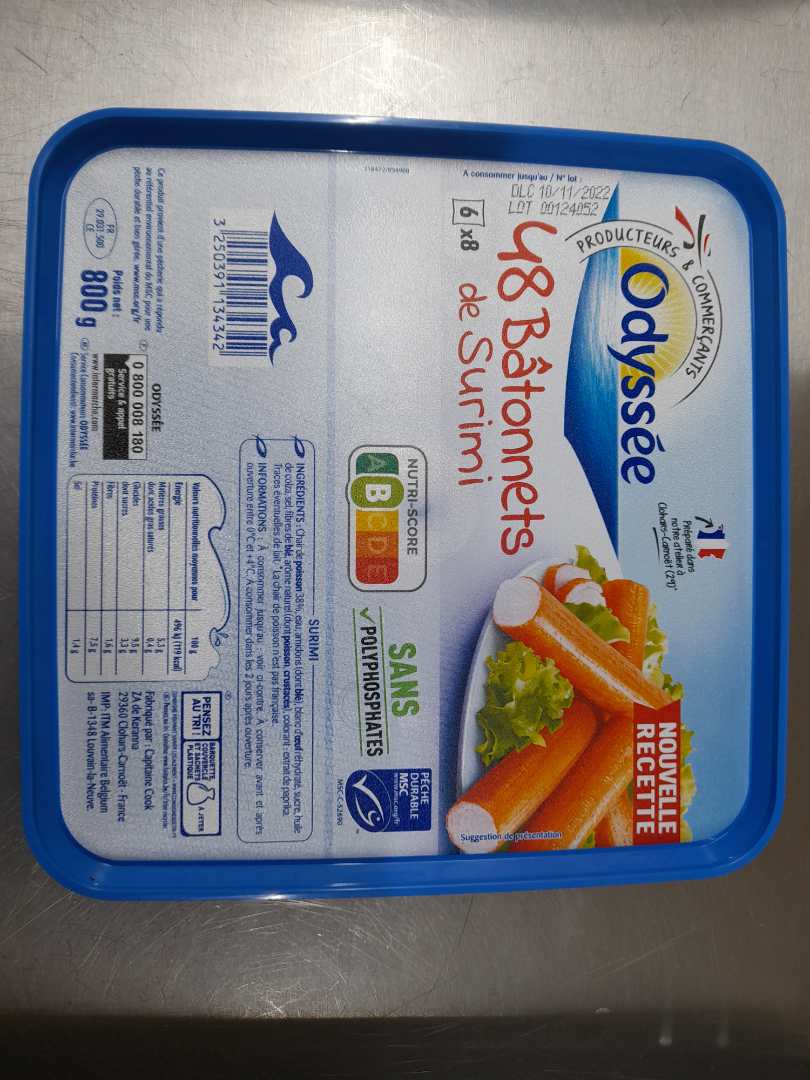
| GTIN | Batch | Date |
|---|---|---|
| 3250390859963 | 00122366 | Use-by date 09/22/2022 |
| 3250391134342 | 00122368 | Use-by date 09/22/2022 |

As part of the precautionary quality assurance, it was determined that a few bottles of the product NÖM PRO protein drink cocoa with the best before date 19.12.2022 had a microbiological deviation and a changed consistency.
Only some of the bottles with this best-before date are affected, which were delivered to individual BILLA, BILLA PLUS and ADEG branches in Vienna, Lower Austria and Burgenland. The trading partner has already been informed and all affected products were immediately removed from the shelves.
The changed consistency of the defective product is clear and recognizable at first sight, as the product is puncture-resistant and surrounded by a transparent whey liquid. It is not suitable for consumption in this form.
From the point of view of preventive consumer protection, NÖM AG asks you to return this product to the BILLA, BILLA PLUS or ADEG sales outlet in Vienna, Lower Austria and Burgenland if it is in a faulty condition. The returned goods will of course also be replaced without presenting a receipt.
NÖM PRO protein drinks cocoa with this best-before date, which shows the usual content, as well as other best-before dates of the NÖM PRO protein drink cocoa, all other products of the NÖM PRO and NÖM brands are not affected and can still be bought and consumed without hesitation.
NÖM AG thus fulfills its personal responsibility in accordance with the provisions of food law. If consumers have questions, the consumer service of NÖM AG is available at the following telephone number: 0800 800 500 .

 FoodWorld