Category Archives: microbial contamination

USA- Salmonella Outbreaks Linked to Backyard Poultry

CDC

Fast Facts
  • Illnesses: 163
  • Hospitalizations: 34
  • Deaths: 0
  • States: 43
  • Recall: No
  • Investigation status: Active
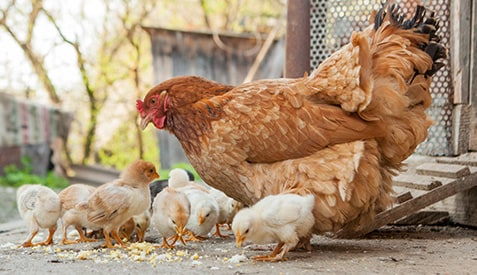
Backyard poultry with chickens eating
Backyard Poultry and Salmonella

Backyard poultry, like chicken and ducks, can carry Salmonella germs even if they look healthy and clean. These germs can easily spread to anything in the areas where they live and roam.

You can get sick from touching your backyard poultry or anything in their environment and then touching your mouth or food, and swallowing Salmonella germs.

Research – Effect of UVC light-emitting diodes on pathogenic bacteria and quality attributes of chicken breast

Journal of Food Protection

This study aimed to investigate the inactivation of foodborne pathogens and the quality characteristics of fresh chicken breasts after Ultraviolet-C light-emitting diode (UVC-LED) treatment. Fresh chicken breasts were separately inoculated with Salmonella Typhimurium, Escherichia coli O157:H7, and Listeria monocytogenes at an initia population of 6.01, 5.80, and 6.22 log 10 CFU/cm 2 , respectively, then were treated by UVC-LED at 1000 to 4000 mJ/cm 2 . UVC-LED irradiation could inactivate the tested bacteria in a dose-dependent manner. After UVC-LED treatment at 4000 mJ/cm 2 , the populations of S . Typhimurium, E . coli O157:H7, and L . monocytogenes on chicken breasts were decreased by 1.90, 2.25, and 2.18 log 10 CFU/cm 2 , respectively. No significant ( P > 0.05) changes were found in the color, pH value, texture properties, and thiobarbituric acid reactive substances (TBARS) values of chicken breasts following the UVC-LED radiation at doses up to 4000 mJ/cm 2 . Overall, this study indicates that UVC-LED is a promising technology to reduce the number of microorganisms while maintaining the physico-chemical characteristics of poultry meat.

Research- Prevalence of Toxoplasma gondii, Hepatitis E Virus and Salmonella antibodies in meat juice samples from pigs at slaughter in Switzerland

Journal of Food Protection

Toxoplasma

Toxoplasma gondii , hepatitis E virus (HEV) and Salmonella are zoonotic foodborne pathogens that may be transmitted to humans through the consumption of raw or undercooked pork.  The aim of this study was to determine the seroprevalence of anti- Toxoplasma gondii , anti-HEV and anti- Salmonella antibodies from healthy pigs at slaughter in Switzerland. In the period of August to September 2020 diaphragm muscle of Swiss fattening pigs was collected in three Swiss abattoirs from a total of 188 farms. Two randomly chosen pig carcasses per farm were selected. On the basis of the slaughter data, the production system and the canton of origin were noted, comparing indoor (n=120) and free-range farming (n=68), and regional allocation. The meat juice of these samples was analyzed for pathogen-specific antibodies using commercial enzyme-linked immunosorbent assay (ELISA) kits. The seroprevalences were 1.3% for T. gondii , 71.8% for the HEV and 5.3% for Salmonella , respectively. Comparing the origins, the results of many cantons weren’t meaningful due to the low number of samples. No regional accumulations were found for T. gondii and the HEV. The results showed that 2.1% of the farms had least one T. gondii seropositive animal, 80.3% had at least one HEV seropositive animal, and 8.5% had at least one Salmonella seropositive animal, respectively. The seropositivity of T. gondi i was higher in free-range pigs than in indoor pigs, whereas anti- Salmonella antibodies were more common in pigs from indoor farming than in outdoor pigs. The seroprevalence of anti HEV-Abs was similar in free-range and indoor farming pigs. Compared to studies from 2012 the seroprevalence of T. gondii has decreased whereas the seroprevalence of the HEV has increased and is highly prevalent among fattening pigs in Switzerland. The low seroprevalence of Salmonella has remained stable in recent years.

France – Recall – FERME GINEAU – INVITATION A LA FERME brand Crèmes desserts vanille et crèmes desserts vanille sur lit de caramel / Vanilla cream pudding and vanilla cream pudding on a bed of caramel – Microbial Contamination

Recall Notice in French

FERME GINEAU recalls FERME GINEAU – INVITATION A LA FERME brand Crèmes desserts vanille et crèmes desserts vanille sur lit de caramel / Vanilla cream pudding and vanilla cream pudding on a bed of caramel (4 x 100g; Use by 30/06/2021)


Czech Republic – Class A chicken without offal from Poland- Salmonella

Potraviny na Pranyri

Place of inspection:
Vedryne ( Vedryne 131, 73994 Vedryne )
Company ID: 07329695
Food group: Meat and meat products Unpacked: meat, minced meat, meat preparations
Class A chicken without offal
Category: Dangerous food
Unsatisfactory parameter:
Salmonella enterica serum. Infantis

The pathogenic bacterium Salmonella enterica serum was detected in chicken meat Infantis , which can cause a condition called salmonellosis.

Lots: 109921138
Expiration date: 4/15/2021
Producer: SuperDrob SA, PL 06630501 WE, Zimna 2, Lublin, 20-952 Poland
Country of origin:  Poland
Date of sampling: 9. 4. 2021
Reference number: 21-000016-SVS-CZ
 
The sample was found by official inspection of the State Veterinary Administration.
 

UK – Cheese On The Wey recalls Blue Millie cheese because of contamination with Listeria monocytogenes

FSA

Cheese On The Wey is recalling Blue Millie cheese because Listeria monocytogenes has been found in the product.

Product details

Cheese on the Wey Blue Millie cheese
Pack size All pack sizes, individually priced and wrapped up to 500g
Batch code 21/0415
Use by 02 July 2021

Risk statement

The presence of Listeria monocytogenes in the product listed above.

Symptoms caused by this organism can be similar to flu and include high temperature, muscle ache or pain, chills, feeling or being sick and diarrhoea. However, in rare cases, the infection can be more severe, causing serious complications, such as meningitis.

Some people are more vulnerable to listeria infections, including those over 65 years of age, pregnant women and their unborn babies, babies less than one month old and people with weakened immune systems.

Action taken by the company

Cheese on the Wey is recalling the above product. Point of sale notices will be displayed in all retail stores that are selling this product. These notices explain to customers why the products are being recalled and tell them what to do if they have bought the product. Please see the attached notice.

Our advice to consumers

If you have bought any of the above product do not eat it. Instead, return it to the store from where it was bought for a full refund.

France- Product recall: Black olive Mucize Sele Zeytin 700gr from CILOGLU brand – Microbial Contamination

Oulah

ENCOUNTERED PROBLEM

The product exhibits microbial and substantial deviations which are not typical of the product.

PROPOSED SOLUTION

Do not consume and bring back to the point of sale

FURTHER INFORMATION

▸ Model names or references
00120655 BLACK OLIVE MUCIZE SELE 700G DLC 01.02.2023


▸ Barcode
8697436548422


▸ Lot


▸ DLC – DDM
02/01/2023


700G packaging


▸ Start / end date of marketing
From 03/01/2021 to 05/22/2021


▸ Health mark


BAS-RHIN geographic sales area (67)


PROIMEX distributors


▸ Consumer service contact
0652156729


▸ Source
PROIMEX

Information – KEEPCALMANDWASH YOUR HANDS

Click to access keep-calm-wash-your-hands_8.5×11.pdf

Research – Mycotoxins Affecting Animals, Foods, Humans, and Plants: Types, Occurrence, Toxicities, Action Mechanisms, Prevention, and Detoxification Strategies—A Revisit

MDPI

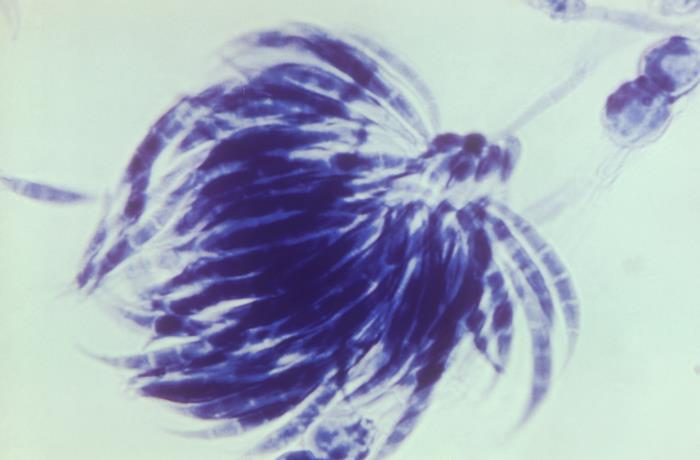
CDC Fusarium1

Mycotoxins are produced by fungi and are known to be toxic to humans and animals. Common mycotoxins include aflatoxins, ochratoxins, zearalenone, patulin, sterigmatocystin, citrinin, ergot alkaloids, deoxynivalenol, fumonisins, trichothecenes, Alternaria toxins, tremorgenic mycotoxins, fusarins, 3-nitropropionic acid, cyclochlorotine, sporidesmin, etc. These mycotoxins can pose several health risks to both animals and humans, including death. As several mycotoxins simultaneously occur in nature, especially in foods and feeds, the detoxification and/or total removal of mycotoxins remains challenging. Moreover, given that the volume of scientific literature regarding mycotoxins is steadily on the rise, there is need for continuous synthesis of the body of knowledge. To supplement existing information, knowledge of mycotoxins affecting animals, foods, humans, and plants, with more focus on types, toxicity, and prevention measures, including strategies employed in detoxification and removal, were revisited in this work. Our synthesis revealed that mycotoxin decontamination, control, and detoxification strategies cut across pre-and post-harvest preventive measures. In particular, pre-harvest measures can include good agricultural practices, fertilization/irrigation, crop rotation, using resistant varieties of crops, avoiding insect damage, early harvesting, maintaining adequate humidity, and removing debris from the preceding harvests. On the other hand, post-harvest measures can include processing, chemical, biological, and physical measures. Additionally, chemical-based methods and other emerging strategies for mycotoxin detoxification can involve the usage of chitosan, ozone, nanoparticles, and plant extracts. View Full-Text

Research – Legionella and Biofilms—Integrated Surveillance to Bridge Science and Real-Field Demands

MDPI

Legionella_Plate_01

Legionella is responsible for the life-threatening pneumonia commonly known as Legionnaires’ disease or legionellosis. Legionellosis is known to be preventable if proper measures are put into practice. Despite the efforts to improve preventive approaches, Legionella control remains one of the most challenging issues in the water treatment industry. Legionellosis incidence is on the rise and is expected to keep increasing as global challenges become a reality. This puts great emphasis on prevention, which must be grounded in strengthened Legionella management practices. Herein, an overview of field-based studies (the system as a test rig) is provided to unravel the common roots of research and the main contributions to Legionella’s understanding. The perpetuation of a water-focused monitoring approach and the importance of protozoa and biofilms will then be discussed as bottom-line questions for reliable Legionella real-field surveillance. Finally, an integrated monitoring model is proposed to study and control Legionella in water systems by combining discrete and continuous information about water and biofilm. Although the successful implementation of such a model requires a broader discussion across the scientific community and practitioners, this might be a starting point to build more consistent Legionella management strategies that can effectively mitigate legionellosis risks by reinforcing a pro-active Legionella prevention philosophy. View Full-Text