Research – Antimicrobial Resistance in E. coli: A Growing Concern in Nile Tilapia Consumption

BNN Breaking

A recent study has found a high prevalence and alarming levels of antimicrobial resistance (AMR) in Escherichia coli (E. coli) found in Nile tilapia, a commonly consumed fish. The research analyzed 828 samples from different parts of the fish, including the flesh, liver, kidney, and intestine. Across the samples, high occurrences of fecal coliforms (61.6%) and E. coli (53.0%) were detected. The intestine samples showed the highest prevalence of E. coli at 71.4%, while the liver and kidney samples had a prevalence of 45.7%.

Research -New Detection Tools for Clostridium Perfringens, Total Viable Bacteria in Poultry Production

Food Safety

Ancera has unveiled the release of two new microbial detection tools designed to identify and enumerate Clostridium perfringens and total viable bacteria (TVB) in poultry. The assays are designed to address critical challenges within the poultry industry, from live operations to processing, and help companies increase productivity, food safety, and interventional efficacy.

Ancera’s TVB assay is the first true non-enrichment, microbial quantitation assay focused on same-shift process improvement and quality control at the plant. The tool provides quantifiable microbial information enabling integrators to understand whether their processes are working to reduce microbial load. Once fully commercialized, the technology will produce results within a single working shift, unlocking real-time trend analysis and decision-making for improved compliance and sanitation. The new assay represents a significant reduction from traditional 48–72 hour turnaround times, decreasing the risk of compliance and recall risk.

Research- Monitoring of Animal Feed Contamination by Mycotoxins: Results of Five Years of Official Control by an Accredited Italian Laboratory

MDPI

Abstract

Mycotoxin contamination of animal feed is a complex issue in both animal wellness and food safety. The most diffused mycotoxins subject to the official control of animal feed are Aflatoxin B1 (AF), Zearalenone (ZEA), Deoxynivalenol (DON), Ochratoxin A (OCRA), Fumonisins (FUMO), and T-2/HT-2 toxins. This work describes the results of five years of monitoring focused on the evaluation of mycotoxin contamination of animal feed. Analytical determinations were carried out by means of accredited ELISA. The obtained results showed a non-alarming scenario, with several samples resulting as “non-compliant” according to the Maximum Residue Limits (MRLs) set in European Regulation No. 574/2011. Out of 722 analyzed samples coming from 2 Italian regions, Apulia and Basilicata, 14 samples were characterized by mycotoxin concentrations higher than related MRL; in particular, 5, 4, and 5 non-compliant samples for DON, AF, and ZEA, respectively. This study also evaluated the possible correlations between mycotoxin type and feed use with a special focus on animal sensitivity to mycotoxins.

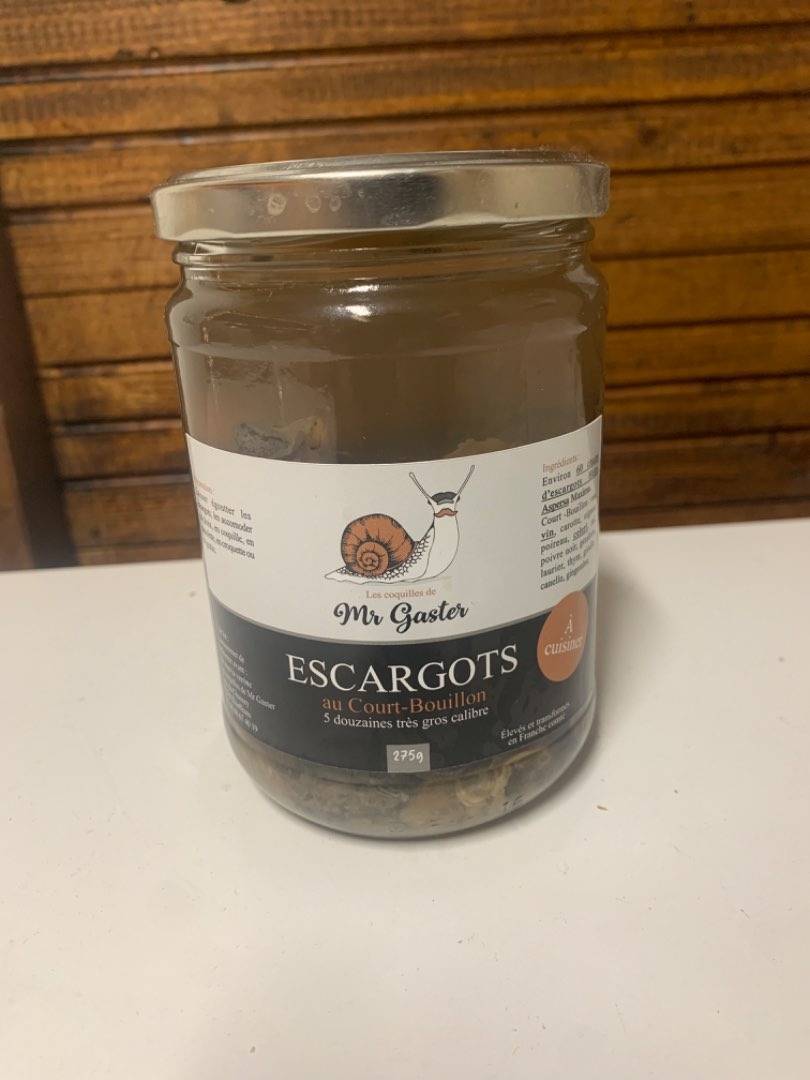
France – Snails in court broth – Clostridium botulinum

Gov France

Product category
Food
Product subcategory
Snails and frogs
Product brand name
The shells of MR Gaster
Model names or references
Snails in court broth 5 dozen
Product identification
Batch Date
1520 Minimum durability date 11/30/2025
Packaging
Verrine 580TO82
Start/end date of marketing
From 11/25/2023 to 12/15/2023
Storage temperature
Product to be stored at room temperature
Health mark
FR.25.056.058.CE
Geographical sales area
Departments: DOUBS (25), HAUTE-SAONE (70)
Distributors
The shells of MR Gaster

UK – Mrs Kirkham’s has provided an update on the E.coli situation

Lancashire Telegraph

A Lancashire cheesemaker has provided an update after a number of its cheese products were recalled following an E.coli outbreak last year.

Mrs Kirkham’s, based near Longridge, has told its customers that there has been no trace of E.coli found in its products following extensive testing by the Food Standards Agency, and hopes it won’t be long until the family run firm’s cheeses can be put back on the market.

The Food Standards Agency (FSA) announced a precautionary recall of four products from cheesemaker Mrs Kirkham’s Lancashire Cheese on Christmas Eve because of possible E.coli contamination and added a fifth product on December 27.

Sweden – Cryptosporidium outbreak (Sweden December 2023–)

Folkhalsomyndigheten

Since 15 December 2023, 68 people from 14 regions have been reported infected with Cryptosporidium in Sweden. Most of the disease cases are from Halland and Jönköping. Of the disease cases, 72 percent are women, the average age is 41 years and 79 percent are in the age group 21-60 years. Based on the available data, the latest case of the disease contracted on January 3 (see figure). Typing of a selection of samples shows that 13 out of 18 belong to the same type of Cryptosporidium, which indicates that the disease cases have a common source of infection.

Affected infection control units, the Swedish Food Agency and the Public Health Agency are investigating the outbreak to identify the source of infection, which is suspected to be fresh food. Information about what the outbreak cases have eaten before becoming ill is done via interviews and the collection of questionnaires. The answers are then compared to what people in a healthy comparison group indicate that they have eaten to assess whether there are foods that the outbreak cases have eaten to a greater extent than the comparison group.

USA -CDC – Salmonella Outbreak Linked to Cantaloupes is Over.

CDC

Fast Facts
  • Illnesses: 407
  • Hospitalizations: 158
  • Deaths: 6
  • States: 44
  • Recall: Yes
  • Investigation status: Closed   (first posted on November 17, 2023)

All recalls that resulted from this investigation are listed on FDA’s cantaloupe recall website. Recalled cantaloupes are no longer available for sale and the use-by dates have passed.

USA – Outbreak Investigation of Salmonella: Cantaloupes (November 2023) – Update

FDA

Products and Stores Affected (Updated on 1/19/2024)

Recalled whole and pre-cut cantaloupes and recalled product containing pre-cut cantaloupes were sold or distributed from September to early December 2023 and should be past shelf-life. Consumers who froze cantaloupe products should check if they are part of the recalls. If you are unsure of where your cantaloupes are from, you should discard them.

Recalled whole cantaloupe from the following brands:

  • Whole fresh cantaloupes with a label on the cantaloupe that says “Malichita” or “Rudy”, “4050”, and “Product of Mexico/produit du Mexique”.
  • Retailers and wholesalers would have received recalled whole melons from Sofia Produce doing business as TruFresh in boxes labeled “Malichita” or “Rudy”, or from Crown Jewels Produce in boxes labeled “Malichita/Z Farms”, or from Pacific Trellis in corrugated cartons with certain lot codes.

Recalled pre-cut cantaloupe and products containing pre-cut cantaloupes (products made from recalled whole cantaloupes) can be found on the Major Recalls Page.

Symptoms of Salmonella Infection

Illness usually occurs within 12 to 72 hours after eating contaminated food and usually lasts four to seven days. Symptoms include diarrhea, fever, and abdominal cramps. Children younger than five, the elderly, and people with weakened immune systems are more likely to have severe infections.

Status

Ended

Recommendation

  • Consumers, restaurants, retailers, and wholesalers should not eat, sell, or serve recalled cantaloupe or recalled products containing cantaloupe.
  • Recalled whole and pre-cut cantaloupes and recalled product containing pre-cut cantaloupes were sold or distributed from September to early December 2023 and should be past shelf-life. Consumers who froze cantaloupe products should check if they are part of the recalls. If you are unsure of where your cantaloupes are from, you should discard them.
  • Anyone who purchased or received recalled cantaloupes should follow FDA’s safe handling and cleaning advice and use extra vigilance in cleaning and sanitizing any surfaces and containers that may have come in contact with recalled products to reduce the risk of cross-contamination.
    • Pre-cut fruit manufacturers should ensure proper cleaning and sanitizing of food contact surfaces and evaluate the need to recall additional product due to the potential for cross-contamination in the processing facility.
  • Contact your healthcare provider if you think you may have symptoms of a Salmonella infection after eating recalled cantaloupe.

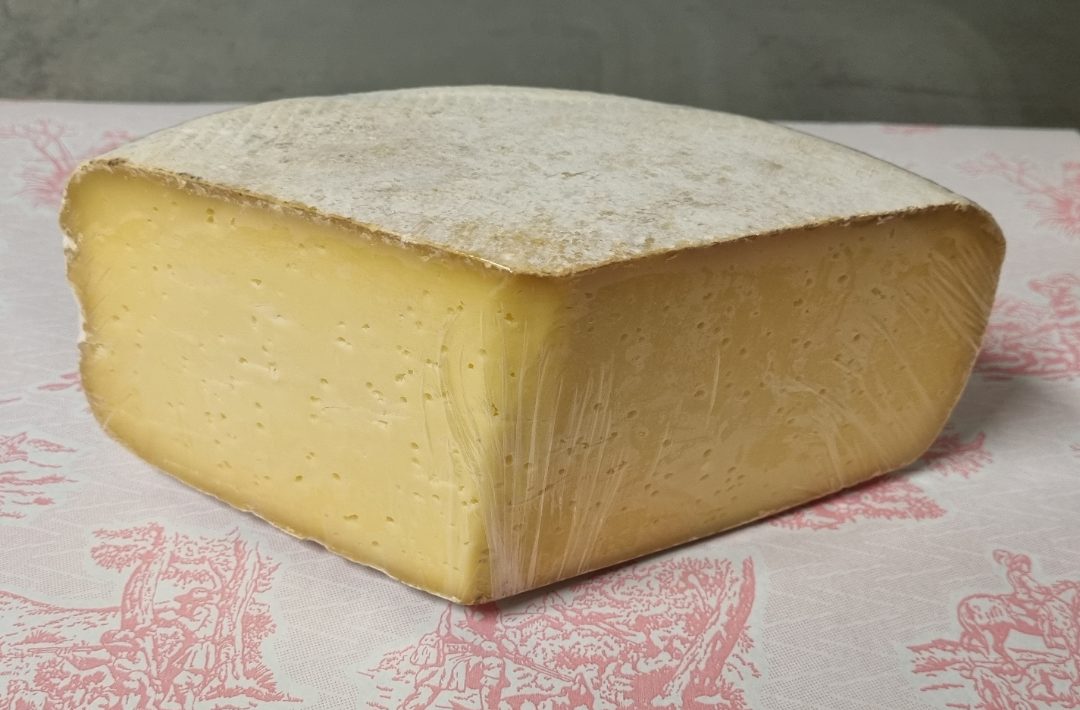
France – TOMME DU BEARN COW SHEEP Cheese- Listeria monocytogenes

Gov France

Product category
Food
Product subcategory
Milk and dairy products
Product brand name
SHEPHERDS OF UPPER BEARN
Model names or references
TOMME
Product identification
Batch Date
282 Minimum durability date 01/17/2024
Start/end date of marketing
From 12/30/2023 to 01/16/2024
Storage temperature
Product to keep in the refrigerator
Further information
Cheese sold in the Traditional section cut at the customer’s request
Geographical sales area
Anet
Distributors
LOCAL TRADITIONS

Research – Process Hygiene Criterion for Campylobacter and Number of Campylobacter Enteritis Cases in Northwest Germany

MDPI

Abstract

Campylobacteriosis is the most commonly reported bacterial foodborne disease in the European Union. Its transmission is often associated with the consumption of poultry meat. In 2018, Regulation (EC) No. 2017/1495 introduced a process hygiene criterion and with this, the testing requirements for Campylobacter. The results of microbiological testing for Campylobacter of chicken carcass neck skin samples from several slaughter lines in Northwest Germany collected by the food business operators and contamination levels (cfu/g Campylobacter) of these samples were analysed from 2018 to 2021. Classification into three different categories was made based on contamination levels. The proportion of highly contaminated (category three) neck samples (>1000 cfu/g) decreased from 2018 to 2021. Our analysis showed a relationship between the number of neck samples with high Campylobacter contamination levels (>1000 cfu/g) and human cases in Northwest Germany. Spearman’s rank test (p < 0.01) showed a higher correlation in 2018 (0.66) and 2019 (0.58) compared to 2020 and 2021. Campylobacter enteritis cases in Northwest Germany stayed at a low level in 2020 and 2021. It remains unclear whether the decrease in reported Campylobacter enteritis cases is related to a decrease in Campylobacter levels on chicken carcasses or due to other reasons like underreporting during the COVID-19 pandemic, and therefore must be investigated in further analyses.