Mould growth in beetroot snack from Italy in Austria and Germany
Whole grain tortilla wraps from Belgium infested with moulds in Denmark
Mold in Turkish bread from Germany in the Netherlands
Rye bread from Denmark infested with moulds in Sweden

Mould growth in beetroot snack from Italy in Austria and Germany
Whole grain tortilla wraps from Belgium infested with moulds in Denmark
Mold in Turkish bread from Germany in the Netherlands
Rye bread from Denmark infested with moulds in Sweden
Posted in food contamination, food handler, Food Hazard, Food Hygiene, Food Inspections, Food Micro Blog, Food Microbiology, Food Microbiology Blog, Food Microbiology Testing, Food Quality, food recall, Food Safety, Food Spoilage, Food Temperature Abuse, Food Testing, Food Toxin, mold, Mould/Mold, RASFF, Visible Mould/Mold
Listeria monocytogenes in cheese from France in Austria, Germany, Italy and the Maldives
Listeria monocytogenes in hot smoked salmon in pieces from Poland in Germany
Suspected contamination with Listeria monocytogenes in soft cheese from Germany in Austria
Listeria monocytogenes in poultry meat from France in Belgium
Posted in food contamination, food handler, Food Hazard, Food Hygiene, Food Inspections, Food Micro Blog, Food Microbiology, Food Microbiology Blog, Food Microbiology Testing, Food Pathogen, Food Quality, food recall, Food Safety, Food Safety Alert, Food Safety Management, Food Safety Regulations, Food Testing, Listeria, Listeria France, Listeria in Cheese, Listeria monocytogenes, Listeria Smoked Fish, RASFF
Ochratoxin A in spice preparation in Turkey and Switzerland
Ochratoxin A in mulberries from Turkey in Austria, Belgium, Germany, Netherlands, Sweden
Ochratoxin in hulled sunflower seeds from Bulgaria in Poland
Too much Ochratoxin A in organic ground coffees from Kenya in Finland
Posted in Aspergillus Toxin, food contamination, food handler, Food Hazard, Food Hygiene, Food Inspections, Food Micro Blog, Food Microbiology, Food Microbiology Blog, Food Microbiology Testing, Food Poisoning, Food Quality, food recall, Food Safety, Food Safety Alert, Food Safety Management, Food Safety Regulations, Food Testing, Food Toxin, Mold Toxin, Mould Toxin, Mycotoxin, Ochratoxin, Ochratoxin A, RASFF
Salmonella spp. in sesame seeds from Nigeria in Greece
Salmonella Newport (in 1 out of 5 units) in fresh chicken thighs from Poland in Latvia
Salmonella spp. in sea bass or sea bass (dicentrarchus labrax) 400/600 from Croatia in Italy, Germany, Austria and Slovakia
Salmonella Enteritidis in chicken meat from Poland in the Czech Republic
Salmonella in turkey meet from Poland in Bulgaria
Fresh poultry meat from Poland- Salmonella enteritidis in Austria and Romania
Salmonella Enteritidis in chicken neck skin from Poland in Romania, Netherlands and Belgium
Salmonella Enteritidis (in 2 out of 5 samples) in frozen broiler chicken breasts fillets from Lithuania in Belgium, France, Germany, Ireland, Latvia, Lithuania, Netherlands, Poland, United Kingdom.
Salmonella Enteritidis in preroasted chicken doner kebab from Poland in Denmark
Posted in food contamination, food handler, Food Hazard, Food Hygiene, Food Inspections, Food Micro Blog, Food Microbiology, Food Microbiology Blog, Food Microbiology Testing, Food Pathogen, Food Quality, food recall, Food Safety, Food Safety Alert, Food Safety Management, Food Safety Regulations, Food Testing, Polish Chicken Salmonella, RASFF, Salmonella, Salmonella in Chicken, Salmonella Poland, Salmonella Sesame Seeds
Aflatoxin B1 in Paraguayen groundnuts kernels in the Netherlands
Aflatoxin in unpasteurized almond kernels from the United States in the Netherlands
Aflatoxin B1 in peanuts from Argentina in the Netherlands
Aflatoxins in Indonesian nutmeg in the Netherlands
Posted in Aflatoxin, Aspergillus Toxin, food contamination, food handler, Food Hazard, Food Hygiene, Food Inspections, Food Micro Blog, Food Microbiology, Food Microbiology Blog, Food Microbiology Testing, Food Poisoning, food recall, Food Safety, Food Safety Alert, Food Safety Management, Food Safety Regulations, Food Testing, Food Toxin, Mold Toxin, Mould Toxin, Mycotoxin, RASFF
2023-08-31
Coop is recalling Coop chicken barbecue sausage, skinless, 400 grams, with a best before date of 2023-09-04. The reason is that the product may contain listeria.
Posted in food contamination, food handler, Food Hazard, Food Hygiene, Food Inspections, Food Micro Blog, Food Microbiology, Food Microbiology Blog, Food Microbiology Testing, Food Pathogen, Food Quality, food recall, Food Safety, Food Safety Alert, Food Safety Management, Food Safety Regulations, Food Testing, Listeria, Listeria monocytogenes
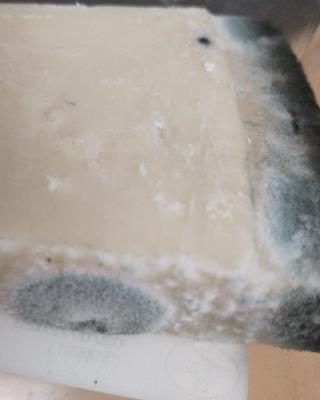
Some of the inspected packages had mold colonies visible to the naked eye under the intact packaging. Food is not considered safe if it shows signs of spoilage.
Unsuitable storage temperatures of this product were not detected during the inspection, the food did not have an expired minimum durability date.
| Batch: | L51306901 |
| Best before date: | 03/07/2023 |
| Packaging: | Original (PP/PE packaging) |
| Quantity of the product in the package: | 125 g |
| Manufacturer: | Seller: Tesco Stores ČR as, Vršovická 1527/68b, 100 00 Prague 10 |
| Country of origin: |  Italy Italy |
| Date of sample collection: | 27/06/2023 |
| Reference number: | 23-000562-SZPI-CZ |
Posted in food contamination, food handler, Food Hazard, Food Hygiene, Food Inspections, Food Micro Blog, Food Microbiology, Food Microbiology Blog, Food Microbiology Testing, Food Poisoning, Food Quality, food recall, Food Safety, Food Safety Alert, Food Safety Management, Food Safety Regulations, Food Testing, Mould/Mold, Moulds, Potravinynapranyri, Visible Mould/Mold
Health officials are investigating an outbreak of E. coli food poisoning among students at the University of Arkansas, with dozens reporting symptoms and five people needing treatment in the hospital.
Among those affected are two 19-year-old sorority members who developed a serious complication that can lead to kidney failure after being infected with the E. coli strain O157:H7. That’s according to Bill Marler, a Seattle food safety lawyer who said he reviewed the patients’ medical records after being contacted by the families.
Posted in Bacterial Toxin, E.coli O157, E.coli O157:H7, food bourne outbreak, Food Illness, Food Micro Blog, Food Microbiology, Food Microbiology Blog, Food Microbiology Research, Food Microbiology Testing, Food Toxin, Foodborne Illness, foodborne outbreak, foodbourne outbreak, Illness, microbial contamination, Microbial growth, Microbiological Risk Assessment, Microbiology, Microbiology Investigations, Microbiology Risk, outbreak, STEC, STEC E.coli, Toxin
Recall of Tero Bakery (So Bake It)
Products: Petit Beurre, Vegan Chocolate Cookies and Vegan Raisin Cookies from the So Bake It brand
Nature of the problem: too high aflatoxin B1 content
In agreement with the AFSCA, Tero Bakery (So Bake It) is withdrawing the products “Petit Beurre”, “Vegan Chocolate Cookies” and “Vegan Raisin Cookies” from the So Bake It brand from sale and is recalling them from consumers due to too high aflatoxin B1 content.
Tero Bakery (So Bake It) asks its customers not to consume these products and to return them to the point of sale from which they were purchased. Reimbursement for products manufactured between the dates below will be made upon return.
Description of products:
– Name of product: Petit Beurre
– Brand: So Bake It
– Minimum durability date (MBD) (“Best before (or end)”): 10/18/2023 and 11/26/ 2023
– Lot number(s): production between 04/18/2023 and 05/26/2023
– Sales period: from 04/18/2023 to 10/18/2023 or 11/26/2023
– Nature of packaging: plastic bag
– Weight: 150g

– Name of product: Vegan chocolate cookies
– Brand: So Bake It
– Minimum durability date (BDD) (“Best before (or end)”): 10/18/2023 and 11/26/2023
– Number of the lot(s): production between 04/18/2023 and 05/26/2023
– Sales period: from 04/18/2023 to 10/18/2023 or 11/26/2023
– Nature of packaging: waxed paper
– Weight: 200g

– Product name: Vegan raisin cookies
– Brand: So Bake It
– Minimum durability date (BDD) (“Best before (or end)”): 10/18/2023 and 11/26/2023
– Number of the lot(s): production between 04/18/2023 and 05/26/2023
– Sales period: from 04/18/2023 to 10/18/2023 or 11/26/2023
– Nature of packaging: waxed paper
– Weight: 200g

The products were distributed through different points of sale.
For any further information , contact So Bake It:
hello@sobakeit.be
Posted in Aflatoxin, Aflatoxin B1, afsca, Aspergillus Toxin, food contamination, food handler, Food Hazard, Food Hygiene, Food Inspections, Food Micro Blog, Food Microbiology, Food Microbiology Blog, Food Microbiology Testing, Food Poisoning, Food Quality, food recall, Food Safety, Food Safety Alert, Food Safety Management, Food Safety Regulations, Food Testing, Food Toxin, Mold Toxin, Mould Toxin, Mycotoxin
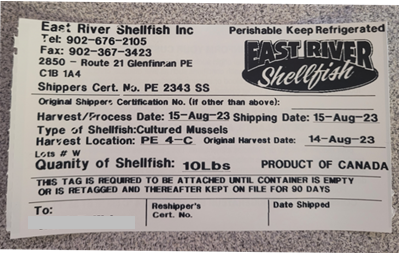
The FDA is advising consumers not to eat, and restaurants and food retailers not to sell, and to dispose of cultured mussels from East River Shellfish, Inc. from harvest location PE 4-C, harvested on 8/14/2023, and shipped on 8/15/2023 to retailers in IL, MA, and NY due to the possible presence of Salmonella and E. coli.
Contaminated mussels can cause illness if eaten raw, particularly in people with compromised immune systems. Food contaminated with Salmonella and E. coli may look, smell, and taste normal. Consumers of these products who are experiencing symptoms of salmonellosis or E. coli should contact their healthcare provider, who should report their symptoms to their local Health Department.
Posted in E.coli, FDA, food contamination, food handler, Food Hazard, Food Hygiene, Food Inspections, Food Micro Blog, Food Microbiology, Food Microbiology Blog, Food Microbiology Testing, Food Pathogen, Food Quality, food recall, Food Safety, Food Safety Alert, Food Safety Management, Food Safety Regulations, Food Testing, Salmonella


