Ochratoxin A content above the limit in Nutmeg from Indonesia in Hungary and Serbia
Ochratoxin A in date syrup from Sweden in Germany

Ochratoxin A content above the limit in Nutmeg from Indonesia in Hungary and Serbia
Ochratoxin A in date syrup from Sweden in Germany
Posted in food contamination, Food Hazard, Food Hygiene, Food Inspections, Food Micro Blog, Food Microbiology, Food Microbiology Blog, Food Microbiology Testing, Food Poisoning, food recall, Food Safety, Food Safety Alert, Food Temperature Abuse, Food Testing, Food Toxin, Mold Toxin, Mould Toxin, Mycotoxin, Ochratoxin, RASFF
Vibrio vulnificus – Shrimp from Ecuador in France
Posted in food contamination, food handler, Food Hazard, Food Hygiene, Food Inspections, Food Micro Blog, Food Microbiology, Food Microbiology Blog, Food Microbiology Testing, Food Pathogen, food recall, Food Safety, Food Safety Alert, Food Testing, RASFF, Vibrio, Vibrio vulnificans, Vibrio vulnificus
Norovirus in oysters from France in Italy
Listeria monocytogenes in raw milk cheese from France in Belgium
Listeria monocytogenes in smoked salmon from Spain in Portugal
Listeria monocytogenes in chilled smoked salmon from Germany in Portugal
Listeria monocytogenes in smoked fish from France in Switzerland
Listeria monocytogenes in Herring fillet in oil from the Netherlands in Germany
Salmonella enterica ser. Enteritidis (presence /25g) in chilled chicken breast from Poland in the Czech Republic
Withdrawal of eggs from Poland due to contamination of Salmonella Enteritidis in Hungary
Salmonella in mechanically separated meats ( MSM )from Poland in Italy
Salmonella Teshie in ground ginger from Poland in UK and Latvia
Salmonella in Brazilian black pepper in the Netherlands
Salmonella Infantis in chilled chicken breast fillet from Poland in the Czech Republic
Salmonella infantis in fresh chicken wings from Poland in the Czech Republic
Presence of Salmonella in ground black pepper from Spain in Portugal
Posted in food contamination, Food Hazard, Food Hygiene, Food Inspections, Food Micro Blog, Food Microbiology, Food Microbiology Blog, Food Microbiology Testing, Food Pathogen, food recall, Food Safety, Food Safety Alert, Food Testing, Polish Chicken Salmonella, RASFF, Salmonella, Salmonella in Black Pepper, Salmonella in Chicken, Salmonella in Eggs
Aflatoxin B1 and Aflatoxin total in Organic Black Mulberries from Turkey in Germany, Netherlands and Norway
Elevated levels of aflatoxins in curry powder from Turkey in Germany
Aflatoxins over the limits in Pistachios from United States in Italy
Aflatoxin B1 in Organic Egyptian Peanut kernels Blanched after further treatment in the Netherlands
Aflatoxin in Pakistan Rice in the Netherlands
Aflatoxins in Pakistani Super Basmati Brown Rice(Husked Rice) Crop 2020-2021 in the Netherlands
Aflatoxins in organic groundnuts in shell from Egypt in Italy
Aflatoxin B1 (sample A: 3,37 +/- 0,51, sample B: 3,32 +/- 0,50 µg/kg) in organic groundnuts from Egypt in Poland
Aflatoxins in hazelnut kernels from Azerbaijan in Italy
Aflatoxin in Indian groundnuts in Netherlands and Switzerland
Aflatoxins above legal limits in shelled pistachios from Turkey, origin Iran in Turkey and Italy
Aflatoxins (B1 72.1±9.0 – Sum 80.1±9.0) above the maximum limits allowed in shelled Pistachios from USA in Italy
Aflatoxins in melon seeds from China, via Netherland in Germany
Aflatoxins in Pistachio kernels from the United States in Turkey and Germany
Aflatoxins in dried figs from Turkey in Germany
Posted in Aflatoxin, food contamination, food handler, Food Hazard, Food Hygiene, Food Inspections, Food Micro Blog, Food Microbiology, Food Microbiology Blog, Food Microbiology Testing, Food Poisoning, food recall, Food Safety, Food Safety Alert, Food Temperature Abuse, Food Toxin, Mold Toxin, Mould Toxin, Mycotoxin, RASFF, Toxin
Salmonella Abaetetuba in organic soya press cake from China in Belgium, Germany and Netherlands
Salmonella Infantis in raw petfood for cats from the Netherlands in Belgium and France
Felix Custom Smoking has been enjoined from distributing seafood products through a consent decree filed on March 9, 2022 by the FDA and the U.S. Justice Department. The owner of that establishment, Diane Zollinger, has allegedly violated the Federal Food, Drug, and Cosmetic Act (FDCA) by distributing “adulterated ready-to-eat seafood products, including fish jerky and cold- and hot-smoked salmon,” according to the complaint.
The business sells products directly to consumers from its location and through farmers markets, as well as providing custom processing for fishermen and other wholesalers. The facility is located in Monroe, Washington. The claims made in the complaint are allegations that, if the case were to proceed to trail, the government must prove by a preponderance of the evidence.
FDA inspectors visited the facility in 2021 and found “a significant infestation of flies and other filthy conditions that can create an ideal environment for the growth of harmful bacteria, such as Listeria monocytogenes,” according to the complaint. The FDA took multiple samples at the facility and confirmed the presence of Listeria monocytogenes in and around food preparation areas.
Genetic testing showed that the same strain of Listeria Monocytogenes had been present in the facility since at least 2018, and a sample of seafood from one of the company’s customers also showed the same strain of Listeria, according to the complaint. FDA issued a public health alert against purchasing or eating Felix Custom Smoking seafood products on August 27, 2021
The injunction requires the company to eliminate Listeria monocytogenes at their facility, make sanitation improvements, and comply with federal food safety regulations before processing or distributing any more seafood.
| Date Posted |
REF | Pathogen |
Product(s) Linked to Illnesses (if any) |
Total Case Count |
Status |
Outbreak Status |
| 2/17/
2022 |
1056 | Cronobacter sakazakii |
Powdered Infant Formula |
See Advisory |
Active | Ongoing See Advisory |
| 2/9/
2022 |
1040 | Listeria monocytogenes |
Not Yet Identified |
14 | Active | Ongoing See Advice |
| 2/2/
2022 |
1054 | Enteroinvasive E. coli O143:H26 |
Not Yet Identified |
16 | Closed | Ended See Advice |
| 1/10/
2022 |
1050 | E. coli O121:H19 |
Romaine | 4 | Closed | Ended |
| 12/29/
2021 |
1052 | E. coli O157:H7 |
Packaged Salad |
See Outbreak Advisory |
Closed | Ended See Outbreak Advisory |
| 12/20/
2021 |
1039 | Listeria monocytogenes |
Packaged Salad |
See Outbreak Advisory |
Closed | Ended See Outbreak Advisory |
| 12/15/
2021 |
1048 | Listeria monocytogenes |
Packaged Salad |
See Outbreak Advisory |
Active | Ongoing See Outbreak Advisory |
Posted in Cronobacter sakazakii, E.coli O121, E.coli O157, E.coli O157:H7, FDA, Food Micro Blog, Food Microbiology, Food Microbiology Blog, Food Microbiology Research, Food Microbiology Testing, Listeria, Listeria monocytogenes, microbial contamination, Microbiological Risk Assessment, Microbiology, Microbiology Investigations, O143:H26
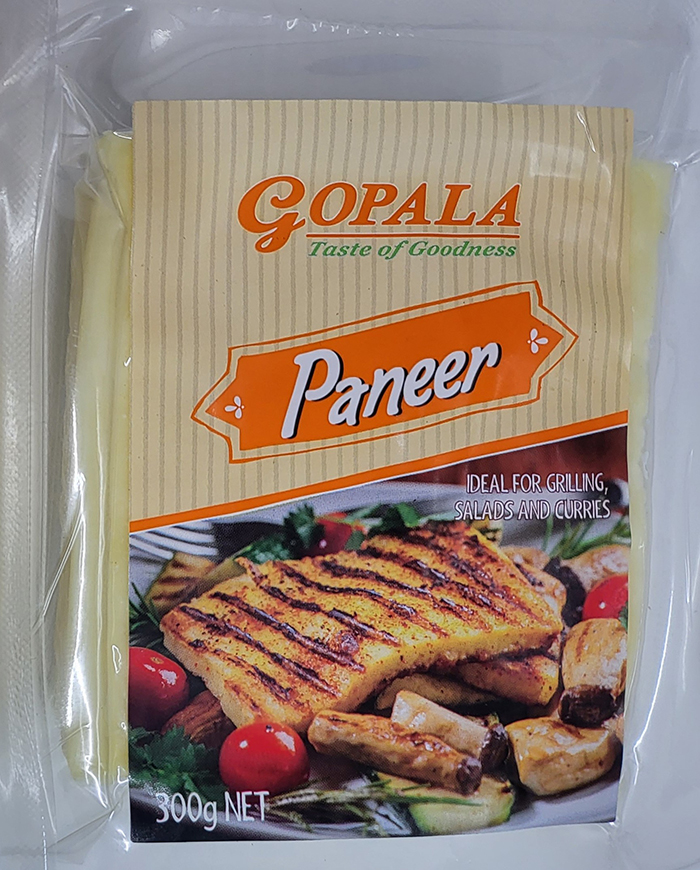
10 March 2022: Gopals Sweets & Snacks Ltd is recalling all batches and all dates up to and including best before 05.05.22 of its Gopala brand Paneer due to the possible presence of Listeria.
| Product identification | |
|---|---|
| Product type | Cheese |
| Name of product (size) | Gopala brand Paneer (various weights between 300g and 1kg) |
| Date marking | All dates up to and including best before 05.05.22 |
| Package size and description | The product is sold in various weights between 300g and 1kg in a plastic package. |
| Distribution | The product was sold in supermarkets and ethnic grocery stores throughout New Zealand.
The product has not been exported. |
| Notes | This recall does not affect any other Gopala brand products. |
Customers are asked to check the date mark printed on the back of the product packaging.
Affected product should be cooked thoroughly (piping hot all the way through). The affected product should not be consumed raw. If you are in any doubt please throw the product out or return it to the place it was purchased.
There have been two reports of illness which may have been associated with this product, however a definitive link between the two cases and the product has not been confirmed. If you have consumed any of this product and have any concerns about your health, seek medical advice.


