Category Archives: Decontamination Microbial

Research – Study on the Effect of Relaying on Norovirus Reduction from Crassostrea gigas Oysters

MDPI

french oysters

Abstract

Norovirus (NoV) is the most important cause of seafood-borne gastroenteritis worldwide, mainly associated with the consumption of raw oysters. NoV is often present in oysters that comply with existing control standards for shellfish. Therefore, the improvement of post-harvest treatments and practices can represent one of the main strategies to reduce the incidence of viral diseases related to shellfish. This study aimed to investigate long-term relays for the reduction of NoV levels in live oysters, during the high-risk cold months, by transferring the oysters from a more contaminated site to two sites with lower NoV levels. The efficacy of relaying was evaluated by analyzing oyster samples collected at days 0 (T0) and 30 (T30) for NoV levels using a real-time quantitative PCR (RT-qPCR). The NoV level at the relay sites was consistently lower than at the harvest site. The relay process for 30 days in seawater with a lower NoV level resulted in a decrease in the NoV load compared to day 0 with significant reductions depending on the site and genogroup of NoV considered. These results suggest that long-term relaying of oysters to reduce NoV levels is promising and could help growers to improve oyster safety; however, further investigations are needed.

Research – Occurrence of Aflatoxins and Ochratoxin a during Merkén Pepper Powder Production in Chile

MDPI

Abstract

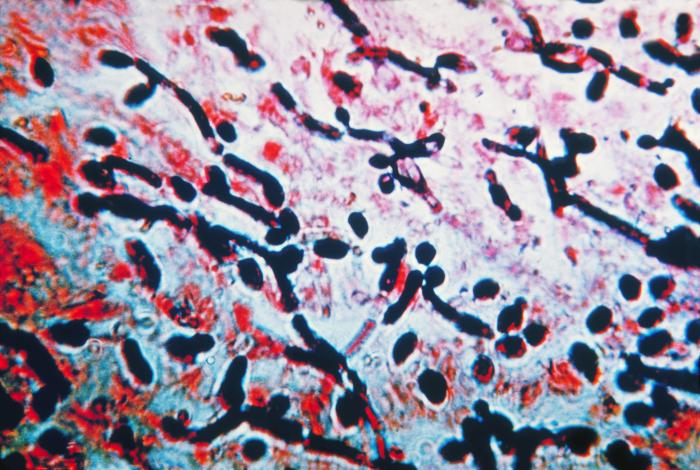
Berry fruits of Capsicum annuum L. cv. “Cacho de Cabra” are used for the manufacture of a traditional pepper powder known as Merkén. In the present study, aflatoxins (AFs) and ochratoxin A (OTA) contamination in berry fruits of C. annuum was determined at harvest, drying, and smoking stages of Merkén production, in cumin and coriander seeds used as Merkén ingredients, and in the final packaged Merkén produced by local farmers. Additionally, Merkén samples from local markets in the region of La Araucanía (Chile) were also evaluated. Chromatographic analysis was based on a qualitative method. AFs and OTA were not detected on pepper pods and seeds. There was no detection of AFs and OTA on cultured Aspergillus and Penicillium strains isolated from pepper pods, cumin and coriander seeds and Merkén. The lack of AFs/OTA-producers among the isolated fungal species can explain and support the absence of contamination in pepper pods. In contrast, the AFB1 was detected in 75% of Merkén obtained from farmers and 46% of Merkén samples purchased from local markets; while OTA was detected in 100% of Merkén samples obtained from farmers and local markets. In the Merkén production chain, the harvest and post-harvest are key stages for fungal growth while the commercialization stage is highly susceptible to AFs and OTA contamination.

Research – One Health Campylobacter Risk Model Could Improve Outbreak Surveillance

Food Safety.Com

Researchers have built a new risk model for possible human Campylobacter outbreaks that leverages data on weather patterns and the presence of Campylobacter on broiler farms. The developers of the model hope to disseminate the information it produces through a website that can generate warnings when appropriate.

The model follows a “One Health” approach, in that data from the animal, human, and environmental sectors were combined to predict human gastrointestinal illness (GI) outbreaks.

Read more at the link above

Research – From Aflatoxin to Zearalenone: Mycotoxins You Should Know – Deoxynivalenol (DON)

Agfax

Mycotoxins are substances produced by fungi that infect grain crops like maize and small grains and cause ear and kernel rots. Exposure to mycotoxins can lead to chronic or acute toxicity in humans and animals. In addition, mycotoxins can lead to market losses, discounts, rejection of grain lots at elevators, and a reduction in livestock efficiency and productivity.

The most economically important mycotoxins include aflatoxins (AF), deoxynivalenol (DON, also known as vomitoxin), fumonisins (FUM), zearalenone (ZEA), ochratoxin A (OTA), T2, HT-2, ergot alkaloids, and patulin (PAT). The fungal species that produce mycotoxins have worldwide distribution; therefore, mycotoxin contamination occurs everywhere grain crops are grown. Accordingly, mycotoxins have been detected in feed, silage, food, and beverages derived from cereal grains and animal products exposed to contaminated feed.

USA – Marijuana contaminated with potentially harmful bacteria allegedly sold at 20 unlicensed NYC stores

ABC7NY

Three trade groups for the medical marijuana industry are warning buyers about cannabis sold in New York City.

A survey conducted by the New York Medical Marijuana Cannabis Industry Association claims it found tainted marijuana at 20 unlicensed businesses in the city.

They say many of them were contaminated with E. coli, salmonella, heavy metals, and pesticides. Those contaminants can cause illness and infection in the human body.

75 percent of the businesses said their product came from California or the West Coast, the survey detailed.

The trade groups estimate that there are likely tens of thousands of illegal marijuana businesses operating in NYC.

Research – Warning after scientists find faeces and dangerous bacteria at self-service check-outs

News Yahoo

Health chiefs are warning festive shoppers to wash their hands regularly after a study found both faeces and vomit-inducing bugs – on self-service check-out screens.

The investigation, where scientists analysed swabs from several everyday objects, revealed there were thousands of bacteria on the ubiquitous payment machines.

E.coli, which causes vomiting, was present on nearly all the surfaces, while poo and microbes that lead to urinary tract infections (UTIs) were found on self-service screens.

A bug commonly found in the vagina, mouth, throat and gut called Candida albicans, which can cause yeast infections, was also discovered on an escalator handrail.

And shoppers may also be at risk if they hot desk at work, as intestinal microbes that can cause a range of infections, including UTIs, were found on computer keyboards.

Italy hit by new Listeria outbreak with one dead

Food Safety News

Italian authorities are investigating a Listeria outbreak that has sickened 22 people and killed one.

Mortadella sold by Veroni is being looked at as a potential source but an official link has not been confirmed by authorities.

In early November, a number of recalls were published for Veroni mortadella due to potential Listeria contamination.

A product recalled by Veroni in November

The Ministry of Health (Ministero della Salute) issued a warning covering a few batches of the Veroni Supergiant Mortadella packed in small portions due to the presence of Listeria monocytogenes.

Veroni said it immediately and voluntarily alerted the market, recalling all batches of Supergiant Mortadella with and without pistachios in portions that had expiry dates before Dec. 27, 2022.

USA – Outbreak Investigation of E. coli O121:H19 Frozen Falafel (October 2022)

FDA

The FDA, along with CDC and state and local partners, investigated a multistate outbreak of E. coli O121:H19 infections linked to Earth Grown frozen falafel.

As of December 1, 2022, CDC announced that the outbreak is over. There have been a total of 24 illnesses in six states. The last illness onset was October 24, 2022.

On October 7, 2022, the Michigan Department of Agriculture and Rural Development collected Earth Grown frozen falafel for testing from a sick person’s home. Whole Genome Sequencing done at the Michigan Department of Health & Human Services showed that the E. coli strain in the falafel sample was closely related to the strain causing illness in this outbreak.

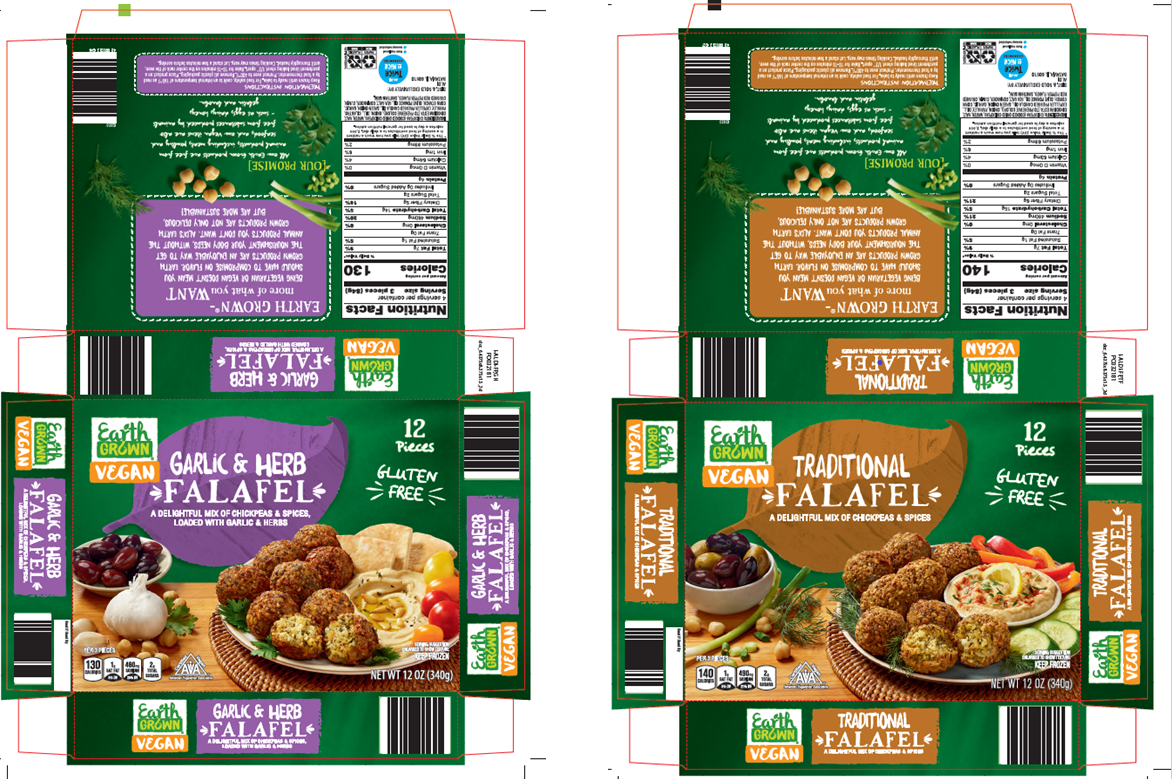
On October 6, 2022, the manufacturer of Earth Grown frozen falafel, Cuisine Innovations, initiated a voluntary recall. Recalled products include Earth Grown vegan traditional falafel and garlic & herb falafel distributed and sold exclusively by ALDI. Additional information on recalled products is available in the firm’s recall notice.

Recommendation

These items are no longer available for sale but were sold frozen and have a long shelf-life of 18 months, so consumers should check their freezers for any recalled Earth Grown vegan traditional falafel and garlic & herb falafel that was sold by ALDI. If you have recalled frozen falafel in your freezer, do not eat or serve them.


Product Images

Outbreak Investigation E.coli Frozen Falafel October 2022 - Sample Product Images

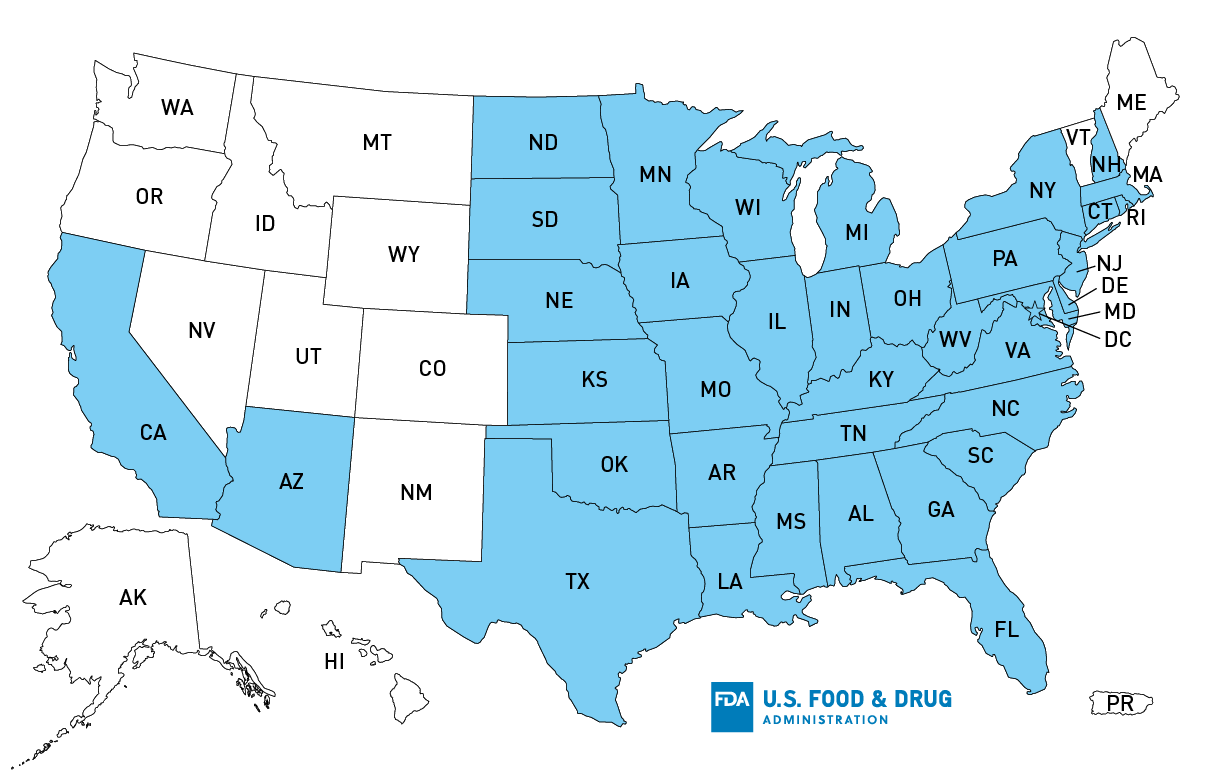
Map of U.S. Distribution

Outbreak Ecoli Falafel Distribution Map

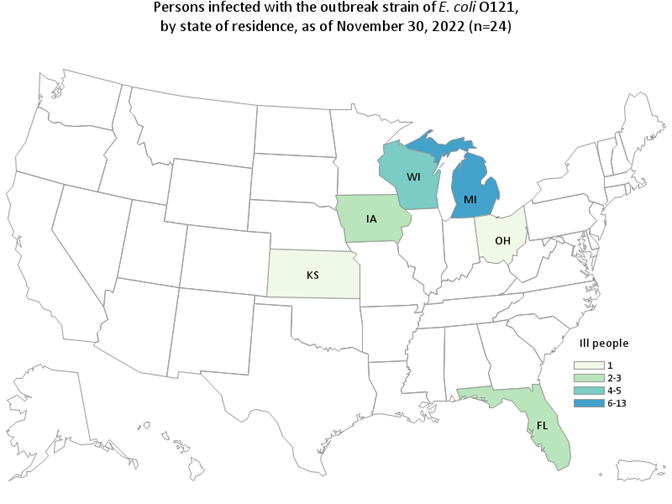
Case Count Map Provided by CDC

Outbreak Investigation of E. coli O121: Frozen Falafel (October 2022) - CDC Case Count Map as of December 1, 2022

Case Counts

Total Illnesses: 24
Hospitalizations: 5
Deaths: 1
Last illness onset: October 24, 2022
States with Cases: FL (2), IA (2), KS (1), MI (13), OH (1), WI (5)
Product Distribution: Nationwide

Hong Kong – CFS actively follows up on food poisoning clusters involving lava cake

CFS

kswfoodworld.com

The Centre for Food Safety (CFS) of the Food and Environmental Hygiene Department said today (November 29) that it is actively following up on four food poisoning clusters involving lava cake, including inspecting the restaurant concerned. A sample of lava cake collected from the restaurant was found to contain a pathogen, Group D Salmonella. The CFS is following up on the case.

“Upon notification by the Centre for Health Protection of the Department of Health earlier, the CFS immediately sent staff to the restaurant concerned in Tsim Sha Tsui to conduct investigation and take food and environmental samples for testing. The test result showed the presence of Salmonella in 25 grams of the lava cake sample, exceeding the criterion of the Microbiological Guidelines for Food which states that Salmonella should not be detected in 25g of a ready-to-eat food sample,” a CFS spokesman said.

The CFS has informed the restaurant concerned of the irregularity. The restaurant has already stopped selling and discarded the affected product according to the CFS’s advice. The CFS has also provided health education on food safety and hygiene to the person-in-charge and staff of the restaurant, and requested it to review and improve the food production process and carry out thorough cleaning and disinfection. Prosecution will be instituted should there be sufficient evidence.

According to section 54 of the Public Health and Municipal Services Ordinance (Cap.132), all food available for sale in Hong Kong, imported or locally produced, should be fit for human consumption. An offender is subject to a maximum fine of $50,000 and imprisonment for six months upon conviction.

“Salmonella infection may cause fever and gastrointestinal upset such as vomiting, abdominal pain and diarrhoea. The effects on infants, young children, the elderly and persons with a weak immune system could be more severe and may even lead to death,” the spokesman said.

The CFS will continue to follow up on the incident and take appropriate action to safeguard food safety and public health.

USA – Norovirus likely cause of 155 ill at Monical’s Pizza

Food Poison Journal

Norovirus Food Safety kswfoodworld

Monical’s Pizza at 6 Cherry Tree Shopping center in Washington, Illinois is currently closed due to an outbreak of an illness.

According to the Tazewell County Health Department, Monical’s was temporarily closed by the Illinois Department of Public Health (IDPH) due to an outbreak of a currently unknown foodborne illness. IDPH is currently working with the Tazewell County Health Department to identify the source.

155 people have currently reached out to the Tazewell County Health Department and reported symptoms of diarrhea and vomiting lasting 12 to 24 hours.

The health department is encouraging everyone to wash their hands and use hand sanitizer currently.

Anyone who ate at Monical’s since November 21st, and is experiencing symptoms, is encouraged to complete an online form.