Summary
Do not use, sell, serve or distribute the affected products.
Issue
Taylor Shellfish Canada ULC / Fanny Bay Oysters brand Oysters recalled due to Vibrio parahaemolyticus.
Do not use, sell, serve or distribute the affected products.
Taylor Shellfish Canada ULC / Fanny Bay Oysters brand Oysters recalled due to Vibrio parahaemolyticus.
Posted in CFIA, food contamination, food handler, Food Hazard, Food Hygiene, Food Inspections, Food Micro Blog, Food Microbiology, Food Microbiology Blog, Food Microbiology Testing, Food Pathogen, Food Quality, food recall, Food Safety, Food Safety Alert, Food Safety Management, Food Safety Regulations, Food Temperature Abuse, Food Testing, Vibrio, Vibrio parahaemolyticus

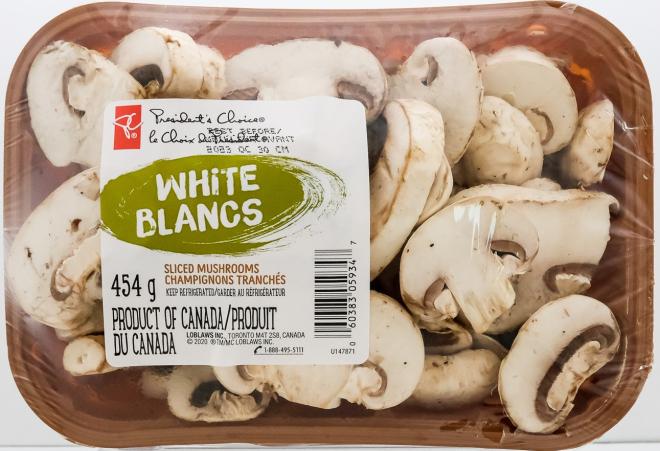
Do not consume, use, sell, serve or distribute recalled products.
The affected product is being recalled from the marketplace due to possible Listeria monocytogenes contamination.
Food contaminated with Listeria monocytogenes may not look or smell spoiled but can still make you sick. Symptoms can include vomiting, nausea, persistent fever, muscle aches, severe headache and neck stiffness. Pregnant women, the elderly and people with weakened immune systems are particularly at risk. Although infected pregnant women may experience only mild, flu-like symptoms, the infection can lead to premature delivery, infection of the newborn or even stillbirth. In severe cases of illness, people may die.
Posted in food contamination, food handler, Food Hazard, Food Hygiene, Food Inspections, Food Micro Blog, Food Microbiology, Food Microbiology Blog, Food Microbiology Testing, Food Pathogen, Food Quality, food recall, Food Safety, Food Safety Alert, Food Safety Management, Food Safety Regulations, Food Testing, Listeria, Listeria monocytogenes

| GTIN | Batch | |
|---|---|---|
| 1111111111116 | sold between 09/22/2023 and 10/31/2023 | |
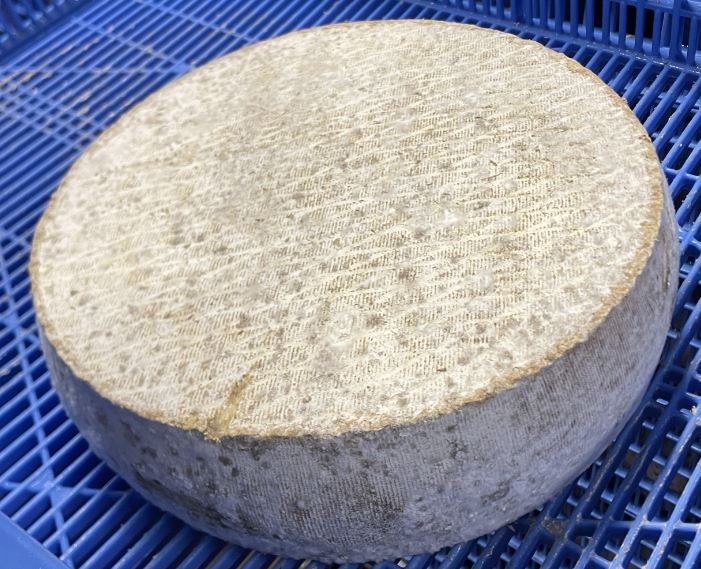
Posted in food contamination, food handler, Food Hazard, Food Hygiene, Food Inspections, Food Micro Blog, Food Microbiology, Food Microbiology Blog, Food Microbiology Testing, Food Pathogen, Food Quality, food recall, Food Safety, Food Safety Management, Food Safety Regulations, Food Testing, Listeria, Listeria in Cheese, Listeria monocytogenes, Raw Milk, raw milk cheese

| GTIN | Batch | Date |
|---|---|---|
| 8851035821007 | 66135 A. | Use-by date 05/15/2025 |
Posted in food contamination, food handler, Food Hazard, Food Hygiene, Food Inspections, Food Micro Blog, Food Microbiology, Food Microbiology Blog, Food Microbiology Research, Food Microbiology Testing, Food Pathogen, Food Quality, food recall, Food Safety, Food Safety Alert, Food Safety Management, Food Safety Regulations, Food Testing, Salmonella
The number of children who suffered a potentially fatal complication of E. coli infection in France reached a record high in 2022, influenced by the Nestlé pizza outbreak, according to statistics recently released.
Hemolytic uremic syndrome (HUS), which can be a complication of E. coli infection, is a type of kidney failure that can result in lifelong, serious health problems and death.
In the outbreak caused by frozen Buitoni Fraîch’Up pizzas, 59 patients had a median age of 6. They fell ill between January and April 2022. Two children died.
Record HUS high
The 253 HUS cases in 2022 are the most since surveillance began in 1996. In 2021, 128 cases were reported. Santé publique France surveillance data on HUS only covers those younger than 15.
The sharp increase in incidence was partly driven by several outbreaks, including the one large Nestlé incident, but was also because of a lot of sporadic cases.
Supermarkets in the United Kingdom have reported mixed Campylobacter in chicken results for the first two quarters of 2023.
The Food Standards Agency (FSA) maximum target level is up to 7 percent of birds with more than 1,000 colony-forming units per gram (CFU/g) of Campylobacter.
Data from the retailers covers the first half of 2023 on high findings of Campylobacter in fresh, shop-bought, UK-produced chickens.
Results at Morrisons, Asda, and Sainsbury’s went up while Marks and Spencer recorded lower levels. The percentage of positives varied by quarter at Waitrose and Lidl and stayed the same for Co-op.
Campylobacter is the most common cause of bacterial food poisoning in the UK, and the dose needed to make people sick can be as low as a few hundred cells.
Tesco has stopped publishing data as it has changed how it monitors the pathogen in chicken, so findings are not comparable with other retailers. Aldi has not updated its related webpage or provided the figures when asked to do so by Food Safety News.
Posted in Campylobacter, campylobacter coli, Campylobacter jejuni, Food Micro Blog, Food Microbiology, Food Microbiology Blog, Food Microbiology Research, Food Microbiology Testing, fsa, microbial contamination, Microbial growth, Microbial Spoilage, Microbiological Risk Assessment, Microbiology, Microbiology Investigations, Microbiology Risk, Retailer Campylobacter Survey
Recall from the FASFC
Product: “Maiz Morado” black corn from the América brand.
Problem: Too high fumonisin content.
The FASFC is withdrawing the product “Maiz Morado” from the América brand from sale and recalling it from consumers due to its high fumonisin content.
Please do not consume this product and return it to the point of sale where it was purchased.
Product Description
– Product name: Maiz Morado
– Brand: América
– Lot: 02.2022
– EAN code: 8436048721348
– Minimum durability date (MBD): 01/31/2024
– Weight: 500g

The product was distributed via various points of sale in Belgium, including:
– FOODMET, Quai de l’industrie 168, Brussels
– VIVA MARKET, Chaussée d’Alsemberg 46, Brussels
For any further information, you can contact the sales point AFSCA contact for consumers: 0800/13.550 or pointdecontact@afsca.be .
Posted in afsca, food contamination, food handler, Food Hazard, Food Hygiene, Food Inspections, Food Micro Blog, Food Microbiology, Food Microbiology Blog, Food Microbiology Testing, Food Poisoning, Food Quality, food recall, Food Safety, Food Safety Alert, Food Safety Management, Food Safety Regulations, Food Testing, Food Toxin, Fumomisins, mold, Mold Toxin, Mould/Mold, Mycotoxin

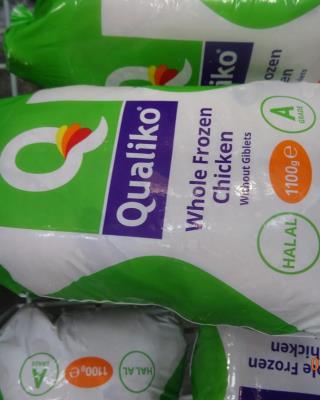
The presence of the pathogenic bacterium Salmonella Infantis , which can cause a disease called salmonellosis, was detected in the food .
SZPI has already informed about this product in a press release dated 07/12/2023. The Food Inspection Agency warns of frozen chicken products containing salmonella.
| Batch: | 19/05/2022 A |
| Best before date: | 18/11/2023 |
| Packaging: | food foil |
| Quantity of the product in the package: | 1.1 kg |
| Manufacturer: | Branch “Pererobniy Compleks” Of Limited Liability Company “Vinnytska Ptahofabryka” 2B, Khlibozavodska st., Ladyzhyn, Vinnyts´ka Oblast´, 24320, Ukraine |
| Country of origin: | Ukraine |
| Date of sample collection: | 6/7/2023 |
| Reference number: | 23-000732-SZPI-CZ |
Posted in food contamination, food handler, Food Hazard, Food Hygiene, Food Inspections, Food Micro Blog, Food Microbiology, Food Microbiology Blog, Food Microbiology Testing, Food Pathogen, Food Quality, food recall, Food Safety, Food Safety Alert, Food Safety Management, Food Safety Regulations, Food Testing, Potravinynapranyri, Salmonella, Salmonella in Chicken