E.Coli STEC in fermented raw milk in Belgium and France
Shiga-toxin producing E. coli, serotype O104, detected in frozen dry-aged minced beef from Poland in Lithuania

E.Coli STEC in fermented raw milk in Belgium and France
Shiga-toxin producing E. coli, serotype O104, detected in frozen dry-aged minced beef from Poland in Lithuania
Posted in E.coli O104, food contamination, food handler, Food Hazard, Food Hygiene, Food Inspections, Food Micro Blog, Food Microbiology, Food Microbiology Blog, Food Microbiology Testing, Food Pathogen, Food Quality, food recall, Food Safety, Food Safety Alert, Food Safety Management, Food Safety Regulations, Food Temperature Abuse, Food Testing, Food Toxin, RASFF, STEC, STEC E.coli
Listeria and E. coli have been found during testing of unpasteurized, raw milk from farms in Germany.
From 2020 to 2022, the Chemical and Veterinary Investigation Office (CVUA) in Stuttgart tested 54 raw milk samples from vending machines for a range of agents.
Parameters examined included somatic cell count, total germ count, spoilage organisms, hygiene indicator germs such as Enterobacteriaceae and E. coli, and pathogens like Salmonella, Listeria, Campylobacter, and Shiga toxin-producing E. coli (STEC).
The sale of raw milk is mostly prohibited but it can be sold directly on the farm via self-service vending machines. The producers should put up notices telling the consumers to boil raw milk before consumption.
Some findings were positive as 30 samples were compliant but 24 had issues. Results highlight the importance of regular cleaning of milking machines, pipes, and tanks at dairy farms, said scientists. Insufficient cooling can also lead to contamination of raw milk.
Posted in Campylobacter, Decontamination Microbial, E.coli, Food Micro Blog, Food Microbiology, Food Microbiology Blog, Food Microbiology Research, Food Microbiology Testing, Listeria, Listeria monocytogenes, microbial contamination, Microbial growth, Microbiological Risk Assessment, Microbiology, Microbiology Investigations, Microbiology Risk, Raw Milk, raw milk cheese, Raw Milk Cream, Research, Salmonella, STEC, STEC E.coli
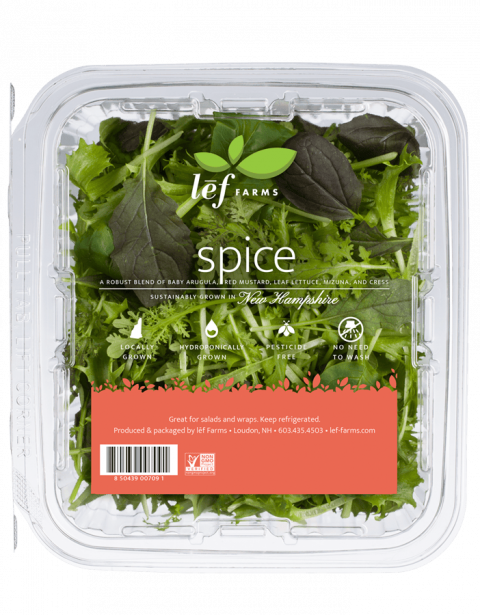
lēf Farms of Loudon, N.H. is voluntarily recalling a single lot of the lēf Farms “Spice” Packaged Salad Greens (“best by” date 5/5/23, lot number SP10723- 1RGH1, UPC 8 50439 00709 1) produced in its Loudon, New Hampshire greenhouse because they have the potential to be contaminated with Escherichia coli 0157:H7 (E. coli) bacteria. According to the Food and Drug Administration (FDA), E. coli causes a diarrheal illness often with bloody stools. Although most healthy adults can recover completely within a week, some people can develop a form of kidney failure called Hemolytic Uremic Syndrome (HUS). HUS is most likely to occur in young children and the elderly. The condition can lead to serious kidney damage and even death.
The product comes in a 4- oz, clear, plastic clamshell container. Information about the “best by” date, lot number and UPC can be found at the bottom of the package. Pictures to assist customers in identifying the recalled products are found at the end of this announcement.
No illnesses have been reported to date. The recall was initiated when the New Hampshire Department of Agriculture received a positive test result for E. coli 0157:H7 in a single package of lēf Farms “Spice” Packaged Salad Greens (4 oz) as part of routine testing.
lēf Farms “Spice” is the only product impacted to date and affected retailers include Hannaford and Market Basket in Maine, Massachusetts, New Hampshire, New York, Rhode Island and Vermont.
In addition to today’s voluntary recall, the company is proactively testing all products produced in its New Hampshire facility for E. coli 0157:H7 prior to distribution.
Retailers have been instructed to remove all recalled products from store shelves. Consumers who have purchased the affected lēf Farms “Spice” products should discard them or present a photo of the product or receipt to their place of purchase for a full refund and then discard.
Consumers with questions are encouraged to call 1-866-857-8745 between 8:00am-7:00pm EDT or email info@lef-farms.com with the subject line: Recall.
Posted in E.coli O157, E.coli O157:H7, FDA, food contamination, food handler, Food Hazard, Food Hygiene, Food Inspections, Food Micro Blog, Food Microbiology, Food Microbiology Blog, Food Microbiology Testing, Food Pathogen, Food Quality, food recall, Food Safety, Food Safety Alert, Food Safety Management, Food Safety Regulations, Food Temperature Abuse, Food Testing, STEC, STEC E.coli
Shigatoxin-producing Escherichia coli (STEC) in frozen veal meat from the Netherlands in Germany
E.Coli producing shigatoxin : O91 ( stx2) in beef meat from Argentina in Italy
Posted in food contamination, food handler, Food Hazard, Food Hygiene, Food Inspections, Food Micro Blog, Food Microbiology, Food Microbiology Blog, Food Microbiology Testing, Food Pathogen, Food Poisoning, Food Quality, food recall, Food Safety, Food Safety Alert, Food Safety Management, Food Safety Regulations, Food Testing, Food Toxin, O91, RASFF, STEC, STEC E.coli
A new report describes how raw, unpasteurized milk in Tennessee likely caused infections in people, including infants, one of whom developed kidney failure.
The report from the Center for Infectious Disease Research & Policy (CIDRAP) discusses two babies who developed E. Coli infections after being fed raw milk from a cow-sharing arrangement in Tennessee.
Often called “herd-shares,” such arrangements get around bans on raw milk sales by legally allowing people to buy part of a herd or of a single animal so that they can consume unpasteurized milk. Participants in herd-share operations pay a farmer to care for and milk the animals.
The babies discussed in the new CIDRAP report developed diarrhea between July 25 and Aug. 1, 2022. Testing revealed Shiga toxin-producing E. coli (STEC). Both households received raw milk from participants in the same cow share. The baby who developed kidney failure (hemolytic uremic syndrome) was hospitalized for 27 days.
Posted in Bacterial Toxin, Decontamination Microbial, Food Illness, Food Micro Blog, Food Microbiology, Food Microbiology Blog, Food Microbiology Research, Food Microbiology Testing, Foodborne Illness, HUS, Illness, microbial contamination, Microbial growth, Microbiological Risk Assessment, Microbiology, Microbiology Investigations, Microbiology Risk, Raw Milk, STEC, STEC E.coli
The BEAM (Bacteria, Enterics, Amoeba, and Mycotics) Dashboard is an interactive tool to access and visualize data from the System for Enteric Disease Response, Investigation, and Coordination (SEDRIC). The BEAM Dashboard provides timely data on pathogen trends and serotype details to inform work to prevent illnesses from food and animal contact. Currently, the dashboard focuses on data for Salmonella, Shiga toxin-producing E. coli (STEC), Shigella and Campylobacter bacteria and multistate outbreaks, but it will eventually include additional pathogens, antimicrobial resistance data, and epidemiologic data from outbreak investigations.
Frequently Asked Questions (FAQ)
For additional questions, please contact simso@cdc.gov. Please take BEAM Dashboard Evaluation Survey if you would like to provide any feedback or have any comments.
Posted in Campylobacter, Food Micro Blog, Food Microbiology, Food Microbiology Blog, Food Microbiology Research, Food Microbiology Testing, microbial contamination, Microbial growth, Microbiological Risk Assessment, Microbiology, Microbiology Investigations, Microbiology Risk, Salmonella, Shigella, STEC, STEC E.coli
STEC (stx+;eae+) in bovine meat (raw material) from the Netherlands in Belgium
Posted in eae, food contamination, food handler, Food Hazard, Food Hygiene, Food Inspections, Food Micro Blog, Food Microbiology, Food Microbiology Blog, Food Microbiology Testing, Food Pathogen, Food Quality, food recall, Food Safety, Food Safety Alert, Food Safety Management, Food Safety Regulations, Food Testing, Food Toxin, RASFF, STEC, STEC E.coli, STX 1, STX 2
Posted in Brucella melitensis, Brucellosis, Decontamination Microbial, Food Micro Blog, Food Microbiology, Food Microbiology Blog, Food Microbiology Research, Food Microbiology Testing, Food Pathogen, Listeria, Listeria monocytogenes, microbial contamination, Microbial growth, Microbiological Risk Assessment, Microbiology, Microbiology Investigations, Microbiology Risk, Mycobacterium, Pathogen, pathogenic, STEC, STEC E.coli, Yersinia, Zoonosis
Posted in food contamination, food handler, Food Hazard, Food Hygiene, Food Inspections, Food Micro Blog, Food Microbiology, Food Microbiology Blog, Food Microbiology Testing, Food Pathogen, Food Poisoning, Food Quality, food recall, Food Safety, Food Safety Alert, Food Safety Management, Food Safety Regulations, food safety training, Food Testing, Food Toxin, NVWA, STEC, STEC E.coli
Nestlé has agreed to a settlement with victims of a fatal E. coli outbreak last year.
Dozens of children fell sick after eating contaminated food – and two died. In April last year, the Paris prosecutor’s office opened an investigation into alleged involuntary manslaughter. Health officials ordered production at the Caudry factory to cease five days later.
The company told Just Food today (18 April) it had settled with “the vast majority of claimants”, who are represented by lawyer Pierre Debuisson
Posted in Death, E.coli, food bourne outbreak, food death, Food Illness, Food Micro Blog, Food Microbiology, Food Microbiology Blog, Food Microbiology Research, Food Microbiology Testing, Food Poisoning Death, Foodborne Illness, Foodborne Illness Death, foodborne outbreak, foodbourne outbreak, Illness, microbial contamination, Microbial growth, Microbiological Risk Assessment, Microbiology, Microbiology Investigations, Microbiology Risk, outbreak, STEC, STEC E.coli


