Category Archives: STEC

Research – Norwegian raw cow`s milk, a potential source of zoonotic pathogens?

NMBU

The worldwide emerging trend of eating “natural” foods, that has not been processed, also applies for beverages. According to Norwegian legislation, all milk must be pasteurized before commercial sale but drinking milk that has not been heat-treated, is gaining increasing popularity.
Scientist are warning against this trend and highlights the risk of contracting disease from milk-borne microorganisms. To examine potential risks associated with drinking unpasteurized milk in Norway, milk-and environmental samples were collected from dairy farms located in south-east of Norway. The samples were analyzed for the presence of specific zoonotic pathogens; Listeria monocytogenes, Campylobacter spp., and Shiga toxin-producing Escherichia coli(STEC).
Cattle are known to be healthy carriers of these pathogens, and Campylobacter spp. and STEC have a low infectious dose, meaning that infection can be established by ingesting a low number of bacterial cells. L. monocytogenes causes one of the most severe foodborne zoonotic diseases, listeriosis, that has a high fatality rate. All three pathogens have caused milk borne disease outbreaks all over the world, also in Norway. During this work, we observed that the prevalence of the three examined bacteria were high in the environment at the examined farms. In addition, 7% of the milk filters were contaminated by STEC, 13% by L. monocytogenes and 4% by Campylobacter spp. Four of the STEC isolates detected were eae-positive, which is associated with the capability to cause severe human disease. One of the eae-positive STEC isolates were collected from a milk filter, which strongly indicate that Norwegian raw milk may contain potential pathogenic STEC.
To further assess the possibilities of getting ill by STEC after consuming raw milk, we examined the growth of the four eae-positive STEC isolates in raw milk at different temperatures. All four isolates seemed to have ability to multiply in raw milk at8°C, and one isolate had significant growth after 72 hours. Incubation at 6°C seemed to reduce the number of bacteria during the first 24 hours before cell death stopped.
These findings highlight the importance of stable refrigerator temperatures, preferable <4°C,for storage of raw milk. The L. monocytogenes isolates collected during this study show genetic similarities to isolates collected from urban and rural environmental locations, but different clones were predominant in agricultural environments compared to clinical and food environments. However ,the results indicate that the same clone can persist in a farm over time, and that milk can be contaminated by L. monocytogenes clones present in farm environment.
Despite testing small volumes(25mL) of milk, we were able to isolate both STEC and Campylobacter spp. directly from raw milk. A proportion of 3% of the bulk tank milk and teat milk samples were contaminated by Campylobacter spp. and one STEC was isolated from bulk tank milk. L monocytogenes was not detected in bulk tank milk, nor in teat milk samples. The agricultural evolvement during the past decades have led to larger production units and new food safety challenges.
Dairy cattle production in Norway is in a current transition from tie-stall housing with conventional pipeline milking systems, to modern loose housing systems with robotic milking. The occurrence of the three pathogens in this project were higher in samples collected from farms with loose housing compared to those with tie-stall housing. Pasteurization of cow’s milk is a risk reducing procedure to protect consumers from microbial pathogens and in most EU countries, commercial distribution of unpasteurized milk is legally restricted. Together, the results presented in this thesis show that the animal housing may influence the level of pathogenic bacteria in the raw milk and that ingestion of Norwegian raw cow’s milk may expose consumers to pathogenic bacteria which can cause severe disease, especially in children, elderly and in persons with underlying diseases. The results also highlight the importance of storing raw milk at low temperatures between milking and consumption.
Research – Enterohemorrhagic Escherichia coli O157:H7 — Xuzhou City, Jiangsu Province, China, 2001–2021

China CDC

  • Summary

    What is already known about this topic?The largest and longest outbreak of diarrhea, which was complicated with hemolytic uremic syndrome (HUS) caused by enterohemorrhagic Escherichia coli (EHEC) O157:H7, occurred in Xuzhou City and its adjacent areas from 1999 to 2000 in China.

    What is added by this report?According to surveillance results from 2001 to 2021, there was a significant decrease in the isolation rate of O157:H7, and cattle and sheep remained the primary hosts. However, non-Shiga toxin-producing O157:H7 emerged as the dominant strain, with stx2+stx1– strains following closely behind.

    What are the implications for public health practice?National surveillance of O157:H7 effectively serves as an early warning system and guidance for assessing the intensity and trend of disease epidemics. It is crucial to raise awareness of the public health risks associated with Shiga toxin-producing E. coli.

Research – Classification and ranking of shigatoxin-producing Escherichia coli (STEC) genotypes detected in food based on potential public health impact using clinical data

Science Direct

Abstract

Risk classification and management of shigatoxin-producing E. coli (STEC) isolated from food has been hampered by gaps in knowledge about the properties that determine the extent to which different subtypes of STEC can cause severe disease. Data on the proportion of infected human cases being affected by severe illness enables an evaluation of existing approaches for classifying STEC strains and the development of a new public health based approach. Evaluations show that existing approaches do not unequivocally classify different STEC variants according to their ability to cause severe disease. A new approach for ranking of STEC genotypes, combining the estimated probability of the strain to cause severe illness with the public health burden associated with the illness in terms of DALY per case, address these limitations. The result is a list of STEC genotypes in descending order of potential public health burden per case. The approach is risk based in considering the probability and consequences following infection (severe illness), and can support transparent risk management. This is illustrated by, arbitrarily, separating the ranked list of genotypes into classes based on the potential public health burden, and by characterising collections of strains isolated from different foods into different classes. Further, the classification of food samples as satisfactory or not based on the cost in terms of proportion of food being rejected and the benefit in terms of the proportion of strains causing severe illness (HUS) that are being captured is demonstrated using this approach.

RASFF Alert -STEC E.coli – Minced Meat

RASFF

STEC (stx+;eae+) in minced meat from Belgium in France and the Netherlands

Netherlands – Safety warning Hema fricandeau -E.coli O157

NVWA

Hema warns against the Hema fricandeau. E-Coli O157 was found in the Hema fricandeau. Contamination with this bacteria can cause stomach and intestinal complaints. Do not eat the product!

See the Hema website.

Which product is this?

  • Hema fricandeau
  • Item number: 27906111
  • Sales period: March 31, 2023 – April 7, 2023

Yours sincerely

The Dutch Food and Consumer Product Safety Authority

RASFF Alerts – STEC E.coli – Fresh Tarragon – American Fillet – Goat Cheese

RASFF

STEC STX 1 and eae, E coli in tarragon fresh from Israel in the Netherlands and Poland

RASFF

STEC in fillet american from Belgium in the Netherlands

RASFF

Detection of shigatoxin producing E. coli in goat cheese from France in Belgium

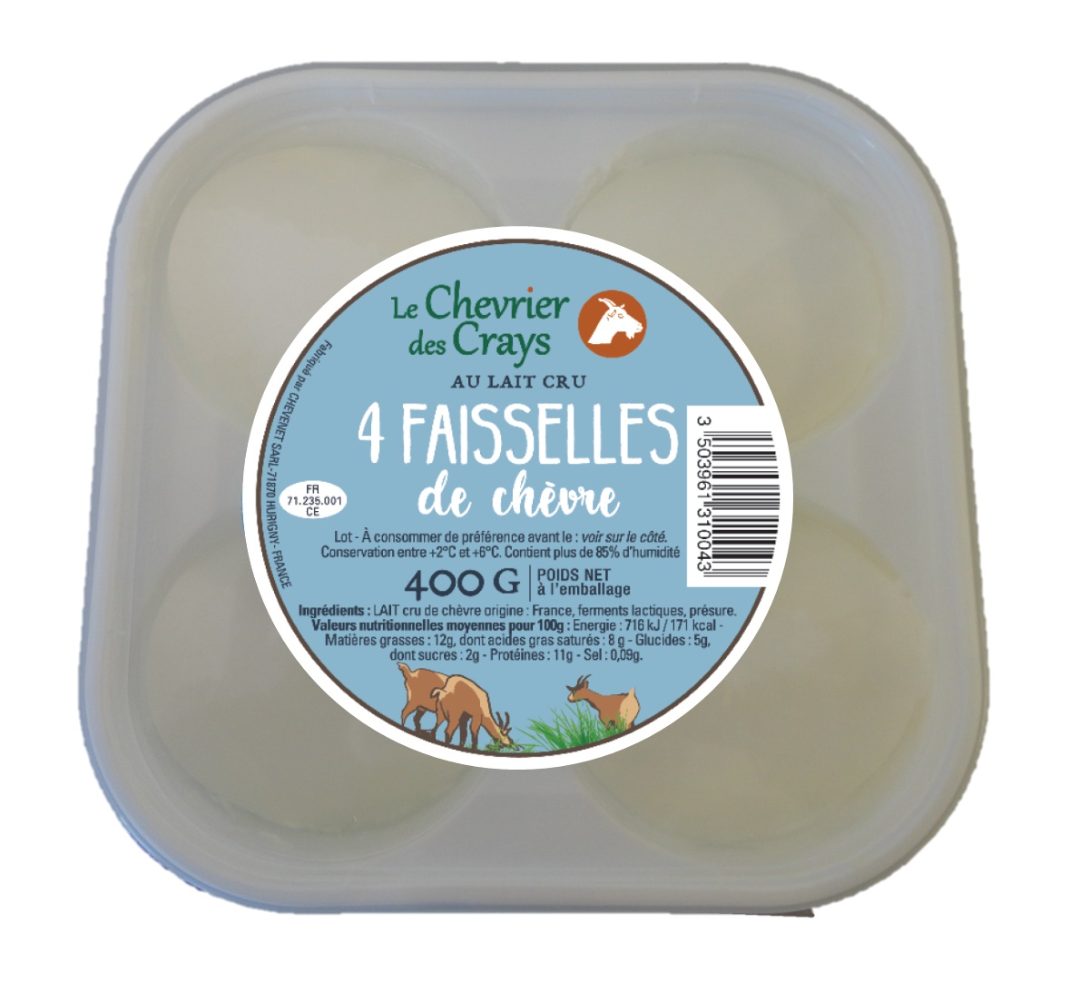
France – GOAT’S CHEESE – STEC E.coli

Gov france

Identification information of the recalled product

  • Product category Feed
  • Product subcategory Milk and dairy products
  • Product brand name Crays goatherd
  • Model names or references FAISSELLE by 4
  • Identification of products
    GTIN Batch Date
    3503961310043 051 Date of minimum durability 03/21/2023
  • Packaging box of 4
  • Marketing start/end date From 02/23/2023 to 03/01/2023
  • Storage temperature Product to be stored in the refrigerator
  • Health mark EN.71235001.CE
  • Further information Fresh goat cheese made from raw milk
  • Geographic area of ​​sale Regions: Auvergne-Rhône-Alpes, , Bourgogne-Franche-Comté
  • Distributors List attached
  • List of points of sale List_of_distributors_Faisselles.pdf

Practical information regarding the recall

  • Reason for recall Sanitary problem
  • Risks incurred by the consumer Toxigenic Shiga Escherichia coli (STEC)

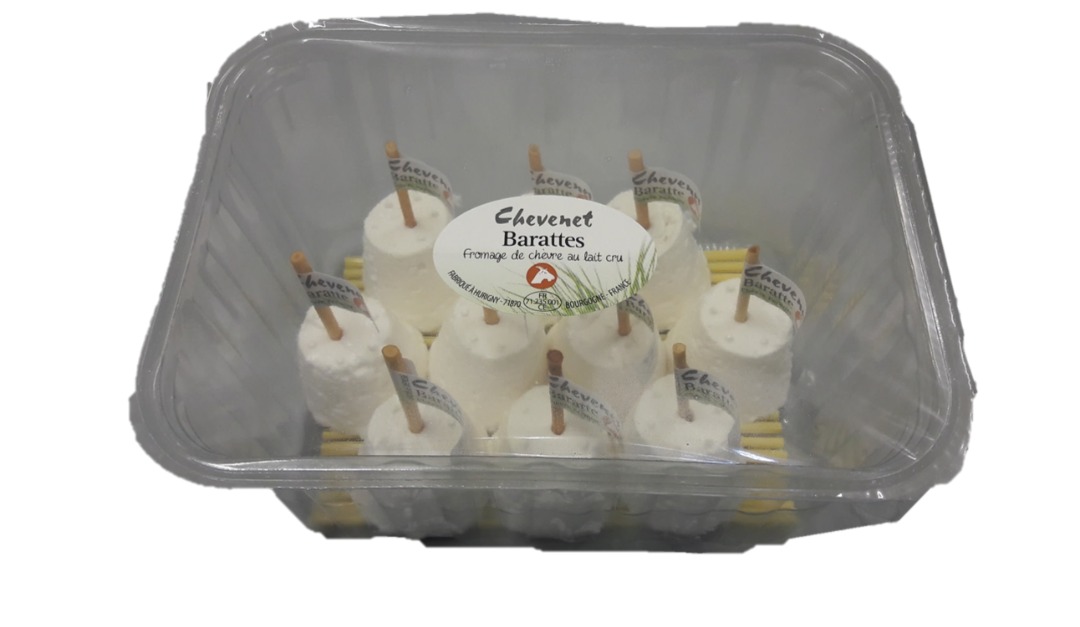
France – FRESH GOAT CHEESE – STEC E.coli

Gov france

Identification information of the recalled product

  • Product category Feed
  • Product subcategory Milk and dairy products
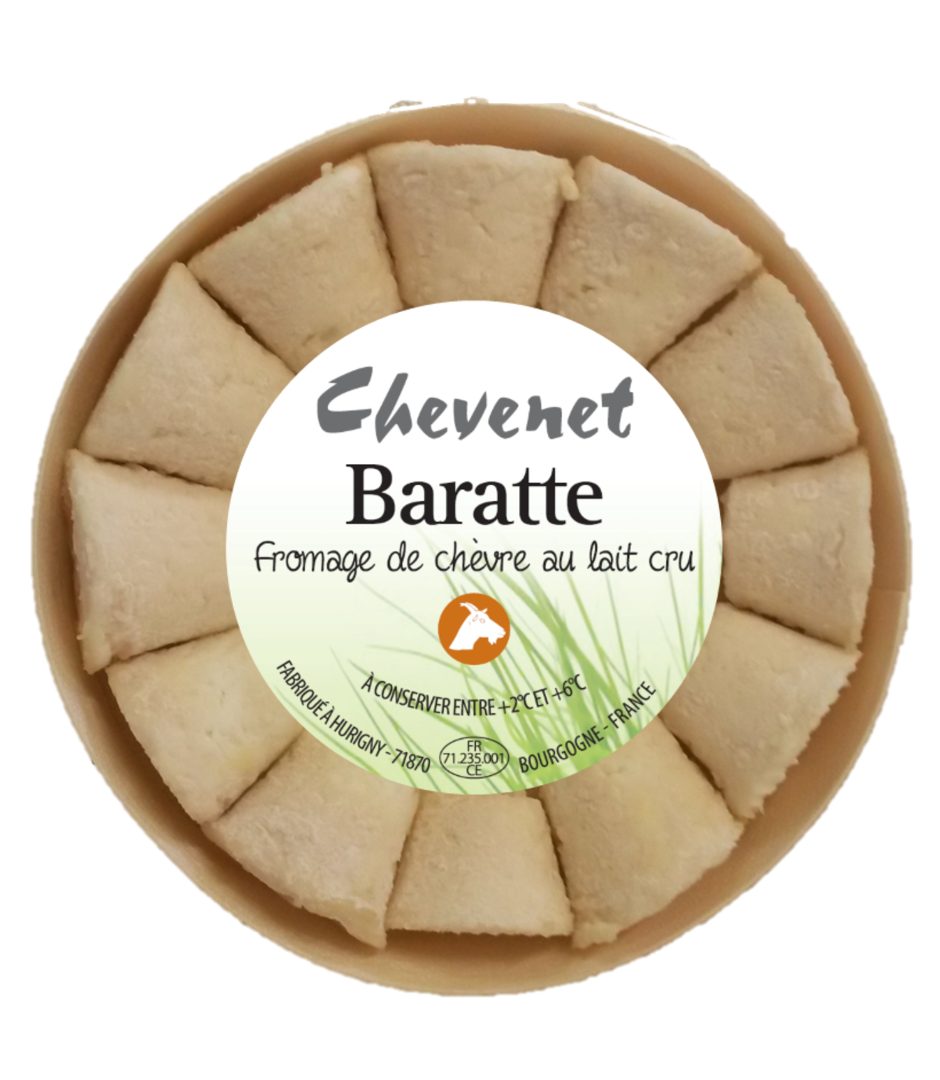
  • Product brand name CHEVENET
  • Model names or references CHURNS
  • Identification of products
    GTIN Batch Date
    3503961017027 052 Date of minimum durability 03/21/2023
    3503961017027 052 Date of minimum durability 03/28/2023
  • Packaging plastic tray or bare product in traditional network
  • Marketing start/end date From 02/21/2023 to 03/03/2023
  • Storage temperature Product to be stored in the refrigerator
  • Health mark FR-71-235-001-CE
  • Further information Fresh goat cheese made from raw milk
  • Geographic area of ​​sale Departments: COTE-D’OR (21), RHONE (69), SAONE-ET-LOIRE (71)
  • Distributors List attached
  • List of points of sale List_of_distributors_BARATTES_FRAICHES.pdf

Practical information regarding the recall

  • Reason for recall Recall information for health reasons
  • Risks incurred by the consumer Toxigenic Shiga Escherichia coli (STEC)

France – DRY GOAT CHEESE – STEC E.coli

Gov france

Identification information of the recalled product

  • Product category Feed
  • Product subcategory Milk and dairy products
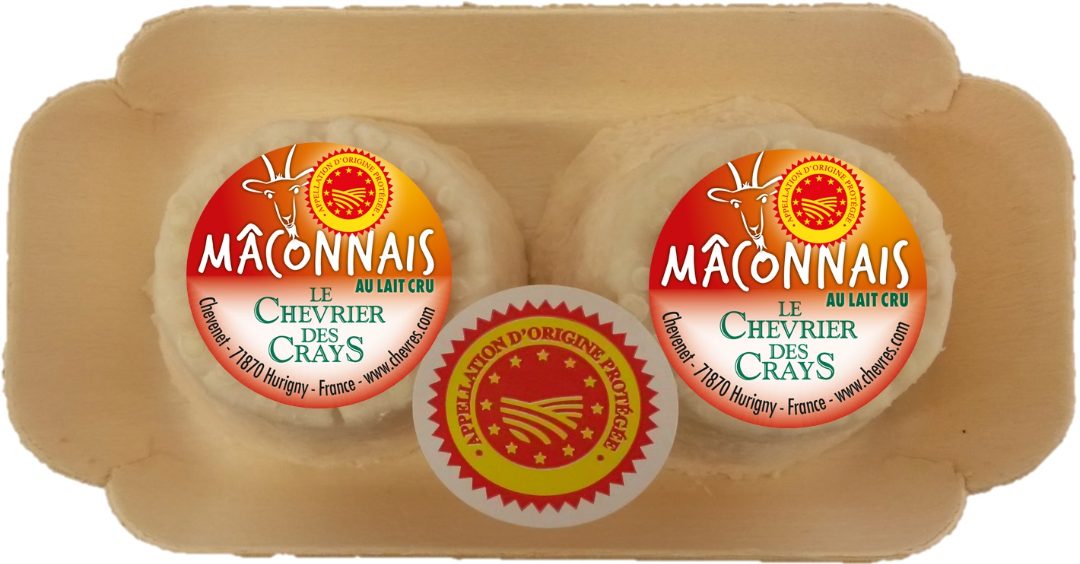
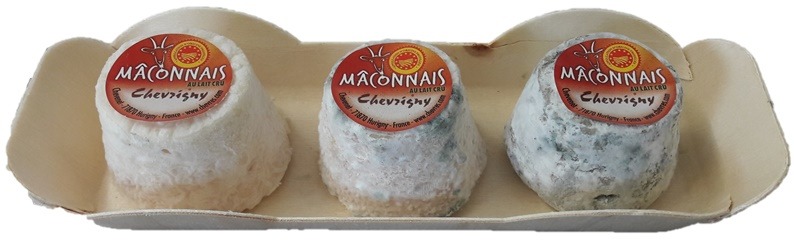
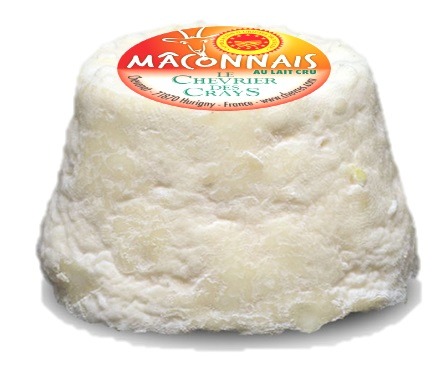
  • Product brand name CHEVRIER des CRAYS – CHEVRIGNY
  • Model names or references Maconnais
  • Identification of products
    GTIN Batch Date
    3503962313005 061 Date of minimum durability 04/17/2023
    3503960021506 062 Date of minimum durability 04/24/2023
    3503961324156 067 Date of minimum durability 04/24/2023
    3503962316082 062 Date of minimum durability 04/17/2023
    3503962322427 061 Date of minimum durability 04/17/2023
    3503963156007 061 Date of minimum durability 04/17/2023
  • Packaging wooden tray
  • Marketing start/end date From 03/03/2023 to 10/03/2023
  • Storage temperature Product to be stored in the refrigerator
  • Health markFR-71-235-001-CE
  • Further information Mâconnais goat cheese
  • Geographic area of ​​sale Regions: Auvergne-Rhône-Alpes, , Burgundy-Franche-Comté, , Centre-Val de Loire, , Grand-Est, , Hauts-de-France, , Île-de-France, , New-Aquitaine, , Occitanie, , Provence-Alpes-Côte d’Azur
  • Distributors Attached List
  • List of points of sale List_of_Maconnais_distributors.pdf

Practical information regarding the recall

  • Reason for recall Recall for health reasons
  • Risks incurred by the consumer Toxigenic Shiga Escherichia coli (STEC)

France – DRY GOAT CHEESE – STEC E.coli

Gov france

Identification information of the recalled product

  • Product category Feed
  • Product subcategory Milk and dairy products
  • Product brand name CHEVENET
  • Model names or references Churns
  • Identification of products
    GTIN Batch Date
    3503962014100 067 Date of minimum durability 04/24/2023
    3503962014209 066 Date of minimum durability 04/24/2023
    3503963014109 082 Date of minimum durability 08/05/2023
  • Packaging wooden box
  • Marketing start/end date From 08/03/2023 to 24/03/2023
  • Storage temperature Product to be stored in the refrigerator
  • Health mark FR-71-235-001-CE
  • Further information Dry goat cheese
  • Geographic area of ​​sale Lyon 69 – Beaune 21
  • Distributors List attached
  • List of points of sale List_churns_2_and_3_230403.pdf

Practical information regarding the recall

  • Reason for recall Recall for health reasons
  • Risks incurred by the consumer Toxigenic Shiga Escherichia coli (STEC)