Archives
-
Join 346 other subscribers
KSWFoodWorld
Blog Stats
- 452,933 Views
Category Archives: Food Toxin
Singapore – Downgrading of food stall, Al Habib Indian Muslim Food (Block 312A Sumang Link, #01-05 Punggol Parcvista Singapore 821312), due to food poisoning incident
18 persons were reported to have gastroenteritis symptoms after consuming food prepared at Al Habib Indian Muslim Food on 23 January 2021. None of them were hospitalised.
A joint inspection by the Ministry of Health and the Singapore Food Agency (SFA) was conducted at the food stall on 26 January 2021. Several hygiene lapses were identified during the inspection and SFA is taking enforcement action against the licensee for these lapses.
SFA has adjusted the restaurant’s food hygiene grade from “B” to “C” with effect from 30 July 2021, to be reviewed in 12 months. The premises will also be kept under surveillance.
Food operators are reminded to adhere to good food hygiene and safety processes. Good hygiene practices such as the washing of hands before handling food can greatly reduce the incidence of gastroenteritis when adopted by all key stakeholders, including the industry and public.
The information provided on this website should not be used as basis for any legal proceedings. Neither SFA nor any of its employees involved in the supply of the above information shall be liable for any loss or damage suffered by any member of the public by reason of any error or omission of whatever nature appearing therein or however caused.
USA – Oysters and Vibriosis
What You Need to Know
- Eating raw oysters and other undercooked seafood can put you at risk for infections, such as vibriosis.
- Vibriosis is caused by some kinds of Vibrio bacteria.
- Most Vibrio infections happen during warmer months, but they can happen anytime.
- An oyster that contains Vibrio doesn’t look, smell, or taste different from any other oyster.
- A way to kill Vibrio in oysters is to cook them properly.
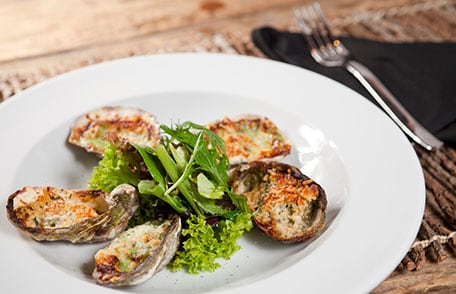
Many people enjoy eating raw oysters, and raw oyster bars are growing in popularity. But eating raw or undercooked oysters and other shellfish can put you at risk for foodborne illness.
Learn about vibriosis, an illness caused by infection with certain kinds of Vibrio bacteria, and steps you can take to protect your health when it comes to oysters and other shellfish.
Vibrio bacteria naturally inhabit coastal waters where oysters live. Because oysters feed by filtering water, Vibrio and other harmful bacteria and viruses can concentrate in their tissues. When someone eats raw or undercooked oysters, germs that might be in the oyster can cause illness.
CDC estimates that about 80,000 people get vibriosis—and 100 people die from it—in the United States every year. Most of these illnesses happen from May through October when water temperatures are warmer. However, you can get sick from eating raw or undercooked oysters during any month of the year, and raw oysters from typically colder waters also can cause vibriosis.
An oyster that contains harmful bacteria doesn’t look, smell, or even taste different from any other oyster. You can kill Vibrio in oysters and certain other shellfish, such as mussels and clams, by cooking them properly.
What are the symptoms of vibriosis?
Most Vibrio infections from oysters, such as Vibrio parahaemolyticus infection, result in mild illness, including diarrhea and vomiting. However, people with a Vibrio vulnificus infection can get very sick. As many as 1 in 5 people with a Vibrio vulnificus infection die. This is because Vibrio vulnificus infection can lead to bloodstream infections, severe blistering skin lesions, and limb amputations.
If you develop symptoms of vibriosis, tell your medical provider if you recently ate or touched raw oysters or other raw shellfish or came into contact with salt water or brackish water. Brackish water is a mixture of salt water and fresh water. It is often found where rivers meet the sea.
Who is more likely to get vibriosis?
Anyone can get vibriosis, but you may be more likely to get an infection or severe illness if you:
- Have liver disease, cancer, diabetes, HIV, or the blood disorder thalassemia
- Receive immune-suppressing therapy for the treatment of disease
- Take medicine to lower stomach acid levels
- Have had recent stomach surgery
- Are 65 years or older
How do people get vibriosis?
Most people become infected by eating raw or undercooked shellfish, particularly oysters. Other people become infected by:
- Getting brackish or salt water in a wound, such as when they’re swimming, wading, or fishing.
- Cutting themselves on an item, such as a rock or pier, that has come into contact with brackish or salt water.
- Getting raw seafood juices or drippings in a wound.
How can I stay safe?
Follow these tips to reduce your chances of getting an infection when eating or touching shellfish and other seafood:
- Don’t eat raw or undercooked oysters or other shellfish. Fully cook them before eating, and only order fully cooked oysters at restaurants. Hot sauce and lemon juice don’t kill Vibrio bacteria and neither does alcohol.
- Some oysters are treated for safety after they are harvested. This treatment can reduce levels of vibriosis in the oyster, but it does not remove all harmful germs. People who are more likely to get vibriosis should not eat any raw or undercooked oysters.
- Separate cooked seafood from raw seafood and its juices to avoid cross contaminationexternal icon.
- Wash your hands with soap and water after handling raw seafood.
- Stay out of salt water or brackish water if you have a wound (including from a recent surgery, piercing, or tattoo).
- Cover any wounds if they could touch raw seafood or raw seafood juices, or if you might come into contact with brackish or salt water.
- Wash open wounds and cuts thoroughly with soap and water if they contacted salt water or brackish water or raw seafood or raw seafood juices or drippings.
What are tips for cooking shellfish?
Before cooking, discard any shellfish with open shells.
For shellfish in the shell, either:
- Boil until the shells open and continue boiling another 3-5 minutes, or
- Add to a steamer when water is already steaming and cook for another 4–9 minutes.
Only eat shellfish that open during cooking. Throw out any shellfish that do not open fully after cooking.
For shucked oysters, either:
- Boil for at least 3 minutes,
- Fry in oil for at least 3 minutes at 375°F,
- Broil 3 inches from heat for 3 minutes, or
- Bake at 450°F for 10 minutes.
Posted in food contamination, Food Hazard, Food Hygiene, Food Inspections, Food Micro Blog, Food Microbiology, Food Microbiology Blog, Food Microbiology Research, Food Microbiology Testing, Food Pathogen, Food Poisoning, Food Safety, Food Testing, Food Toxin, microbial contamination, Microbiological Risk Assessment, Microbiology, Microbiology Investigations, Research, Vibrio, vibrio cholerae, Vibrio parahaemolyticus, Vibrio vulnificans, Vibrio vulnificus
USA- Sunshine Mills, Inc. Issues Voluntary Recall of Certain Products Due to Potentially Elevated Levels of Aflatoxin
Company Announcement
Sunshine Mills, Inc. is issuing a voluntary recall of certain products due to potentially elevated levels of Aflatoxin above the acceptable limit. Aflatoxin is a naturally occurring by-product from the growth of Aspergillus flavus and can be harmful to pets if consumed in significant quantities. No illnesses have been reported in association with these products to date, and no other Sunshine Mills, Inc. pet food products are affected by this announcement.
Products affected by this announcement:
| Product Name | Size | Lot Codes | UPC Code |
|---|---|---|---|
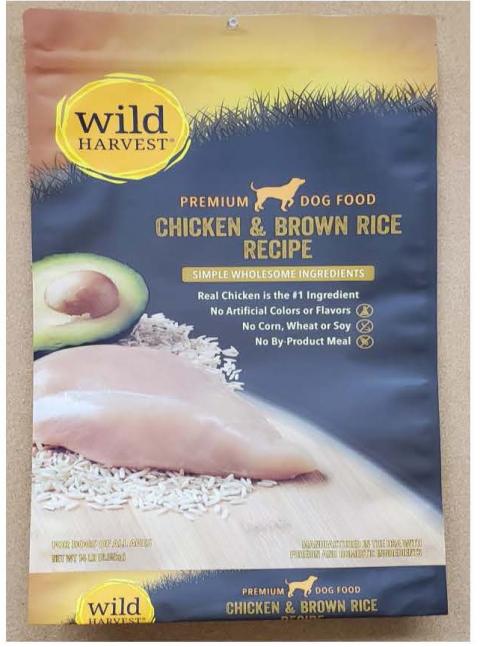
| TRIUMPH® WILD SPIRIT CRAFT DOG FOOD DEBONED CHICKEN & BROWN RICE RECIPE |
3.5 lbs. | Best if used By 11 Feb 2022 Lot: TD2 11/Feb/2021 |
073657 008736 |
| TRIUMPH® WILD SPIRIT CRAFT DOG FOOD DEBONED CHICKEN & BROWN RICE RECIPE |
30 lbs. | Best if used By 11 Feb 2022 Lot: TA2 11/Feb/2021 |
073657 008750 |
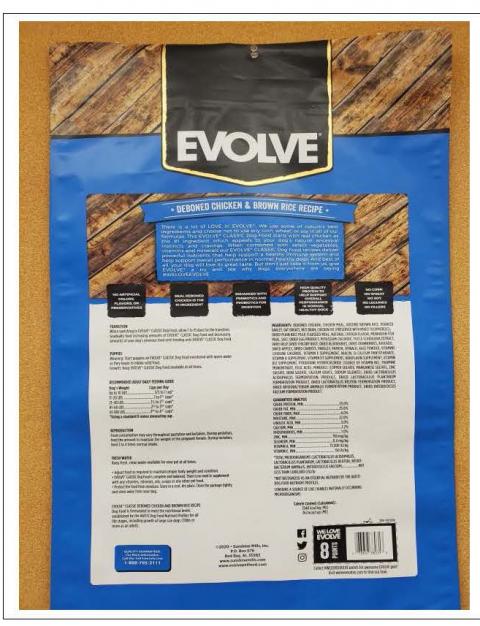
| EVOLVE® CLASSIC SUPER PREMIUM FOOD FOR DOGS DEBONED CHICKEN & BROWN RICE RECIPE |
15 lbs. | Best if used By 11 Feb 2022 Lot: TA1 11/Feb/2021 |
073657 380320 |
| Best if used By 11 Feb 2022 Lot: TA2 11/Feb/2021 |
|||
| WILD HARVEST® PREMIUM DOG FOOD CHICKEN & BROWN RICE RECIPE |
14 lbs. | Best if used By 11 Feb 2022 Lot: TA2 11/Feb/2021 |
711535 509523 |
| NURTURE FARMS® NATURAL DOG FOOD DEBONED CHICKEN & BROWN RICE RECIPE |
15 lbs. | Best if used By 11 Feb 2022 Lot: TA2 11/Feb/2021 |
070155 113597 |
| EVOLVE® CLASSIC SUPER PREMIUM FOOD FOR DOGS DEBONED CHICKEN & BROWN RICE RECIPE |
30 lbs. | Best if used By 11 Feb 2022 Lot: TA2 11/Feb/2021 |
073657 380313 |
| HEART TO TAIL PURE BEING® NATURAL DOG FOOD DEBONED CHICKEN & BROWN RICE RECIPE |
5 lbs. | Best if used By 11 Feb 2022 Lot: TD2 11/Feb/2021 |
4099100129441 |
| ELM PET FOODS NATURALS CHICKEN & RICE RECIPE DOG FOOD |
40 lbs. | Best if used By 11 Feb 2022 Lot: TA1 11/Feb/2021 |
070155 225221 |
The affected products were distributed in retail stores nationally. Retailers who received the recalled lots have been contacted and asked to pull these lots from their inventory and shelves. There are no other Triumph®, Evolve®, Wild Harvest®, Nurture Farms®, Pure Being®, or Elm products or other lot codes of these products affected by this recall.
While no adverse health effects related to these products have been reported, Sunshine Mills, Inc. has chosen to issue a voluntary recall of the above-referenced products as a precautionary measure in furtherance of its commitment to the safety and quality of its products. Pets that have consumed any of the above recalled products and exhibit symptoms of illness including sluggishness or lethargy combined with a reluctance to eat, vomiting, yellowish tint to the eyes or gums, or diarrhea should be seen by a veterinarian.
Consumers who have purchased the recalled products should discontinue use of the product and may return the unused portion to the place of purchase for a full refund. Consumers may contact Sunshine Mills, Inc. customer service at (800) 705-2111 from 7AM to 4PM Central Time, Monday through Friday, or by email at customer.service@sunshinemills.com for additional information.
This is a voluntary recall being conducted in cooperation with the U.S. Food and Drug Administration.
Company Contact Information
- Consumers:
- Sunshine Mills, Inc. customer service
- (800) 705-2111
- customer.service@sunshinemills.com
Product Photos
Posted in Aflatoxin, Animal Feed, Animal Feed Mould Toxin, Animal Feed Testing, Food Micro Blog, Food Microbiology Blog, Food Toxin, microbial contamination, Microbiological Risk Assessment, Microbiology, Microbiology Investigations, Mold Toxin, Mould Toxin, Mycotoxin, Pet Food, Pet Food Aflatoxin, Pet Food Testing
USA – Greater Omaha Packing Recalls Raw Beef Products Due to Possible E. Coli O157:H7 Contamination
FSIS Announcement
The raw beef products intended for non-intact use were produced on July 13, 2021. The complete list of products and product codes for the beef products that are subject to recall can be found here.
The products subject to recall bear establishment number “EST. 960A” inside the USDA mark of inspection. These items were distributed to further processors in Illinois, Indiana, Minnesota and Nebraska.
The problem was discovered when FSIS collected a routine product sample that confirmed positive for the presence of E. coli O157:H7. There have been no confirmed reports of adverse reactions due to consumption of these products.
Anyone concerned about an injury or illness should contact a healthcare provider. E. coli O157:H7 is a potentially deadly bacterium that can cause dehydration, bloody diarrhea, and abdominal cramps 2–8 days (3–4 days, on average) after exposure the organism. While most people recover within a week, some develop a type of kidney failure called hemolytic uremic syndrome (HUS). This condition can occur among persons of any age but is most common in children under 5-years old and older adults. It is marked by easy bruising, pallor, and decreased urine output. Persons who experience these symptoms should seek emergency medical care immediately.
FSIS routinely conducts recall effectiveness checks to verify recalling firms notify their customers of the recall and that steps are taken to make certain that the product is no longer available to consumers. When available, the retail distribution list(s) will be posted on the FSIS website at www.fsis.usda.gov/recalls.
FSIS advises all consumers to safely prepare their raw meat products, including fresh and frozen, and only consume beef products that have been cooked to a temperature of 145°F and allow to rest for at least 3 minutes and ground meat products that have been cooked to a temperature of 160°F. The only way to confirm that the beef product is cooked to a temperature high enough to kill harmful bacteria is to use a food thermometer that measures internal temperature, https://www.fsis.usda.gov/safetempchart.
Consumers and members of the media with questions about the recall can contact Angel Besta, Vice President of Technical Resources, Greater Omaha Packing at (402) 515-2727.
Consumers with food safety questions can call the toll-free USDA Meat and Poultry Hotline at 1-888-MPHotline (1-888-674-6854) or live chat via Ask USDA from 10 a.m. to 6 p.m. (Eastern Time) Monday through Friday. Consumers can also browse food safety messages at Ask USDA or send a question via email to MPHotline@usda.gov. For consumers that need to report a problem with a meat, poultry, or egg product, the online Electronic Consumer Complaint Monitoring System can be accessed 24 hours a day at https://foodcomplaint.fsis.usda.gov/eCCF/.
Company Information
Omaha, NE
ESTABLISHMENT ID
M960A
PROCESSING CATEGORY
Raw – Non Intact
Company Contact Information
COMPANY MEDIA CONTACT
Greater Omaha Packing
Posted in E.coli O157, E.coli O157:H7, food contamination, Food Hygiene, Food Inspections, Food Micro Blog, Food Microbiology, Food Microbiology Blog, Food Microbiology Testing, Food Pathogen, Food Poisoning, food recall, Food Safety, Food Safety Alert, Food Testing, Food Toxin, FSIS, STEC, STEC E.coli, USDA
RASFF Alerts – Aflatoxin – Groundnuts – Pistachios – Broken Nutmeg – Blanched Groundnut Kernels – Curcumawurzel Gemahlen Keimreduzie
Aflatoxin in Indian groundnuts in the Netherlands
Aflatoxins in shelled pistachios from Iran in Italy
Aflatoxins (B1 = 12.4; Tot. = 14.2 µg/kg – ppb) in broken nutmeg from Indonesia in Italy
Aflatoxins in Argentine peanuts // aflatoxins (B1 = 9.9; Tot. = 12 µg/kg – ppb) in blanched groundnut kernels from Argentina in the Netherlands
Aflatoxins in organic groundnut kernels from Nicaragua in the Netherlands
Aflatoxins in pistachios in shell from Iran in Germany
Aflatoxin in Curcumawurzel Gemahlen Keimreduziert from Indonesia in Germany and the Netherlands
Aflatoxins in pistachios from the Islamic Republic of Iran in Germany
Aflatoxins in inshell pistachios from Iran in Greece
Posted in Aflatoxin, food contamination, Food Hazard, Food Hygiene, Food Inspections, Food Micro Blog, Food Microbiology, Food Microbiology Blog, Food Microbiology Testing, Food Poisoning, food recall, Food Safety, Food Safety Alert, Food Testing, Food Toxin, Mold Toxin, Mould Toxin, Mycotoxin, RASFF
RASFF Alert – LIPOPHILIC BIOTOXINS – LIVE SLIPPER CLAM (VENERUPIS CORRUGATA)
HIGH LEVELS OF LIPOPHILIC BIOTOXINS IN LIVE SLIPPER CLAM (VENERUPIS CORRUGATA) FROM PORTUGAL in Spain
Posted in Algal Toxin, Biotoxin, food contamination, Food Hazard, Food Hygiene, Food Inspections, Food Micro Blog, Food Microbiology, Food Microbiology Blog, Food Microbiology Testing, Food Poisoning, food recall, Food Safety, Food Safety Alert, Food Testing, Food Toxin, Marine Biotoxin, okadaic acid, RASFF, Toxin, Yessotoxin
RASFF Alert – Histamine – Tuna Pieces in Olive Oil
Sindrome sgombroide in Trancetti di tonno all’olio di oliva //Scombroid syndrome in Tuna pieces in olive oil from Cote D’Ivory in Italy
Posted in food contamination, Food Hazard, Food Hygiene, Food Inspections, Food Micro Blog, Food Microbiology, Food Microbiology Blog, Food Microbiology Testing, Food Poisoning, food recall, Food Safety, Food Safety Alert, Food Temperature Abuse, Food Testing, Food Toxin, Histamine, RASFF, Scombroid, scombroid poisoning
RASFF Alert – Vibrio parahaemolyticus – Frozen Peeled Shrimp
Vibrio parahaemolyticus (toxR+ tdh+ trh+ /25g) in frozen peeled shrimps from India in France
Posted in food contamination, Food Hazard, Food Hygiene, Food Inspections, Food Micro Blog, Food Microbiology, Food Microbiology Blog, Food Microbiology Testing, Food Pathogen, Food Poisoning, food recall, Food Safety, Food Safety Alert, Food Testing, Food Toxin, RASFF, Vibrio, Vibrio parahaemolyticus
RASFF Alert – STEC E.coli – Cow Carcase
STEC cow carcass in Belgium
USA – E. coli Outbreak Linked to Cake Mix – Investigation Notice – CDC
Fast Facts
- Illnesses: 16
- Hospitalizations: 7
- Deaths: 0
- States: 12
- Recall: No
- Investigation status: Active
Sick people in this outbreak reported tasting or eating raw cake batter made from a variety of cake mixes. A single brand or type of cake mix has not been linked to the illnesses.
Seventy-five percent of sick people are children under the age of 18. Children are more likely to have a severe E. coli infection.
Eating raw cake batter can make you sick. Raw cake batter can contain harmful germs like E. coli. Germs are killed only when raw batter is baked or cooked. Follow safe food handling practices when you are baking and cooking with cake mixes, flour, and other raw ingredients:
- Do not taste or eat any raw batter, whether it is from a homemade recipe or from a mix.
- Do not let children eat raw batter. Foodborne illnesses can be more serious for children.
- Bake or cook raw batter before eating.
- Follow the recipe or package directions for cooking or baking at the proper temperature and for the specified time.
- Do not make milkshakes with products that contain raw foods such as cake mix, flour, or eggs.
- Keep raw foods such as cake mix, flour, or eggs separate from ready-to-eat foods. Because cake mix and flour are powders, they can spread easily.
- Follow label directions to refrigerate products containing raw batter or eggs until they are cooked.
- Clean up thoroughly after handling cake mix, flour, or eggs:
- Wash your hands with running water and soap after handling cake mix, flour, raw eggs, or any surfaces they have touched.
- Wash bowls, utensils, countertops, and other surfaces with warm, soapy water.
Call your healthcare provider right away if you have any of these severe E. coli symptoms:
- Diarrhea and a fever higher than 102°F
- Diarrhea for more than 3 days that is not improving
- Bloody diarrhea
- So much vomiting that you cannot keep liquids down
- Signs of dehydration, such as:
- Not peeing much
- Dry mouth and throat
- Feeling dizzy when standing up
Posted in E.coli, food bourne outbreak, food contamination, Food Hazard, Food Hygiene, Food Inspections, Food Micro Blog, Food Microbiology, Food Microbiology Blog, Food Microbiology Testing, Food Pathogen, Food Poisoning, food recall, Food Safety, Food Safety Alert, Food Testing, Food Toxin, foodborne outbreak, foodbourne outbreak, outbreak