Monthly Archives: January 2024

France – Country pâté 300g Every day – Listeria monocytogenes

Gov France

Product category
Food
Product subcategory
Meats
Product brand name
Every day
Model names or references
Country pâté 300g Every Day
Product identification
GTIN Batch Date
3700311801330 39465/05222891 Use-by date 01/19/2024
Packaging
Slice of vacuum-packed country pâté
Start/end date of marketing
From 12/19/2023 to 01/19/2024
Storage temperature
Product to keep in the refrigerator
Health mark
FR 22.093.001 CE
Geographical sales area
Whole France
Distributors
CASINO, VIVAL, SPAR and Casino distribution networks

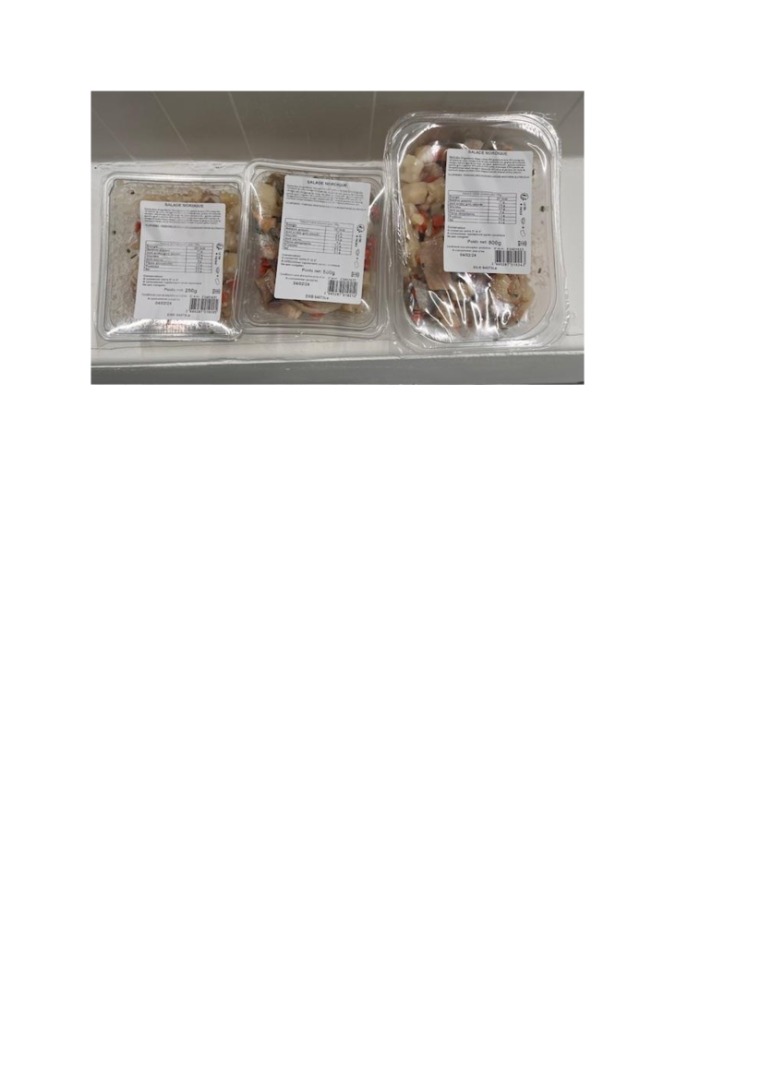
France – NORDIC SALAD – Listeria monocytogenes

Gov France

Product category
Food
Product subcategory
Others
Product brand name
EMB 94073 The
Model names or references
LOTS F2401623/F2401622/F2401621 PACKAGED IN 800g/500g/250g
Product identification
GTIN Batch Date
3665287019243 F2401623 Use-by date 02/04/2024
3665287019212 F2401622 Use-by date 02/04/2024
3665287019205 F2401621 Use-by date 02/04/2024
Packaging
800g/500g/250g
Start/end date of marketing
From 01/17/2024 to 02/04/2024
Storage temperature
Product to keep in the refrigerator
Geographical sales area
Regions: Île-de-France
Distributors
FRESH MARKET STORES

Research – The Role of Flagellum and Flagellum-Based Motility on Salmonella Enteritidis and Escherichia coli Biofilm Formation

MDPI

Abstract

Flagellum-mediated motility has been suggested to contribute to virulence by allowing bacteria to colonize and spread to new surfaces. In Salmonella enterica and Escherichia coli species, mutants affected by their flagellar motility have shown a reduced ability to form biofilms. While it is known that some species might act as co-aggregation factors for bacterial adhesion, studies of food-related biofilms have been limited to single-species biofilms and short biofilm formation periods. To assess the contribution of flagella and flagellum-based motility to adhesion and biofilm formation, two Salmonella and E. coli mutants with different flagellar phenotypes were produced: the fliC mutants, which do not produce flagella, and the motAB mutants, which are non-motile. The ability of wild-type and mutant strains to form biofilms was compared, and their relative fitness was determined in two-species biofilms with other foodborne pathogens. Our results showed a defective and significant behavior of E. coli in initial surface colonization (p < 0.05), which delayed single-species biofilm formation. Salmonella mutants were not affected by the ability to form biofilm (p > 0.05). Regarding the effect of motility/flagellum absence on bacterial fitness, none of the mutant strains seems to have their relative fitness affected in the presence of a competing species. Although the absence of motility may eventually delay initial colonization, this study suggests that motility is not essential for biofilm formation and does not have a strong impact on bacteria’s fitness when a competing species is present.

Research – An outbreak of Salmonella Typhimurium associated with the consumption of raw liver at an Eid al-Adha celebration in Wales (UK), July 2021

Cambridge.org

Abstract

In July 2021, Public Health Wales received two notifications of salmonella gastroenteritis. Both cases has attended the same barbecue to celebrate Eid al–Adha, two days earlier. Additional cases attending the same barbecue were found and an outbreak investigation was initiated. The barbecue was attended by a North African community’s social network. On same day, smaller lunches were held in three homes in the social network. Many people attended both a lunch and the barbecue. Cases were defined as someone with an epidemiological link to the barbecue and/or lunches with diarrhoea and/or vomiting with date of onset following these events. We undertook a cohort study of 36 people attending the barbecue and/or lunch, and a nested case-control study using Firth logistic regression. A communication campaign, sensitive towards different cultural practices, was developed in collaboration with the affected community. Consumption of a traditional raw liver dish, ‘marrara’, at the barbecue was the likely vehicle for infection (Firth logistic regression, aOR: 49.99, 95%CI 1.71–1461.54, p = 0.02). Meat and offal came from two local butchers (same supplier) and samples yielded identical whole genome sequences as cases. Future outbreak investigations should be relevant to the community affected by considering dishes beyond those found in routine questionnaires.

Research – Legal Regulation of Whole Genome Sequencing of Listeria monocytogenes in the Food Industry: Challenges, Attitudes, Possibilities

SSRN

Abstract

This report presents the outcome of legal research conducted under the aegis of the project ‘Food Safety with High Precision—Pathogenomics for the Food Industry’ (short title: PathoSeq). A central objective of the PathoSeq project has been to prepare the Norwegian food industry for challenges accompanying the introduction of whole genome sequencing (WGS) of foodborne bacteria. The report elucidates the legal rules that may affect the implementation of WGS of bacterial pathogens in the food industry, using Listeria monocytogenes (Lm) as a case study. While the report focuses predominantly on the Norwegian context, account is also taken of the experiences and practices of certain other European states, particularly Austria, in light of EU food safety rules. Three key issues are canvassed: (i) the role of WGS data in assessing the safety of food; (ii) access by food safety authorities to WGS data, or to isolates on which to perform WGS, from the food industry; and (iii) food business operators’ ability to receive Lm isolates and sequences held by the authorities. A special feature of the report is that it builds on, and presents, an extensive mapping of stakeholder perspectives on these issues and, more generally, on potentials, hindrances and needs in respect of mitigating Lm-related risk through WGS technology.

Research – Shiga toxin-producing Escherichia coli (STEC) in meat and leafy greens available in the Swedish retail market – Occurrence and diversity of stx subtypes and serotypes

Science Direct

Abstract

Shiga toxin-producing Escherichia coli (STEC) is a major cause of foodborne illness, ranging from mild diarrhea to permanent kidney failure. This study summarizes the results of four surveys performed at different time periods, which investigated the occurrence and characteristics of STEC in beef, lamb and leafy greens available in the Swedish retail market. Such data is required when assessing the public health risk of varying types of STEC in different foods, and for establishing risk management measures. Samples from domestic and imported products were collected based on their availability in the retail market. The occurrence of STEC was investigated in 477 samples of beef, 330 samples of lamb and 630 samples of leafy greens. The detection of virulence genes (stx1stx2eae) was performed using real-time PCR followed by the isolation of bacteria from stx-positive enriched samples using immunomagnetic separation or an immunoblotting method. All STEC isolated from the food samples was further characterised in terms of stx subtyping and serotyping through whole genome sequencing. STEC was isolated from 2 to 14 % of beef samples and 20 to 61 % of lamb samples, depending on the region of origin. STEC was not isolated from samples of leafy greens, although stx genes were detected in 11 (2 %) of the samples tested. In total, 5 of the 151 sequenced STEC isolates from meat contained stx2 and eae, of which 4 such combinations had the stx2a subtype. The stx2 gene, stx2a in particular, is strongly associated with serious disease in humans, especially in combination with the eae gene. The isolates belonged to 20 different serotypes. Two isolates from beef and one from lamb belonged to the serotype O157:H7 and contained genes for stx2 and eae. Overall, several combinations of stx subtypes were found in isolates from beef, whereas stx1c, either alone or together with stx2b, was the dominant combination found in STEC from lamb. In conclusion, STEC was rare in whole meat samples of domestic beef in the Swedish retail market, whereas such bacteria were frequently found in minced meat and whole meat samples of imported beef and domestic and imported lamb. Although the number of isolates containing genes linked to an increased risk of severe disease was low, beef and lamb in the Swedish retail market is a common source of human exposure to potentially pathogenic STEC.

Research – Antimicrobial Resistance in E. coli: A Growing Concern in Nile Tilapia Consumption

BNN Breaking

A recent study has found a high prevalence and alarming levels of antimicrobial resistance (AMR) in Escherichia coli (E. coli) found in Nile tilapia, a commonly consumed fish. The research analyzed 828 samples from different parts of the fish, including the flesh, liver, kidney, and intestine. Across the samples, high occurrences of fecal coliforms (61.6%) and E. coli (53.0%) were detected. The intestine samples showed the highest prevalence of E. coli at 71.4%, while the liver and kidney samples had a prevalence of 45.7%.

Research -New Detection Tools for Clostridium Perfringens, Total Viable Bacteria in Poultry Production

Food Safety

Ancera has unveiled the release of two new microbial detection tools designed to identify and enumerate Clostridium perfringens and total viable bacteria (TVB) in poultry. The assays are designed to address critical challenges within the poultry industry, from live operations to processing, and help companies increase productivity, food safety, and interventional efficacy.

Ancera’s TVB assay is the first true non-enrichment, microbial quantitation assay focused on same-shift process improvement and quality control at the plant. The tool provides quantifiable microbial information enabling integrators to understand whether their processes are working to reduce microbial load. Once fully commercialized, the technology will produce results within a single working shift, unlocking real-time trend analysis and decision-making for improved compliance and sanitation. The new assay represents a significant reduction from traditional 48–72 hour turnaround times, decreasing the risk of compliance and recall risk.

Research- Monitoring of Animal Feed Contamination by Mycotoxins: Results of Five Years of Official Control by an Accredited Italian Laboratory

MDPI

Abstract

Mycotoxin contamination of animal feed is a complex issue in both animal wellness and food safety. The most diffused mycotoxins subject to the official control of animal feed are Aflatoxin B1 (AF), Zearalenone (ZEA), Deoxynivalenol (DON), Ochratoxin A (OCRA), Fumonisins (FUMO), and T-2/HT-2 toxins. This work describes the results of five years of monitoring focused on the evaluation of mycotoxin contamination of animal feed. Analytical determinations were carried out by means of accredited ELISA. The obtained results showed a non-alarming scenario, with several samples resulting as “non-compliant” according to the Maximum Residue Limits (MRLs) set in European Regulation No. 574/2011. Out of 722 analyzed samples coming from 2 Italian regions, Apulia and Basilicata, 14 samples were characterized by mycotoxin concentrations higher than related MRL; in particular, 5, 4, and 5 non-compliant samples for DON, AF, and ZEA, respectively. This study also evaluated the possible correlations between mycotoxin type and feed use with a special focus on animal sensitivity to mycotoxins.

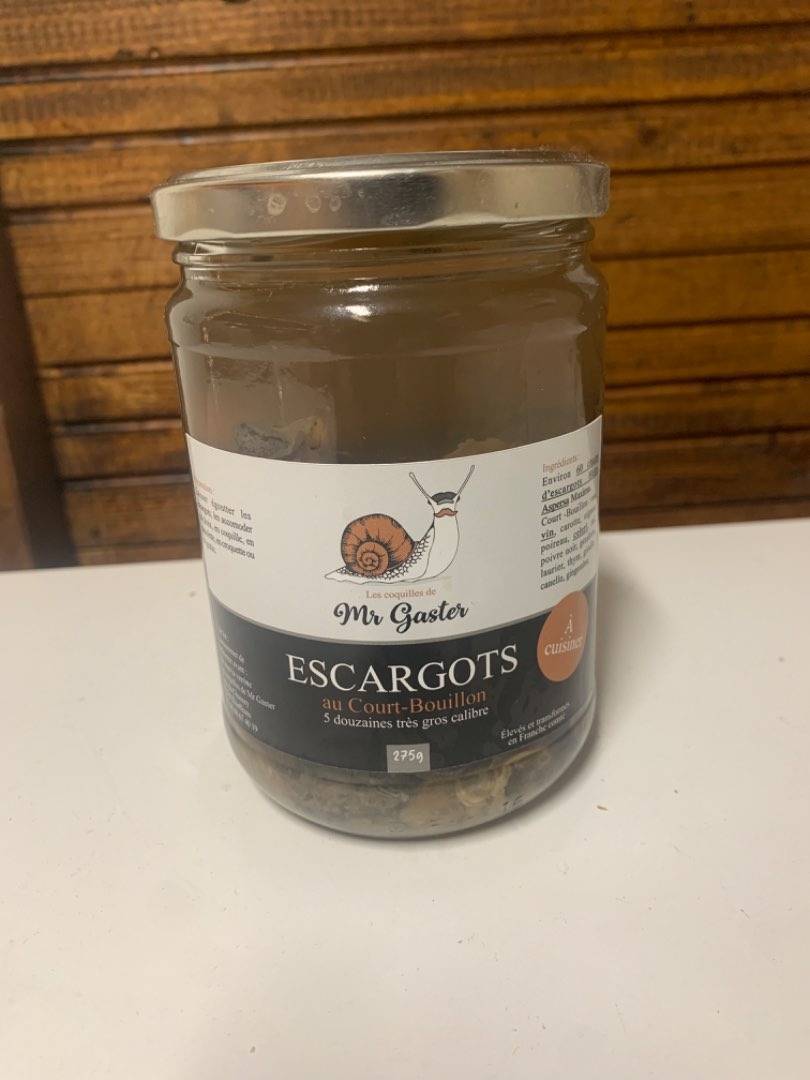
France – Snails in court broth – Clostridium botulinum

Gov France

Product category
Food
Product subcategory
Snails and frogs
Product brand name
The shells of MR Gaster
Model names or references
Snails in court broth 5 dozen
Product identification
Batch Date
1520 Minimum durability date 11/30/2025
Packaging
Verrine 580TO82
Start/end date of marketing
From 11/25/2023 to 12/15/2023
Storage temperature
Product to be stored at room temperature
Health mark
FR.25.056.058.CE
Geographical sales area
Departments: DOUBS (25), HAUTE-SAONE (70)
Distributors
The shells of MR Gaster