Monthly Archives: March 2022

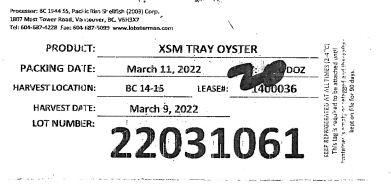
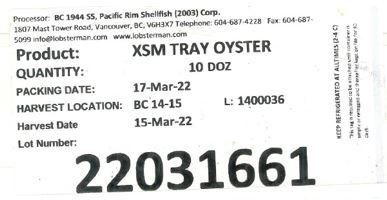
Canada – Pacific Rim Shellfish (2003) Corp brand Oysters recalled due to Norovirus

CFIA

ummary

Product
Oysters
Issue
Food – Microbial Contamination – Norovirus
What to do

Do not consume, use, sell, serve, or distribute the recalled products

France – Report on surveillance of Campylobacter infections in France in 2020.

Sante Publique

Key points

In 2020, surveillance of Campylobacter infections confirmed the epidemiological and biological trends already observed in recent years: 

  • a predominance of the species C. jejuni ;
  • higher number of cases and incidence in children;
  • a predominance of infections in men, except in people aged 30 to 39;
  • a seasonal peak during the summer period;
  • high resistance to fluoroquinolones and tetracyclines, which has remained stable in recent years;
  • no notable increase in the resistance rates of the six antibiotics tested routinely;
  • the consumption of poultry as the first food (incriminated or suspected) source of contamination in episodes of collective food poisoning.

The number of Campylobacter strains listed by the CNR has been increasing since 2013, the year in which the network’s laboratories introduced online data entry. This increase could be a reflection of an increase in Campylobacter infections in France. However, this increase in the number of strains must be considered within the framework of the specificities of the surveillance system. Several factors, such as an increase in the activity of the network’s laboratories or prescriptions for stool cultures, could cause an increase in the number of isolations and notifications over time. The implementation of multiplex PCR in many laboratories has also facilitated the detection of Campylobacter sp in stool samples.

The health context linked to the COVID-19 pandemic does not seem to have had an impact on the surveillance data. A decrease in the number of strains compared to previous years was observed only in March-April 2020, corresponding to the period of the first confinement. This reduction seems to reflect less recourse to care (medical consultation, biological analyses) during this period, but could also indicate a reduction in the incidence linked to health restrictions.

USA – CDC – Lettuce, Other Leafy Greens, and Food Safety

CDC

Leafy greens arranged on a white background

Vegetables are an important part of a healthy diet. Leafy vegetables (called leafy greens on this page), such as lettuce, spinach, cabbage, kale, and bok choy, provide nutrients that help protect you from heart diseasestroke, and some cancers.

But leafy greens, like other vegetables and fruits, are sometimes contaminated with harmful germs. Washing leafy greens does not remove all germs. That’s because germs can stick to the surface of leaves and even get inside them. If you eat contaminated leafy greens without cooking them first, such as in a salad or on a sandwich, you might get sick.

Although anyone can get a foodborne illness, sometimes called food poisoning, some groups of people are more likely to get one and to have a serious illness. These groups include:

  • Adults aged 65 and older
  • Children younger than 5 years
  • People who have health problems or take medicines that lower the body’s ability to fight germs and sickness (a weakened immune system)external icon
  • Pregnant people

Eating Leafy Greens

Are leafy greens safe to eat?

Millions of servings of leafy greens are eaten safely every day in the United States. But leafy greens are occasionally contaminated enough to make people sick. To reduce your chance of getting sick, always follow the steps for safely handling and preparing leafy greens before eating or serving them.

Are leafy greens safe for my pet to eat?

Some animals can get sick from some germs that also make people sick. Always follow the steps for safely handling and preparing leafy greens before feeding them to pets and other animals. Never feed recalled food to pets or other animals.

Safely Handling and Preparing Leafy Greens

Do I need to wash all leafy greens?

Prewashed greens don’t need to be washed again. If the label on a leafy greens package says any of the following, you don’t need to wash the greens:

  • Ready-to-eat
  • Triple washed
  • No washing necessary

Prewashed greens sometimes cause illness. But the commercial washing process removes most of the contamination that can be removed by washing.

All other leafy greens should be thoroughly washed before eating, cutting, or cooking.

What is the best way to wash leafy greens?

The best way to wash leafy greens is by rinsing them under running water. Studies show that this step removes some of the germs and dirt on leafy greens and other vegetables and fruits. But no washing method can remove all germs.

Follow these steps to wash leafy greens that you plan to eat raw:

  • Wash your hands for 20 seconds with soap and water before and after preparing leafy greens.
  • Get rid of any torn or bruised leaves. Also, get rid of the outer leaves of cabbages and lettuce heads.
  • Rinse the remaining leaves under running water. Use your hands to gently rub them to help get rid of germs and dirt.
  • Dry leafy greens with a clean cloth or paper towel.

Should I soak leafy greens before washing them?

No. Do not soak leafy greens. If you soak them in a sink, germs in the sink can contaminate the greens. If you soak them in a bowl, germs on one leaf can spread to the other leaves. Rinsing leafy greens under running water is the best way to wash them.

Should I wash leafy greens with vinegar, lemon juice, soap, detergent, or produce wash?

Use plain running water to wash leafy greens and other produce. Kitchen vinegar and lemon juice may be used, but CDC is not aware of studies that show vinegar or lemon juice are any better than plain running water.

Do not wash leafy greens or other produce with soap, detergent, or produce wash. Do not use a bleach solution or other disinfectant to wash produce.

What other food safety steps should I keep in mind when I select, store, and prepare leafy greens and other produce?

  • Select leafy greens and other vegetables and fruits that aren’t bruised or damaged.
  • Make sure pre-cut produce, such as bagged salad or cut fruits and vegetables, is refrigerated or on ice at the store.
  • Separate produce from raw meat, poultry, seafood, and eggs in your shopping cart, grocery bags, and refrigerator.
  • Store leafy greens, salads, and all pre-cut and packaged produce in a clean refrigerator with the temperature set to 40°F or colder.
  • Use separate cutting boards and utensils for produce and for raw meat, poultry, seafood, and eggs. If that isn’t an option, prepare produce before working with raw meat.
  • Wash utensils, cutting boards, and kitchen surfaces with hot, soapy water after each use.
  • Cook thoroughly or throw away any produce that touches raw meat, poultry, seafood or their juices.
  • Refrigerate cooked or cut produce, including salads, within 2 hours (1 hour if the food is exposed to temperatures above 90°F, like a hot car or picnic).

Germs, Outbreaks, and Recalls

How do leafy greens get contaminated with germs?

Germs that make people sick can be found in many places, including in the soil, in the feces or poop of animals, in refrigerators, and on kitchen surfaces.

Germs can contaminate leafy greens at many points before they reach your plate. For example, germs from animal poop can get in irrigation water or fields where theexternal icon vegetables grow. Germs can also get on leafy greens in packing and processing facilities, in trucks used for shipping, from the unwashed hands of food handlers, and in the kitchen. To prevent contamination, leafy greens should be grown and handled safely at all points from farm to fork.

Read a study by CDC and partners on what we have learned from 10 years of investigating E. coli outbreaks linked to leafy greens.

How common are outbreaks linked to leafy greens?

In 2014–2018, a total of 51 foodborne disease outbreaks linked to leafy greens (mainly lettuce) were reported to CDC. Five of the 51 were multistate outbreaks that led CDC to warn the public. Among those five outbreaks, two were linked to packaged salads, two were linked to romaine lettuce, and one could not be linked to a specific type of leafy greens.

Most recently, in 2019–2021, CDC investigated and warned the public about nine multistate outbreaks linked to leafy greens. Among those outbreaks, six were linked to packaged salads, one was linked to romaine lettuce, one was linked to baby spinach, and one could not be linked to a specific type of leafy greens. Learn about these outbreaks.

Most foodborne illnesses are not part of a recognized outbreak. The nearly 2,000 illnesses reported in 2014–2020 outbreaks linked to leafy greens represent only a small part of illnesses caused by contaminated leafy greens during those years.

Does CDC warn the public about every foodborne disease outbreak?

No. CDC does not warn the public about every foodborne outbreak—including ones linked to leafy greens. Some reasons for this include:

  • Most sources of foodborne outbreaks are never identified.
  • By the time a source is identified, it might no longer be in stores, restaurants, or homes. This can happen with foods that are perishable (foods that spoil or go bad quickly), such as leafy greens.
  • Most outbreaks affect people in only one state, so local or state health departments lead the work to identify, investigate, and communicate about those outbreaks. CDC typically communicates only about outbreaks that affect people in more than one state.

Investigating outbreaks linked to leafy greensexternal icon can be especially challenging. These outbreaks often go unidentified or unsolved.

What should I do with leafy greens that are part of a recall?

  • Never eat, serve, or sell food that has been recalled, even if some of it was eaten and no one got sick.
  • Return the recalled food to the store or throw it away at home.
    • Throw out the recalled food and any other foods stored with it or that touched it.
    • Put it in a sealed bag in an outside garbage can with a tight lid (so animals cannot get to it).
    • If the recalled food was stored in a reusable container, wash the container in the dishwasher or with hot, soapy water.
  • Follow CDC’s instructions for cleaning your refrigerator after a food recall.

Organic, Hydroponic, and Home-Grown Leafy Greens

Are organic leafy greens less likely to be contaminated than non-organic ones?

All kinds of produce, including organic leafy greens, can be contaminated with harmful germs at any point from farm to fork. CDC is not aware of any evidence that organic greens are safer.

Learn about some outbreaks linked to organic foodsexternal icon.

Are hydroponic or greenhouse-grown leafy greens less likely to be contaminated?

Leafy greens grown using these methods also can be contaminated with harmful germs at any point from farm to fork.

Learn about an outbreak linked to greenhouse-grown leafy greens.

How do I keep leafy greens in my garden safe to eat?

Home gardens can be an excellent source of fruits and vegetables. Follow these tips to help prevent food poisoning:

  • Plant your garden away from animal pens, compost bins, and manure piles.
  • Water your garden with clean, drinkable water.
  • Keep dirty water, including storm runoff, away from the parts of plants you will eat.

Learn about raised bed gardening pdf icon[PDF – 1 page].

Looking to the Future

What steps are industry and the government taking to make leafy greens safer?

CDC is collaborating with FDA, academia, and industry to investigate the factors that contribute to leafy greens contamination.

The leafy greens industry, FDA, and state regulatory authorities have been implementing provisions of the Produce Safety Ruleexternal icon as part of the FDA Food Safety Modernization Act (FSMA).external icon They are considering what further measures can be taken. FDA’s 2020 Leafy Greens STEC Action Planexternal icon describes the agency’s plans to work with partners to make leafy greens safer.

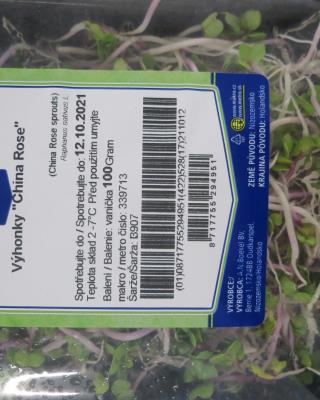
Czech Republic – Shoots “China Rose”- Sprouted Seeds – EPEC E.coli

Potravinynapranyri

Illustration photo no. 1

Place of inspection:
Brno ( Kaštanová 506/50, 620 00 Brno )
ID: 26450691
Food group: Sprouted seeds and sprouts Sprouted seeds and sprouts

Shoots “China Rose”
Category: Dangerous food
Unsatisfactory parameter:

Escherichia coli enteropathogenic (EPEC)

The product has been found to contain the pathogenic bacterium Escherichia coli enteropathogenic (EPEC), which causes diarrheal diseases.

Lots: L3907
Expiration date: 10/12/2021
Packaging: PP tray with label
Quantity of product in package: 0.1 kg
Producer: AN BOEKEL BV, Berrie 1, 1724BB Oudkarspel, The Netherlands
Country of origin:  Netherlands
Sampling date: 4. 10. 2021
Reference number: 22-000095-CAFIA-CZ

Czech Republic – Liver pate – Listeria monocytogenes

Potravinynapranyri

Place of inspection:
Lisov ( Lazna 1051 / 18f, 37372 Lisov )
Company ID: 28149963
Unsatisfactory parameter:

Listeria monocytogenes

The pathogenic bacterium Listeria monocytogenes was detected in the product . This bacterium can cause a condition called listeriosis.

Expiration date: 12/17/2021
Producer: Jatka Lisov – Petr Cihal sro,
Country of origin:  Czechia
Sampling date: 8. 12. 2021
Reference number: 22-000026-SVS-CZ
The sample was found by an official inspection of the State Veterinary Administration.

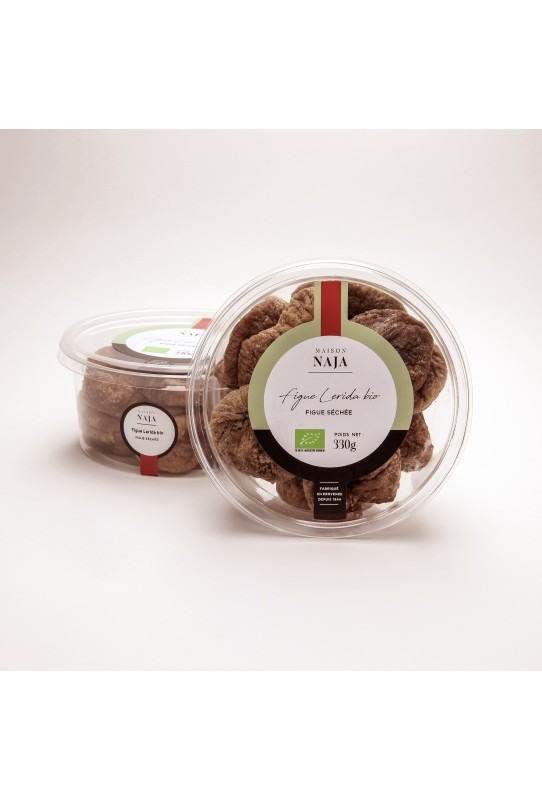
France- Organic Lerida Figs – Ochratoxin A

Gov france

Identification information of the recalled product

  • Product category Food
  • Product subcategory Fruits and vegetables
  • Product brand name House Naja
  • Model names or references330g trays
  • Identification of products
    GTIN Lot Dated
    3266481738450 11/15/2022 Date of minimum durability 15/11/2022
    3266481738450 11/18/2022 Date of minimum durability 18/11/2022
    3266481738450 04/28/2023 Date of minimum durability 04/28/2023
  • Packaging330g trays
  • Marketing start/end date From 01/11/2021 to 30/01/2022
  • Storage temperature Product to be stored at room temperature
  • Geographic area of ​​sale Departments: BOUCHES-DU-RHONE (13), VAUCLUSE (84)
  • Distributors Grocery store

Practical information regarding the recall

  • Reason for recall Ochratoxin A detection

Czech Republic – Mould – Eidam cheese 30%

Potravinynapranyri

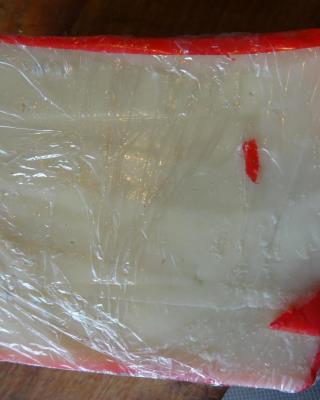
Illustration photo no. 1

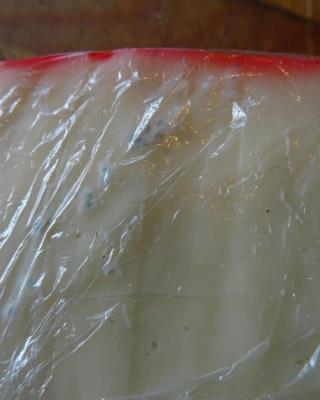
Illustration photo no. 2

Place of inspection:
Hajnice ( Hajnice 205, Hajnice, 54466 )
ID: 48629081
Food group: Milk and milk products Cheese

Eidam cheese 30%
Category: Dangerous food
Unsatisfactory parameter:

mold visible to the eye

On the surface of the cheese there were colonies of green mold visible to the naked eye. Food is not considered safe if it shows signs of spoilage.

During the inspection, unsatisfactory storage temperatures of this product were not found. The food had an unknown date of minimum durability.

Packaging: red plastic foil + repackaged with food foil
Quantity of product in package: 0.41 kg
Sampling date: 7. 1. 2022
Reference number: 22-000104-CAFIA-CZ
The sample was found by an official inspection of the State Agricultural and Food Inspection Authority.

Research – Levels and genotypes of Salmonella and levels of Escherichia coli in frozen ready-to-cook chicken and turkey products in England tested in 2020 in relation to an outbreak of S. Enteritidis

Science Direct

Highlights

Six serovars, with S. Infantis and S. Enteritidis most common, found in 9% of samples

Serovar-specific PCR and Cragie’s motility method used for co-contaminated samples

All S. Enteritidis were outbreak strains and affected six products from two plants.

The highest MPN/g was 54 for S. Infantis and 28 and S. Enteritidis.

Detection of Salmonella spp. was associated with higher levels of generic E. coli.

Abstract

Frozen reformulated (FR) breaded chicken products have previously been implicated in causing human salmonellosis. A multi-country Salmonella enterica serovar Enteritidis outbreak involving several strains with >400 reported human cases in the UK occurred in 2020. Initially S. Infantis was detected in one sample from a case home but S. Enteritidis was then also isolated using a S. Enteritidis specific PCR in combination with isolation via a Craigie-tube. This prompted a survey to examine the presence and levels of Salmonella and E. coli in ready-to-cook FR poultry products in England in 2020.

From a total of 483 samples, including two from cases’ homes, Salmonella was detected in 42 chicken samples, these originated from six out of 53 production plants recorded. Salmonella detection was associated with elevated levels of generic E. coli (OR = 6.63). S. Enteritidis was detected in 17 samples, S. Infantis in 25, S. Newport in four and S. Java, S. Livingstone and S. Senftenberg in one each. The highest levels of Salmonella were 54 MPN/g for S. Infantis and 28 MPN/g for S. Enteritidis; 60% of the Salmonella-positive samples had <1.0 MPN/g. S. Enteritidis was detected together with S. Infantis in five samples and with S. Livingstone in one. Where S. Enteritidis was detected with other Salmonella, the former was present at between 2 and 100-fold lower concentrations. The Salmonella contamination was homogeneously distributed amongst chicken pieces from a single pack and present in both the outer coating and inner content. The S. Enteritidis were all outbreak strains and detected in six products that were linked to four production plants which implicated a Polish origin of contamination. Despite S. Infantis being most prevalent in these products, S. Infantis from only two contemporaneous human cases in the UK fell into the same cluster as isolates detected in one product. Except for one human case falling into the same cluster as one of the S. Newport strains from the chicken, no further isolates from human cases fell into clusters with any of the other serovars detected in the chicken samples.

This study found that higher E. coli levels indicated a higher probability of Salmonella contamination in FR chicken products. The results also highlight the importance of recognising co-contamination of foods with multiple Salmonella types and has provided essential information for detecting and understanding outbreaks where multiple strains are involved.

France – Smoked Halibut 150g – Listeria monocytogenes

Gov france

Identification information of the recalled product

  • Product category Food
  • Product subcategory Fishery and aquaculture products
  • Product brand name Smoked Val de Lys
  • Model names or references Fumage du val de lys brand
  • Identification of products
    GTIN Lot Dated
    3346890003231 22070044 Use-by date 03/31/2022
    3346890005655 22070044 Use-by date 03/31/2022
  • Packaging Under a vacuum
  • Marketing start/end date From 03/15/2022 to 03/17/2022
  • Storage temperature Product to be stored in the refrigerator
  • Health mark FR 59-508-003 EC
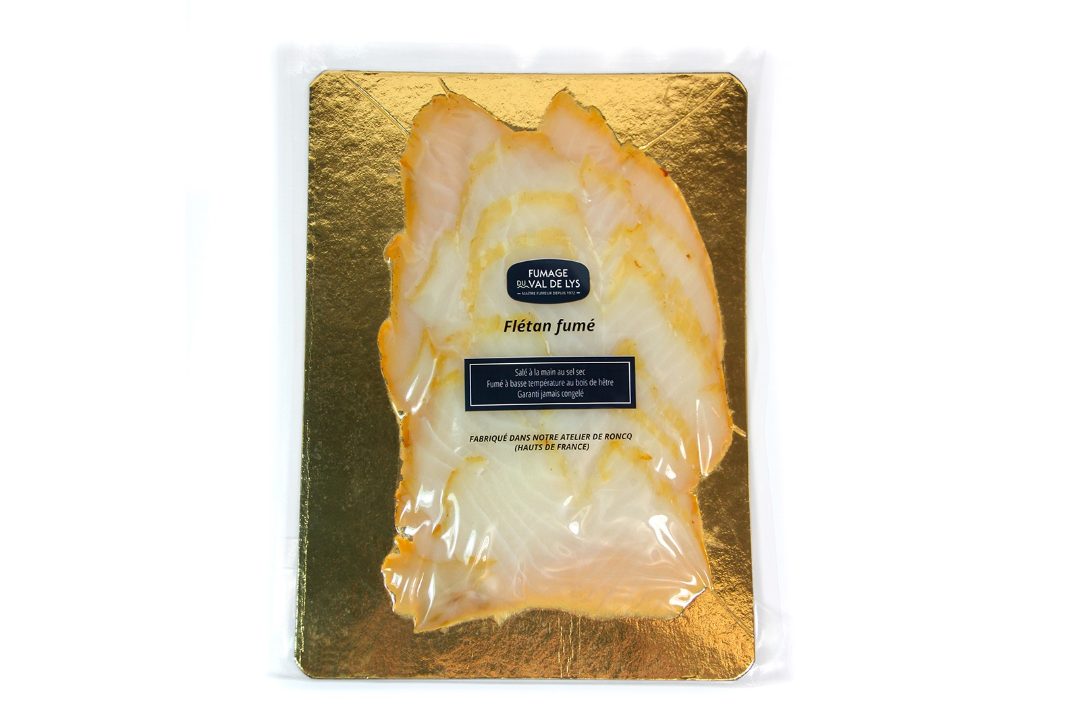
  • Further information Smoked halibut sliced ​​on a delicatessen plate and vacuum-packed
  • Geographic area of ​​sale Whole France
  • Distributors Auchan, Cora, Intermarché,
  • List of points of sale client_list.pdf

Practical information regarding the recall

  • Reason for recall Presence of Listeria Monocytogenes: 360 CFU/g

India – Over 200 school kids taken ill due to food poisoning in Patna

Gulf News

Patna: More than 200 schoolchildren, who had assembled in Patna to celebrate Bihar Diwas, fell ill children after consuming food and water supplied to them.

The three-day event commenced on Tuesday in Gandhi Maidan in presence of Chief Minister Nitish Kumar. Schoolchildren were invited from across the state.

I.S Thakur, the medical superintendent of Patna Medical College and Hospital (PMCH), confirmed the incident. Ten children have been admitted to the hospital since Thursday morning and their condition is stated to be stable.

“The children are complaining of diarrhoea, nausea and abdominal pain. The medical teams of the hospital are taking care of them. They are recovering well. The children belonged to different districts and had come to Patna,” Thakur said.

Apart from food poisoning, dehydration could be another reason for the incident, the medical experts believe.