Category Archives: Staphylococcus aureus

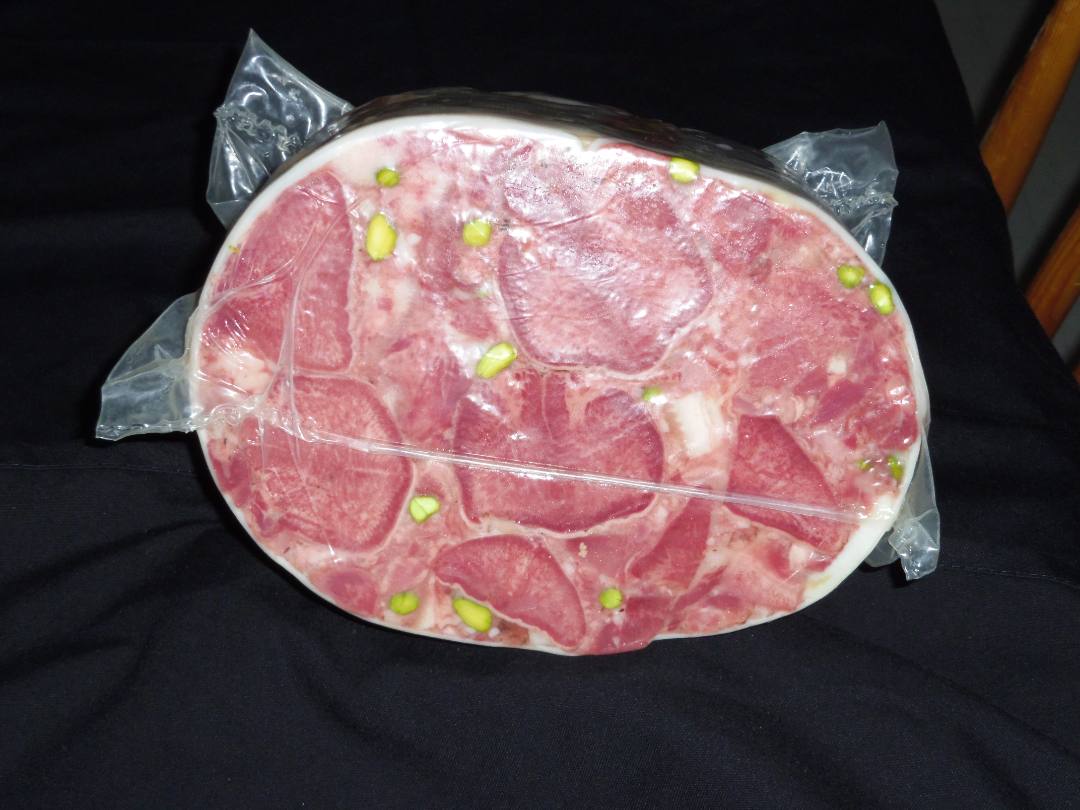
France – Pistachio rolled head – E.coli and Staphylococcus aureus

Gov france

Identification information of the recalled product

  • Product category Feed
  • Product subcategory Meats
  • Product brand name DIENNET REGIONAL CHARCUTERIE
  • Model names or references PISTACHIO ROLLED HEAD DIENNET
  • Identification of products
    Lot Date
    224203 Use-by date 16/11/2022
  • Packaging Slices vacuum packed 250g Whole 2.5kg and/or 4.5kg
  • Marketing start/end date From 19/10/2022 to 02/11/2022
  • Storage temperature Product to be stored in the refrigerator
  • Health mark FR 01 263 001 EC
  • Further information Product sold in the LS and traditional and LS charcuterie department, non-contractual photo
  • Geographic area of ​​saleDepartments: AIN (01), RHONE (69)
  • DistributorsCarrefour City, Carrefour Contact, Leclerc, Proxi, Super U, U Express, Utile
  • List of points of saleclient_list.pdf

Practical information regarding the recall

  • Reason for recallMICROBIOLOGICAL NON-COMPLIANCE
  • Risks incurred by the consumerEscherichia coli
    Staphylococcus aureus (agent responsable d’intoxination staphylococcique)

Research – Virulence Potential and Antibiotic Susceptibility of S. aureus Strains Isolated from Food Handlers

MDPI

Staphylococcus spp. are common members of the normal human flora. However, some Staphylococcus species are recognised as human pathogens due to the production of several virulence factors and enterotoxins that are particularly worrisome in food poisoning. Since many of Staphylococcal food poisoning outbreaks are typically associated with cross-contamination, the detection of S. aureus on food handlers was performed. Hand swabs from 167 food handlers were analysed for the presence of S. aureus. More than 11% of the samples were positive for S. aureus. All S. aureus strains were isolated and analysed for the presence of virulence and enterotoxin genes, namely, seasebsecsedsegseitsst-1 and pvl. The same strains were phenotypically characterised in terms of antibiotic susceptibility using the disc diffusion method and antimicrobial agents from 12 different classes. A low prevalence of antibiotic-resistant strains was found, with 55.6% of the strains being sensitive to all of the antimicrobial agents tested. However, a high prevalence of resistance to macrolides was found, with 44.4% of the strains showing resistance to erythromycin. At least one of the virulence or toxin genes was detected in 61.1% of the strains, and seg was the most prevalent toxin gene, being detected in 44.4% of the strains.

Research – Microbiological and physicochemical properties of farm bulk tank milk and antimicrobial resistance of its dominant bacteria

Wiley Online

Abstract

This study determined the antibiotic resistance of the dominant bacteria in the 85 farm BTMs according to the guidelines recommended by the epidemiological cutoff values in the EUCAST. In addition, some physicochemical and microbiological properties of farm BTMs were investigated. The milk samples were divided into two groups according to their SCC values. The milk samples with higher SCC than 400,000 cells mL−1 were further examined bacteriologically, and the antibiotic resistance of isolates was determined. The average TAMB value was 6.34 log CFU/mL in farm BTM. It was found that high-SCC values did not affect other physicochemical properties of BTM samples, such as fat, protein and total solids, except for lactose content. Seventy-two strains were isolated from 45 bulk milk samples. The most prevalent bacteria were Enterococcus spp. (23.61%). The other isolates were Citrobacter spp. (12.5%), Staphylococcus spp. (12.51%), Serratia spp. (11.12%), Klebsiella spp. (9.72%), Bacillus spp. (9.72%), and Enterobacter spp. (8.33%). In antibiotic resistance analysis, 52.6% of Enterobacterales isolates showed cefoxitin resistance, and nine Enterobacterales isolates were determined as the presumptive ESBL producers. None of them was confirmed as ESBL producers. Moreover, MDR was detected in 83.3% of Enterobacter spp. isolates and all Bacillus spp. isolates. The over and inappropriate use of antibiotics in mastitis treatment may cause antibiotic-resistant microorganisms in milk. It was found that 52.7% of the isolated bacteria were MDR, which could pose a risk to public health and food safety, with the consumer’s increasing interest in consuming raw milk.

Research – Another drop in outbreaks was recorded in Germany for 2021

Food Safety News

The amount of foodborne outbreaks reported in Germany has continued to fall, according to the latest figures.

In 2021, the Robert Koch-Institut (RKI) and Federal Office of Consumer Protection and Food Safety (BVL) received slightly fewer reports of outbreaks with 168 compared to 193 in the previous year.

At least 1,179 cases, 196 hospitalizations, and two deaths were related to them in 2021. As in previous years, the top causes were Campylobacter and Salmonella.

Other agents involved in outbreaks were norovirus, Bacillus cereus, hepatitis A virus, Listeria monocytogenes, Clostridium perfringens, Yersinia enterocolitica, Shiga toxin-producing E. coli (STEC), Clostridium botulinum, Cronobacter sakazakii, histamine, Shigella, and Staphylococcus aureus. In seven outbreaks with 73 cases, the pathogen remained unknown.

Nineteen of the 22 outbreaks with more than five patients were caused by Salmonella.

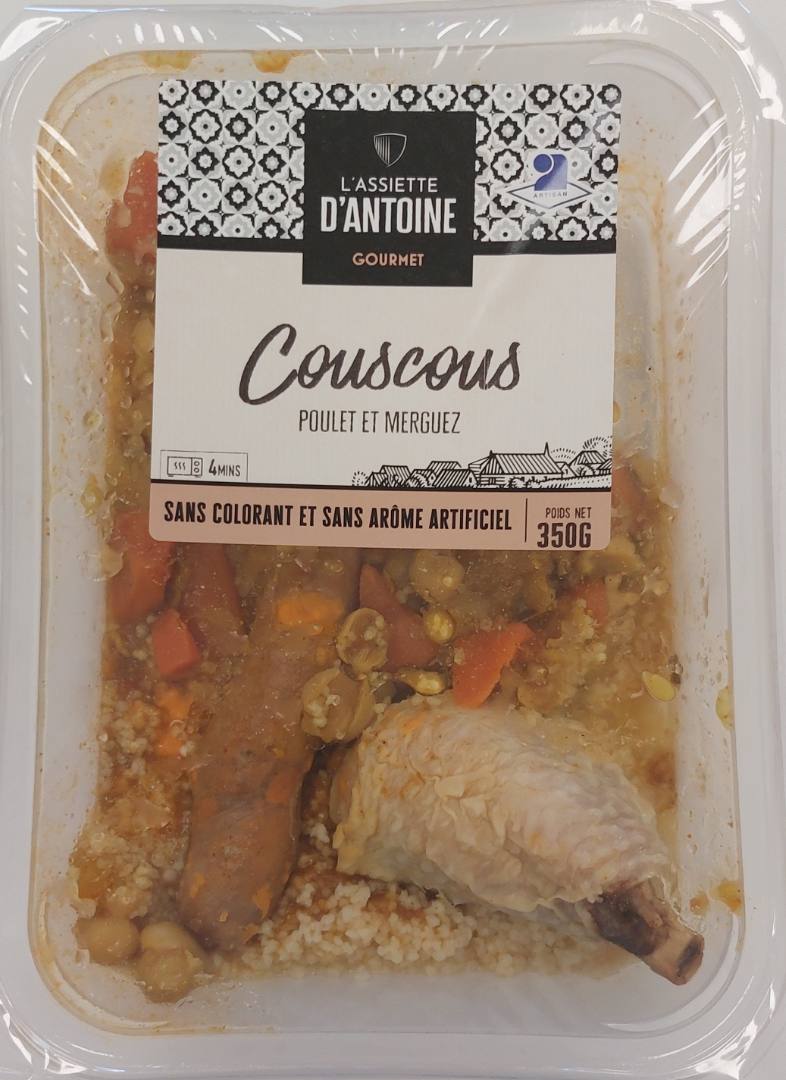
France – COUSCOUS 350G – Bacillus cereus – Clostridium perfringens – Escherichia coli – Staphylococcus aureus

RASFF

Identification information of the recalled product

  • Product category Feed
  • Product subcategory Meats
  • Product brand name FLAVORS OF ANTOINE
  • Model names or references COUSCOUS 350G
  • Identification of products
    GTIN Batch Date
    3700912305695 2290 Use-by date 09/11/2022
  • Packaging Transparent tray
  • Marketing start/end date From 26/10/2022 to 02/11/2022
  • Storage temperature Product to be stored in the refrigerator
  • Health mark12145001
  • Further information COUSCOUS 350G Batch: 2290 BBD: 12/12/2022
  • Geographic area of ​​sale Whole France
  • Distributors FLAVORS OF ANTOINE CENTER LOIRE FLAVORS OF ANTOINE HAUTE LOIRE DISTRIBUTION FLAVORS OF ANTOINE PIERROT SALTED FLAVORS OF ANTOINE YVAS FLAVORS OF ANTOINE SODIBEK FLAVORS OF ANTOINE GARCIN FLAVORS OF ANTOINE DEPARIS

Practical information regarding the recall

  • Reason for recall Labeling error on COUSCOUS 350G lot 2290: incorrect DLC information DLC displayed on 12/12/2022 instead of 11/09/2022
  • Risks incurred by the consumer Bacillus cereus
    Clostridium perfringens
    Escherichia coli
    Staphylococcus aureus (causative agent of staphylococcal poisoning)

RASFF Alert- Staphylococcal Enterotoxin – Mozzarella

RASFF

Staphylococcal enterotoxin (in 1 out of 5 samples /25g) in mozzarella from Spain in Andorra

Spain – Alert for the presence of Staphylococcal Toxin in fresh mozzarella from Spain

ACSA

Mozzarella Bocconcini from Albe

The Spanish Agency for Food Security and Nutrition has communicated through the Coordinated System of Rapid Information Exchange (SCIRI), an alert, transferred by the health authorities of Madrid, regarding the presence of staphylococcal toxin in the   fresh mozzarella product (queso de spun pasta) of the Bocconcini de Albe brand from Spain .

The data of the product involved are:

  • Product number: Fresh Mozzarella
  • Brand number: Bocconcini de Albe
  • Expiry date: 10/29/2022
  • Lot number: 2910
  • Unit weight : 250 g (net weight) and 150 g (drained weight)
  • Temperature: refrigerated

According to the information available, the product has been distributed in the autonomous communities of Catalonia , Andalusia, Asturias, the Balearic Islands, the Canary Islands, Cantabria, Castilla y León, Galicia and the Valencian Community, although other redistributions are not ruled out.

AESAN has transferred this information to the competent authorities of the autonomous communities through the SCIRI and to the Services of the European Commission through the European Food Alert Network (RASFF), with the aim of verifying the withdrawal of the products affected by the marketing channels.

With the available information , there is no evidence in Spain of any notified case associated with this alert.

In the case of having consumed this type of product from the affected lot and presenting any symptoms such as nausea, vomiting, diarrhea, abdominal pain or prostration, it is recommended to go to a health center.

People who have products affected by this alert at home are advised to refrain from consuming them and return them to the point of purchase.

France – Surimi sticks – Staphylococcal Enterotoxins

Gov france

Identification information of the recalled product

  • Product category Feed
  • Product subcategory Prepared meals and snacks
  • Product brand name NET TO
  • Model names or references24 sticks
  • Identification of products
    GTIN Batch Date
    3250390797258 00124527 Use-by date 28/11/2022
  • Packaging Bag of 400g
  • Marketing start/end date From 08/09/2022 to 23/09/2022
  • Storage temperature Product to be stored in the refrigerator
  • Health mark FR 29 031 500 EC
  • Geographic area of ​​sale Whole France
  • Distributors NET TO

Practical information regarding the recall

  • Reason for recall Presence of staphylococcal enterotoxins

Kenya – How Safe Is That Plate Of Meat You Consume?

Kenya News

A significant portion of beef, goat meat and other meat products sold in butcheries and eateries in Nakuru is contaminated with a toxic cocktail of bacteria, a new report by researchers based at Egerton University has revealed.

The study which evaluated microbiological safety of meat and ready-to-eat (RTE) meat products in urban and peri-urban parts of the county, indicates that the presence of Staphylococcus aureusEscherichia coli (abbreviated as E. coli) salmonella spp and Shigella bacteria is worrying and efforts have to be put in place to cut on their levels.

Staphylococcus aureus was the most isolated negative bacteria in 87 beef and goat meat and other meat products samples, with a prevalence of 100 per cent, followed by Shigella spp in 81 samples (93 percent).

Staphylococcus aureus is a pathogen known to cause bloodstream infections, pneumonia, bone and joint infections and soft tissue infections, while infection with some strains of Shigella spp can result in diarrhea (sometimes bloody), fever, and stomach cramps.

The report compiled by lead investigators Dr. Hillary Odeckh Indago, Prof. Joseph Wafula Matofari and Dr. John Masani Nduko further notes that all the 15 samples of water randomly collected from the butcheries and eateries tested positive for E. colisalmonella spp and Shigella bacteria.

What Are Common Food Poisoning Pathogen Incubation Periods?

Food Safety Gov

Check out the fact sheets at the link above.

Bacteria and Viruses

Bacteria and viruses are the most common cause of food poisoning. The symptoms and severity of food poisoning vary, depending on which bacteria or virus has contaminated the food.

To prevent illness, always follow the food safety steps: cleanseparatecook, and chill. Other prevention tips for specific bacteria and viruses are included below.

The bacteria and viruses that cause the most illnesses, hospitalizations, or deaths in the United States are described below and include:

Other important bacteria and viruses that cause foodborne illness include: