Category Archives: Salmonella

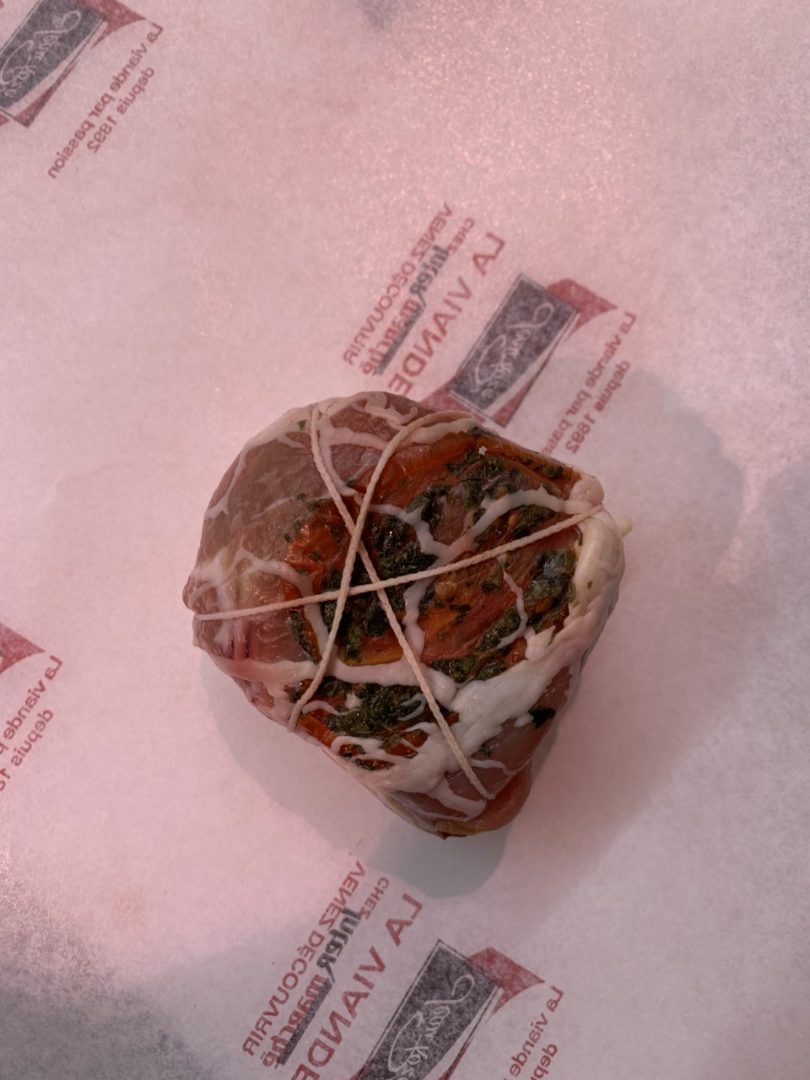
France – Veal paupiette – Salmonella

Gov france

Identification information of the recalled product

  • Product category Food
  • Product subcategory Meats
  • Product brand name Home-made
  • Model names or references MEAT PRODUCTS SOLD AT THE TRADITIONAL BUTCHER DEPARTMENT
  • Identification of products
    Lot
    T13640048
  • Products List veal_paupiettes.pdf Attachment
  • Packaging PER KILO
  • Marketing start/end date From 07/01/2022 to 10/01/2022
  • Storage temperature Product to be stored in the refrigerator
  • Further information SOLD IN THE TRADITIONAL BUTCHER DEPARTMENT
  • Geographic area of ​​sale INTERMARCHE VILLENEUVE DE BERG
  • Distributors INTERMARCHE VILLENEUVE DE BERG

Practical information regarding the recall

  • Reason for recall non-compliant analysis trace of salmonella
  • Risks incurred by the consumer Salmonella spp (causative agent of salmonellosis)

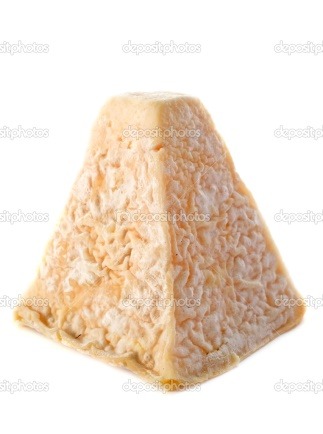
France – POULIGNY-SAINT-PIERRE – Salmonella

Gov france

Identification information of the recalled product

  • Product category Food
  • Product subcategory Milk and dairy products
  • Product brand name/
  • Model names or references POULIGNY SAINT PIERRE SOLD AT THE CHEESE STAND AT THE SAINT SEBASTIEN STORE
  • Identification of products
    Lot Dated
    see attached product list
    L347 Use-by date 06/02/2022
  • Products List Reminder_poster.pdf Attachment
  • Packaging Packed in a cheese stand
  • Marketing start/end date From 08/01/2022 to 28/01/2022
  • Storage temperature Product to be stored in the refrigerator
  • Health mark/
  • Further information/
  • Geographic area of ​​sale Auchan San Sebastian
  • Distributors Auchan San Sebastian

Practical information regarding the recall

  • Reason for recall presence of Salmonella
  • Risks incurred by the consumer Salmonella spp (causative agent of salmonellosis)

Research – Comparing the effectiveness of Cinnamomum zeylanicum essential oil and two common household sanitizers to reduce lettuce microbiota and prevent Salmonella enterica recontamination

Wiley Online

Vegetable Bacteria Danger

The washing step is necessary to remove biological and physical hazards from minimally processed vegetables. Nevertheless, the risk of foodborne diseases could persist even after washing due to postsanitizing contamination, and little is known about the antimicrobial effect of residual sanitizers. This study was conducted to compare the effectiveness of sodium hypochlorite (SH), sodium bicarbonate, and Cinnamomum zeylanicum essential oil (CEO) as sanitizers on lettuce (8°C, 48 h). First, the effect of sanitizers in reducing total aerobic mesophilic and psychrotrophic bacteria, yeast and molds, lactic acid bacteria, and Enterobacteriaceae on lettuce was evaluated with some insights on lettuce quality attributes (pH, color, and sensory analysis). Then, the capability of the treatments in preventing postwashing Salmonella adhesion on lettuce surface was investigated. Commercial SH disinfectant (solution at 2%) and CEO (0.5%) reduced microbial contamination in lettuce, without affecting the overall acceptability after 48 h at 8°C. SH reduced postsanitizing Salmonella adhesion of about 2.7 Log colony forming unit (CFU)/g. The microbial reduction was confirmed by confocal laser scanning microscopy, which also evidenced Salmonella internalization within stomata. Interestingly, CEO as well reduced Salmonella adhesion but with lower efficacy (0.44–1.00 Log CFU/g reduction), while sodium bicarbonate (15 mg/ml) was not effective. In conclusion, SH and CEO seem to be effective sanitizing agents, capable of improving the microbiological profile of fresh produce. In addition, the residual sanitizers, that remain on lettuce after washing, play a role in reducing Salmonella adhesion.

RASFF Alert – Salmonella – Polish Chicken Products – Poultry Meat Preparation – Frozen Diced Papaya – Organic Nettle Seeds

RASFF

Salmonella in poultry meat preparation from Brazil in Belgium

RASFF

Salmonella enteritidis in frozen chicken legs from Poland in the Netherlands and Romania

RASFF

Salmonella Typhimurium in fresh chicken breast from Poland in Italy

RASFF

Salmonella Enteritidis in chilled chicken meat from Poland in the UK

RASFF

Salmonella (presence /25g) in frozen papaya dices from India, via Belgium in Finland

RASFF

Salmonella in organic nettle seeds in Germany, Austria and Hungary

RASFF Alerts – Animal Feed – Salmonella – Pet Food – Chicken Meat Cat3

RASFF

Salmonella infantis in frozen chicken meat cat 3 from Netherlands in Italy

RASFF

Salmonella brandenburg in petfood from France in Belgium

USA – Core Investigation Table Update

FDA

Date
Posted
Ref


#

Pathogen
Product(s)
Linked to
Illnesses

(if any)
Investigation
Status
1/10/

2022

1050 E. coli
O121:H19
Romaine Ended
12/29/

2021

1052 E. coli
O157:H7
Packaged Salad Active
12/20/

2021

1039 Listeria
monocytogenes
Packaged Salad Active
12/15/

2021

1048 Listeria
monocytogenes
Packaged Salad Active
9/15/

2021

1031 Salmonella
Oranienburg
Red, Yellow,
and White Onions
Active

Research – Are Frozen Fruits and Vegetables Healthy and Safe?

Consumer Reports

At Consumer Reports, we’ll always tell you what we find with our testing—it’s important to highlight when products and services excel and when they fall short. When we look at food through a safety lens, unfortunately we often find reasons to be concerned—whether that’s because of substances like heavy metals in supplements, baby food, or spices, or disease-causing bacteria such as E. coli in ground beef.

But sometimes, as is the case with CR’s recent tests of frozen fruits and veggies, we get good news. Our food scientists recently tested more than 300 samples of eight types of frozen produce and didn’t find any harmful bacteria.

Most frozen vegetables are blanched in hot water or steamed before freezing, which may lead many to think they are already cooked and risk free—people let their toddlers snack on frozen veggies, or might toss them into a salad without cooking them first. But though frozen produce is convenient and generally safe, it may still harbor bacteria that cause foodborne illness, such as Listeria monocytogenes or salmonella.

Read more at the link above.

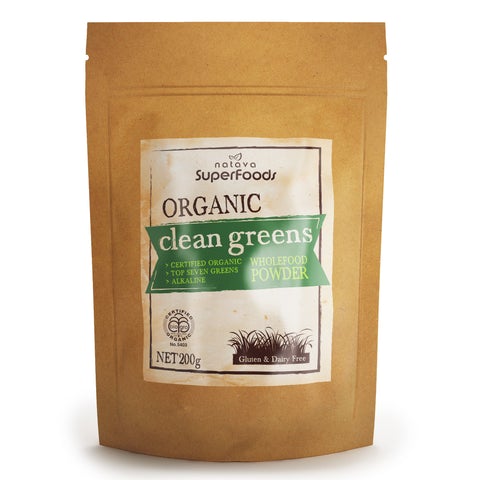
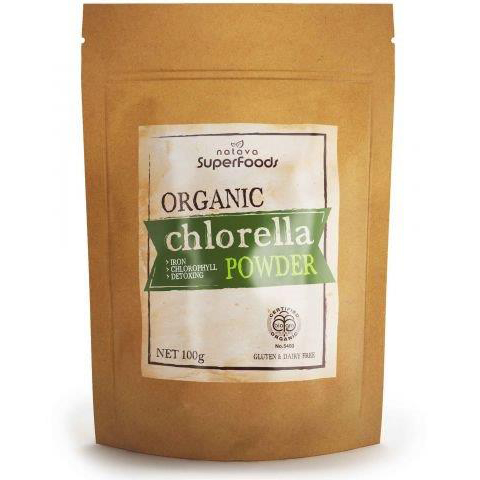
New Zealand – Natava SuperFoods brand Organic Chlorella Powder and Organic Clean Greens Wholefood Powder – Salmonella

MPI

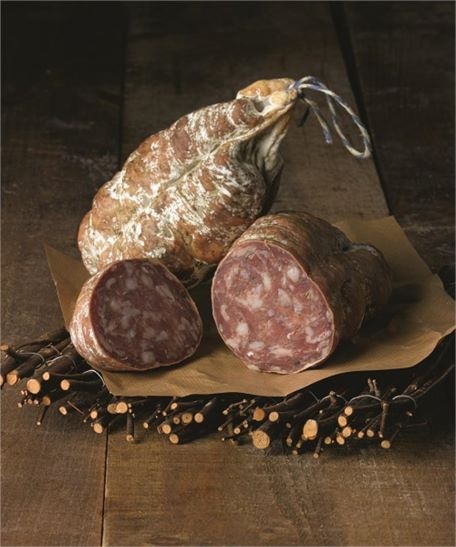
France – Jesus of Ardèche sold at the charcuterie stand with service – Salmonella

Gov france

Identification information of the recalled product

  • Product category Food
  • Product subcategory  Meats
  • Product brand name unbranded (sold at the stand department with service)
  • Model names or references Jesus of Ardeche
  • Identification of products
    Lot
    Product sold at the stand at the cup from 13/12/2021 to 21/01/2022
  • Marketing start/end date From 13/12/2021 to 21/01/2022
  • Storage temperature Product to be stored at room temperature
  • Health mark/
  • Further information Product sold at the Charcuterie stand between 12/13/2021 and 01/21/2022
  • Geographic area of ​​sale Cora Ales
  • Distributors Hypermarket Cora Ales

Practical information regarding the recall

  • Reason for recall Presence of Salmonella
  • Risks incurred by the consumer Salmonella spp (causative agent of salmonellosis)

USA – Annual Reports on Foodborne Illness Source Attribution Estimates

CDC

Foodborne Illness Source Attribution Estimates for SalmonellaEscherichia coli O157, Listeria monocytogenes, and Campylobacter Using Multi-Year Outbreak Surveillance Data, United States.

Latest Report for 2019

IFSAC analyzed data from 1,532 foodborne disease outbreaks that occurred from 1998 through 2019 to assess which categories of foods were most responsible for SalmonellaE. coli O157, Listeria monocytogenes, and Campylobacter infections. These pathogens were chosen because of the frequency or severity of the illnesses they cause, and because targeted interventions can have a major impact in reducing them. The implicated foods were divided into 17 categories for the analysis, and the method gives the greatest weight to the most recent five years of outbreak data (2015–2019).

Read the 2019 report pdf icon[PDF – 14 pages]