
With at least 18 ill in Ohio and nearly 100 ill in Michigan – not yet clear if the outbreaks from the two states are linked – the public is looking for information about this potentially deadly pathogen.
Read all about it at the link above

With at least 18 ill in Ohio and nearly 100 ill in Michigan – not yet clear if the outbreaks from the two states are linked – the public is looking for information about this potentially deadly pathogen.
Read all about it at the link above
Posted in Decontamination Microbial, E.coli, food bourne outbreak, Food Illness, Food Micro Blog, Food Microbiology, Food Microbiology Blog, Food Microbiology Research, Food Microbiology Testing, Foodborne Illness, foodborne outbreak, foodbourne outbreak, Illness, microbial contamination, Microbiological Risk Assessment, Microbiology, Microbiology Investigations, Microbiology Risk, outbreak
Almost 30 cases of E. coli infection have been linked to a nursery in Scotland.
NHS Lothian is part of a team investigating 28 cases of E. coli linked to Pear Tree Nursery on Church Street in Haddington. Officials previously said E. coli O157 had sickened a number of young people in the East Lothian area.
Cases are confined to the nursery, respective households, or other close contacts. The site has been closed while the investigation continues.
A number of confirmed patients have been hospitalized but all are in a stable condition. Most people had mild symptoms and did not require hospital treatment.
Some people at a partner nursery in the same town reported symptoms of vomiting and diarrhoea, which have resolved without medical treatment. Meadowpark Pear Tree Nursery in Haddington has also been closed.
Posted in E.coli O157, E.coli O157:H7, Food Illness, Food Micro Blog, Food Microbiology, Food Microbiology Blog, Food Microbiology Research, Food Microbiology Testing, Foodborne Illness, Illness, microbial contamination, Microbiological Risk Assessment, Microbiology, Microbiology Investigations, Microbiology Risk, STEC, STEC E.coli

A man is dead after contracting a bacterial infection from eating a raw oyster at the Rustic Inn Crabhouse in Dania Beach, according to the Sun Sentinel.
His death was traced to the bacteria, Vibrio, which is typically found in raw or undercooked seafood, like oysters.
According to the Sun Sentinel, the manager of the Rustic Inn, Gary Oreal, said the man who died was a former employee who had dined there earlier this month when the restaurant served as many as 100 dozen oysters. He was the only person who became sick.
“He had that one in a billion that was bad,” Oreal told the Sun Sentinel. “I feel horrible.”
Posted in food contamination, food handler, Food Hazard, Food Hygiene, Food Illness, Food Microbiology, Food Microbiology Blog, Food Microbiology Testing, Food Pathogen, Food Poisoning, Food Poisoning Death, food recall, Food Safety, Food Safety Alert, Food Safety Management, Food Testing, Food Toxin, Foodborne Illness, Foodborne Illness Death, Illness, Poisoning, Vibrio
According to 24 News, 16 people in Wood County have come down with E. coli in the past week, prompting the health department to begin investigating. From 2016 to 2020 the county only saw 27 cases altogether.
“Even a case or two is something we want to identify and respond to quickly so that if it is, in fact, something that could spread to others we have a chance to stop it,” said Benjamin Robison, the health commissioner for the Wood County Health Department.
Those who have fallen ill range from ages 13 to 60 years old and those who contract the virus can experience different levels of sickness and gastrointestinal symptoms.
The Wood County Health Department has sent lab samples to the Ohio Department of Health to learn whether or not the illnesses are connected. Results, and more information, are expected early next week.
“We are doing a comprehensive investigation to understand what the cause of this was. Until we know whether these diseases are being caused by the same strain, we really have to wait to understand what our next steps are going to be,” Robison said.
Posted in Decontamination Microbial, E.coli, food bourne outbreak, Food Illness, Food Micro Blog, Food Microbiology Blog, Foodborne Illness, foodborne outbreak, foodbourne outbreak, Illness, microbial contamination, Microbiological Risk Assessment, Microbiology, Microbiology Investigations, Microbiology Risk, outbreak
Wood TV 8 reports that the Ottawa County Health Department is warning about an E. coli outbreak in the community.
As of Friday, there are 12 shiga toxin E. coli cases in Ottawa County, the health department said.
The shiga toxin producing E. coli is often associated with foodborne outbreaks. Symptoms include diarrhea, severe stomach cramps, vomiting and a low-grade fever.
“It’s a bacteria that can have some serious complications in some folks, particularly kids,” said Derel Glashower of the Ottawa County Health Department.
Five of the 12 infected individuals in the county have been hospitalized — two of them are children. Glashower said two have serious kidney complications.
The big concern is the significant number of E. coli infections that the county is seeing this year. Glashower said that on average, the county sees two to three cases each August.
The health department said it is working to see if there are any common denominators in the cases.
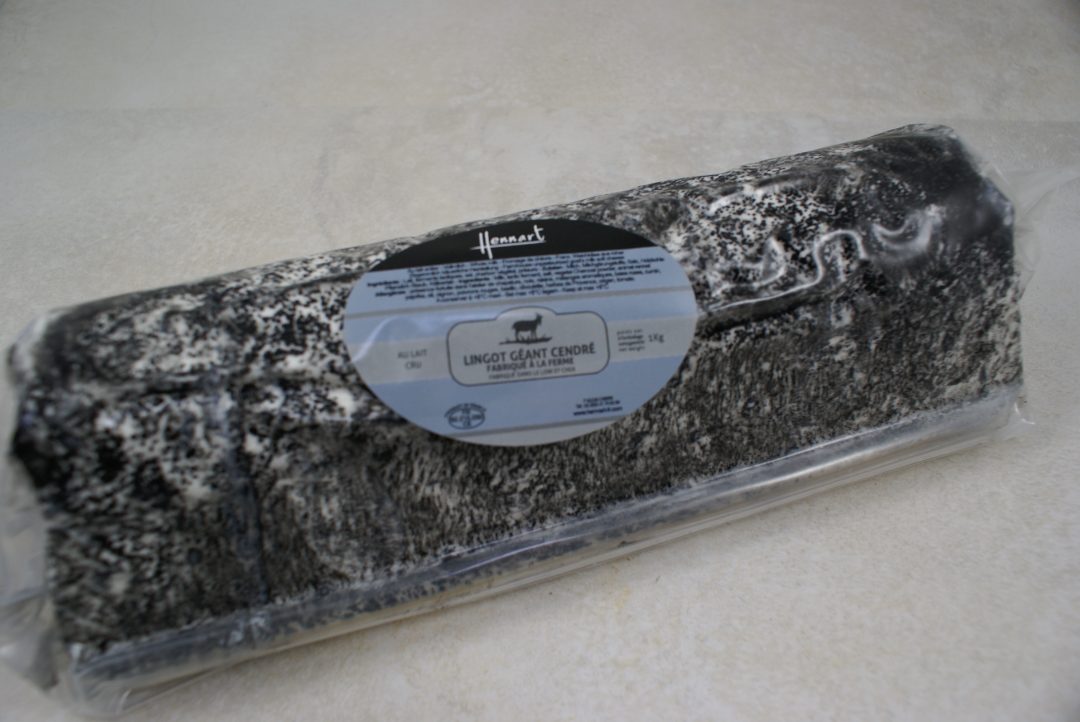
| GTIN | Batch | Date |
|---|---|---|
| 3700222101468 | 229101 – 230101 – 231101 | Date of minimum durability between 08/23/2022 and 09/06/2022 |
Posted in food contamination, food handler, Food Hazard, Food Hygiene, Food Illness, Food Inspections, Food Microbiology, Food Microbiology Blog, Food Microbiology Testing, Food Pathogen, food recall, Food Safety, Food Safety Alert, Food Safety Management, Food Testing, Listeria, Listeria monocytogenes

| GTIN | Batch | Date |
|---|---|---|
| 3423311550106 | 5222023682004/60 | Use-by date 20/08/2022 |
Posted in E.coli O26, food contamination, food handler, Food Hazard, Food Hygiene, Food Illness, Food Inspections, Food Micro Blog, Food Microbiology, Food Microbiology Blog, Food Microbiology Testing, Food Pathogen, Food Poisoning, food recall, Food Safety, Food Safety Alert, Food Safety Management, Food Testing, Food Toxin, STEC, STEC E.coli
We ranked seven foodborne pathogens in Denmark on the basis of their health and economic impact on society in 2019. We estimated burden of disease of infections with Campylobacter spp., Salmonella spp., Shiga toxin-producing Escherichia coli (STEC), Yersinia enterocolitica, Listeria monocytogenes, norovirus, and hepatitis A virus in terms of incidence, mortality, disability-adjusted life years (DALY), and economic burden in terms of direct and indirect health costs. These seven pathogens accounted for 268,372 cases, 98 deaths, and 3121 DALYs, and led to a total expenditure of 434 million Euro in 1 year in a country with 5.8 million citizens. Foodborne infections by Campylobacter, Salmonella, and norovirus caused the most DALYs, whereas Campylobacter, and norovirus and STEC had the higher costs. A combination of disease burden and cost of illness estimates is useful to inform policymaking and establish food safety priorities at the national level.
Posted in Campylobacter, campylobacter coli, Campylobacter jejuni, Death, food bourne outbreak, food death, Food Illness, Food Micro Blog, Food Microbiology, Food Microbiology Blog, Food Microbiology Research, Food Microbiology Testing, Food Poisoning Death, Food Virus Death, Foodborne Illness, Foodborne Illness Death, foodborne outbreak, foodbourne outbreak, Illness, Listeria, Listeria monocytogenes, microbial contamination, Microbiological Risk Assessment, Microbiology, Microbiology Investigations, Microbiology Risk, Norovirus, outbreak, Research, Salmonella, STEC, STEC E.coli, Yersinia, yersinia enterocolitica
The Institute of Public Health has discovered a national outbreak caused by the gastrointestinal bacterium monophasic Salmonella Typhimurium. So far, infection has been detected in 18 people. The Norwegian Food Safety Authority cooperates with the Norwegian Institute of Public Health and the Norwegian Veterinary Institute on the outbreak. The Norwegian Food Safety Authority is now working to trace the relevant watermelons.
– We consider it highly unlikely that melons associated with the outbreak are still on the market, says senior adviser Catherine Signe Svindland at the Norwegian Food Safety Authority.
According to the Norwegian Institute of Public Health, all 13 people who have been interviewed so far have eaten watermelon in the last few days before they fell ill. Most of the people fell ill in the period from the end of June to the middle of July 2022 and whole watermelon has a shelf life of 3-4 weeks.
– Melon grows on the ground in countries with a warm climate. There have previously been many outbreaks of salmonella from various types of melon. Bacteria grow very well in the melon flesh because melon has a neutral PH compared to other fruits, a lot of sugar and a high water content. If there is a wound through the skin, bacteria can enter the pulp, grow and become very numerous. Bacteria can also enter the pulp from the skin when you split the melon. If you buy ready-cut melon, feel free to ask the shop about their routines, says senior advisor Catherine Signe Svindland at the Norwegian Food Safety Authority.
Read more at the Institute of Public Health: Outbreak of Salmonella in Norway probably linked to watermelon (fhi.no)
Read more at the Veterinary Institute: Outbreak of salmonella probably linked to watermelon (vetinst.no)
Posted in food bourne outbreak, food contamination, food handler, Food Hazard, Food Hygiene, Food Illness, Food Inspections, Food Micro Blog, Food Microbiology, Food Microbiology Blog, Food Microbiology Testing, Food Pathogen, food recall, Food Safety, Food Safety Alert, Food Safety Management, food safety training, Food Testing, Foodborne Illness, foodborne outbreak, foodbourne outbreak, Illness, outbreak, Salmonella
| Date Posted |
Ref | Pathogen or Cause of Illness |
Product(s) Linked to Illnesses (if any) |
Total Case Count |
Status |
| 8/3/
2022 |
1080 | Cyclospora | Not Yet Identified | 6 | Active |
| 7/27/
2022 |
1084 | Cyclospora | Not Yet Identified | 77 | Active |
| 6/29/
2022 |
1076 | Not Yet Identified | Frozen Food | See Outbreak Advisory |
Active |
| 6/22/
2022 |
1075 | Salmonella Braenderup |
Not Yet Identified | 74 | Active |
| 6/22/
2022 |
1072 | Salmonella Paratyphi B var. L(+) tartrate+ |
Not Identified | 14 | Closed |
| 6/15/
2022 |
1070 | Listeria monocytogenes |
Not Identified | 12 | Closed |
| 6/8/
2022 |
1068 | E. coli O157:H7 |
Not Identified | 10 | Closed |
| 6/1/
2022 |
1066 | Hepatitis A Virus | Strawberries | See Outbreak Advisory |
Active |
| 5/25/
2022 |
1067 | Salmonella Senftenberg |
Peanut Butter | See Outbreak Advisory | Closed |
| 4/20/
2022 |
1064 | Not Yet Identified |
Dry Cereal | 558 adverse event reports |
Active |
| 4/13/
2022 |
1057 | Listeria monocytogenes |
Ice Cream | See Outbreak Advisory | Active |
| 3/30/
2022 |
1060 | None Identified |
Meal Replacement Drink |
6 adverse event reports |
Closed |
| 3/16/
2022 |
1055 | Salmonella Saintpaul |
Not Identified | 60 | Closed |
| 2/17/
2022 |
1056 | Cronobacter sakazakii |
Powdered Infant Formula |
See Advisory |
Active (IMG) |
| 2/9/
2022 |
1040 | Listeria monocytogenes |
Not Identified | 20 | Closed |
| 2/2/
2022 |
1054 | Enteroinvasive E. coli O143:H26 |
Not Identified |
16 | Closed |
| 1/10/
2022 |
1050 | E. coli O121:H19 |
Romaine | 4 | Closed |
Posted in Cronobacter sakazakii, Cyclospora, Cyclosporiasis, E.coli O121, E.coli O157, E.coli O157:H7, food bourne outbreak, Food Illness, Food Micro Blog, Food Microbiology, Food Microbiology Blog, Food Microbiology Research, Food Microbiology Testing, Foodborne Illness, Foodborne Illness Death, foodborne outbreak, foodbourne outbreak, Hepatitis A, Illness, Listeria, Listeria monocytogenes, microbial contamination, Microbiological Risk Assessment, Microbiology, Microbiology Investigations, Microbiology Risk, O143:H26, outbreak, Salmonella

 FoodWorld