Aflatoxin in groundnuts shelled from Brazil in Bulgaria
Aflatoxins in Bolivian groundnuts in the Netherlands
AFLATOXINS IN PISTACHIOS KERNELS FROM IRAN in Italy

Aflatoxin in groundnuts shelled from Brazil in Bulgaria
Aflatoxins in Bolivian groundnuts in the Netherlands
AFLATOXINS IN PISTACHIOS KERNELS FROM IRAN in Italy
Posted in Aflatoxin, food contamination, Food Hazard, Food Hygiene, Food Inspections, Food Micro Blog, Food Microbiology, Food Microbiology Blog, Food Microbiology Testing, Food Pathogen, food recall, Food Safety, Food Safety Alert, Food Temperature Abuse, Food Testing, Food Toxin, Mold Toxin, Mould Toxin, Mycotoxin, RASFF
Histamine in Mackerel in France in Austria, Belgium, Germany, Italy and Netherlands
Listeria monocytogenes in Matjes cuts with onions from the Czech Republic in Slovakia
Listeria Monocytogenes in beef from United Kingdom in the Netherlands
Listeria monocytogenes (3200 CFU/g) in chilled marinated salmon from Romania in Hungary
Salmonella group B (O:4) in chilled turkey meat from Poland in Belgium, Germany and Netherlands
Salmonella enterica ser. Enteritidis in chilled chicken meat from the Netherlands in the Netherlands and Belgium
Fishing mussels – salmonella spp from Denmark in France
Frozen chicken legs – Salmonella Enteritidis from Poland in France
Salmonella in chicken meat preparations from Poland in the Netherlands, Luxembourg and Belgium
Salmonella Enteritidis in official samples of chicken neck skins from Poland in the UK, Lithuania, Belgium,
Salmonella Typhimurium in turkey meat from Poland in Belgium, Czech Republic, Germany, Ireland and Latvia
Salmonella infantis in chicken meat from Spain in France
Salmonella infantis in chicken breast from Poland in the Czech Republic
Posted in food contamination, Food Hazard, Food Hygiene, Food Inspections, Food Micro Blog, Food Microbiology, Food Microbiology Blog, Food Microbiology Testing, Food Pathogen, food recall, Food Safety, Food Safety Alert, Food Testing, Polish Chicken Salmonella, RASFF, Salmonella, Salmonella in Chicken, Salmonella Poland
Salmonella in rapeseed cake from the Czech Republic in Germany and Austria
Posted in Uncategorized
This study aimed to investigate the inactivation of foodborne pathogens and the quality characteristics of fresh chicken breasts after Ultraviolet-C light-emitting diode (UVC-LED) treatment. Fresh chicken breasts were separately inoculated with Salmonella Typhimurium, Escherichia coli O157:H7, and Listeria monocytogenes at an initia population of 6.01, 5.80, and 6.22 log 10 CFU/cm 2 , respectively, then were treated by UVC-LED at 1000 to 4000 mJ/cm 2 . UVC-LED irradiation could inactivate the tested bacteria in a dose-dependent manner. After UVC-LED treatment at 4000 mJ/cm 2 , the populations of S . Typhimurium, E . coli O157:H7, and L . monocytogenes on chicken breasts were decreased by 1.90, 2.25, and 2.18 log 10 CFU/cm 2 , respectively. No significant ( P > 0.05) changes were found in the color, pH value, texture properties, and thiobarbituric acid reactive substances (TBARS) values of chicken breasts following the UVC-LED radiation at doses up to 4000 mJ/cm 2 . Overall, this study indicates that UVC-LED is a promising technology to reduce the number of microorganisms while maintaining the physico-chemical characteristics of poultry meat.
Posted in E.coli, E.coli O157, E.coli O157:H7, Food Micro Blog, Food Microbiology, Food Microbiology Blog, Food Microbiology Research, Food Microbiology Testing, Food Pathogen, Food Technology, Listeria, Listeria monocytogenes, microbial contamination, Microbiology, Pathogen, pathogenic, Research, Salmonella, Technology

Toxoplasma gondii , hepatitis E virus (HEV) and Salmonella are zoonotic foodborne pathogens that may be transmitted to humans through the consumption of raw or undercooked pork. The aim of this study was to determine the seroprevalence of anti- Toxoplasma gondii , anti-HEV and anti- Salmonella antibodies from healthy pigs at slaughter in Switzerland. In the period of August to September 2020 diaphragm muscle of Swiss fattening pigs was collected in three Swiss abattoirs from a total of 188 farms. Two randomly chosen pig carcasses per farm were selected. On the basis of the slaughter data, the production system and the canton of origin were noted, comparing indoor (n=120) and free-range farming (n=68), and regional allocation. The meat juice of these samples was analyzed for pathogen-specific antibodies using commercial enzyme-linked immunosorbent assay (ELISA) kits. The seroprevalences were 1.3% for T. gondii , 71.8% for the HEV and 5.3% for Salmonella , respectively. Comparing the origins, the results of many cantons weren’t meaningful due to the low number of samples. No regional accumulations were found for T. gondii and the HEV. The results showed that 2.1% of the farms had least one T. gondii seropositive animal, 80.3% had at least one HEV seropositive animal, and 8.5% had at least one Salmonella seropositive animal, respectively. The seropositivity of T. gondi i was higher in free-range pigs than in indoor pigs, whereas anti- Salmonella antibodies were more common in pigs from indoor farming than in outdoor pigs. The seroprevalence of anti HEV-Abs was similar in free-range and indoor farming pigs. Compared to studies from 2012 the seroprevalence of T. gondii has decreased whereas the seroprevalence of the HEV has increased and is highly prevalent among fattening pigs in Switzerland. The low seroprevalence of Salmonella has remained stable in recent years.

A norovirus outbreak among restaurant patrons in the Seattle-King County area of Washington has been reported.
The public health department reported on June 9 that 13 people from one meal party came down ill with symptoms of the virus after eating at Mazatlan Restaurant in Auburn, WA. The people dined at the restaurant on May 21.
“We have not identified how norovirus was spread within the restaurant. This is not uncommon for norovirus outbreaks because the virus can spread through multiple contaminated food items, environmental surfaces, and from person to person,” according to a statement from the public health department.
The table includes the conclusion of an E. coli O145:H28 outbreak. The FDA reports that 16 people were sickened in the outbreak for which a cause has not been detected.
A new Salmonella outbreak has also been added with little other information.

Posted in CORE Investigation Table, E.coli, E.coli O145, FDA, food bourne outbreak, food contamination, food handler, Food Hazard, Food Hygiene, Food Illness, Food Inspections, Food Micro Blog, Food Microbiology, Food Microbiology Blog, Food Microbiology Research, Food Microbiology Testing, Food Pathogen, Food Poisoning, food recall, Food Safety, Food Safety Alert, foodborne outbreak, foodbourne outbreak, outbreak, Salmonella
The company Petmark ehf has, in consultation with the Food Administration, recalled pig semen for pets after salmonella was detected in a sample. These are unpacked pork ears that were sold by choice in the stores Gæludýr.is and Bendir for the past four weeks (1.5.2021-6.6.2021).
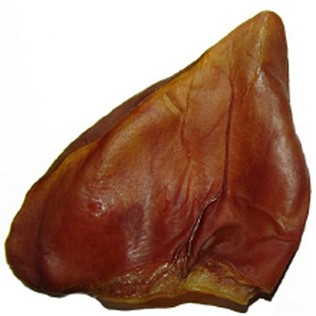
Those who have purchased the product are asked to return it to the point of sale or discard it.
Posted in Animal Feed, Animal Feed Testing, MAST, Pet Food, Pet Food Testing, Salmonella

 FoodWorld