USA -Listeria Outbreak Linked to Queso Fresco and Cotija Cheese

CDC

What You Should Do
  • Do not eat any recalled cheeses or dairy products.
    • Throw them away or return them to where you bought them.
  • Clean the refrigerator, containers, and surfaces that may have touched the recalled products.
    • Listeria can survive in the refrigerator and can easily spread to other foods and surfaces.
  • Call a healthcare provider right away if you have these symptoms after eating recalled products:
    • Pregnant people usually have fever, muscle aches, and tiredness.
    • People who are not pregnant usually have fever, muscle aches, and tiredness. They may also get a headache, stiff neck, confusion, loss of balance, or seizures.
What Businesses Should Do
Fast Facts
  • Illnesses: 26
  • Hospitalizations: 23
  • Deaths: 2
  • States: 11
  • Recall: Yes
  • Investigation status: Active
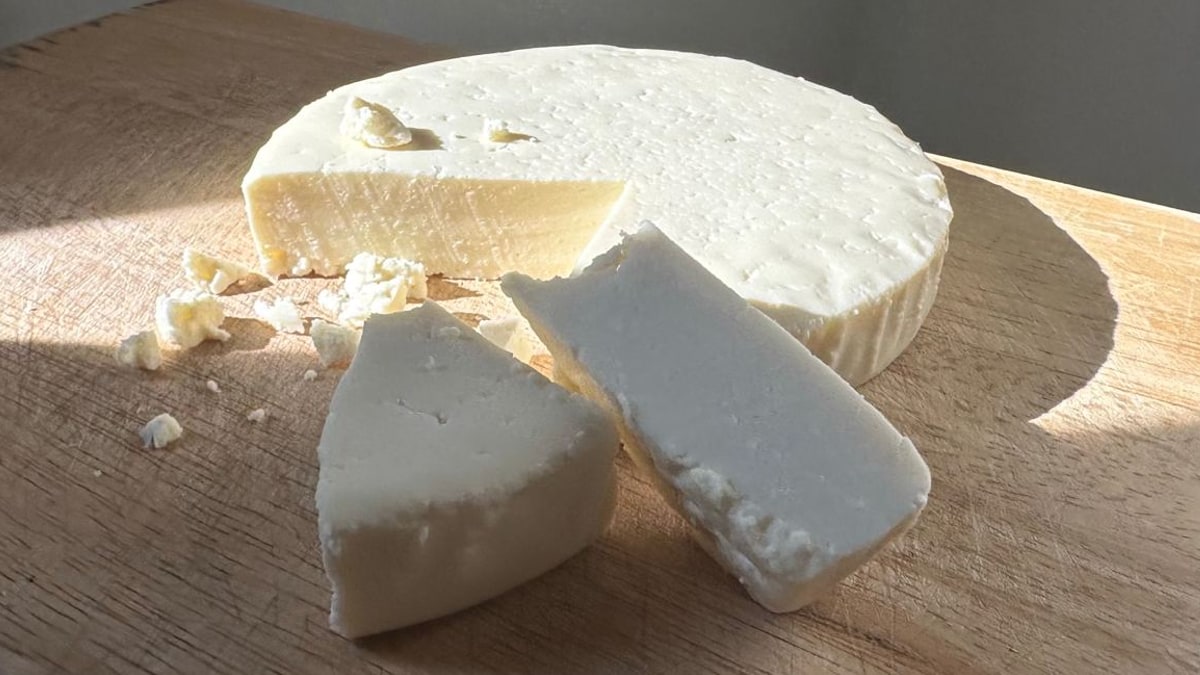
Round block of cheese on a wooden cutting board

Queso fresco

Recalled Food

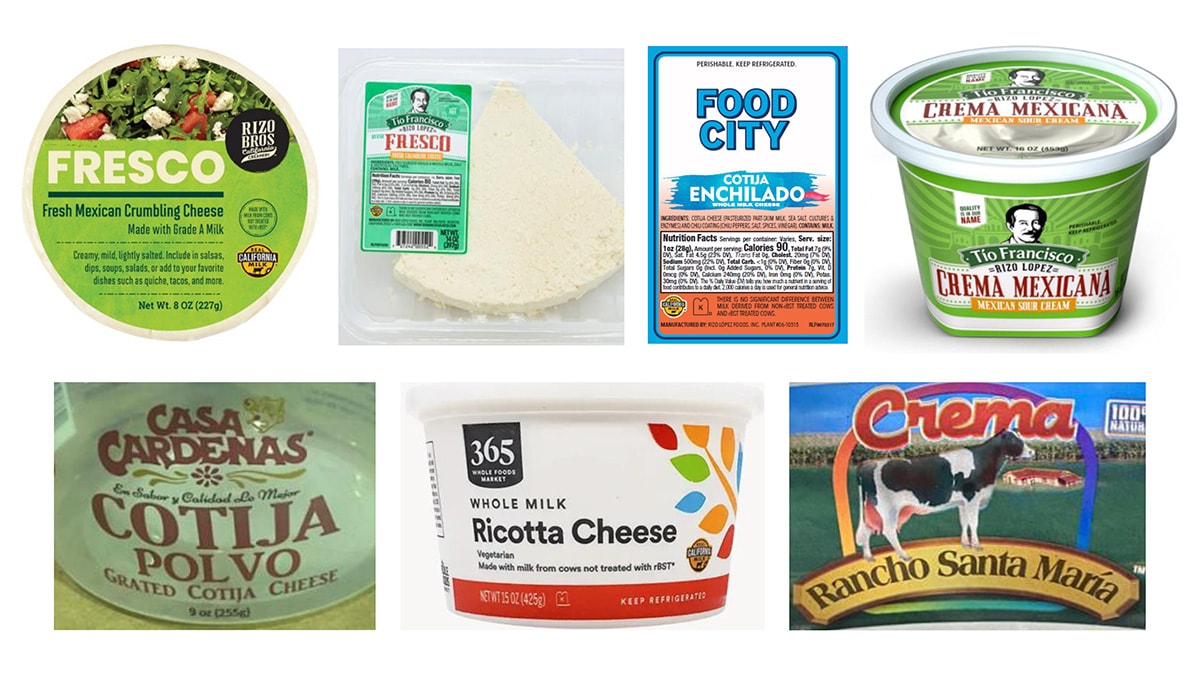
Cheeses, crema, and yogurt made by Rizo-López Foods

  • On February 6, 2024, Rizo-López Foods recalled all cheeses and other dairy products made in their facility.
  • Products were sold nationwide under these brands and at deli counters:
    • Campesino
    • Casa Cardenas
    • Don Francisco
    • Dos Ranchitos
    • El Huache
    • Food City
    • La Ordena
    • Rio Grande
    • Rizo Bros
    • San Carlos
    • Santa Maria
    • Tio Francisco
    • 365 Whole Foods Market

Research – A new Rogue-like Escherichia phage UDF157lw to control Escherichia coli O157:H7

Frontiers In.org

Introduction: Shiga toxin-producing Escherichia coli (STEC) O157:H7 is one of the notorious foodborne pathogens causing high mortality through the consumption of contaminated food items. The food safety risk from STEC pathogens could escalate when a group of bacterial cells aggregates to form a biofilm. Bacterial biofilm can diminish the effects of various antimicrobial interventions and enhance the pathogenicity of the pathogens. Therefore, there is an urgent need to have effective control measurements. Bacteriophages can kill the target bacterial cells through lytic infection, and some enzymes produced during the infection have the capability to penetrate the biofilm for mitigation compared to traditional interventions. This study aimed to characterize a new Escherichia phage vB_EcoS-UDF157lw (or UDF157lw) and determine its antimicrobial efficacy against E. coli O157:H7.

USA- Trader Joe’s Recalls Certain Products Containing Cotija Cheese Because They May Be Contaminated With Listeria Monocytogenes

FDA

Trader Joe’s of Monrovia, CA is recalling certain products containing cotija cheese, as the cheese used to make these products has the potential to be contaminated with Listeria monocytogenes, an organism which can cause serious and sometimes fatal infections in young children, frail or elderly people, and others with weakened immune systems. Healthy individuals may suffer short-term symptoms such as high fever, severe headache, stiffness, nausea, abdominal pain and diarrhea. Listeria infection can cause miscarriage and stillbirths among pregnant women.

The cotija cheese that was used to produce the products below was manufactured by Rizo-López Foods, Inc. On 2/5/2024, Rio- López Foods initiated a recall of dairy items, including cotija cheese, under multiple brand names. As a result, Trader Joe’s is recalling all codes of the products listed below that were manufactured with cotija cheese.

The recalled products were sold in Trader Joe’s stores nationwide.

Recalled products include all lots of the following products:

  • Trader Joe’s Chicken Enchiladas Verde (SKU 58292)
  • Trader Joe’s Cilantro Salad Dressing (SKU 36420)
  • Trader Joe’s Elote Chopped Salad Kit (SKU 74768)
  • Trader Joe’s Southwest Salad (SKU 56077)

No illnesses have been reported related to these products, to date.

If you purchased any of these products, please discard them or return them to any Trader Joe’s for a full refund.

Customers with questions may contact Trader Joe’s Customer Relations at (626) 599-3817 [Monday through Friday, 6:00 am to 5:00 pm Pacific Time].

Outbreak Advisory.


Company Contact Information

Consumers:
Trader Joe’s Customer Relations
 (626) 599-3817

RASFF Alerts – Listeria monocytogenes – Ham Gorgonzola

RASFF

Presence of Listeria monocytogenes in gorgonzola cheese from Italy in France

RASFF

Listeria monocytogenes in ham from Germany with raw material from Belgium

RASFF Alert- Salmonella – Polish Poultry Products – Sesame Seeds – Beef Trimmings – Helva with Pistachios – Duck Breast Fillet –

RASFF

Presence of Salmonella in onion powder from India in Spain

RASFF

Salmonella Enteritidis in beef trimmings from Netherlands. in Sweden

RASFF

Salmonella Havana in Helva with pistachios from Türkiye, via Germany in France and Switzerland

RASFF

Salmonella typhimurium in Turkey thigh fillet from Poland in Latvia and Estonia

RASFF

Salmonella spp in sesame seeds from Nigeria in Greece

RASFF

Salmonella Newport in Duck breast fillet from Poland in Estonia and Finland

RASFF Alerts- Aflatoxin – Dried Figs – Groundnuts – Peanuts – Pistachios – Almonds

RASFF

Aflatoxin B1 in groundnuts from Paraguay in the Netherlands

RASFF

Aflatoxins in U.S.A. peanuts in the Netherlands

RASFF

Aflatoxins in groundnuts from Egypt in Belgium

RASFF

Aflatoxins in groundnuts from Egypt in Belgium

RASFF

Aflatoxins in groundnuts from Egypt in Belgium, Germany and Netherlands.

RASFF

Aflatoxin in Pistachio origin USA exported from Turkiye in Italy

RASFF

Aflatoxin B1 and total aflatoxins in dried figs from Turkey in France

RASFF

Aflatoxins in dried figs from Turkey in Germany

RASFF

Aflatoxins in almonds from United States in Spain

RASFF Alerts – Vibrio cholerae – Frozen Shrimps

RASFF

Vibrio cholerae in frozen raw shrimps from Ecuador in Sweden

RASFF Alerts – Mold/Moulds – W0nton Dough – Food Supplement

RASFF

Mould infestation in frozen wonton dough from Singapore in the Netherlands and Germany

RASFF

Mould in food supplement from South Africa in the Belgium and Netherlands

RASFF Alert- Histamine – Tuna – Anchovy Fillets in Olive Oil

RASFF

Presence of Histamine above the maximum permitted limit in tuna from Senegal in Spain

RASFF

MRL exceeding for Histamine in anchovy fillets in olive oil from Italy in Romania

Research – Verification of a Rapid Analytical Method for the Qualitative Detection of Listeria spp. and Listeria monocytogenes by a Real-Time PCR Assay according to EN UNI ISO 16140-3:2021

MDPI

Abstract

Microbial contamination and foodborne infections are a significant global public health concern. For this reason, the detection, monitoring, and characterization of pathogens represent a significant challenge in quality control settings. Standard approaches, such as culture methods and biochemical tests, are known to be very time-consuming and intensive. Conversely, molecular technologies based on the genomic identification of bacteria are quick and low-cost. Listeria monocytogenes is an opportunistic pathogen and a major concern especially in food industries. It is important to understand and implement multiple quality control measures to control Listeria infection risk and prevent the contamination of products. Standardized detection and confirmation tests such as the API Listeria test, MALDI-TOF MS, and PCR analysis are available. The aim of our work is to provide a specific molecular method, designed according to the EN UNI ISO 16140-3:2021, for the specific detection, monitoring, and characterization of Listeria spp. and Listeria monocytogenes contamination. The verification of this new rapid approach by real-time PCR (qPCR) overcomes the limitations of culture-based techniques, meeting all the verification criteria required by ISO guidelines, including implementation and item confirmation. This system offers a powerful approach to the real-time assessment of food safety, useful for industry self-monitoring and regulatory inspection.