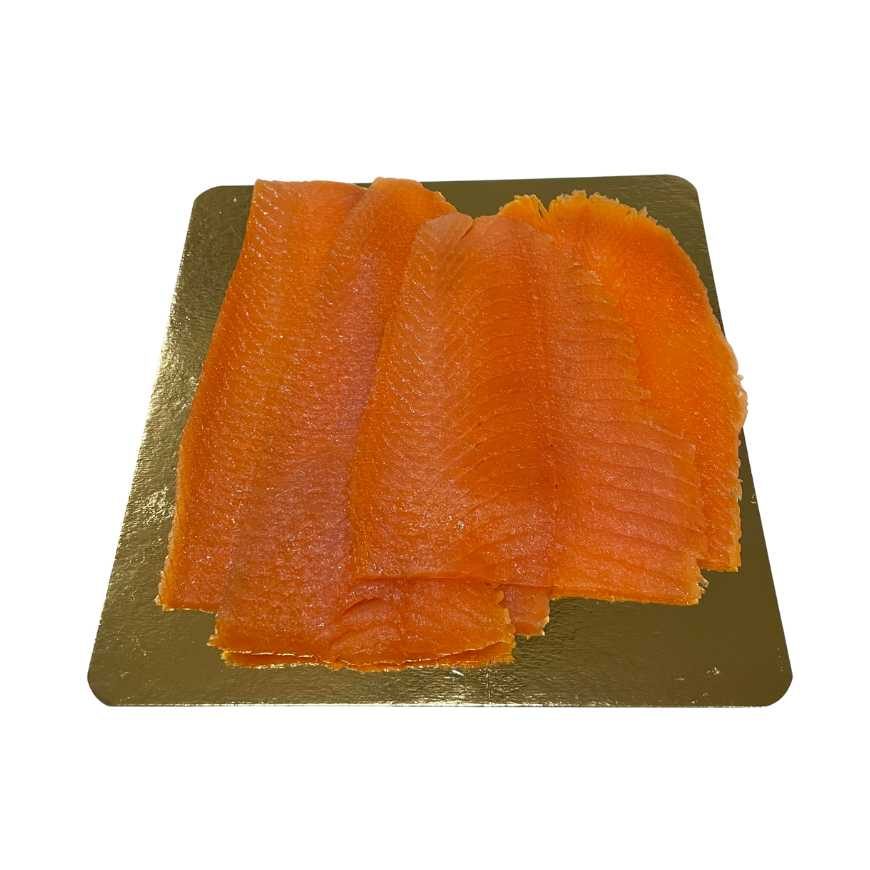
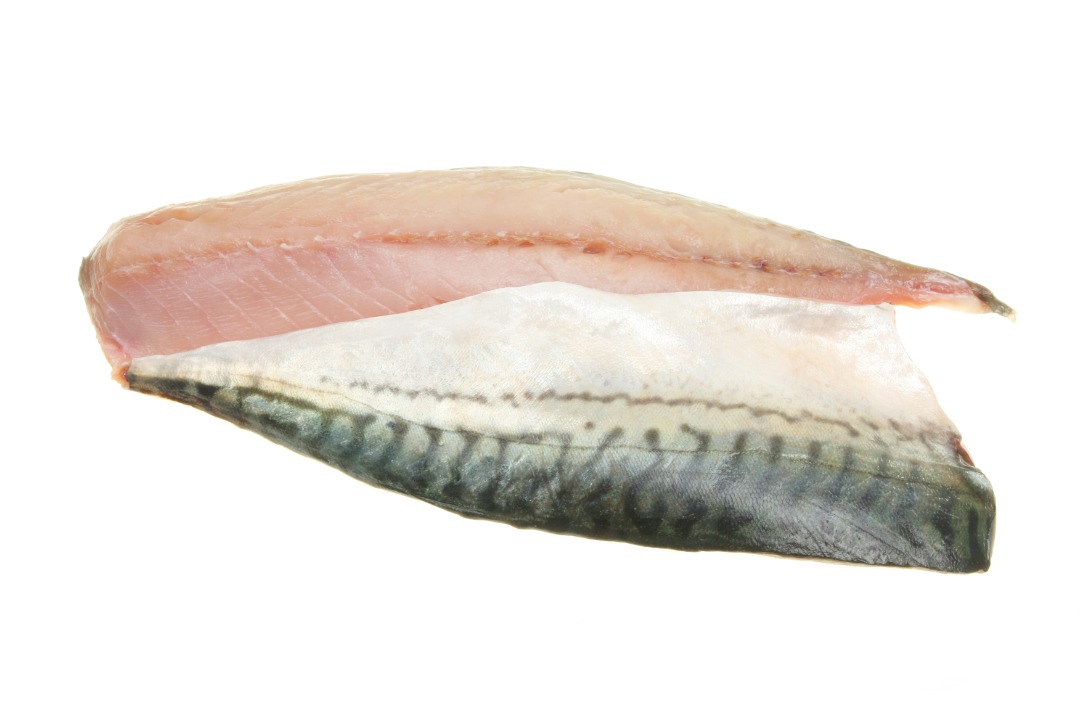
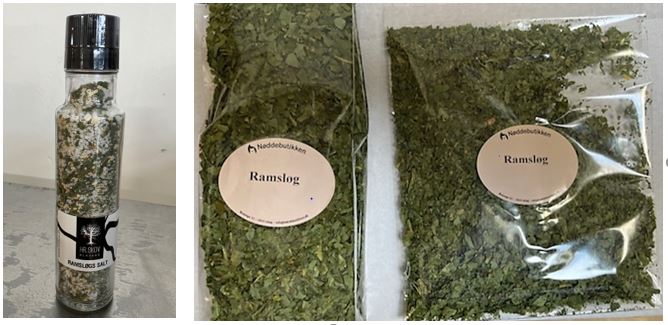
UK – Bread Spread recalls various chilled and ready to eat products because of the presence of Listeria monocytogenes

Gov UK

Bread Spread is recalling various chilled and ready to eat foods because Listeria monocytogenes has been found in some of the products.

Product details

Bread Spread Ready to Eat Food Products
Pack size All pack sizes
Use by All date codes up to and including 18 May 2024
Orbital Foods Ready to Eat Food Products
Pack size All pack sizes
Use by All date codes up to and including 18 May 2024
Perfect Bite Ready to Eat Food Products
Pack size All pack sizes
Use by All date codes up to and including 18 May 2024

Risk statement

The presence of Listeria monocytogenes in the above products.

Symptoms caused by this organism can be similar to flu and include high temperature, muscle ache or pain, chills, feeling or being sick and diarrhoea. However, in rare cases, the infection can be more severe, causing serious complications, such as meningitis.

Some people are more vulnerable to listeria infections, including those over 65 years of age, pregnant women and their unborn babies, babies less than one month old and people with weakened immune systems.

Action taken by the company

Bread Spread are recalling the above products. Point of sale notices will be displayed where the products were sold. These notices explain to customers why the products are being recalled and tell them what to do if they have bought the products. Please see the attached notices.

Our advice to consumers

If you have bought the above products do not eat them. Instead, return the products to where they were bought for a full refund. For further information breadspread2501@gmail.com

Research – Lysin and Lytic Phages Reduce Vibrio Counts in Live Feed and Fish Larvae

MDPI

Bacteriophage on colorful background

Abstract

Vibrio species are naturally found in estuarine and marine ecosystems, but are also recognized as significant human enteropathogens, often linked to seafood-related illnesses. In aquaculture settings, Vibrio poses a substantial risk of infectious diseases, resulting in considerable stock losses and prompting the use of antimicrobials. However, this practice contributes to the proliferation of antimicrobial-resistant (AMR) bacteria and resistance genes. Our investigation aimed to explore the potential of biological agents such as bacteriophage CH20 and endolysin LysVPp1 in reducing Vibrio bacterial loads in both rotifer and fish larvae. LysVPp1’s lytic activity was assessed by measuring absorbance reduction against various pathogenic Vibrio strains. Phage CH20 exhibited a limited host range, affecting only Vibrio alginolyticus GV09, a highly pathogenic strain. Both CH20 and LysVPp1 were evaluated for their effectiveness in reducing Vibrio load in rotifers or fish larvae through short-setting bioassays. Our results demonstrated the significant lytic effect of endolysin LysVPp1 on strains of Vibrio alginolyticusVibrio parahaemolyticus, and Vibrio splendidus. Furthermore, we have showcased the feasibility of reducing the load of pathogenic Vibrio in live feed and fish larvae by using a non-antibiotic-based approach, such as lytic phage and endolysin LysVPp1, thus contributing to the progress of a sustainable aquaculture from a One Health perspective

Research – Validation of a simulated commercial traditional crust pepperoni pizza baking process and thermal inactivation parameters of a 3-serovar Salmonella inoculum in pizza dough

Wiley Online

The objective of this study was to validate a simulated commercial baking process for traditional crust pepperoni pizza to inactivate Salmonella when contamination was introduced through inoculated flour and pepperoni slices. The unbleached flour and pepperoni slices were inoculated (separate studies) with a 3-serovar Salmonella cocktail and dried back to their respective pre-inoculation water activity level to achieve 6.14 and 6.84 log CFU/g, respectively. The inoculated traditional crust pizza was baked at 260°C (500 °F) for 12 min followed by 15 min of ambient cooling. In both cases, a >6 log CFU/g reduction in Salmonella population was achieved by the first 8 min of baking. The pH (5.23–5.25) and water activity (0.958 ± 0.001–0.938 ± 0.005) of the pizza in this study did not change significantly. The D-values of 3-serovar Salmonella cocktail in traditional crust pepperoni pizza dough were 23.2 ± 1.82, 7.50 ± 0.32, and 2.0 ± 0.15 min at 56°C, 59°C, and 62°C, respectively, with a z-value of 5.7°C. The study validated that traditional crust pepperoni pizzas when baked at 260°C (500 °F) for at least 12 min will reduce Salmonella populations by ≥5 log CFU/g if prebaking contamination occurs via flour and/ or pepperoni.

Research – An In-Depth Study on the Inhibition of Quorum Sensing by Bacillus velezensis D-18: Its Significant Impact on Vibrio Biofilm Formation in Aquaculture

MDPI

Abstract

Amid growing concerns about antibiotic resistance, innovative strategies are imperative in addressing bacterial infections in aquaculture. Quorum quenching (QQ), the enzymatic inhibition of quorum sensing (QS), has emerged as a promising solution. This study delves into the QQ capabilities of the probiotic strain Bacillus velezensis D-18 and its products, particularly in Vibrio anguillarum 507 communication and biofilm formation. Chromobacterium violaceum MK was used as a biomarker in this study, and the results confirmed that B. velezensis D-18 effectively inhibits QS. Further exploration into the QQ mechanism revealed the presence of lactonase activity by B. velezensis D-18 that degraded both long- and short-chain acyl homoserine lactones (AHLs). PCR analysis demonstrated the presence of a homologous lactonase-producing gene, ytnP, in the genome of B. velezensis D-18. The study evaluated the impact of B. velezensis D-18 on V. anguillarum 507 growth and biofilm formation. The probiotic not only controls the biofilm formation of V. anguillarum but also significantly restrains pathogen growth. Therefore, B. velezensis D-18 demonstrates substantial potential for preventing V. anguillarum diseases in aquaculture through its QQ capacity. The ability to disrupt bacterial communication and control biofilm formation positions B. velezensis D-18 as a promising eco-friendly alternative to conventional antibiotics in managing bacterial diseases in aquaculture.

Research – Long chain unsaturated fatty acids alter growth and reduce biofilm formation of Cronobacter sakazakii

Wiley Online

Cronobacter sakazakii is a foodborne pathogen predominately transmitted through contaminated dried foods and affects populations including neonates, infants, and the elderly. Following several recent outbreaks, it is now a notifiable infection in those under 12 months of age. Current control methods include strict manufacturing guidelines, with monitoring of this genus a legal requirement in powdered infant formula production. Fatty acids have long been known as antimicrobials, with long-chain fatty acids increasingly identified as agents that target virulence factors. This study gives insight into the changes promoted by three long-chain unsaturated fatty acids (oleic, linoleic, and α-linolenic) on C. sakazakii growth, morphology, and biofilm formation. Each fatty acid was individually introduced to C. sakazakii 29544 both as a sole carbon source and as an addition to complex media. Following comparison to the untreated control, bacterial cells treated with these fatty acids showed a significant and media-dependent impact on growth and biofilm inhibition. With further characterization, long-chain fatty acids, including α-linolenic acid, could be utilized as a control method with minimal safety constraints regarding their use in the food production environment.

Research – Fermented Rapeseed and Soybean Alone and in Combination with Macro Algae Inhibit Human and Pig Pathogenic Bacteria In Vitro

MDPI

Abstract

Higher plants produce secondary metabolites expressing antimicrobial effects as a defense mechanism against opportunistic microorganisms living in close proximity with the plant. Fermentation leads to bioconversion of plant substrates to these bioactive compounds and their subsequent release via breakdown of plant cell walls. Fermented feed products have recently started to become implemented in the pig industry to reduce overall disease pressure and have been found to reduce events such as post-weaning diarrhea. In this study, we investigate the antimicrobial potential of fermented soybean- and rapeseed-based pig feed supplements with and without added seaweed. The antimicrobial effect was tested in a plate well diffusion assay against a range of known human and livestock pathogenic bacteria. Further, we investigate the metabolite profiles based on liquid-chromatography mass-spectrometry (LC-MS) analysis of the fermented products in comparison to their unfermented constituents. We observed a pronounced release of potential antimicrobial secondary metabolites such as benzoic acids when the plant material was fermented, and a significantly increased antimicrobial effect compared to the unfermented controls against several pathogenic bacteria, especially Salmonella enterica Typhimurium, Listeria monocytogenesYersinia enterocolitica, and a strain of atopic dermatitis causing Staphylococcus aureus CC1. In conclusion, fermentation significantly enhances the antimicrobial properties of rapeseed, soybean, and seaweed, offering a promising alternative to zinc oxide for controlling pathogens in piglet feed. This effect is attributed to the release of bioactive metabolites effective against pig production-relevant bacteria.

Research – Analysis of flour and rice shows high levels of harmful fungal toxins

Medical Express

By analyzing samples of flour and rice stored in homes in Ribeirão Preto, in the interior of the state of São Paulo (Brazil), researchers from the University of São Paulo (USP) found the presence of high levels of fungal toxins (mycotoxins). The study is published in the journal Food Research International.

The six toxins of concern were found in all the food samples analyzed: aflatoxins (AFs), fumonisins (FBs), zearalenone (ZEN), T-2 toxin, deoxynivalenol (DON), and ochratoxin A (OTA). In the case of the mycotoxins FBs, ZEN, and DON, the levels were above the tolerance limit set by the health authorities. This study was the first in Brazil to use biomarkers to characterize the risk associated with mycotoxins in the diet of children and adolescents.

Research – Officials find contaminated food played role in Guillain-Barré outbreak

Food Safety News

Consumption of poorly prepared food has been identified as a factor in a fatal Guillain-Barré outbreak in Guatemala.

Findings come from the results of case control studies announced by the Ministry of Public Health and Social Assistance (MSPAS) and the Guatemalan Institute of Social Security (IGSS).

Guillain-Barré syndrome (GBS) is a rare disorder where the body’s immune system damages nerves. The cause is not fully understood but the syndrome often follows infection with a virus or bacteria. Infection with Campylobacter jejuni, which causes gastroenteritis, including symptoms of nausea, vomiting and diarrhea, is one of the most common risk factors for GBS.

Research-Raw meat-based diet for pets: a neglected source of human exposure to Salmonella and pathogenic Escherichia coli clones carrying mcr, Portugal, September 2019 to January 2020

Eurosurveillance

The pet industry has evolved in recent decades due to increasing pet populations, stronger human–pet bonds and demand for high-quality pet food products [1,2]. Processed pet food manufactured with various processing methods (e.g. grinding, cooking, extrusion and dehydration) has traditionally been considered microbiological safe and nutritionally suitable for feeding pets [1,3]. However, since some pet owners consider unprocessed food healthier, raw meat-based diets (RMBDs) for dogs have gained popularity [1,2,4]. The RMBDs are mainly composed of uncooked or minimally processed meat, bones and organs, with freezing as the primary treatment, and are considered to be more natural than conventional processed pet food [1,5]. Nevertheless, the scientific evidence supporting RMBD benefits is scarce, and many veterinary professional organisations (e.g. the World Small Animal Veterinary Association) and international public health agencies (e.g. the United States (US) Centers for Disease Control and Prevention (CDC)) view them as potential health hazards for both animals and humans [1,5]; awareness of this issue appears less evident in Europe [6]. The safety concerns associated with RMBDs are related to the potential contamination of raw ingredients with zoonotic pathogenic bacteria and parasites [1,3,4]. Such contamination could lead to the spread of these pathogens to both pets and humans cohabitating with pets, through direct contact with the pet or its feed, or indirectly through contact with contaminated household surfaces or hands during feed preparation.

In the European Union (EU), legal requirements for the use of animal by-products and derived products not intended for human consumption are established, including those to produce processed or raw pet food, helping to ensure microbiological safety [7]. Nevertheless, since 2020, there have been more than 20 notifications or recalls of pet food and RMBD in the EU due to the detection of zoonotic pathogens, particularly  and pathogenic  [8], and also cases of human infections with  and Shiga toxin-producing  (STEC) linked to exposure to RMBDs [911]. Several studies have also established a correlation between the microbiota of pets and their owners, including the presence of antibiotic-resistant strains, with pet food as a potential source [12,13]. However, certain antibiotic-resistant bacteria and genes of public health concern, such as the  gene conferring resistance to the last-line antibiotic colistin, have not been extensively studied in pet food and RMBDs [1,1416]. Consequently, these antibiotic-resistant strains and genes have not been recognised as notable food safety issues in the context of the pet food industry [6]. To address this knowledge gap, we aimed to investigate the occurrence of and further characterise  and other  resistant to critical antibiotics, such as colistin, in dog food, including RMBDs, that is available in stores in Portugal to investigate if they represent a possible source of these hazards to public health.

Research – Microbiological Risks of Traditional Raw Cow’s Milk Cheese (Koryciński Cheeses)

MDPI

Abstract

Traditional and regional foods have been increasing in popularity among consumers in Poland for many years. The observed trend of searching for natural and authentic taste encourages many producers to craft products from raw milk, including Koryciński cheeses. The aim of this study was to assess the microbiological hazards resulting from the presence of pathogenic bacteria in Koryciński cheeses available in retail trade. The tests were carried out using accredited methods, including the detection of the presence of Salmonella spp., the enumeration of Listeria monocytogenes, the enumeration of coagulase-positive staphylococci, and the detection of staphylococcal enterotoxins in food when the number of coagulase-positive staphylococci in the sample exceeded the limit of 105 cfu/g. The research material consisted of 45 Koryciński cheeses. The tests conducted revealed that Salmonella spp. was not detected in any of the examined cheeses. However, coagulase-positive staphylococci were present in 68.9% of the samples. In as many as 15 tested cheeses, the level of S. aureus contamination was above 105 cfu/g; therefore, these samples were tested for the presence of staphylococcal enterotoxins. The presence of staphylococcal enterotoxins was found in one Koryciński cheese. In four cheeses, the number of L. monocytogenes exceeded the level of 102 cfu/g, the limit specified in Regulation 2073/2005 on microbiological criteria for foodstuffs. The obtained research results confirm the validity of monitoring the microbiological quality of Koryciński cheeses and the need to increase awareness of ensuring proper hygienic conditions of production, including the increased risk associated with unpasteurized milk products.