Category Archives: Toxin

RASFF Alerts – Aflatoxin – Groundnuts – Pistachios – Nutmeg – Popcorn Maize

RASFF

Aflatoxin in nutmeg Indonesia in the Netherlands

RASFF

Aflatoxin in Argentine groundnuts in the Netherlands

RASFF

Aflatoxins in pistachios from the United States in Germany

RASFF

Aflatoxin in Argentine groundnuts in the Netherlands

RASFF

Aflatoxins in organic popcorn maize from Turkey in Belgium, Denmark, Germany, Hungary, Netherlands, Spain

RASFF

Aflatoxins in pistachio kernels in Belgium

New Zealand – Shellfish biotoxin alerts – Hawkes Bay

MDPI

North Island warnings

Hawke’s Bay

Reason for alert Paralytic Shellfish Poisoning (PSP)

Check the symptoms of PSP

Date warning issued 16 June 2021

Media release

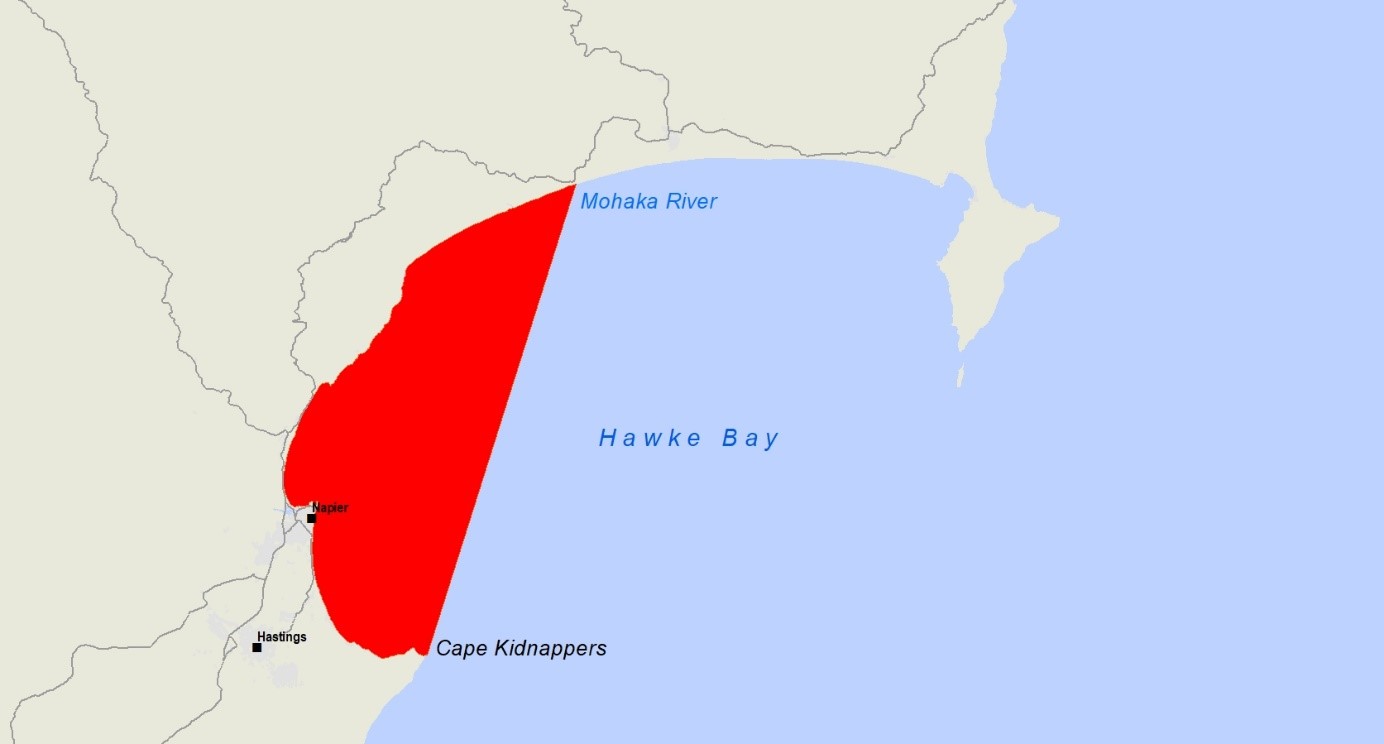
Affected area From the Mohaka River mouth, south to Cape Kidnappers.
Shellfish affected Mussels, oysters, tuatua, pipi, toheroa, cockles, scallops, catseyes, kina (sea urchin), and all other bivalve shellfish.

Note, cooking shellfish does NOT remove the toxin.

Pāua, crab, and crayfish may still be eaten if the gut has been completely removed prior to cooking, as toxins accumulate in the gut. If the gut is not removed its contents could contaminate the meat during the cooking process.

Symptoms Symptoms typically appear between 10 minutes and 3 hours after ingestion and may include:

  • numbness and a tingling (prickly feeling) around the mouth, face, and extremities (hands and feet)
  • difficulty swallowing or breathing
  • dizziness
  • headache
  • nausea
  • vomiting
  • diarrhoea
  • paralysis and respiratory failure, and in severe cases, death.
Other information Paralytic shellfish toxins have been detected in shellfish from Pania Reef at levels over the safe limit of 0.8mg/kg set by MPI. Ongoing testing will continue and any changes will be communicated accordingly.

Map of affected area

Map showing the affected area

British Virgin Islands- Ciguatera increase

Food Safety News

Authorities in the British Virgin Islands have issued a warning after a surge in Ciguatera fish poisoning (CFP) within the past few weeks.

Cases until the week of June 6 were sporadic, but within three weeks there have been eight confirmed infections with other suspected cases also being investigated.

National Epidemiologist Harmony Massiah said CFP is not uncommon in tropical and sub-tropical areas and is mainly associated with consumption of big coral reef fish like snapper, bass and perch that have accumulated ciguatoxin in the body.

Larger fish will have higher amounts of the toxin. Contaminated fish cannot be identified by appearance and the toxin cannot be destroyed by cooking or freezing.

Research – Histamine food poisoning: a sudden, large outbreak linked to fresh yellowfin tuna from Reunion Island,France, April 2017

Click to access 226790618.pdf

Research – Mycotoxins Affecting Animals, Foods, Humans, and Plants: Types, Occurrence, Toxicities, Action Mechanisms, Prevention, and Detoxification Strategies—A Revisit

MDPI

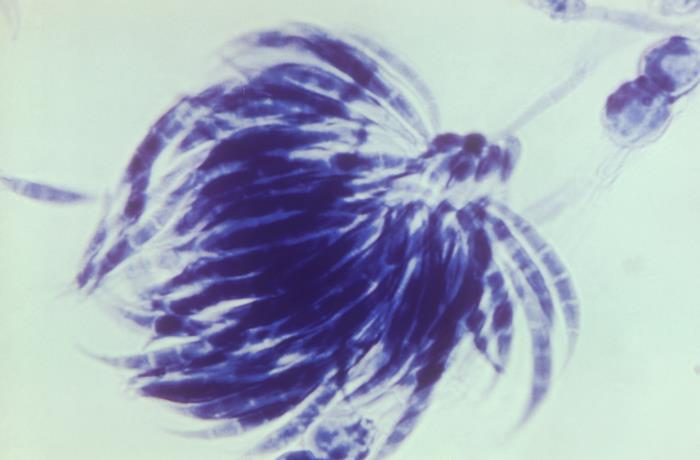
CDC Fusarium1

Mycotoxins are produced by fungi and are known to be toxic to humans and animals. Common mycotoxins include aflatoxins, ochratoxins, zearalenone, patulin, sterigmatocystin, citrinin, ergot alkaloids, deoxynivalenol, fumonisins, trichothecenes, Alternaria toxins, tremorgenic mycotoxins, fusarins, 3-nitropropionic acid, cyclochlorotine, sporidesmin, etc. These mycotoxins can pose several health risks to both animals and humans, including death. As several mycotoxins simultaneously occur in nature, especially in foods and feeds, the detoxification and/or total removal of mycotoxins remains challenging. Moreover, given that the volume of scientific literature regarding mycotoxins is steadily on the rise, there is need for continuous synthesis of the body of knowledge. To supplement existing information, knowledge of mycotoxins affecting animals, foods, humans, and plants, with more focus on types, toxicity, and prevention measures, including strategies employed in detoxification and removal, were revisited in this work. Our synthesis revealed that mycotoxin decontamination, control, and detoxification strategies cut across pre-and post-harvest preventive measures. In particular, pre-harvest measures can include good agricultural practices, fertilization/irrigation, crop rotation, using resistant varieties of crops, avoiding insect damage, early harvesting, maintaining adequate humidity, and removing debris from the preceding harvests. On the other hand, post-harvest measures can include processing, chemical, biological, and physical measures. Additionally, chemical-based methods and other emerging strategies for mycotoxin detoxification can involve the usage of chitosan, ozone, nanoparticles, and plant extracts. View Full-Text

RASFF Alert – Algal Toxin – Okadaic Acid – DSP

RASFF

HIGH LEVELS OF OKADAIC ACID IN MUSSEL FROM SPAIN in the UK

EU Research – Risk characterisation of ciguatera poisoning in Europe

EFSA

The EuroCigua project main objective is to characterize the risk of Ciguatera Poisoning (CP) in Europe including several specific objectives: to determine the incidence of ciguatera in Europe and the epidemiological characteristics of cases; to assess the presence of ciguatoxin in food and the environment in Europe and to develop and validate methods for the detection, quantification and confirmation of the presence of ciguatoxin contaminated specimens.

This report compiles the activities carried out during the EuroCigua project from the signing in April 2016 until December 2020. The present document corresponds to Deliverable No. 6: “Final Scientific Report” on Risk characterization of ciguatera food poisoning in Europe of the Specific Agreement no. 1 “MANAGEMENT AND SCIENTIFIC COORDINATION” within the Framework Partnership Agreement GP/EFSA/AFSCO/2015/03 “Risk characterization of ciguatera food poisoning in Europe”.

France – Product recall: MAISON CHEVALLIER canned cooked meals – DSP

Oulah

Product recall: MAISON CHEVALLIER canned cooked meals

ENCOUNTERED PROBLEM

Health risk, linked to the lack of stability test. (microbiological)
Marine biotoxins DSP (diarrheal toxins)
Manufacturing defect, sealing defect (ex: micro leaks, defective heat sealing) or packaging anomalies

PROPOSED SOLUTION

Do not consume and return to the point of sale for reimbursement

FURTHER INFORMATION

▸ Names of the models or references
• Country
pâté • Country pâté
• Rabbit terrine with prunes
• Rabbit terrine with duck foie gras • Pork terrine with duck
foie gras
• Lamb semolina
• Duck
parmentier • Diots crozets
• Quinoa salmon
• Sauerkraut
• Beef bourguignon
• Savoyard stew
• Blanquette of veal
• Chicken curry


▸ Packaging
Canned in glass


▸ Start date / End of marketing
From 12/01/2020 to 05/06/2021


▸ Health mark
FR 74 006 007 CE


▸ Geographical sales area
AIN (01), LOIRET (45), MARNE (51), SAVOIE (73), HAUTE-SAVOIE (74)


MAISON CHEVALLIER – TRES ALPAIN distributors


▸ List of points of sale
Click here


▸ Consumer service contact
0450695241


▸ Source
SARL CHEVALLIER

France – Product recall: Thaëron France Pavilion shellfish Thaëron 300g tray -ASP Toxins

Oulah

Product recall: Thaëron France Pavilion shellfish Thaëron 300g tray

ENCOUNTERED PROBLEM

Possible presence of ASP toxins

PROPOSED SOLUTION

Do not consume and return to the point of sale for reimbursement.

These shells come from a fishing area contaminated by a toxin-producing algae. In the event of the appearance of gastrointestinal and / or neurological symptoms, consult your doctor, telling him that you have consumed shellfish contaminated with ASP phycotoxins.

FURTHER INFORMATION

▸ Barcode
3661737004869


▸ Lot
13221


▸ DLC – DDM
05/19/2021


▸ Start date / End of marketing
since 05/13/2021


▸ Health mark
FR 29 236 500 CE


▸ Source
https://www.supercasino.fr/

Belgium – “PIMENTAO DOCE” (sweet paprika, 50g) from the Dom Duarte brand – Ochratoxin A

AFSCA

Recall of ALIMENTAR SRL
Product: “PIMENTAO DOCE” (sweet paprika, 50g) from the Dom Duarte brand.
Problem: too high ochratoxin A content (exceeding the standard).
In agreement with the AFSCA, ALIMENTAR SRL withdraws the sweet paprika “PIMENTAO DOCE” (50g) of the Dom Duarte brand from sale and recalls it to consumers because of too high a content of ochratoxin A (exceeding the standard ).

ALIMENTAR SRL asks its customers not to consume this product and to bring it back to the point of sale where it was purchased where it will be refunded.

Product description

– Product category: sweet paprika
– Product name: PIMENTAO DOCE
– Brand: DOM DUARTE
– Best before date (DDM): 30/06/2024
– Batch number: L 169S20
– Sale period: from 20 / 01/2021 to 04/28/2021
– Type of packaging: plastic package
– Weight: 50g


The product was distributed by: ALIMENTAR SRL (Anderlecht) and sold through various points of sale in Belgium.

For any further information , contact:
Madam: Maïté Pereira
Email address: info@alimentar.be