Histamine in frozen mackerel (Scomber japonicus) from China in Poland
Histamine in dried, frozen yellowstripe trevally (Selaroides leptolepis) from Thailand in Germany
Histamine in organic raw milk cheddar cheese from Ireland in the UK

Histamine in frozen mackerel (Scomber japonicus) from China in Poland
Histamine in dried, frozen yellowstripe trevally (Selaroides leptolepis) from Thailand in Germany
Histamine in organic raw milk cheddar cheese from Ireland in the UK
Posted in food contamination, Food Hazard, Food Hygiene, Food Inspections, Food Micro Blog, Food Microbiology, Food Microbiology Blog, Food Microbiology Testing, Food Poisoning, food recall, Food Safety, Food Safety Alert, Food Spoilage, Food Temperature Abuse, Food Testing, Food Toxin, Histamine, RASFF, Toxin
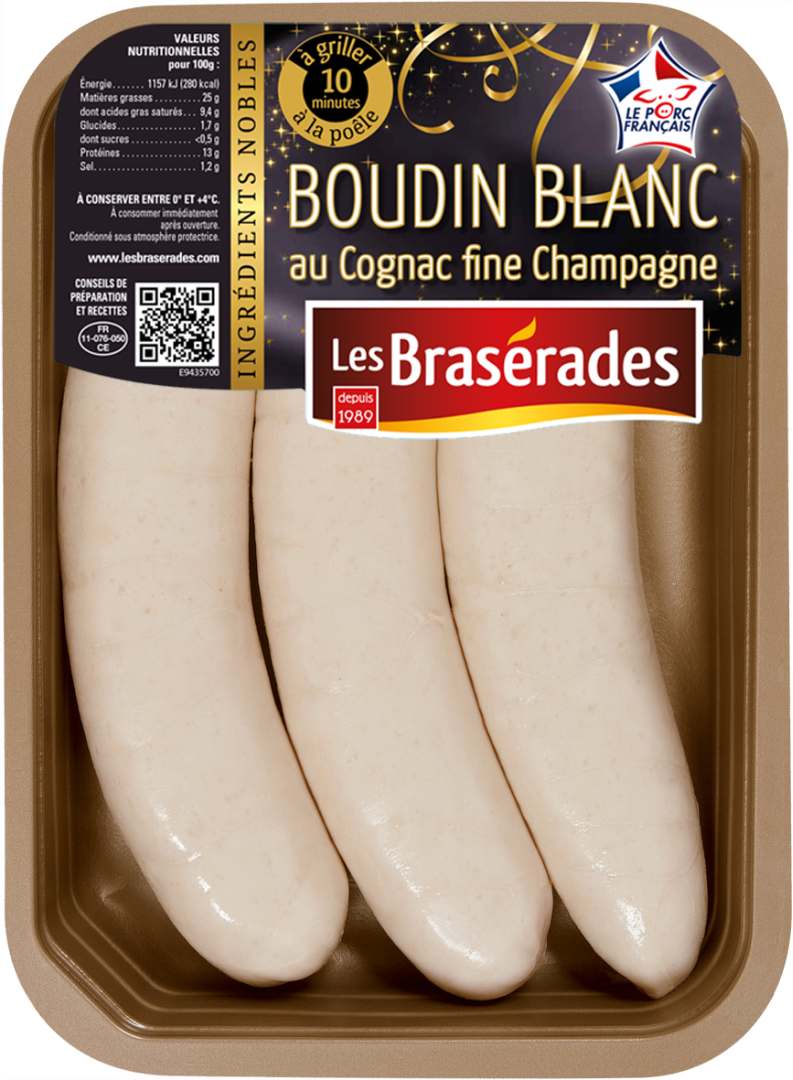
| GTIN | Lot | Dated |
|---|---|---|
| 3387620061565 | 321340213 | Use-by date 12/17/2021 |
| 3387620061565 | 321340213 | Use-by date 12/18/2021 |
| 3387620061565 | 321340213 | Use-by date 12/19/2021 |
| 3387620061565 | 321340213 | Use-by date 12/20/2021 |
| 3387620061565 | 321340213 | Use-by date 12/21/2021 |
| 3387620061572 | 321340159 | Use-by date 12/18/2021 |
| 3387620061572 | 321340159 | Use-by date 12/20/2021 |
| 3387620061572 | 321340159 | Use-by date 12/21/2021 |
| 3387620061572 | 321340159 | Use-by date 12/22/2021 |
Posted in Bacterial Toxin, Clostridium, Clostridium perfringens, Enterotoxin, Exotoxin, food contamination, Food Hazard, Food Hygiene, Food Inspections, Food Micro Blog, Food Microbiology, Food Microbiology Blog, Food Pathogen, Food Poisoning, food recall, Food Safety, Food Safety Alert, Food Testing, Food Toxin, Toxin, Uncategorized
To help FDA effectively investigate, remove unsafe seafood products from the market, and develop new prevention strategies, the FDA relies on illness reporting from public health officials and healthcare providers. While most foodborne outbreaks are tracked through the FDA’s Coordinated Outbreak Response and Evaluation (CORE) network, seafood-related illnesses caused by natural toxins have a unique reporting mechanism. This web page provides information on commonly occurring seafood-related illnesses and how to report them to the FDA. To report an illness from raw bivalve molluscan shellfish, email the FDA at shellfishepi@fda.hhs.gov.
The FDA receives reports of illnesses associated with the consumption of specific types of fish. These illnesses may originate from the activity of certain bacteria, toxins produced by marine algae, or hazards inherent in the fish.
Commonly occurring illness:
Illness and reporting information for the commonly occurring illnesses are provided in each section. Contact the FDA with any questions or need for clarification of the illness or reporting.
In addition to the illnesses listed above, reporting of other less frequently occurring illnesses from natural toxins may be accomplished by emailing the FDA at Seafood.Illness@fda.hhs.gov. Refer to Chapter 6 of the “Fish and Fishery Products Hazards and Controls Guidance” for a comprehensive list of natural toxin illnesses. To report illnesses related to miscellaneous natural toxin illnesses, please email FDA at Seafood.Illness@fda.hhs.gov.
The FDA works with first responders, physicians, and state and local health departments to investigate illnesses and outbreaks, manage them, and learn how to lessen future occurrences.
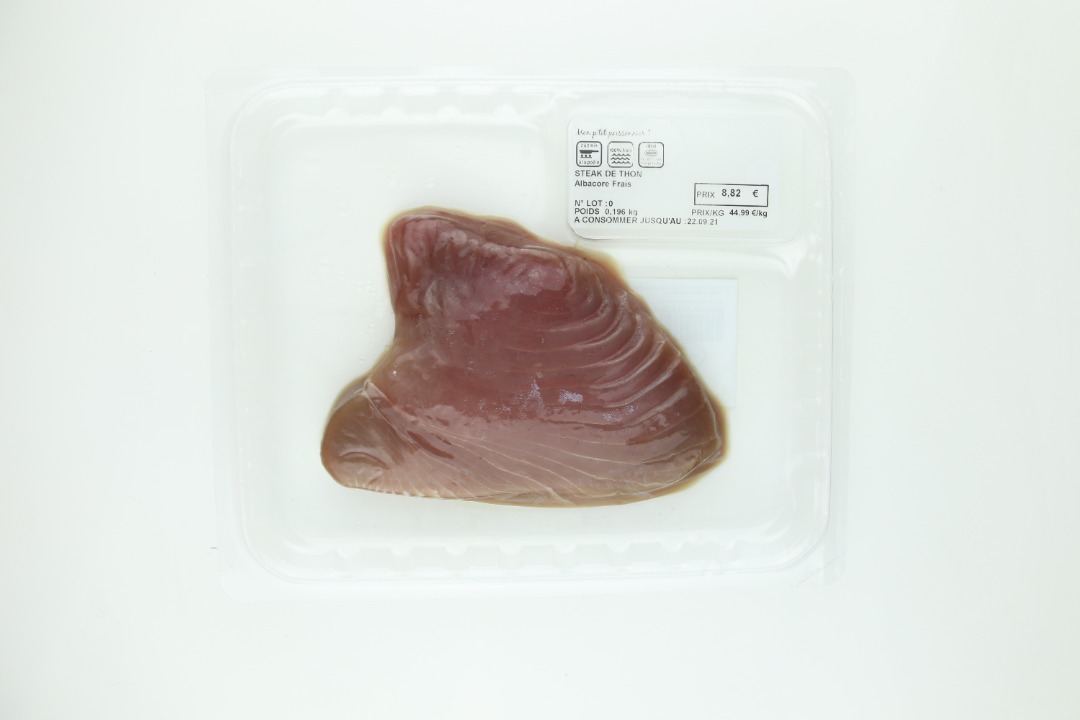
| GTIN | Lot | Dated |
|---|---|---|
| Fresh yellowfin tuna loin | ||
| 2278352000000 | 1730031 | Use-by date 12/08/2021 |
Alltech, in its latest mycotoxin threat analysis, compiled survey data for key feed ingredients on a regional level, and the results indicate the presence of moderate to high levels of mycotoxin risk.
Posted in Aflatoxin, Animal Feed Mould Toxin, Food Micro Blog, Food Microbiology Blog, Food Microbiology Research, Food Microbiology Testing, Food Toxin, Fusarium Toxin, microbial contamination, Microbiological Risk Assessment, Microbiology, Microbiology Investigations, Mold Toxin, Mould Toxin, Mycotoxin, Ochratoxin, Toxin
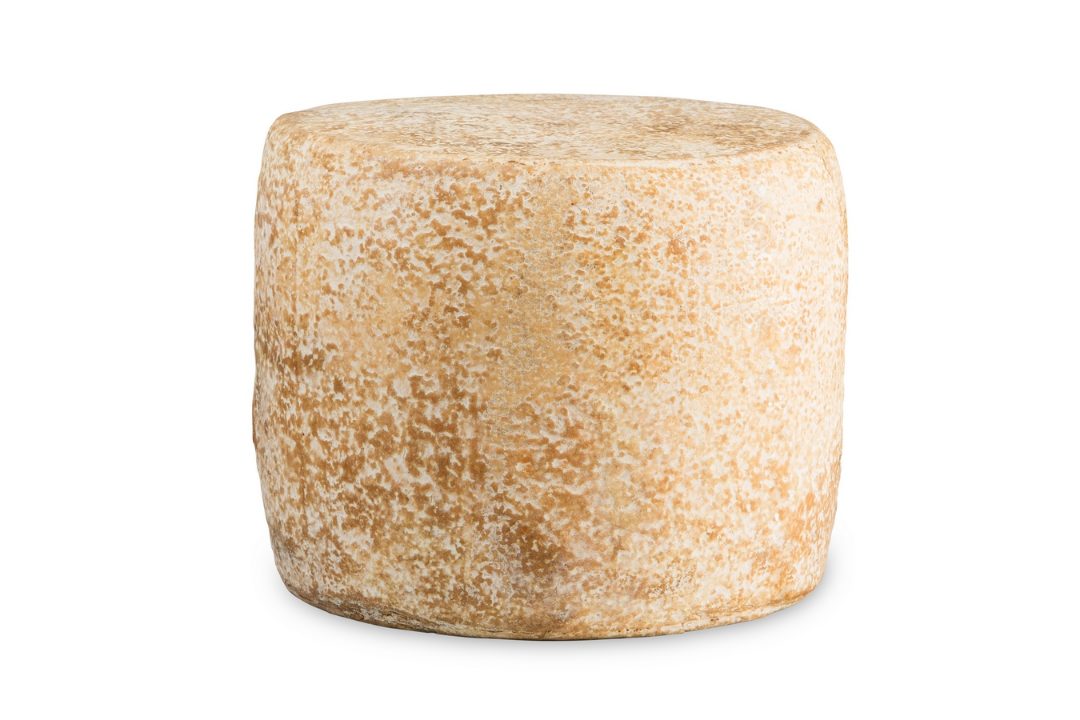
| GTIN | Lot | Dated |
|---|---|---|
| 3760071554327 | 016821 | Date of minimum durability between 04/01/2022 and 05/01/2022 |
| 3760070000870 | 016821 | Date of minimum durability between 12/12/2021 and 22/12/2021 |
| 3760071554426 | 016821 | Date of minimum durability between 13/12/2021 and 27/12/2021 |
| 3760070000610 | 016821 | Date of minimum durability between 12/15/2021 and 12/27/2021 |
Posted in Bacterial Toxin, E.coli O26, food contamination, food handler, Food Hazard, Food Hygiene, Food Inspections, Food Micro Blog, Food Microbiology, Food Microbiology Blog, Food Microbiology Testing, Food Pathogen, Food Poisoning, food recall, Food Safety, Food Safety Alert, Food Testing, Food Toxin, Raw Milk, raw milk cheese, STEC, STEC E.coli, Toxin
Botulism case suspected to be linked to fish soup from France in Belgium
Posted in Bacterial Toxin, Clostridium, Clostridium botulinum, food contamination, Food Hazard, Food Hygiene, Food Illness, Food Inspections, Food Micro Blog, Food Microbiology, Food Microbiology Blog, Food Microbiology Testing, Food Pathogen, Food Poisoning, food recall, Food Safety, Food Safety Alert, Food Testing, Food Toxin, Poisoning, RASFF, Toxin
Three children lost their lives after consuming sea turtle flesh on Pemba Island in Tanzania’s Zanzibar. On November 27, police reported that all of the children who died belonged to the same family. According to Juma Sadi, the regional police chief for Pemba North, 22 additional individuals have been brought to hospitals after eating sea turtle flesh on Friday, Xinhua reported.
The police added that samples of the sea turtle flesh have been delivered to the appropriate authorities for testing to examine the cause of the fatalities. “Two of the people admitted to hospital are children and they are in critical condition,” Juma Sadi was quoted by Xinhua as saying. He further highlighted that the sea turtle flesh is suspected of being poisonous.
Algae on the seafloor are known to discharge deadly poisons between the months of November to March when the nation’s temperatures rise and during these months, sea turtles, as well as over 20 kinds of fishes, feast on toxic algae at the bottom of the seafloor. Further, the poisons in the plants eventually seep into the flesh of the organisms that consume them. It has the potential to be lethal if eaten.

Product recall Dr. Oetker Schoko Ausstech Cookies
Opinion of the Dr. Oetker GmbH on the test report of the Institute for Food Safety Innsbruck with the order number 2112838.
Villach (OTS) – Object of
investigation Dr. Oetker Schoko
Cookie Cutter Lot / Batch / Best before: L169
When a sample was taken by the Innsbruck Institute for Food Safety, Vero / Shiga toxin-forming Escherichia coli were detected in the above-mentioned object of investigation.
Although according to the Federal Institute for Risk Assessment (BfR) in its opinion no. Oetker, who learned of the examination results on November 26th, 2021, received batch L 169 from Dr. Oetker chocolate cookie cutters back.
We would like to point out that E.Coli proof would only be possible in the raw dough, but baked biscuits can be enjoyed without hesitation.
Item No. 1-01-870700
GTIN EVE 4000521013288
Article description Chocolate cookie
cutter Best before 02.2023
The product concerned was placed on the Austrian market from September 2021. He was informed immediately. To avoid health risks, consumers are asked to return the recalled goods to the shop where the product was purchased. The purchase price will be refunded. Dr. Oetker apologizes to its customers for any inconvenience this may cause.
Posted in Bacterial Toxin, food contamination, Food Hazard, Food Hygiene, Food Inspections, Food Micro Blog, Food Microbiology, Food Microbiology Blog, Food Microbiology Testing, Food Pathogen, Food Poisoning, food recall, Food Safety, Food Safety Alert, Food Testing, Food Toxin, STEC, STEC E.coli, Toxin, VTEC
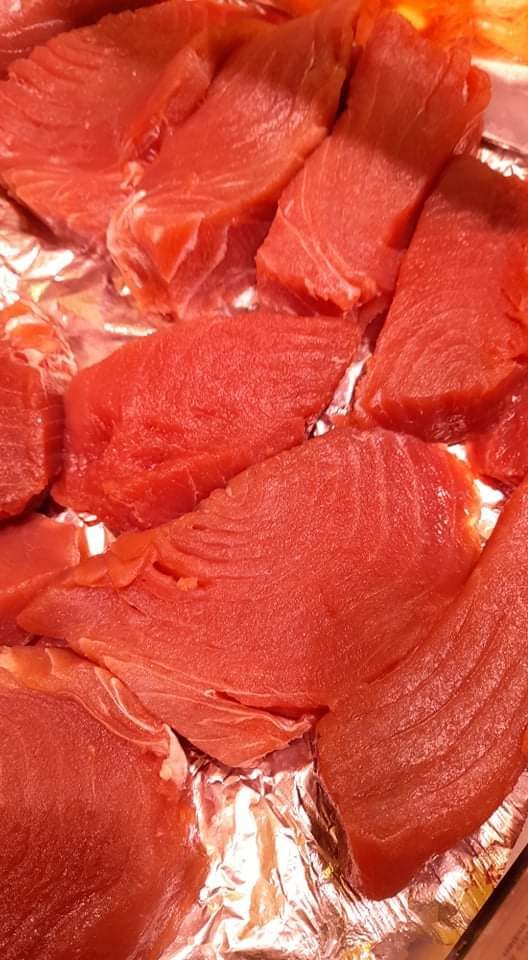
| Lot | Dated | |
|---|---|---|
| Q000296 | Use-by date 10/31/2021 | |

 FoodWorld