Category Archives: Food Toxin

RASFF Alert- Clostridium – Salted Sheep Casings

RASFF

Clostridium (up to 6400 CFU/g) in salted sheep casings from Iran in Greece and Germany

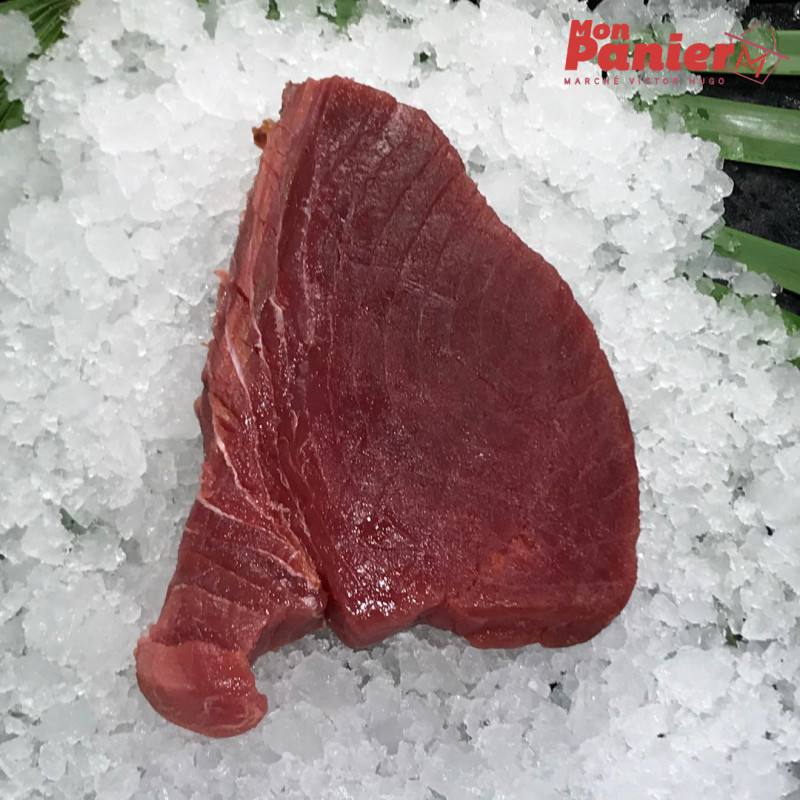
France- yellowfin tuna sold by the slice – Histamine

Gov france

Identifying information for the recalled product

  • Product category Food
  • Product sub-category Fishery and aquaculture products
  • Product brand name unbranded
  • Names of models or references yellowfin tuna
  • Product identification
    GTIN Lot Dated
    2812649000000 167 Use-by date 10/19/2021
  • Packaging sold in bulk at the traditional tide department
  • Start date / End of marketing From 08/10/2021 to 20/10/2021
  • Storage temperature Product to be stored in the refrigerator
  • Geographical sales area Whole France
  • Distributor shyper u sierentz

Practical information regarding the recall

  • Reason for recall presence of Histamine.

Research – Healthcare-associated foodborne outbreaks in high-income countries: a literature review and surveillance study, 16 OECD countries, 2001 to 2019

Eurosurveillance

Yearly, 23 million foodborne disease illnesses and 5,000 deaths are estimated in the World Health Organization (WHO) European Region, and 41 foodborne Disability Adjusted Life Years (DALYs) per 100,000 population were estimated for the WHO Sub-Region EUR A in 2010 [1]. In Europe, a total of 5,146 foodborne and waterborne outbreaks, including 48,365 cases of illness and 40 deaths were reported to the European Food Safety Authority (EFSA) in 2018 [2]. Vulnerable populations, including elderly patients, immunocompromised patients, children younger than five years old and pregnant women are more susceptible to foodborne infections and are more prone to develop severe courses of disease compared with healthy people [3]. Therefore, healthcare is a setting where foodborne outbreaks (FBO) can cause considerable morbidity and mortality. In 2020, 20.6% of the European Union (EU) population was aged 65 years and older [4]. As the proportion of elderly people is projected to further increase, the share of the vulnerable population as patients in healthcare facilities (HCF) is likely to increase and thereby the risk associated with healthcare-associated foodborne outbreaks (HA-FBO). Personnel (medical and non-medical staff, food handlers etc) of HCF may also be at risk for HA-FBO and be a source of further spread in healthcare settings and elsewhere. This can cause major disruption of services [5].

So far, literature reviews have covered pathogens responsible for HA-FBO, including  [6],  [79] and norovirus [10,11] and focused on microbiological food safety issues in healthcare settings [5,12]. Between 2014 and 2019, a listeriosis outbreak in Germany affected 13 cases who had an inpatient stay in 12 different HCF during the incubation period [13]. In the United Kingdom (UK) in 2019, nine listeriosis cases of which seven died, had consumed sandwiches in seven HCF during the incubation period [14].

We conducted a literature review to describe the causative agents including bacteria, viruses, parasites and fungi, the incriminated food vehicles and other outbreak characteristics of HA-FBO in 37 countries that are members of the Organisation for Economic Cooperation and Development (OECD) [15]. Furthermore, we analysed German surveillance data and data from the EFSA on HA-FBO. The aim of this article is to describe the current status of HA-FBO in order to improve surveillance and provide public health recommendations for prevention.

Kyrgyzstan – Food poisoning victims in Kyrgyzstan increase to 282

News CN

BISHKEK, Oct. 27 (Xinhua) — The victims of food poisoning in a popular chain of cafes Pizza Empire in the capital of Kyrgyzstan have grown to 282, local media reported on Wednesday.

As of Wednesday morning, the total number of people who were poisoned in Pizza Empire chain of cafes reached 282, including 31 children, head of the food hygiene department of the Central State Sanitary and Epidemiological Service Makhamat Murzashev told Kabar News Agency.

He said that 60 of them receive inpatient care, and nine people were discharged from hospitals Tuesday.

“Also among the children, 18 were hospitalized. The condition of the hospitalized citizens is assessed as moderate and severe, but there is no one in the intensive care unit,” he added.

The first 12 victims of mass poisoning had asked for medical help on Oct. 23-24.

In the course of the epidemiological investigation, it was found that the victims had eaten rolls at Pizza Empire cafes located in four different parts of the city.

At the moment, all cafe chains are temporarily closed.

Luxembourg – RECALL: MIX OF SPICES / ITALIAN HERBS FROM THE ALNATURA BRAND – Bacillus cereus

SAP

The Luxembourg food safety authorities recall the following product:

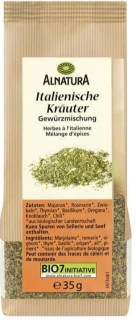
name Mix of spices / Italian herbs
Mark Alnatura
Unity 35 g
Bar code 4104420028326
Date of Minimum Durability (DDM) 07/31/2024
Lot L88974

Danger  : Potential presence of Bacillus cereus

Bacillus cereus can cause symptoms such as vomiting and diarrhea within 16 hours of consumption.

Sale in Luxembourg by: Cactus

A sale by other operators cannot be excluded.

Source of information: RASFF (Rapid Alert System for Food and Feed)

Communicated by: Government Commission for Quality, Fraud and Food Safety

France – Whole mackerel and fillets sold in the seafood department – Histamine

Gov france

Identifying information for the recalled product

  • Product category Food
  • Product sub-category Fishery and aquaculture products
  • Product brand name Unbranded
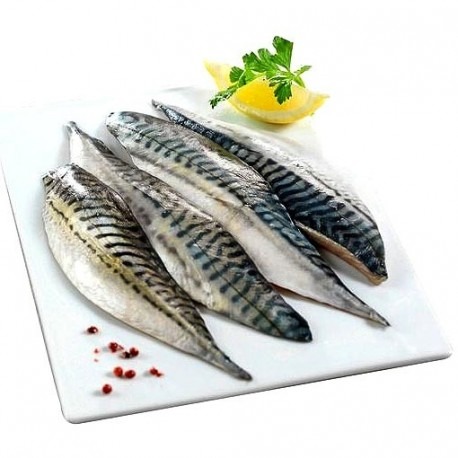
  • Names of models or references Whole mackerel and Mackerel fillets
  • Product identification
    Lot
    see list of products attached
  • Products List Product_list.pdf Enclosed
  • Start date / End of marketing From 08/10/2021 to 14/10/2021
  • Storage temperature Product to be stored in the refrigerator
  • Geographical sales area Auchan Semur-en-Auxois
  • DistributorsAuchan Semur in Auxois
  • List of points of sale Address_Auchan_Semur.pdf

Practical information regarding the recall

  • Reason for recall Presence of histamine

Research – Characterization of Escherichia coli from Edible Insect Species: Detection of Shiga Toxin-Producing Isolate

MDPI

ecoli

Insects as novel foods are gaining popularity in Europe. Regulation (EU) 2015/2283 laid the framework for the application process to market food insects in member states, but potential hazards are still being evaluated. The aim of this study was to investigate samples of edible insect species for the presence of antimicrobial-resistant and Shiga toxin-producing Escherichia coli (STEC). Twenty-one E. coli isolates, recovered from samples of five different edible insect species, were subjected to antimicrobial susceptibility testing, PCR-based phylotyping, and macrorestriction analysis. The presence of genes associated with antimicrobial resistance or virulence, including stx1stx2, and eae, was investigated by PCR. All isolates were subjected to genome sequencing, multilocus sequence typing, and serotype prediction. The isolates belonged either to phylogenetic group A, comprising mostly commensal E. coli, or group B1. One O178:H7 isolate, recovered from a Zophobas atratus sample, was identified as a STEC. A single isolate was resistant to tetracyclines and carried the tet(B) gene. Overall, this study shows that STEC can be present in edible insects, representing a potential health hazard. In contrast, the low resistance rate among the isolates indicates a low risk for the transmission of antimicrobial-resistant E. coli to consumers. View Full-Text

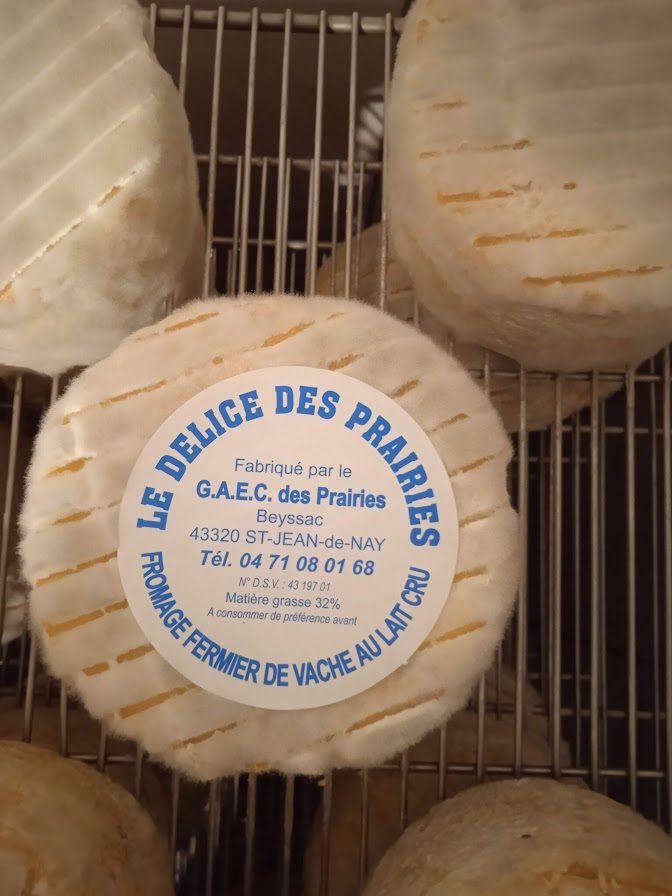
France – COW CHEESE IN RAW MILK – E.coli

Gov france

Identifying information for the recalled product

  • Product category Food
  • Product sub-category Milk and dairy products
  • Product brand name THE DELICE OF THE PRAIRIES
  • Names of models or references THE GAEC DES PRAIRIES
  • Product identification

    Lot Dated 79/89/99/109/119/149/159/169/179/189/219/229/249/259/289/299/110/210/510/610

    Recommended consumption date between 07/12/2021 and 06/01/2022

  • Start date / End of marketing From 09/27/2021 to 10/07/2021
  • Storage temperature Product to be stored at room temperature
  • Geographical sales area Regions: Auvergne-Rhône-Alpes
  • Distributors Le fromager des halles brives, Clermont neyrat, Thiers, Clermont saint jean, lempdes Intermarché St paulien Super U Langeac Ardèche cicada Proxi Espaly and Loudes Salaison torrilhon Salaison du Velay Chabanon, Méjean, jacob Colombet J

Practical information regarding the recall

  • Reason for recall presence of E.Coli
  • Risks incurred by the consumer Escherichia coli

Denmark – Mold/Mould in Chilli Flakes

DVFA

Mold in chili flakes

Coop Danmark A / S is recalling Coop Chili Flager due to the discovery of mold in the product.

Recalled Foods , Published: October 22, 2021

Modified October 22, 2021

What food:
Coop Chili Flakes
Net content: 30g
EAN number: 7340191104242
Best before-dates: 06.05.2024, 06.16.2024, 27.07.2024, 24.08.2024, 23.09.2024
Lot numbers: 0025044, 0030027, 0032608, 0034358, 0036729

Sold in:
Kvickly-, SuperBrugsen-, Brugsen-, Fakta-, Coop 365-, Dagli’- and LokalBrugsen throughout the country

Company recalling:
Coop Danmark A / S

Reason:
The company has established that there is a risk of mold in the product.

Risk:
Mold formation makes the product unsuitable as food.

Advice for consumers: The Danish
Veterinary and Food Administration advises consumers to deliver the product back to the store where it was purchased or to discard it.

RASFF Alerts – Aflatoxin – Hazelnuts – Corn – Maize – Almond Kernels – Pistchios –

RASFF

Aflatoxins in almond kernels from the United States in Italy

RASFF

Aflatoxins in toasted and salted pistachios in shell from Turkey in Italy

RASFF

Aflatoxins in Groundnut kernels from Argentina in the Netherlands

RASFF

Aflatossine in nocciole con guscio dalla Georgia//aflatoxins in hazelnuts in shell from Georgia in Italy

RASFF

Aflatoxines in corn from France in the Netherlands

RASFF

Aflatoxins in maize from France in the Netherlands

RASFF

PISTACCHI SGUSCIATI DALLA TURCHIA from Turkey in Italy

RASFF

Aflatoxins (58.1±4.1 µg/kg) in hazelnuts from Georgia in Italy