What are the defects?
The recall is due to non-compliant labelling (incorrect Use By date).
What are the hazards?
Food products with an incorrect date marking may cause illness if consumed.

The recall is due to non-compliant labelling (incorrect Use By date).
Food products with an incorrect date marking may cause illness if consumed.

RASFF – aflatoxins (B1 = 6.7; Tot. = 14 µg/kg – ppb) in blanched groundnut kernels from Argentina in the Netherlands
RASFF – aflatoxins (B1 = 29.2 µg/kg – ppb) in peanuts in shell for wildlife feed from the United States in the UK
RASFF – aflatoxins (B1 = 9.4; Tot. = 10.2 µg/kg – ppb) in mixed nuts from Turkey in Germany
RASFF – aflatoxins (B1 = 20.6; Tot. = 21.7 µg/kg – ppb) in crushed red hot paprika from Kosovo in Germany
RASFF – aflatoxins (B1 = 25; Tot. = 32 µg/kg – ppb) in shelled almonds from the United States in Spain
RASFF – aflatoxins (B1 = 99.7; Tot. = 106 µg/kg – ppb) in groundnuts in shell from China in the UK
RASFF – aflatoxins (B1 = 5.9 µg/kg – ppb) in groundnuts kernels from India in the Netherlands
RASFF – aflatoxins (B1 = 7.4 µg/kg – ppb) in whole red chillies from India in Greece
RASFF – aflatoxins (B1 = 7.5; Tot. = 28.4 µg/kg – ppb) in groundnut kernels from Argentina in the Czech Republic
RASFF – aflatoxins (B1 = 14.65; Tot. = 21.82 µg/kg – ppb) in ground nutmeg from China in Romania
RASFF – aflatoxins (B1 = 3.8; Tot. = 4.5 µg/kg – ppb) in groundnuts in shell from Egypt in Germany
RASFF – aflatoxins (B1 = 11.7 µg/kg – ppb) in hazelnut kernels from Turkey in Sweden
RASFF – aflatoxins (B1 = 15.7; Tot. = 17.1 µg/kg – ppb) in roasted pistachios in shell from Turkey in Belgium
RASFF – aflatoxins (B1 = 23.4; Tot. = 25.4 µg/kg – ppb) in salted, roasted pistachios roasted from Turkey in Germany
RASFF – aflatoxins (B1 = 37.1; Tot. = 40.3 µg/kg – ppb) in groundnuts from China in Spain
RASFF – aflatoxins (B1 = 14; Tot. = 15 µg/kg – ppb) in groundnuts from the United States in the Netherlands
RASFF – aflatoxins (B1 = 4.5; Tot. = 5.3 µg/kg – ppb) in groundnuts in shell from China in Spain
RASFF – aflatoxins (B1 = 9.07 µg/kg – ppb) in pistachios without shell from Iran in Italy
RASFF – aflatoxins (B1 = 24; Tot. = 25.8 µg/kg – ppb) in blanched almonds from Israel in Italy
RASFF – aflatoxins (B1 = 43; Tot. = 87 µg/kg – ppb) in groundnut kernels from Senegal in the Netherlands
RASFF – Listeria monocytogenes (present /25g) in chilled beef from Ireland in the Netherlands
RASFF – Listeria monocytogenes (presence /25g) in organic cheese from Belgium in Belgium
RASFF – Listeria monocytogenes (<10 CFU/g) in chilled shrimp fritters from France in France
RASFF – Listeria monocytogenes (970 CFU/g) in beech smoked trout from Slovakia in Hungary
RASFF – shigatoxin-producing Escherichia coli (stx1+ stx2+ eae+ O26:H11 /25g) in frozen meat for minced meat from Ireland in France
P & B Foods Ltd is recalling Heera Chilli Powder Extra Hot because salmonella has been found in the product.
| Pack size | 6 x 1kg |
| Batch code | PB9446M/4 |
| Best before | end: April 2021 |
No other P & B Foods Ltd products are known to be affected.
The presence of salmonella in the product listed above. Symptoms caused by salmonella usually include fever, diarrhoea and abdominal cramps.
This outbreak appears to be over, but recalled tahini products have a long shelf life and may still be in people’s homes. Consumers unaware of the recall could continue to eat these products and potentially get sick. Visit the FDA websiteexternal iconfor a full list of recalled products.

Posted in food bourne outbreak, food contamination, food handler, Food Hygiene, Food Illness, Food Inspections, Food Micro Blog, Food Microbiology, Food Microbiology Blog, Food Pathogen, food recall, Food Safety, Food Safety Alert, Food Testing, foodborne disease, Foodborne Illness, foodborne outbreak, foodbourne outbreak, Salmonella, Uncategorized
Officials with the Benton-Franklin Health District in Kennewick, WA reported on the investigation of a norovirus outbreak linked to a local restaurant.
According to the timeline, health officials received the first reports over President’s Day weekend and at the conclusion of the investigation, 26 patrons of 3 Eyed Fish, a wine bar and restaurant in Richland were reported as infected.
In addition, the investigation revealed that drink garnishes were sometimes handled with bare hands, after interviewing bartenders.The outbreak was linked to poor food handling practices by an infectious bartender. During the investigation, it was noted that the infectious employee who worked the night most ill patrons ate, returned to work less than 12 hours after they had an episode of diarrhea that same weekend.
Posted in food bourne outbreak, food contamination, food handler, Food Hygiene, Food Illness, Food Inspections, Food Micro Blog, Food Microbiology, Food Microbiology Blog, Food Pathogen, food recall, Food Safety, Food Safety Alert, Food Testing, Food Virus, foodborne outbreak, foodbourne outbreak, Norovirus, outbreak, Uncategorized, Virus
The Food Standards Agency is leading the investigation into the food supply chain to identify the source of the listeria strain linked to the recent hospital cases with the support of Food Standards Scotland and local authorities. Products directly linked to the cases were identified and these were withdrawn from the food chain on the same day as the link was established. This strain was traced back to a producer which withdrew all their ready-to-eat foods on a precautionary basis. Investigations are continuing to try and determine the point of origin of the listeria strain.
Following extensive testing and verification by Stafford Borough Council, The Good Food Chain is no longer part of the ongoing investigation into the source of the outbreak. With the investigation now focusing on suppliers further up the food supply chain, The Good Food Chain can restart production.
However, to ensure public health continues to be protected, an enhanced set of food safety measures are now in place and the local authority will continue to carry out strict monitoring and oversight of the company for the next three months, with further supervision to be determined by inspection findings. The business will have to reapply for accreditation before it can directly supply the NHS again.
These measures include:
Dr Colin Sullivan, Chief Operating Officer at the FSA said:
“This is a complex investigation, but we have worked to swiftly identify and remove from the food chain the products linked to these hospital cases.
“Our investigations are now focused on where the outbreak strain originated from and subject to strict verification and ongoing monitoring by Stafford Borough Council, The Good Food Chain company is now able to restart production.
“The company will be carefully monitored to ensure public health continues to be protected.
“Our thoughts remain with the families of those who have passed away.”
Councillor Jonathan Price, the Cabinet Member for Environment at Stafford Borough Council, said:
“We have worked tirelessly with the Good Food Chain and are reassured that their manufacturing processes, cleaning procedures and environmental standards meet those we expect for producing ready to eat foods.”
“But our work does not stop there as the health of the public is our top priority.
“So we will continue collecting environmental swabs from surfaces at the business, taking samples of food, and working with The Good Food Chain to ensure they have control measures in place to thoroughly assess those supplying products to them.”
Public Health England (PHE) and Health Protection Scotland (HPS) are testing all recent samples of listeria to check if they are linked to this outbreak.
For more details see PHE update: www.gov.uk/government/news/listeria-cases-being-investigated.
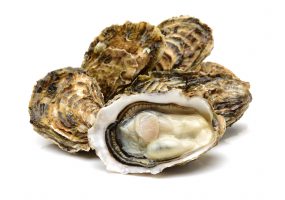
Image CDC
This outbreak appears to be over. Consumers, restaurants, and retailers should always handle and cook oysters properly. Get CDC’s tips for preventing foodborne illness from oysters and other shellfish.
Posted in E.coli, food bourne outbreak, food contamination, food handler, Food Hygiene, Food Illness, Food Inspections, Food Micro Blog, Food Microbiology, Food Microbiology Blog, Food Pathogen, food recall, Food Safety, Food Safety Alert, Food Testing, Food Toxin, Norovirus, Shigella, Shigella flexneri, STEC, Uncategorized, Vibrio, Vibrio albensis, Vibrio parahaemolyticus