Category Archives: Food Microbiology Research

Research – Tracking down the origin of cholera pandemics

Science Direct

Food Illness

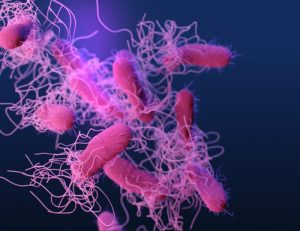
The bacterium Vibrio cholerae is the causative agent of the diarrheal disease cholera and is responsible for seven known pandemics. The seventh cholera pandemic began in 1961 and is still active. Unlike previous pandemics, it is caused by cholera strains of a slightly different type. How did the modified cholera strains develop and spread, and what might have contributed to their success? Scientists from the Max Planck Institute for Evolutionary Biology in Plön, Germany, and CAU Kiel, in an international team with colleagues from City College New York and the University of Texas Rio Grande Valley, have now gained new insights into a molecular mechanism that provides insight into the interactions between cholera bacteria and may have played a role in the emergence of the seventh pandemic.

In their natural environment, bacteria are subject to competition with other bacteria for space and nutrients. In this process, molecular mechanisms help them to hold their own. One such mechanism is the so-called “type 6 secretion system” (T6SS), with which a bacterium transports toxic proteins into a neighboring bacterium and thereby kills it. Thus, cholera bacteria of the seventh pandemic use their T6SS to keep other bacteria in check and presumably more easily cause infection.

Researchers now had the special opportunity to study the T6SS of cholera bacteria from previous pandemics. For this purpose, among other things, the T6SS genome sequence of cholera bacteria from the 2nd pandemic was reconstructed from a museum specimen from the 19th century in a complex procedure and recreated in the laboratory.

In the process, the scientists were able to show that 2nd and 6th pandemic cholera bacteria lack a functional T6SS. As a result, the bacteria of earlier pandemics not only lack the ability to attack other bacteria, they are themselves killed by bacterial strains of the seventh pandemic. This may have been one of the reasons that older cholera strains were displaced by modified cholera strains of the seventh pandemic and are now hard to find.

Data from new lab

Daniel Unterweger, one of the study’s authors and a group leader at the Max Planck Institute in Plön, Germany, says: “With these findings, we support the theory that microbial competition between bacteria is very important for understanding pathogens and bacterial pandemics. Our research on the cholera bacterium was made possible by an S2 laboratory newly established at the institute. Here, we can conduct experiments with bacterial pathogens under the necessary safety precautions. The study contains some of the first data from the new laboratory.”
Link to Article

Research – Salmonella enterica Serovar Panama, an Understudied Serovar Responsible for Extraintestinal Salmonellosis Worldwide

NCBI

kswfoodworld salmonella

In recent years nontyphoidal Salmonella has emerged as one of the pathogens most frequently isolated from the bloodstream in humans. Only a small group of Salmonella serovars cause this systemic infection, known as invasive nontyphoidal salmonellosis. Here, we present a focused minireview on Salmonella enterica serovar Panama, a serovar responsible for invasive salmonellosis worldwide. S. Panama has been linked with infection of extraintestinal sites in humans, causing septicemia, meningitis, and osteomyelitis. The clinical picture is often complicated by antimicrobial resistance and has been associated with a large repertoire of transmission vehicles, including human feces and breast milk. Nonhuman sources of S. Panama involve reptiles and environmental reservoirs, as well as food animals, such as pigs. The tendency of S. Panama to cause invasive disease may be linked to certain serovar-specific genetic factors.

New Zealand – Annual report concerning Foodborne Diseases in New Zealand 2020

MPI

New Zealand Food Safety, part of the Ministry for Primary Industries (MPI), leads New Zealand’s food safety system, protecting the health and wellbeing of consumers here and overseas. This includes reducing food-related risks to human health. Human health surveillance is an essential element of the monitoring and review component of New Zealand Food Safety’s risk management framework. In addition, evidence from notifications, case enquiries, outbreak investigations and other epidemiological studies of human enteric diseases are used as sources of data for risk profiles and assessments.

There is ongoing interest in foodborne disease statistics within New Zealand Food Safety and its stakeholders. This report for the calendar year 2020 is part of a series providing a consistent source of data and method of presentation to allow monitoring of foodborne illness in New Zealand. Human health surveillance data and foodborne disease The information in this report concerns reported cases of notifiable disease and reported outbreaks collected in the EpiSurv database.

Some notifiable illnesses may be caused by transmission of pathogens through foods, but it is important to remember that most of the information relates to the illness, not the mode of transmission.

The information needs to be considered with two caveats:

1. Notified cases of illness and reported outbreaks represent a subset of all the cases and outbreaks that occur in New Zealand each year. Many sick individuals do not visit a GP or otherwise come to the attention of the health system. By using these data as indicators, we are assuming that they are representative of all the cases and outbreaks that occur [1].

2. Foodborne transmission is only one of the routes by which humans are exposed to pathogens; other routes include water, animal contact and person to person. There are some indicators from which we can get information on the proportion of cases caused by foodborne transmission:

•Outbreak reports: the circumstances of an outbreak (multiple cases from a single event) mean that an investigation is more likely to identify a source of exposure to the pathogen than investigation of sporadic cases.

•Expert opinion: based on their experience in laboratories and epidemiological investigations, as well as knowledge of factors influencing the risk, experts can provide estimates of the proportion of cases caused by foodborne transmission.

Estimates for New Zealand have been developed for some foodborne diseases [2, 3], as presented in relevant report sections. These are not fixed values; future changes to the New Zealand food chain may require the values to be amended.

•Overseas analyses and estimates: information for countries with food supplies similar to New Zealand can be helpful, especially for illnesses where a foodborne estimate could not be developed f rom local studies. New Zealand estimates [2, 3] and published country-specific estimates, for the USA [4], Canada [5], Australia [6, 7], England and Wales [8] and the Netherlands [9] are given in Table 1.

In addition, a WHO project to estimate the global burden of foodborne diseases derived estimates for 14 international regions [10, 11]. The estimates for New Zealand, Australia, Canada, the Netherlands and the international WHO estimates are based on expert opinion, the estimates for England and Wales are based on outbreak analysis, while the US estimates are based on data from surveillance, risk factor studies and a literature review.

It is worth noting that, although for most of the diseases included in this report foodborne transmission is considered significant, there are several illnesses (shigellosis, giardiasis, cryptosporidiosis, hepatitis A) where foodborne transmission is considered to only contribute a small proportion of the total disease burden

Research – Main Groups of Microorganisms of Relevance for Food Safety and Stability

NCBI

Microbiology is important to food safety, production, processing, preservation, and storage. Microbes such as bacteria, molds, and yeasts are employed for the foods production and food ingredients such as production of wine, beer, bakery, and dairy products. On the other hand, the growth and contamination of spoilage and pathogenic microorganisms is considered as one of the main causes to loss of foodstuff nowadays. Although technology, hygienic strategies, and traceability are important factors to prevent and delay microbial growth and contamination, food remains susceptible to spoilage and activity of pathogen microorganisms. Food loss by either spoilage or contaminated food affects food industry and consumers leading to economic losses and increased hospitalization costs. This chapter focuses on general aspects, characteristics, and importance of main microorganisms (bacteria, yeasts, molds, virus, and parasites) involved in food spoilage or contamination: known and recently discovered species; defects and alterations in foodstuff; most common food associated with each foodborne disease; resistance to thermal processing; occurrence in different countries; outbreaks; and associated symptoms.

Research – Evaluation of microbial contamination in cold dishes and Prevalence of food-borne pathogens in the Jilin Province

Journal of Food Protection

In this study, we evaluated the microbial contamination status of cold dishes consumed by residents of Jilin Province and investigated to determine the incidence of four pathogenic bacteria in cold dishes. A total of 300 samples of cold dishes including meat, vegetable and mixed products, were collected from three different purchasing places: supermarkets, farmers’ markets and mobile vendors. Live bacteria were isolated using conventional culture methods. After separation, a quick and easy polymerase chain reaction (PCR) was used to detect Listeria monocytogenes , Staphylococcus aureus , Enterotoxic Escherichia coli and Salmonella . The results showed that the total number of microbial colonies in the vegetable samples exceeded the standard rate of 8%, and the total number of microbial colonies in the meat and mixed samples did not exceed the standard. The total microbial colony count exceeded the standard in all three different procurement sites, with the highest exceedance of 7.4% in the mobile vendor sites. The detection rates of Enterotoxigenic Escherichia coli , Staphylococcus aureus , L. monocytogenes and Salmonella among the four pathogenic bacteria detected in all samples were 4.3%, 3.3%; 3.0%; and 1.0%, respectively. This study can be used to qualitatively assess the microbiological quality associated with cold dishes. It provides data to support the detection of possible food safety problems.

Research -A trait-based framework for predicting foodborne pathogen risk from wild birds

Wiley Online

Recent foodborne illness outbreaks have heightened pressures on growers to deter wildlife from farms, jeopardizing conservation efforts. However, it remains unclear which species, particularly birds, pose the greatest risk to food safety. Using >11,000 pathogen tests and 1,565 bird surveys covering 139 bird species from across the western U.S.A., we examined the importance of 11 traits in mediating wild bird risk to food safety. We tested whether traits associated with pathogen exposure (e.g., habitat associations, movement, and foraging strategy) and pace-of-life (clutch size and generation length) mediated foodborne pathogen prevalence and proclivities to enter farm fields and defecate on crops. Campylobacter spp. were the most prevalent enteric pathogen (8.0%), while Salmonella and Shiga-toxin producing E. coli (STEC) were rare (0.46% and 0.22% prevalence, respectively). We found that several traits related to pathogen exposure predicted pathogen prevalence. Specifically, Campylobacter and STEC-associated virulence genes were more often detected in species associated with cattle feedlots and bird feeders, respectively. Campylobacter was also more prevalent in species that consumed plants and had longer generation lengths. We found that species associated with feedlots were more likely to enter fields and defecate on crops. Our results indicated that canopy-foraging insectivores were less likely to deposit foodborne pathogens on crops, suggesting growers may be able to promote pest-eating birds and birds of conservation concern (e.g., via nest boxes) without necessarily compromising food safety. As such, promoting insectivorous birds may represent a win-win-win for bird conservation, crop production, and food safety. Collectively, our results suggest that separating crop production from livestock farming may be the best way to lower food safety risks from birds. More broadly, our trait-based framework suggests a path forward for co-managing wildlife conservation and food safety risks in farmland by providing a strategy for holistically evaluating the food safety risks of wild animals, including under-studied species.

Research – The Changing Face of the Family Enterobacteriaceae (Order: ” Enterobacterales”): New Members, Taxonomic Issues, Geographic Expansion, and New Diseases and Disease Syndromes

PubMed

Entero

The family Enterobacteriaceae has undergone significant morphogenetic changes in its more than 85-year history, particularly during the past 2 decades (2000 to 2020). The development and introduction of new and novel molecular methods coupled with innovative laboratory techniques have led to many advances. We now know that the global range of enterobacteria is much more expansive than previously recognized, as they play important roles in the environment in vegetative processes and through widespread environmental distribution through insect vectors. In humans, many new species have been described, some associated with specific disease processes. Some established species are now observed in new infectious disease settings and syndromes. The results of molecular taxonomic and phylogenetics studies suggest that the current family Enterobacteriaceae should possibly be divided into seven or more separate families. The logarithmic explosion in the number of enterobacterial species described brings into question the relevancy, need, and mechanisms to potentially identify these taxa. This review covers the progression, transformation, and morphogenesis of the family from the seminal Centers for Disease Control and Prevention publication (J. J. Farmer III, B. R. Davis, F. W. Hickman-Brenner, A. McWhorter, et al., J Clin Microbiol 21:46-76, 1985, https://doi.org/10.1128/JCM.21.1.46-76.1985) to the present.

UK – Estimating deaths from foodborne disease in the UK for 11 key pathogens

NCBI

Objective

To estimate the number of deaths from foodborne disease in the UK from 11 key pathogens.

Design

Four different models were developed using data from a range of sources. These included enhanced surveillance, outbreaks, death certificates and hospital episode statistics data. For each model, median estimates were produced with 95% credible intervals (CrI). The results from the different models were compared.

Results

The estimates for foodborne deaths for each pathogen from the different models were consistent, with CrIs largely overlapping. Based on the preferred model for each pathogen, foodborne norovirus is estimated to cause 56 deaths per year (95% CrI 32 to 92), foodborne Salmonella 33 deaths (95% CrI 7 to 159), foodborne Listeria monocytogenes 26 deaths (95% CrI 24 to 28), foodborne Clostridium perfringens 25 deaths (95% CrI 1 to 163) and foodborne Campylobacter 21 deaths (95% CrI 8 to 47). The considerable overlap in the CrIs means it is not possible to make any firm conclusions on ranking. Most of these deaths occur in those aged over 75 years. Foodborne deaths from ShigellaCryptosporidiumGiardia, adenovirus, astrovirus and rotavirus are all rare.

Conclusions

We estimate that there are 180 deaths per year in the UK (95% CrI 113 to 359) caused by foodborne disease based on these 11 pathogens. While this is a small fraction of the estimated 2.4 million cases of foodborne illness per year it still illustrates the potential severity of these illnesses demonstrating the importance in continuing efforts to reduce these infections.

Keywords: infectious disease, CampylobacterSalmonella

Summary box

What is already known about this subject?

  • Foodborne disease is a common illness in the UK.

  • Previous research has estimated that there are 566 000 cases, 74 000 general practitioner presentations and 7600 hospital admissions related to foodborne disease from 13 known pathogens in UK; no estimate was made for deaths.

  • Campylobacter and norovirus are the most common foodborne pathogens in the UK.

  • Other common foodborne pathogens include Clostridium perfringens and Salmonella.

What are the new findings?

  • This study provides updated estimates of deaths for each of the 11 key foodborne pathogens considered; in total, these 11 pathogens cause 180 deaths per year in the UK (95% credible interval (CrI) 113 to 359).

  • Among them, Campylobacter, C. perfringens, Listeria monocytogenes, Salmonella and norovirus pathogens are responsible for over 98% of these deaths.

  • Ranking between these five is difficult due to overlapping CrIs.

How might it impact on clinical practice in the foreseeable future?

  • This highlights the potential severity of Salmonella, L. monocytogenesC. perfringensCampylobacter and norovirus, particularly in comparison with other infectious intestinal diseases that have a food source.

Research – Probabilistic modelling of Escherichia coli concentration in raw milk under hot weather conditions

Science Direct

Abstract

Climate change is one of the threats to the dairy supply chain as it may affect the microbiological quality of raw milk. In this context, a probabilistic model was developed to quantify the concentration of Escherichia coli in raw milk and explore what may happen to France under climate change conditions. It included four modules: initial contamination, packaging, retailing, and consumer refrigeration.

The model was built in R using the 2nd order Monte Carlo mc2d package to propagate the uncertainty and analysed its impact independently of the variability. The initial microbial counts were obtained from a dairy farm located in Saudi Arabia to reflect the impact of hot weather conditions. This country was taken as representative of what might happen in Europe and therefore in France in the future due to climate change. A large dataset containing 622 data points was analysed. They were fitted by a Normal probability distribution using the fitdistrplus package. The microbial growth was determined across various scenarios of time and temperature storage reflecting the raw milk supply-chain in France. Existing growth rate data from literature and ComBase were analysed by the Ratkowsky secondary model. Results were interpreted using the nlstools package.

The mean E. coli initial concentration in raw milk was estimated to be 1.31 [1.27; 1.35] log CFU/ mL and was found to increase at the end of the supply chain as a function of various time and temperature conditions. The estimations varied from 1.73 [1.42; 2.28] log CFU/mL after 12 h, 2.11 [1.46; 3.22] log CFU/mL after 36 h, and 2.41 [1.69;3.86] log CFU/mL after 60 h of consumer storage. The number of milk packages exceeding the 2-log French hygiene criterion for E. coli increased from 10% [8;12%] to 53% [27;77%] during consumer storage. In addition, the most significant factors contributing to the uncertainty of the model outputs were identified by running a sensitivity analysis. The results showed that the uncertainty around the Ratkowsky model parameters contributed the most to the uncertainty of E. coli concentration estimates.

Overall, the model and its outputs provide an insight on the possible microbial raw milk quality in the future in France due to higher temperatures conditions driven by climate change.

Graphical abstract

Research – Controlling Listeria monocytogenes Growth and Biofilm Formation using Flavonoids

Journal of Food Protection

The aim of the present study was to investigate the ability of natural plant-derivate (flavonoid compounds) products to reduce and/or inhibit the biofilm-forming ability of Listeria monocytogenes. A collection of 500 synthetic and natural flavonoids were tested on strains of L. monocytogenes for their antimicrobial and anti-biofilm activity. L. monocytogenes biofilm inhibition by flavonoid compounds was tested on i) stainless steel coupons using crystal violet staining and ii) glass slides using confocal laser scanning microscopic (CLSM) imaging. The flavonoids were tested against a L. monocytogenes cocktail of 5 strains at a concentration of 100 µM to determine their effect on planktonic growth. A total of 17 flavonoids were chosen for further study due to their ability to significantly reduce the growth of L. monocytogenes in BHI broth, while 2 flavonoids were chosen because they actually increased growth. A lower concentration of flavonoid compounds (50 µM) was selected to investigate their effects on L. monocytogenes biofilm formation using i) stainless steel coupons to quantify biomass and ii) glass coupons to observe the biofilm architecture. The 19 flavonoids showed various levels of L. monocytogenes growth inhibition, ranging from 2% to 100%, as compared to the respective positive and negative controls on stainless steel, after 48 h of incubation at 22 o C. In addition, in comparison to the control, most of the 19 flavonoids significantly (p ≤ 0.05) inhibited biofilm formation, with at least one of the L. monocytogenes strains or at one of the tested temperatures. In fact, when grown in BHI broth with 50 µM of the 19 selected flavonoid compounds for 48 h at 22 o C, there were visible reductions in L. monocytogenes biofilm formation on the glass coupons. Overall, we found multiple flavonoid compounds to be promising anti-biofilm and antimicrobial agents against L. monocytogenes .