Category Archives: Food Micro Blog

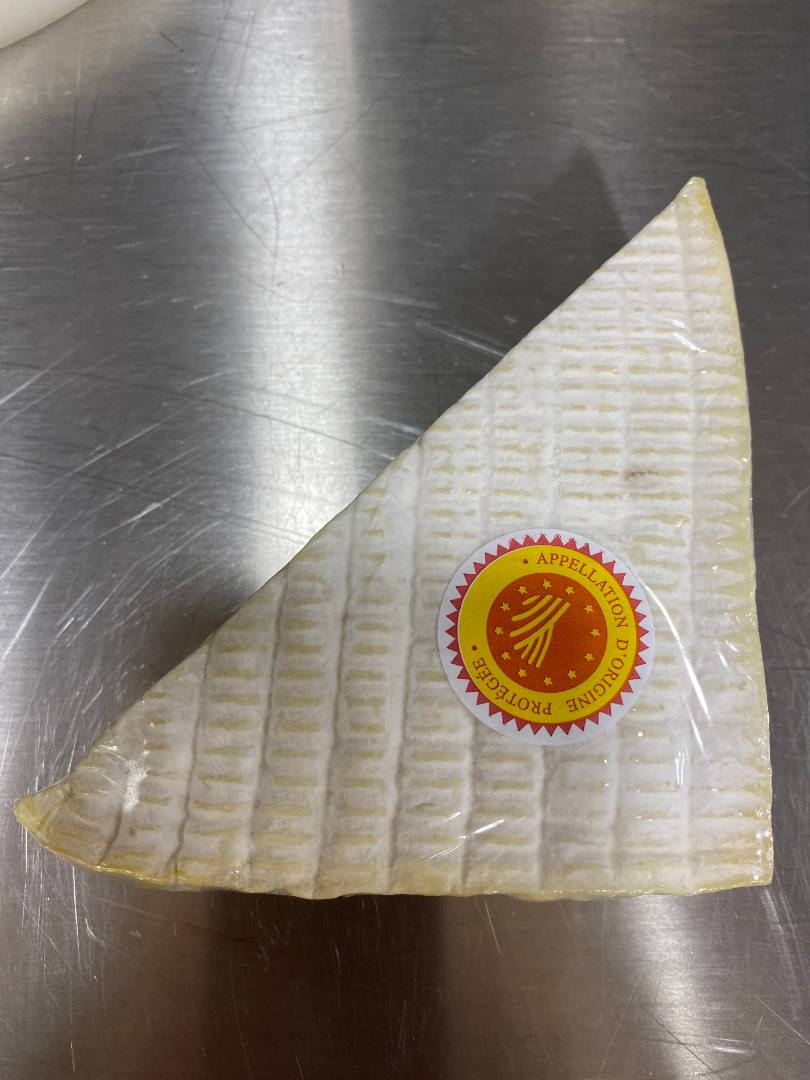
France – PONT L’EVEQUE AOP RAW MILK – E.coli and Listeria monocytogenes

Gov france

Identifying in formation for the recalled product

  • Product category Food
  • Product sub-category Milk and dairy products
  • Product brand name EUGENE GRAINDORGE
  • Names of models or references PONT L’EVEQUE AOP RAW MILK
  • Product identification
    GTIN Lot Dated
    0202096000000 Portion of 200g Use-by date 12/28/2021
  • Packaging200G
  • Start date / End of marketing From 12/03/2021 to 12/19/2021
  • Storage temperature Product to be stored in the refrigerator
  • Health markFR.14.371.001 CE
  • Further information PRODUCT SOLD BY THE SHELF CUT CHEESE
  • Geographical sales area Leclerc Saint Lubin des Joncherets
  • Distributors AVREDIS-Leclerc Saint Lubin des Joncherets

Practical information regarding the recall

  • Reason for recall Presence of E.coli and Listeria
  • Risks incurred by the consumer Escherichia coli
    Listeria monocytogenes (causative agent of listeriosis)

Cruise ship outbreak: More than 100 sickened on recent Viking Sea voyage – Cause Unknown

Outbreak News Today

The Centers for Disease Control Prevention Vessel Sanitation Program (CDC-VSP) reported that 118 passengers and crew on a recent voyage of the Viking Cruises, Viking Sea, were sickened with diarrhoea due to a gastrointestinal illness of unknown etiology.

The voyage, which took place November 29–December 13, 2021, resulted in 114 of 640 (17.8%) passengers and 4 of 404 (1.0%) crew members sickened.

In response to the outbreak, Viking Cruises and the crew aboard the ship reported the following actions:

  • Increased cleaning and disinfection procedures according to the ship’s outbreak prevention and response plan.
  • Collected stool specimens from passenger and/or crew gastrointestinal illness cases and sent specimens for testing.
  • Sent daily reports of gastrointestinal illness cases to VSP.

VSP is monitoring the situation and the ship’s outbreak response and sanitation procedures.

Scotland- FSS – Advice Feeder Mice and Salmonella

HPS

21 December 2021

Article: 55/5107

Food Standards Scotland (FSS) and the Food Standards Agency (FSA) are reminding reptile owners who have purchased certain frozen feeder mice for their pets to take extra precautions in order to avoid contracting salmonellosis. An outbreak of Salmonella has been linked to specific frozen mice products and as a result, a product recall information notice detailing affected products has been issued.

FSS and the FSA are instructing reptile owners and others who have a supply of the affected frozen mice to return them to the place of purchase so they can be carefully disposed of. They are also warning people to be extra careful when handling any frozen rodents, not just the batches identified, due to the risk of Salmonella from other batches linked to this recall.

Since the outbreak was first reported in 2015, there have been almost 900 cases of illness. FSS and the FSA advise that the risk to the general public is considered to be very low.

Source: FSS, 14 December 2021

Israel – Peanuts – Aflatoxin

Avikam Singer Trade and Marketing Ltd. recalls Natural Peanut (1 kg; Best before 30.06.22) due to aflatoxin contamination.

Click to access RCL_16122021.pdf

Israel – Meatballs – Salmonella

 Itzik HaGadol Ltd./Mitt Boutique recalls Itzik the Great Mitt Boutique brand Meatballs for cooking (~950g; Expiry date 7.2.2022) due to Salmonella contamination.

Click to access rcl_20122021.pdf

Ireland – Irish survey shows gaps in turkey cooking knowledge

Food Safety News

More than three-quarters of Irish people don’t know the correct temperature to cook their turkey, according to a survey.

Among respondents in the Republic of Ireland, 27 percent were concerned about undercooking the turkey and being sure it was safe to eat while 7 percent were worried about overcooking and serving it dry.

The survey was commissioned by safefood with Empathy Research. It was done online in November across a nationally representative sample of 1,036 adults over the age of 18.

Past safefood research has found people are unsure when asked what temperature turkey should be cooked to, with responses ranging from 30 to 260 degrees C (86 to 500 degrees F). The safe cooking temperature for all poultry products is 165 degrees F, according to the U.S. Department of Agriculture.

Whether thawing frozen turkey or storing thawed turkey, it should be kept on the bottom shelf of the refrigerator so any drips won’t land on other food and spread germs. Rinsing turkey or chicken should not be done as it only spreads bacteria around the kitchen. Proper cooking will destroy bacteria and other pathogens.

Hong Kong – CFS urges public not to consume several kinds of cheese from France with possible Shiga toxin-producing E. coli contamination

CFS

Centre for Food Safety

The Centre for Food Safety (CFS) of the Food and Environmental Hygiene Department today (December 20) urged the public not to consume three kinds of cheese imported from France due to possible contamination with Shiga toxin-producing Escherichia coli (STEC). The trade should stop using or selling the affected batches of products immediately if they possess them.

Details of the products are as follows:

Product name:  (1) FRERES MARCHAND – CANTAL ENTRE DEUX AOP
(2) TRADITIONAL SELECTION 1KG – 4 CHEESES
(3) TRADITIONAL SELECTION 2KG – 6 CHEESES
Brand: Les Frères Marchand
Place of origin: France
Importer: Classic Fine Foods (Hong Kong) Limited
Lot: LOT 21-45

A spokesman for the CFS said, “The CFS received a notification from the Rapid Alert System for Food and Feed (RASFF) of the European Commission that the above-mentioned products might have been contaminated with STEC and are being recalled. According to the information provided by the RASFF, the affected batches of products have been imported into Hong Kong. Upon learning of the incident, the CFS immediately contacted the local importer concerned for follow-up.”

A preliminary investigation found that the importer, Classic Fine Foods (Hong Kong) Limited, had imported some of the affected batches of products into Hong Kong. The importer concerned has initiated a recall according to the CFS’ instructions. Enquiries about the recall can be made to the hotlines at 2612 2066 during office hours.

“People will contract STEC-causing gastro-intestinal disease through consumption of contaminated water or undercooked and contaminated foods. Intestinal bleeding and serious complications such as hemolytic uraemic syndrome may also develop in some people,” the spokesman said.

The spokesman urged consumers not to consume the affected batches of the products if they have bought any. The trade should also stop using or selling the affected batches of products concerned immediately if they possess them.

The CFS will alert the trade to the incident, continue to follow up and take appropriate action. An investigation is ongoing.

Ends/Monday, December 20, 2021

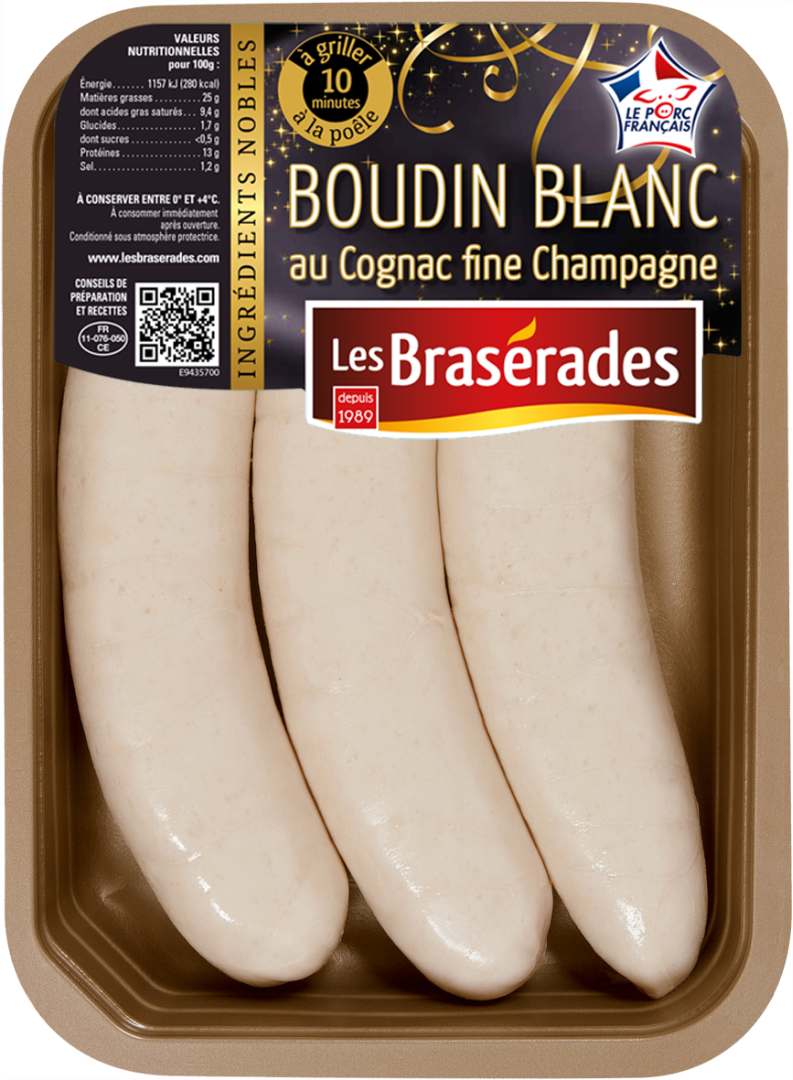
France – WHITE BOUDINS COGNAC FINE CHAMPAGNE Sausages – Clostridium perfringens

Gov france

Identifying information for the recalled product

  • Product category Food
  • Product sub-category Meats
  • Product brand name THE BRASERADES
  • Names of models or references WHITE BOUDINS COGNAC FINE CHAMPAGNE 3 * 125G WHITE BOUDINS COGNAC FINE CHAMPAGNE 7 * 125G
  • Product identification
    GTIN Lot Dated
    3387620061565 321340213 Use-by date 12/17/2021
    3387620061565 321340213 Use-by date 12/18/2021
    3387620061565 321340213 Use-by date 12/19/2021
    3387620061565 321340213 Use-by date 12/20/2021
    3387620061565 321340213 Use-by date 12/21/2021
    3387620061572 321340159 Use-by date 12/18/2021
    3387620061572 321340159 Use-by date 12/20/2021
    3387620061572 321340159 Use-by date 12/21/2021
    3387620061572 321340159 Use-by date 12/22/2021
  • Packaging MODIFIED UNDER ATMOSPHERE TRAY 3 * 125G MODIFIED UNDER ATMOSPHERE TRAY 7 * 125G
  • Start date / End of marketing From 12/06/2021 to 12/10/2021
  • Storage temperature Product to be stored in the refrigerator
  • Health mark FR 11.076.050 CE
  • Geographical sales area Whole France
  • Distributors Leclerc, Auchan, Carrefour, Atac
  • List of points of saleclients_livrés_boudins_fines_champagnes.pdf

Practical information regarding the recall

  • Reason for recall Bacteriological contamination by Clostridium perfringens
  • Risks incurred by the consumer Clostridium perfringens

Australia – Your poultry doesn’t need a bath!

Food Safety ASN

Campylobacter kswfoodworld

The Food Safety Information Council and the Australian Chicken Meat Federation today released a consumer survey that found 49% of Australian cooks were still taking a food poisoning risk by washing raw whole chicken before cooking.

Cathy Moir, Council Chair, said washing any raw poultry is very risky as it can spread bacteria to your hands, surfaces and other foods that may not be cooked. Washing is also unnecessary as cooking poultry to 75°C in the centre of a fillet or the thickest part of the thigh will kill any bacteria.

‘We are pleased that rates of washing raw whole chicken has reduced from 60% to 49% since we last asked this question in 2011. Cooks who wash raw chicken pieces with skin on has also reduced from 52% to 43% and washing skinless pieces from 41% to 40%.

‘The survey found that chicken is a popular dish with 78% of respondents cooking whole chicken, 83% cooking chicken pieces with skin on and 88% cooking skinless pieces. But the message is that washing any raw poultry, whether it is chicken, duck, goose or the Christmas turkey, is both unsafe and unnecessary.

“As we gather this Summer with multi-generations of family and friends, here are some of our key Christmas and Summer entertaining food safety tips:

  1. Wash hands: Another recent survey has found the number of times people wash their hands each day dropped 15% since last year. Don’t forget to wash your hands with soap and water before preparing and cooking food, and after handling shell eggs, seafood, raw meat and poultry, burgers and sausages. Watch how to wash your hands correctly using the Glitterbug here
  2. Clean utensils: Ensure your tools, utensils and chopping-boards are cleaned and dried thoroughly before you start preparing your food and ensure you clean them with hot soapy water after use. Use separate chopping-boards such as red for raw meat/poultry and  green for vegetables.
  3. Don’t strain your fridge: Plan ahead and don’t buy more food than you need. It’s vital that you don’t overstock your fridge and freezer, as this won’t allow the cool air to circulate freely and perishable food cannot be adequately frozen or chilled. Less food will also help to reduce food waste.
  4. Make space: Prevent overstocking by making room in your fridge for perishable foods by removing alcohol and soft drinks and put them on ice in a container or laundry sink. This also stops guests opening the fridge so often and helps to maintain the temperature at 5°C or below. Use a fridge thermometer to check the fridge temperature.
  5. Bird or bits? Think about getting a turkey breast that is simpler to cook, rather than a whole turkey. If you do need a whole turkey ask your supermarket if they sell them fresh rather than frozen. Otherwise it must be covered and defrosted in your fridge which can take several days and also increase the risk of potentially contaminating ready to eat foods stored in the fridge.
  6. Cook poultry correctly: Cook the any poultry until a meat thermometer shows it has reached 75° C in the thickest part of the thigh and cook any stuffing separately as it will slow the cooking and the inside of the bird might not be fully cooked. Probe thermometers are readily available, easy to use and help you make sure that food has reached the right temperature.
  7. Don’t go raw. Cooked egg dishes are simple and nutritious but try to avoid raw or minimally cooked egg dishes, such as raw egg mayonnaise or aioli, eggnog or fancy desserts like tiramisu, which can be a particular risk for food poisoning. A safer alternative, if you want to serve raw egg dishes, is to use pasteurised egg products.
  8. Christmas ham won’t last forever– check the storage instructions and best before or use by date before removing the ham from its plastic wrap, cover it with clean cloth soaked in water and vinegar so it doesn’t dry out, and store it in the fridge at or below 5°C. Keep the cloth moist to stop the ham drying out too much. It is important to remember that the use by date on the original packaging won’t apply after the packaging has been removed, so check the fine print and see if the ham has a suggested shelf life after opening. Reduced salt hams are now becoming popular but will not last as long as conventional hams so think how much you are going to use in the next week or so and freeze the rest for later.
  9. Phased roll-out: Don’t leave perishable chilled foods out for more than two hours. These foods include cold meats, soft cheeses like Camembert and Brie, cold poultry, cooked seafood like prawns and smoked salmon, pâtés, sushi and salads. Put out small amounts and replace them (do not top them up) from the fridge.
  10. Get it cold, quick. Refrigerate leftovers as soon as possible. If perishable foods and leftovers have been left out of the fridge for less than two hours they should be okay to refrigerate or freeze to eat later, so long as they haven’t been sitting out on a hot day. Never eat perishable food that has been unrefrigerated for more than four hours as it may not be safe and should be thrown away. Food should not be refrigerated if it has been outside in the heat for more than an hour and discarded after it has sat outside for 2 hours.
  11. Get it right hot. Always reheat leftovers to 75°C the centre of the item or the thickest part to kill any food poisoning bugs. Use a probe thermometer or the auto reheat function of your microwave (following any prompts) to help you make sure that the leftovers have been reheated safely.

‘We would like to thank our partner Tonic Media Network who will be showing our handwashing and food safety community service announcements in GP, Pharmacy and hospital waiting rooms around Australia this Summer. Also, thanks to our member First for Training, the Australian Chicken Meat Federation and Accord for their charitable donations to fund our Summer campaign.\,” Ms Mir concluded.

Media contact: Lydia Buchtmann, Food Safety Information Council, 0407 626 688 or info@foodsafety.asn.au

Survey details:

The chicken washing survey was conducted nationally by Omnipoll amongst 1219 people aged 18+ over the period 7-12 October 2021. Respondents were drawn from the online consumer panel managed by Lightspeed Research, OmniPoll’s online partner and to help reflect the overall population distribution. Results were post-weighted to Australian Bureau of Statistics (2016 Census) data on education, age, sex and area.

Research – Norovirus Vaccines: Current Clinical Development and Challenges

MDPI

Noroviruses are the major viral pathogens causing epidemic and endemic acute gastroenteritis with significant morbidity and mortality. While vaccines against norovirus diseases have been shown to be of high significance, the development of a broadly effective norovirus vaccine remains difficult, owing to the wide genetic and antigenic diversity of noroviruses with multiple co-circulated variants of various genotypes. In addition, the absence of a robust cell culture system, an efficient animal model, and reliable immune markers of norovirus protection for vaccine evaluation further hinders the developmental process. Among the vaccine candidates that are currently under clinical studies, recombinant VP1-based virus-like particles (VLPs) that mimic major antigenic features of noroviruses are the common ones, with proven safety, immunogenicity, and protective efficacy, supporting a high success likelihood of a useful norovirus vaccine. This short article reviews the recent progress in norovirus vaccine development, focusing on those from recent clinical studies, as well as summarizes the barriers that are being encountered in this developmental process and discusses issues of future perspective. View Full-Text