Category Archives: Food Micro Blog

RASFF Alert – Clostridium botulinum – Trout Fillet

RASFF

Clostridium botulinum in trout fillet (-packing) from Turkey in Austria, Germany, Hungary and Switzerland

RASFF Alerts – STEC E.coli – Minced Meat – Chilled Meat

RASFF

STEC (stx+;eae+) in minced meat from Belgium in Germany, Netherlands and UK

RASFF

COLI STEC IN CARNE REFRIGERATA DALL’ARGENTINA in Italy

RASFF Alerts – Listeria monocytogenes – Roasted Chicken Fillet – Cheese

RASFF

Listeria monocytogenes in ROASTED CHICKEN FILLET from Hungary in Belgium

RASFF

Listeria monocytogenes in cheese from Germany in Denmark and Austria

RASFF Alerts – Animal Feed -Salmonella – Chicken by Products- Complete Feed for Dogs – Dried Horse Lung for Dogs

RASFF

Salmonella in chicken by-products from Belgium in the Netherlands

RASFF

Salmonella in complete feed for dogs from the Netherlands in Belgium

RASFF

Salmonella in dried horse lung for dogs from Austria in the Netherlands

Research – Dangerous pathogens lurk in wet areas

Science Daily

Hospitals and homes are havens for germs and disease — but a well-regulated hot water system can prevent the spread of waterborne pathogens, including an emerging infectious disease problem from ‘superbugs’ which can be resistant to most antibiotics.

However, Flinders University experts warn that some drinking water treatment methods may be ineffective against some waterborne pathogens that pose a threat to immune-compromised individuals — and point-of-use devices such as taps and showerheads may create havens for these microorganisms to grow.

The elderly, newborns and those with compromised immune systems are especially vulnerable to waterborne infections. Numbers are rising of people with conditions such as advanced age, cancer and immunodeficiency issues who may be more at risk of ‘opportunistic premise plumbing pathogens’ (OPPP) infection.

Regular changes to tap and outlet filters, hot water service maintenance checks (for heat and pressure) and effective cleaning of shower and tap faucets are recommended for immune-compromised patients receiving healthcare at home or post-surgical management.

Healthcare at home has emerged as an alternative to extensive inpatient hospital stays — especially through the COVID-19 pandemic, to reduce the burden on the healthcare system and to support those with potential long term respiratory side effects.

“These measures can help reduce the risk of waterborne infections in home care, along with quality treatments of mains water to provide safe drinking water,” says lead researcher Claire Hayward, from Flinders University’s College of Science and Engineering.

A new study published in the journal Current Opinion in Infectious Diseases, by environmental health experts at Flinders University, found evidence of hospital water as a source of potential infection and even antimicrobial and multidrug resistant organisms.

“Biofilms formed on taps, showers, drains and other outlets provide an ideal niche to harbour these dangerous antibiotic resistant pathogens originating from the supply water or the human microbiota from washing contaminated hands,” says Ms Hayward.

OPPP infections such as Legionella pneumophila, Pseudomonas aeruginosa and Mycobacterium avium are a group of waterborne pathogens that are slowly receiving increased public health attention in infection control guidelines.

“However, drinking water as a source of healthcare-associated infections continues to be overlooked or underestimated in this monitoring,” Ms Hayward says.

The OPPP waterborne pathogens can be disinfectant resistant and persist in refuges with low nutrients, then form biofilms capable of supporting other clinically relevant pathogens such as Staphylococcus aureus, Enterobacteriaceae, Klebsiella pneumoniae and Escherichia coli.  

Once these biofilms are established on plumbing surfaces, there are many ways for contamination and transmission. The design of outlet devices that result in splashing and aerosolising of water can also increase the risk of contaminating nearby areas.

“The rise of these resistant pathogens has been identified by the World Health Organization and US Centers for Disease Control and Prevention as one of the most significant threats to global public health,” says research co-author, Flinders University microbiology expert Professor Melissa Brown.

“While the COVID-19 pandemic has increased the use of disinfectants and sanitisers, particularly in healthcare facilities, these antiseptic soaps do not tackle what’s going on behind the scenes in the water supply pipes and faucets,” she says.

The researchers recommend broad, universal surveillance guidelines to understand the role of drinking water and water-related devices to reduce healthcare associated infections and the rise of possible antimicrobial resistance that poses a threat to at risk individuals in residential and healthcare settings.

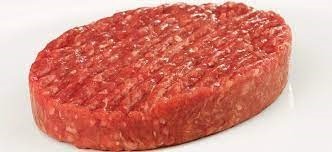
France – GROUND BEEF STEAK – Auchan Super Tours Rabelais Store – Listeria monocytogenes

Gov france

Identification information of the recalled product

  • Product category Feed
  • Product subcategory Meats
  • Product brand name/
  • Model names or references GROUND STEAK SOLD IN THE TRADITIONAL BUTCHER DEPARTMENT (assisted sale) ON THE AUCHAN TOURS RABELAIS SUPERMARKET
  • Identification of products
    Batch
    GROUND BEEF STEAK sold at the butcher’s stand between 07/18/22 and 07/27/22
  • Products List Poster_reminder_super_Tours_Rabelais.pdf Attachment
  • Packaging/
  • Marketing start/end date From 07/18/2022 to 07/27/2022
  • Storage temperature Product to be stored in the refrigerator
  • Health mark/
  • Further information/
  • Geographic area of ​​sale Auchan supermarket Tours Rabelais store
  • Distributors Auchan supermarket TOURS RABELAIS

Practical information regarding the recall

  • Reason for recall Demonstration of the Presence of Listeria
  • Risks incurred by the consumer Listeria monocytogenes (causative agent of listeriosis)

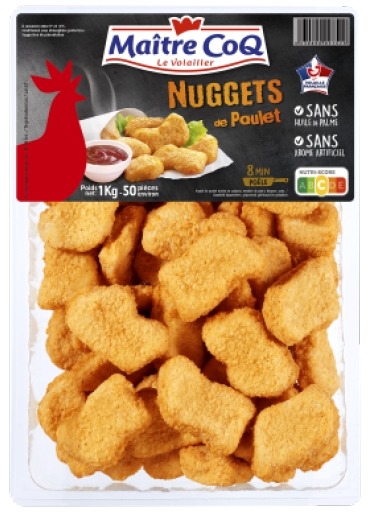
France – Chicken nuggets – Listeria monocytogenes

Gov france

Identification information of the recalled product

  • Product category Feed
  • Product subcategory Meats
  • Product brand name MASTER COCK
  • Model names or references1kg tray
  • Identification of products
    GTIN Batch Date
    3230890027529 2P22201 Use-by date 08/12/2022
  • Packaging plastic tray
  • Marketing start/end date From 07/22/2022 to 07/27/2022
  • Storage temperature Product to be stored in the refrigerator
  • Health mark EN 85.233.001 EC
  • Geographic area of ​​sale Whole France
  • Distributors Carrefour, Casino, Auchan, Provera, System U, Leclerc, Intermarché

Practical information regarding the recall

  • Reason for recall Listeria detection
  • Risks incurred by the consumer Listeria monocytogenes (causative agent of listeriosis)

Belgium – Belgium reports large rise in foodborne illness outbreaks in 2021

Food Safety News

An additional 200 outbreaks were recorded in Belgium in 2021 versus the year before, according to the Federal Agency for the Safety of the Food Chain (FASFC).

There was a significant increase in the number of food poisoning outbreaks from 333 in 2020 to 547 in 2021. The number of people affected in them went from 1,262 with 27 hospitalizations and two deaths to 2,070 sick, 78 hospitalizations but no deaths in 2021.

FASFC, also known as AFSCA and FAVV, said it was important to remember 2020 was an exceptional year because of the closure of many food businesses caused by COVID-19 related restrictions.

Figures for the past year are still slightly lower than 2019, when 571 outbreaks were recorded and 2,457 people were affected.

The agent was unknown in 512 outbreaks with almost 1,700 illnesses in 2021, according to data from Sciensano, the national public health institute.

Read more at the link above.

USA – FDA Core Investigation Table

FDA

What’s New

  • For the Salmonella Senftenberg outbreak in Peanut Butter (ref# 1067), the outbreak status has ended and the investigation status is now closed.
  • A new outbreak has been added to the table: Cyclospora in a not yet identified food (ref #1084).
  • For the Salmonella Paratyphi B var. L(+) tartrate+ outbreak (ref# 1072) in a not yet identified food, the outbreak status has ended. FDA’s investigation status is still ongoing.
Date
Posted
Ref Pathogen or
Cause of Illness

Product(s)
Linked to
Illnesses

(if any)
Total
Case Count

Status
7/27/

2022

1084 Cyclospora Not Yet Identified 51 Active
6/29/

2022

1076 Not Yet Identified Frozen Food See Outbreak
Advisory
Active
6/22/

2022

1075 Salmonella
Braenderup
Not Yet Identified 70 Active
6/22/

2022

1072 Salmonella
Paratyphi B var. L(+) tartrate+
Not Yet Identified 14 Active
6/15/

2022

1070 Listeria
monocytogenes
Not Yet Identified 12 Active
6/8/

2022

1068 E. coli
O157:H7
Not Identified 10 Closed
6/1/

2022

1066 Hepatitis A Virus Strawberries See Outbreak
Advisory
Active
5/25/

2022

1067 Salmonella 
Senftenberg
Peanut Butter See Outbreak Advisory Closed
4/20/

2022

1064 Not Yet
Identified
Dry Cereal 558 adverse
event reports
Active
4/13/

2022

1057 Listeria
monocytogenes
Ice Cream See Outbreak Advisory Active
3/30/

2022

1060 None
Identified
Meal Replacement
Drink
6 adverse
event reports
Closed
3/16/

2022

1055 Salmonella
Saintpaul
Not Identified 60 Closed
2/17/

2022

1056 Cronobacter
sakazakii
Powdered
Infant
Formula
See
Advisory
Active (IMG)
2/9/

2022

1040 Listeria
monocytogenes
Not Identified 20 Closed
2/2/

2022

1054 Enteroinvasive
E. coli
O143:H26
Not
Identified
16 Closed
1/10/

2022

1050 E. coli
O121:H19
Romaine 4 Closed

Denmark – Discovery of fermentation in Irma’s organic buns in curry

DVFA

Hanegal A/S is recalling Irma’s ready meal with organic buns in curry due to findings of fermentation in some products.

Recalled Foods , Published: July 27, 2022

Modified 27 July 2022
​​​​Which foods:
Irma’s organic buns in curry ( see picture here )
Net content: 400 g
EAN no. 5709760085818​
Manufactured: 06-27-2022; Best before date: 27.07.2022
Manufactured: 07-05-2022; Best before date: 04.08.2022
Sold in:
The products are sold in Irma stores. ​​​​
​​​​
Company that revokes:​
Hanegal A/S.
Cause:
The company has established that there is a risk of fermentation being found in some products.
Risk:
Fermentation makes the products unsuitable as food.
​
Advice for consumers:
The Danish Veterinary and Food Administration advises consumers to return the products to the store where they were purchased, or to discard them.​​