Monthly Archives: February 2022

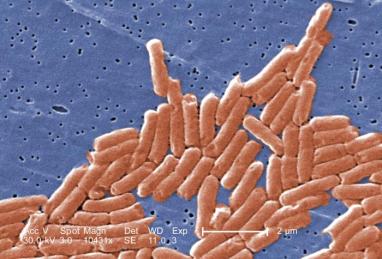
Research – Emerging Legionella species data

HPS

Legionella_Plate_01

08 February 2022

Article: 56/502

In July 2021, the Legionella Control Association (LCA), in conjunction with the Health and Safety Executive (HSE), Public Health England (PHE) and local authorities, held a webinar aimed at raising awareness of increasing Legionella positivity rates post lockdown.  The data demonstrated that the average positive rate in the UK had increased by around 2% following the lockdowns in response to COVID-19.

To investigate if there were particular species that could have led to this increase, LCA approached the three commercial laboratories in the UK that use MALDI-ToF to confirm down to species level, and asked if they would share their data. This information has now been returned by some laboratories, with findings from over 70,000 positive result samples in a two-year period revealing:

  • over 53% of the results were L.anisa
  • over 32% of the positives were L. pneumophilia, both SeroGroup 1 and SeroGroup 2-15
  • nearly 1% of positives were for L. rubilucens
  • over 6.5% of the results did not confirm a species type
  • there were over a dozen other species identified in results that accounted for less than 1% of the data set

The first line clinical diagnostic tool used to confirm Legionnaire’s disease in the UK is commonly a urinary antigen test (UAT), and this method looks predominantly for L. pneumophilia SeroGroup 1. Given the data LCA has provided so far, this could potentially mean missing over 70% of Legionella infections in patients. It should be highlighted that this data is in its infancy, and LCA state that further research needs to take place before any significant changes are considered or undertaken.

Source: LCA, January 2022
Research – How do Time, Tannin and Moisture Content Influence on Toxicogenic Fungal Populations during the Storage of Sorghum Grains?

Journal of Food Protection

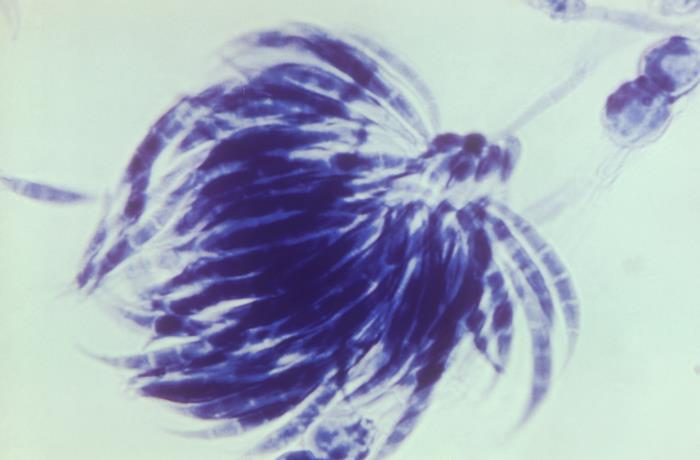
Cereal grains are usually ensiled to improve their nutritional value and are one of the main sources of feed for dairy cattle. However, during storage, grains can be contaminated with toxicogenic fungi. Sorghum is one of the most economically important cereals in the world. Therefore, the aim of this work was to evaluate the influence of storage duration and tannin and moisture contents on toxicogenic fungal populations in sorghum grain storage. Samples were prepared with variety high in tannins (genotypes Morgan 108 and ACA 558, >5g/kg DM) and with variety low tannin content (genotypes Flash 10 and ACA 546, <1g/kg DM) were collected and manually compacted in experimental laboratory silos where they received different moisture content treatments, namely low (15-25%), medium (26-32%) and high (33-42%). Freshly harvest grains were analyzed at time 0 and storage grains were analyzed at different times (30, 90 and 180 days). Fungal isolation and identification were performed following conventional mycological methods. Penicillium citrinum (34%), Aspergillus flavus (60%) and Fusarium nygamai (68%) were the most abundant species. Rapid detection of aflatoxins and fumonisins in each sample was performed by ELISA according to the AOAC method, and the quantification of aflatoxin B 1 was performed by HPLC. Aflatoxins were detected in four samples with levels of 6.7-28.8 µg/kg and aflatoxin B 1 with a level of 2-14 µg/kg in pre- and post-storage grains . Fumonisins were only detected in two freshly harvested samples with levels of 500-900 µg/kg . In general, the storage time favored the increase of Penicillium population, instead the Aspergillus and Fusarium are reduced. Conversely the abundance of the three population was not affected by the moisture content. The results of this study show that fungal population must be analyzed at different times.

South Africa – A systematic review on mobile health applications for foodborne disease outbreak management

BMC

Abstract

Background

Foodborne disease outbreaks are common and notifiable in South Africa; however, they are rarely reported and poorly investigated. Surveillance data from the notification system is suboptimal and limited, and does not provide adequate information to guide public health action and inform policy. We performed a systematic review of published literature to identify mobile application-based outbreak response systems for managing foodborne disease outbreaks and to determine the elements that the system requires to generate foodborne disease data needed for public action.

Methods

Studies were identified through literature searches using online databases on PubMed/Medline, CINAHL, Academic Search Complete, Greenfile, Library, Information Science & Technology. Search was limited to studies published in English during the period January 1990 to November 2020. Search strategy included various terms in varying combinations with Boolean phrases “OR” and “AND”. Data were collected following the Preferred Reporting Items for Systematic Reviews and Meta-Analyses Statement. A standardised data collection tool was used to extract and summarise information from identified studies. We assessed qualities of mobile applications by looking at the operating system, system type, basic features and functionalities they offer for foodborne disease outbreak management.

Results

Five hundred and twenty-eight (528) publications were identified, of which 48 were duplicates. Of the remaining 480 studies, 2.9% (14/480) were assessed for eligibility. Only one of the 14 studies met the inclusion criteria and reported on one mobile health application named MyMAFI (My Mobile Apps for Field Investigation). There was lack of detailed information on the application characteristics. However, based on minimal information available, MyMAFI demonstrated the ability to generate line lists, reports and offered functionalities for outbreak verification and epidemiological investigation. Availability of other key components such as environmental and laboratory investigations were unknown.

Conclusions

There is limited use of mobile applications on management of foodborne disease outbreaks. Efforts should be made to set up systems and develop applications that can improve data collection and quality of foodborne disease outbreak investigations.

Research – Antagonistic Effects of Conjugated Linoleic Acids of Lactobacillus casei Against Foodborne Enterohemorrhagic Escherichia coli 

Journal of Food Protection

Probiotics in fermented foods or commercially available supplements benefit the host by providing metabolites/peptides. The production of these metabolites varies with available substrates/prebiotic present in the system and their concentration. In this study, 0.5% peanut flour (PF) was used to stimulate the growth and production of metabolites of wild-type Lactobacillus casei (LC wt ) and compare with an engineered L. casei (LC CLA ) capable of converting a higher amount of conjugated linoleic acid (CLA). The total extracellular metabolites present in the cell-free cultural supernatant (CFCS) of LC wt (without peanut), LC wt+PF (with peanut), and LC CLA were collected after 24 h and 48 h of incubation, and their antagonistic activities against enterohemorrhagic Escherichia coli (EHEC EDL933) growth and pathogenesis were evaluated. All the collected metabolites exhibited varying efficiency in restraining EDL933 growth while supplementing low concentration of CLA to the 48-h CFCS from LC wt showed augmented antagonism toward EDL933. A downregulation of key virulence genes was observed from metabolites collected at 48-h time point. These observations indicate that the presence of metabolites in CFCSs including CLA, produced by Lactobacillus , which was further identified by gas chromatography-mass spectrometry; plays a critical role. This study demonstrates the potential applicability of Lactobacillus -originated CLA in the prevention of EDL933 mediated illnesses.

Research – Bacterial Antagonistic Species of the Pathogenic Genus Legionella Isolated from Cooling Tower

MDPI

Legionella pneumophila is the causative agent of Legionnaires’ disease, a severe pneumonia. Cooling towers are a major source of large outbreaks of the disease. The growth of L. pneumophila in these habitats is influenced by the resident microbiota. Consequently, the aim of this study was to isolate and characterize bacterial species from cooling towers capable of inhibiting several strains of L. pneumophila and one strain of L. quinlivanii. Two cooling towers were sampled to isolate inhibiting bacterial species. Seven inhibitory isolates were isolated, through serial dilution plating and streaking on agar plates, belonging to seven distinct species. The genomes of these isolates were sequenced to identify potential genetic elements that could explain the inhibitory effect. The results showed that the bacterial isolates were taxonomically diverse and that one of the isolates may be a novel species. Genome analysis showed a high diversity of antimicrobial gene products identified in the genomes of the bacterial isolates. Finally, testing different strains of Legionella demonstrated varying degrees of susceptibility to the antimicrobial activity of the antagonistic species. This may be due to genetic variability between the Legionella strains. The results demonstrate that though cooling towers are breeding grounds for L. pneumophila, the bacteria must contend with various antagonistic species. Potentially, these species could be used to create an inhospitable environment for L. pneumophila, and thus decrease the probability of outbreaks occurring. View Full-Text

Research – Comparative efficiency of carbohydrates on the biofilm-forming ability of enteroaggregative Escherichia coli

Wiley Online

The biofilm-forming ability of microbes is often correlated with drug resistance; however, this association among enteroaggregative Escherichia coli (EAEC) strains remains naïve. Moreover, the investigations exploring uptake and assimilation of sugars either qualitatively or quantitatively by the biofilm-forming EAEC strains have not yet been documented. Hence, this study investigated the role of various categories of sugars (monosaccharides, disaccharides, and polysaccharide) on the biofilm-forming ability of three each of multi-drug-resistant (MDR) as well as non-MDR typical EAEC strains. The EAEC strains exhibited black colonies on congo red agar (CRA) with monosaccharides and disaccharides, whereas all the strains exhibited red colonies on CRA with the polysaccharide. Although significant (p < 0.001) biofilm-forming ability was observed by all the EAEC strains in sugar-dependent microtiter plate assay, color change from pink to orange and yellow was noticed in presence of monosaccharides and disaccharide, while absent in polysaccharides. Besides, significantly higher bacterial counts were observed in presence of monosaccharides and disaccharides (p < 0.01); however, such significant bacterial counts were not noticed with the polysaccharide. Further, the real-time PCR data exhibited comparatively higher relative expression of biofilm-associated fis gene among EAEC strains grown in presence of monosaccharides, followed by disaccharide and polysaccharide, respectively that concurred with the flow cytometry data. No significant (p > 0.05) difference was observed in the biofilm-forming ability between MDR- and non-MDR EAEC strains. This study illustrated the role of carbohydrates on the biofilm-forming ability of EAEC and warranted utmost attention concerning the usage of carbohydrates in food processing industries, for its incorporation as functional food additives.

Research – Effect of hydrophobic/hydrophilic characteristics of B. cereus spores on their resistance to detergents

Journal of Food Protection

Bacillus cereus spores have the ability to adhere to solid surfaces, including stainless steel, a material widely used in food industries. Adhesion of spores allows for recontamination during food processing, and the cleaning and disinfection are largely used by industries to control them. Hence, this study aims to assess the detachment capacity (or removing activity) of sodium hydroxide, nitric acid, phosphoric acid-based detergent, chlorine-based detergent; against two adhered Bacillus cereus spores (hydrophobic strain and hydrophilic strain) to stainless steel surfaces. Microorganism adhesion on the surfaces reached 5.5 log CFU/cm² the two strain studied. Two protocols composed of combinations of chemical compounds concentration, temperature, and contact time were tested. The inactivation kinetics shapes were convex and were modelled by the Weibull model. The effect of temperature and biocide concentration were quantified using a Bigelow like model. The temperature applied during of treatment of the cleaning in place is an important factor acting on the speed of inactivation or detachment of Bacillus cereus spores. However, this efficiency depends on the hydrophobic characteristics of Bacillus cereus spores. The concentration of detergent and acid also affects the inactivation rate. The inactivation rate, whereas the character of hydrophobic does not intervene for the chlorine alkaline treatments.

Research – Multistate Outbreak Investigation of Salmonella Infections Linked to Kratom: A Focus on Traceback, Laboratory, and Regulatory Activities

Journal of Food Protection

kswfoodworld.com

During the spring of 2018, the U.S. Food and Drug Administration (FDA), U.S. Centers for Disease Control and Prevention (CDC), states and local public health agencies responded to a multistate outbreak of gastrointestinal illnesses caused by multiple   Salmonella   serovars and associated with consumption of kratom, a product harvested from a tropical tree native to Southeast Asia. The outbreak included 199 case-patients reported by 41 U.S. states, with illness onset dates ranging from January 11, 2017 to May 8, 2018, leading to 54 hospitalizations, and no deaths. Case-patients reported purchasing kratom products from physical and online retail points of service (POS). Products distributed to 16 POS where 24 case-patients from 17 states purchased kratom were selected for traceback investigation. Traceback revealed that the kratom was imported from several countries, the most common being Indonesia. Local and state officials collected product samples from case-patients and retail POS. The FDA collected 76 product samples from POS and distributors, of which 42 (55%) tested positive for   Salmonella  . The positive samples exhibited a wide range of pulsed field gel electrophoresis (PFGE) patterns and whole genome sequence (WGS) genetic heterogeneity, and a total 25 of 42 (60%) yielded at least one isolate indistinguishable from one or more outbreak-related clinical isolates. While it does not exclude a possibility of a single contamination source, the extent of genetic diversity exhibited by the   Salmonella   isolates recovered from product samples and a lack of traceback convergence, suggested that kratom was widely contaminated across multiple sites from which it was grown, harvested, and packaged. As a result of the contamination, kratom products were recalled by numerous firms (both voluntarily and mandatory). Epidemiologic, traceback, and laboratory evidence supported the conclusion that kratom products were associated with illnesses.

India – 15 kids suffer ‘food poisoning’ in Andhra, adulterated food at Anganwadi

New Indian Express

NELLORE: At least 15 children fell sick after they reportedly ate adulterated food at an Anganwadi in Podalakuru town of Nellore district. According to reports, the children were suffering from diarrhoea since Wednesday evening. Parents staged a demonstration at the Anganwadi and blamed the negligent attitude of the staff for delaying treatment to their children.

They alleged that the children began vomiting and fell sick after eating food provided at the Anganwadi. They said the children were admitted to a local hospital for treatment where doctors confirmed that they fell sick due to the adulterated food they ate. The children are getting treated at various hospitals in Podalakuru and Nellore city. Sources said their condition is stable now.

Research – Escherichia coli O103 outbreak associated with minced celery among hospitalized individuals in Victoria, British Columbia, 2021

PHAC

Abstract

Background: In April 2021, a Shiga toxin-producing Escherichia coli (E. coli) (STEC) O103 outbreak was identified among patients at two hospitals in Victoria, British Columbia (BC). The objective of this study is to describe this outbreak investigation and identify issues of food safety for high-risk products prepared for vulnerable populations.

Methods: Confirmed cases of E. coli O103 were reported to the Island Health communicable disease unit. The provincial public health laboratory conducted whole genome sequencing on confirmed case isolates, as per routine practice for STEC in BC. Exposure information was obtained through case interviews and review of hospital menus. Federal and local public health authorities conducted an inspection of the processing plant for the suspect source.

Results: Six confirmed cases of E. coli O103 were identified, all related by whole genome sequencing. The majority of cases were female (67%) and the median age was 61 years (range 24–87 years). All confirmed cases were inpatients or outpatients at two hospitals and were exposed to raw minced celery within prepared sandwiches provided by hospital food services. A local processor supplied the minced celery exclusively to the two hospitals. Testing of product at the processor was infrequent, and chlorine rinse occurred before mincing. The spread of residual E. coli contamination through the mincing process, in addition to temperature abuse at the hospitals, are thought to have contributed to this outbreak.

Conclusion: Raw vegetables, such as celery, are a potential source of STEC and present a risk to vulnerable populations. Recommendations from this outbreak include more frequent testing at the processor, a review of the chlorination and mincing process and a review of hospital food services practices to mitigate temperature abuse.