Category Archives: Food Toxin

USA -Portland: Small Pharaoh #1 food cart closed, Linked to Shigella outbreak

outbreak News Today

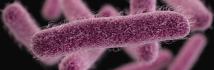
Shigella - kswfoodworld

Image CDC


Multnomah County health officials have closed the Small Pharaoh #1 food cart in downtown Portland (SW 5th and Stark) late Tuesday, Aug. 11, 2020 after linking the business to an outbreak of shigellosis. This is the first food cart closure in Multnomah County in many years due to health concerns. Food carts are inspected, regulated and scored the same as brick and mortar restaurants.

Health officials took the unusual step of ordering the closure of the food cart at 5th and SW Stark after several individuals from different households were confirmed to have shigellosis after eating food from the facility. Four cases have been confirmed with three additional presumptive cases with symptoms who have not been tested. Shigella is a very contagious bacteria and can spread after swallowing a very small amount of the bacteria.

Anyone with symptoms of shigellosis who ate at the downtown location of Small Pharaoh between July 27 and August 11 should contact their care provider or seek medical care as needed.

 

RASFF Alert- Aflatoxin – Candies with Peanuts

RASFF-Logo

RASFF – aflatoxins (B1 = 3.57; Tot. = 4.10 µg/kg – ppb) in candies with peanuts from Ukraine, with raw material from India in Poland

RASFF Alert – STEC E.coli – Minced Beef

RASFF-Logo

RASFF – shigatoxin-producing Escherichia coli (stx+ eae+ /25g) in minced beef from Belgium in Belgium

RASFF Alert – Mycotxin – Fumonsins – Corn Flour

RASFF-Logo

RASFF – fumonisins (18255 µg/kg – ppb) in corn flour from Peru in Spain

RASFF Alert – Animal Feed – Aflatoxin – Shelled Groundnuts

RASFF-Logo

RASFF -aflatoxins (B1 = 74 µg/kg – ppb) in shelled groundnuts from Argentina in the UK

New Zealand – Shellfish biotoxin alert – west coast of the North Island, including Raglan

MPI

The Ministry for Primary Industries (MPI) today issued a public health warning advising the public not to collect or consume shellfish harvested from South Head to Tauratahi Point – West Coast North Island.

Routine tests on shellfish samples taken from this region have shown levels of Paralytic Shellfish Poisoning (PSP) toxins above the safe limit of 0.8 mg/kg set by MPI. Anyone eating shellfish from this area is potentially at risk of illness.

Mussels, oysters, tuatua, pipi, toheroa, cockles, scallops, catseyes, kina (sea urchin) and all other bivalve shellfish should not be eaten.

Note, cooking shellfish does not remove the toxin.

Pāua, crab and crayfish may still be eaten if the gut has been completely removed prior to cooking, as toxins accumulate in the gut. If the gut is not removed its contents could contaminate the meat during the cooking process.

Symptoms typically appear between 10 minutes and 3 hours after ingestion and may include:

  • numbness and a tingling (prickly feeling) around the mouth, face, and extremities (hands and feet)
  • difficulty swallowing or breathing
  • dizziness
  • headache
  • nausea
  • vomiting
  • diarrhoea
  • paralysis and respiratory failure and in severe cases, death.

If anyone becomes ill after eating shellfish from an area where a public health warning has been issued, phone Healthline for advice on 0800 61 11 16, or seek medical attention immediately. You are also advised to contact your nearest public health unit and keep any leftover shellfish in case it can be tested.

Monitoring of toxin levels will continue and any changes will be communicated accordingly. Commercially harvested shellfish – sold in shops and supermarkets, or exported – is subject to strict water and flesh monitoring programmes by MPI to ensure they are safe to eat.

Find out more

Research – Effects of smoke produced from smoldering plants on the Aspergillus flavus growth and production of aflatoxin in pistachio

Wiley Online

Aflatoxin (AF) contamination of the Iranian exporting pistachio has become a major problem in the last decades. In this study, the antifungal effects of smoke produced from the smoldering of several herbal plants were investigated. Four different ratios of plant weight/exposure time (5/5, 10/15, 15/30, and 20 g/45 min) were used from each plant material to smoke two isolates of Aspergillus flavus (A47 and A3), grown in potato dextrose agar (PDA). The results showed that the 20 g/45 min treatment using smoldering cinnamon bark, neem leaves, and clove flowers had efficient inhibitions of 100, 85, and 75%, respectively. Furthermore, the smoking of pistachio inoculated with a spore concentration of 1 × 106 / ml using 30 g of cinnamon bark, neem leaves, and clove flowers for 75 min was capable of preventing the production of different types of AF, that is, B1, B2, G1, and G2 in the treated products. There is a good potential to smoke pistachio with these three herbal plants and prevent the production of AF in pistachio during the handling, storage, and transportation.

Tanzania -Caution Cited On Aflatoxin Threat to Food Security

All Africa

INCREASING contamination of food crops with aflatoxin is, besides jeopardising public health, threatening the country’s food security, experts have warned, proposing proper handling of food from farming to storage phases.

“Aflatoxin contamination is a serious problem that demands concerted mitigation efforts,”Tanzania Initiatives for Preventing Aflatoxin Contamination (TANIPAC) Project Officer Ali Hamad said yesterday.

Speaking at the ongoing third Nanenane exhibitions at Chamanangwe grounds here, the officer blamed aflatoxin on improper farming, harvesting, processing and storage of food crops.

Kenya – Kebs raises concern on high levels of aflatoxin in maize

Daily Nation 

The Kenya Bureau of Standards (Kebs) and consumers have raised concern on high levels of aflatoxin in maize, the staple food for most Kenyan households.

The complaints come even as processors experience acute shortage of the produce.

The millers say their stocks were exhausted two months to the harvest of this season’s crop in the North Rift, the country’s grain basket.

Many millers in western Kenya are getting maize from schools and other learning institutions that were closed in March to stop the spread of coronavirus.


Nigeria – Expert cautions over rise of Aflatoxin bacteria in locally – grown maize

Interesting article but Aflatoxin is not a bacteria but a toxin produced by mould.

Naija 247 News

Lagos, Aug. 6, 2020 An agriculture expert, Mr Ismail Olawale has raised alarm on the increasing rate of Aflatoxin bacteria infection in locally grown maize.

Olawale, a fellow at the Nigerian Agriculture and Extension Liaison Service (NAERLS) made the call in an interview with newsmen on Thursday in Lagos.

NAN reports that Aflatoxins are poisonous carcinogens and mutagens that are produced by certain moulds which grow in soil, decaying vegetation, hay, and grains.

They are a family of toxins produced by certain fungi that are found on agricultural crops such as maize (corn) peanuts, cottonseed, and tree nuts.

The expert said research has shown that the presence of Aflatoxin in locally cultivated maize and its subsequent consumption has led to certain illnesses and early mortality.

“We have to consider the issue of Aflatoxin bacteria found in locally produced maize. It usually affects the maize through the soil.

“An academic research by post-graduate students of the University of Ibadan in an area in Ekiti, discovered that early mortality in the area was closely linked to Aflatoxin bacteria found in corn pap they consume regularly.

“From researches , it has been discovered that the accumulation of Aflatoxin bacteria in local maize can lead to life threatening illnesses and diseases.