
shigatoxin-producing Escherichia coli (stx1+, stx2+, eae+, O26) in chilled beef from Belgium in Belgium
shigatoxin-producing Escherichia coli (stx+; eae+, O103) in cow carcasses from Belgium in Belgium

shigatoxin-producing Escherichia coli (stx1+, stx2+, eae+, O26) in chilled beef from Belgium in Belgium
shigatoxin-producing Escherichia coli (stx+; eae+, O103) in cow carcasses from Belgium in Belgium
Posted in Bacteria, bacterial contamination, E.coli O103, E.coli O26, food contamination, Food Hygiene, Food Inspections, Food Micro Blog, Food Microbiology, Food Microbiology Blog, Food Microbiology Testing, Food Pathogen, Food Poisoning, food recall, Food Safety, Food Safety Alert, Food Testing, Food Toxin, O103, RASFF, STEC, STEC E.coli
norovirus (GI, in 1 out of 5 samples /100g) in frozen raspberries from the Czech Republic, with raw material from Poland in Czech Republic
aflatoxins (B1 = 143.5; Tot. = 152.3 µg/kg – ppb) in pistachios from Turkey in Germany
aflatoxins (B1 = 25; Tot. = 26.4 µg/kg – ppb) in pistachios in shell from Turkey in Germany
aflatoxins (B1 = 15.3; Tot. = 16.4 µg/kg – ppb) in pistachios from Turkey in Germany
aflatoxins (B1 = 38.1; Tot. = 44.9 µg/kg – ppb) in groundnuts from Vietnam in Finland
aflatoxins (B1 = 37.5; Tot. = 43.2 µg/kg – ppb) in pistachios in shell from Turkey in Germany
aflatoxins (B1 = 10.3; Tot. = 24.4 µg/kg – ppb) in dried figs from Turkey in Germany
aflatoxins (B1 = 41.7; Tot. = 50.4 / B1 = 115; Tot. = 169.2 µg/kg – ppb) in roasted and salted pistachios in shell from Turkey in Germany
aflatoxins (B1 = 10.3; Tot. = 42.3 µg/kg – ppb) in dried figs from Turkey in Belgium
aflatoxins (B1 = 27; Tot. = 28.8 µg/kg – ppb) in pistachios in shell from the United States in Belgium
aflatoxins (B1 = 26.55; Tot. = 31.44 µg/kg – ppb) in dried figs from Turkey in Germany
Listeria monocytogenes (present /25g) in Syrian cheese from the Netherlands in the Netherlands
Listeria spp in goat’s milk cheese from France in the Netherlands
Listeria monocytogenes (<10 CFU/g) in raw milk goat’s cheese from France in France
Listeria monocytogenes (present /25g) in pesto from Belgium in the Netherlands
Posted in Bacteria, bacterial contamination, food contamination, Food Hygiene, Food Inspections, Food Micro Blog, Food Microbiology, Food Microbiology Blog, Food Microbiology Testing, Food Pathogen, food recall, Food Safety, Food Safety Alert, Food Testing, Listeria, Listeria monocytogenes, RASFF, Raw Milk, raw milk cheese
Tesoros Trading Co. from Las Vegas, NV is recalling certain codes of frozen “Trader Joe’s Lightly Salted Edamame” because they have the potential to be contaminated with Listeria monocytogenes, an organism which can cause serious and sometimes fatal infections in young children, frail or elderly people, and others with weakened immune systems. Although healthy individuals may suffer only short-term symptoms such as high fever, severe headache, stiffness, nausea, abdominal pain and diarrhea, Listeria infection can cause miscarriages and stillbirths among pregnant women.
The recalled “Trader Joe’s Lightly Salted Edamame” were sold at Trader Joe’s retail stores only in the Arizona, Southern California, Southern Nevada, and Utah regions. All affected product has been removed from sale and destroyed.
The product comes in a 16 ounce plastic package and is stamped on the back bottom portion of the package with lots:
22LA102 M
or
22LA102 N
or
22LA102 P
The company has removed the affected lots from distribution as the FDA and the company continue to investigate the source of the problem.
Consumers who have purchased 16 ounce packages of “Trader Joe’s Lightly Salted Edamame” with the affected codes are urged to return them to the place of purchase for a full refund. Consumers with questions may contact the company at (702)706-5263 Monday-Friday 8am – 4:30pm PST.

Posted in food contamination, Food Hygiene, Food Inspections, Food Micro Blog, Food Microbiology, Food Microbiology Blog, Food Microbiology Testing, Food Pathogen, food recall, Food Safety, Food Safety Alert, Food Testing, Listeria, Listeria monocytogenes, microbial contamination, Microbiology, Uncategorized
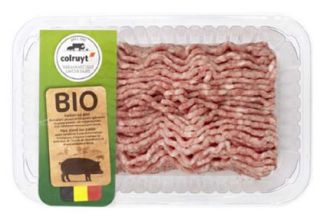
| Last name | Organic minced pork |
| Mark | Colruyt |
| Unit | 400 g |
| Article number | 17968 |
| Best before date (DLC) | 12/18/2020 |
| Sale period | from 12/9/2020 to 12/15/2020 included |
Danger : Presence of Salmonella
Salmonella can cause symptoms such as nausea, vomiting, abdominal cramps, diarrhea, fever and headache within 6 to 72 hours after consumption. These symptoms may be aggravated in young children, immunocompromised individuals and the elderly. People who have consumed these products and who present these symptoms are advised to consult a doctor, notifying him of this consumption.
Sale in Luxembourg by: Colruyt
Information source: Colruyt recall notification
The list in the link above of outbreak investigations being managed by FDA’s CORE Response Teams. The investigations are in a variety of stages, meaning that some outbreaks have limited information, and others may be near completion.
Posted in food bourne outbreak, food contamination, food death, Food Hygiene, Food Illness, Food Inspections, Food Micro Blog, Food Microbiology, Food Microbiology Blog, Food Microbiology Research, Food Microbiology Testing, Food Pathogen, Food Poisoning, food recall, Food Safety, Food Safety Alert, foodborne outbreak, foodbourne outbreak, outbreak, Research, Uncategorized
Pathogen not yet announced that has caused illnesses.
 Cabarrus Health Alliance (CHA) and Harris Teeter officials are investigating multiple reports of illness linked to AFC sushi purchased and eaten from Harris Teeter at 358 George W. Liles Pkwy NW, Concord and Harris Teeter at 1245 Concord Parkway North, Concord. Those ill are experiencing symptoms of vomiting, diarrhea, fever, muscle aches and abdominal cramps. CHA is aware of more than 10 (now 159) individuals who are sick, and all have consumed sushi from the third-party AFC Sushi kiosk located within the two Harris Teeter stores between Nov. 13, 2020 and Nov. 19, 2020.
Lidl GB is recalling Red Hen Breaded Chicken Nuggets and Red Hen Southern Fried Chicken Pops because salmonella contamination has been found in some of the products in the batch.
| Red Hen Breaded Chicken Nuggets | |
|---|---|
| Pack size | 450g |
| Best before | End: February 2022 |
| Red Hen Southern Fried Chicken Pops | |
|---|---|
| Pack size | 210g |
| Best before | 05 February 2022 |
The presence of salmonella in the products listed above.
Symptoms caused by salmonella usually include fever, diarrhoea and abdominal cramps.
Posted in Bacteria, bacterial contamination, food contamination, food handler, Food Hygiene, Food Inspections, Food Micro Blog, Food Microbiology, Food Microbiology Blog, Food Microbiology Testing, Food Pathogen, food recall, Food Safety, Food Safety Alert, Food Testing, fsa, Salmonella, Salmonella in Chicken
This could be applied to many small growers all over the world.
This study aimed to assess current food safety gaps among small growers in Texas to identify key areas of focus for potential education and training materials for these stakeholders. Small growers earn ≤$25,000 in annual sales over a 3-year period and have an average food sale of less than $500,000. To this end, a survey tool was designed to determine the gaps in small farm growers’ food safety knowledge. A total of 29 questions were disseminated to participants at fruit and vegetable conference. The questions included topics such as food safety practices and perceptions, and current and past food safety training experiences. Data from 70 growers was collected and analyzed and the results demonstrated that more than 34% of growers use manure and 51% have domestic animals on the farm premises. Even though more than 51% of participants use bare hands for harvesting, 39% of growers do not provide handwashing facilities for workers, and 46% of the growers do not provide toilet facilities for their workers. Only 25% of the growers surveyed have access to food safety training materials for their employees. The results also showed that 21% of participants have previous food safety training. Furthermore, half of the growers surveyed used soil amendments and approximately 87% did not test irrigation water. About 30% of growers believe that organic produce is safer than conventional produce and 37% believe that organically grown produce has fewer harmful bacteria. Also, > 41% of participants could not recognize the difference between hydroponically grown produce and conventional systems. The results indicated specific areas of opportunity, gaps in resources needed by growers, and lack of food safety training materials. The results of this study will help in the design of targeted and specific food safety training materials for small growers.
Posted in food bourne outbreak, food contamination, food handler, Food Hygiene, Food Illness, Food Inspections, Food Micro Blog, Food Microbiology, Food Microbiology Blog, Food Microbiology Research, Food Microbiology Testing, Food Pathogen, Food Poisoning, food recall, Food Safety, microbial contamination, Microbiological Risk Assessment, Microbiology


