Category Archives: Food Poisoning

RASFF Alert – Clostridium Sulphite Reducer – Organic Canned White Sausages

RASFF

Clostridium sulphite reducer (2.8x10E7 CFU/g) in organic canned white sausages from Germany in Germany

RASFF Alert – Foodborne Outbreak – Histamine – Chilled Tuna

European Food Alerts

RASFF

foodborne outbreak suspected to be caused by and histamine (434 mg/kg – ppm) in chilled tuna (Thunnus albacares) from Sri Lanka, via France in Belgium

RASFF Alerts – Aflatoxin – Groundnuts – Roasted Pistachios – Peanut Butter – Red Rice – Black Pepper – Flavour Coated Groundnuts – Peanuts – Spice Mix – Pistachios – Basmati Rice

As I have been on annual leave I have covered the last two weeks RASFF Alerts.

European Food Alerts

RASFF

aflatoxins (B1 = 29; Tot. = 51 µg/kg – ppb) in groundnuts from Argentina in the Netherlands

RASFF

aflatoxins (Tot. = 16.12 µg/kg – ppb) in roasted and salted pistachio kernels from Turkey in Germany

RASFF

aflatoxins (B1 = 8.3; Tot. = 9.6 µg/kg – ppb) in peanut butter from the United Kingdom in Ireland

RASFF

aflatoxins (B1 = 8.9; Tot. = 11 µg/kg – ppb) and ochratoxin A (10.3 µg/kg – ppb) in red rice from Sri Lanka in Switzerland

RASFF

aflatoxins (B1 = 14.7; Tot. = 20.1 µg/kg – ppb) in black pepper from Nigeria in Belgium

RASFF

aflatoxins (B1 = 5.6 µg/kg – ppb) in blanched groundnuts from India in the Netherlands

RASFF

aflatoxins (B1 = 3.8; Tot. = 4 µg/kg – ppb) in groundnut kernels from Argentina in the Netherlands

RASFF

aflatoxins (B1 = 5.7; Tot. = 22 µg/kg – ppb) in groundnut kernels from Argentina in the Netherlands

RASFF

aflatoxins (B1 = 3.4; Tot. = 3.8 µg/kg – ppb) in groundnut kernels from Argentina in the Netherlands

RASFF

aflatoxins (B1 = 26.3; Tot. = 29.8 µg/kg – ppb) in flavoured coated groundnuts from Germany in Finland

RASFF

aflatoxins (B1 = 5.4 µg/kg – ppb) in flavoured groundnuts from Germany in Finland

RASFF

aflatoxins (B1 = 3.1; Tot. = 3.9 µg/kg – ppb) in peanuts with shell from India in Spain

RASFF

aflatoxins (B1 = 5; Tot. = 5 µg/kg – ppb) in groundnuts from China, via Germany in the Netherlands

RASFF

aflatoxins (B1 = 8.6; Tot. = 10.0 µg/kg – ppb) in dry roasted cocktail peanuts from Nigeria in the UK

RASFF

aflatoxins (B1 = 6.6; Tot. = 6.6 µg/kg – ppb) in spice mix from Pakistan in Ireland

RASFF

aflatoxins (B1 = 9.8; Tot. = 11.1 µg/kg – ppb) in spice mix from Pakistan in Ireland

RASFF

aflatoxins (B1 = 15.8; Tot. = 17.4 µg/kg – ppb) in inshell pistachios from Iran in Greece

RASFF

aflatoxins (B1 = 4.6; Tot. = 4.6 µg/kg – ppb) in basmati rice from Pakistan in Greece

RASFF

aflatoxins (B1 = 94; Tot. = 101 µg/kg – ppb) in pistachios from Iran in Spain

USA – Sunshine Mills, Inc. Issues Voluntary Recall of Certain Dog Food Products Due to Potentially Elevated Levels of Aflatoxin

FDA

Sunshine Mills, Inc. is issuing a voluntary recall of certain dog food products due to levels of Aflatoxin that are potentially above the acceptable limit.  Aflatoxin is a naturally occurring mold by-product from the growth of Aspergillus flavus and can be harmful to pets if consumed in significant quantities.

The potential for aflatoxin levels above the acceptable limit in these products was discovered by routine sampling performed by the Louisiana Department of Agriculture and Forestry showing that a sample of a single 4-pound bag of one lot of the product contained elevated levels of aflatoxin.  No illnesses have been reported in association with these products to date, and no other Sunshine Mills, Inc. pet food products are affected by this announcement.

While no adverse health effects related to these products have been reported, Sunshine Mills, Inc. has chosen to issue a voluntary recall of these products as a precautionary measure in furtherance of its commitment to the safety and quality of its products.  Pets that have consumed any of the recalled products and exhibit symptoms of illness including sluggishness or lethargy combined with a reluctance to eat, vomiting, yellowish tint to the eyes or gums, or diarrhea should be seen by a veterinarian.

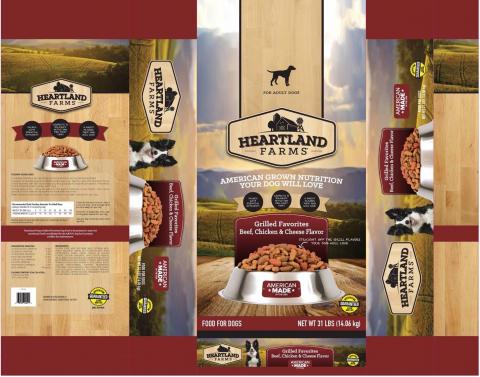
The affected products were distributed in retail stores nationally.  Retailers who received the recalled lots have been contacted and asked to pull these lots from their inventory and shelves.  There are no other Family Pet®, Heartland Farms®, or Paws Happy Life® products or other lot codes of these products affected by this precautionary recall.

Consumers who have purchased the recalled products should discontinue use of the product and may return the unused portion to the place of purchase for a full refund. Consumers may contact Sunshine Mills, Inc. Customer Service at (800) 705-2111 from 7AM to 4PM Central Time, Monday through Friday, or by email at customer.service@sunshinemills.com for additional information.

This is a voluntary recall being conducted in cooperation with the U.S. Food and Drug Administration.

Products affected by this announcement:

Product Name

Size

Lot Codes

UPC Code

FAMILY PET® MEATY CUTS BEEF CHICKEN & CHEESE FLAVORS PREMIUM DOG FOOD 4 lb. TD3 4/APRIL/2020
TD1 5/APRIL/2020
3225120694
14 lb. TB1 4/APRIL/2020
TB2 4/APRIL/2020
TB3 3/APRIL/2020
3225118078
28 lb. TB3 3/APRIL/2020 3225120694
HEARTLAND FARMS® GRILLED FAVORITES
BEEF CHICKEN & CHEESE FLAVOR
14 lb. TB1 4/APRIL/2020
TB2 4/APRIL/2020
7015514299
31 lb. TA2 4/APRIL/2020
TA3 4/APRIL/2020
7015514301
PAWS HAPPY LIFE® BUTCHER’S CHOICE DOG FOOD 16 lb. TA1 4/APRIL/2020
TA2 4/APRIL/2020
3680035763


Company Contact Information

Consumers:
Sunshine Mills, Inc. Customer Service
 (800) 705-2111
 customer.service@sunshinemills.com

Product Photos

China – Durian grabbed from sunken vessel sicken 523 Guangxi villagers – Vibrio parahaemolyticus

The Standard

Food Illness

A total of 523 Chinese villagers suffered from food poisoning symptoms after eating durian from a capsized cargo ship in Guangxi on August 26, the local disease control center announced on Tuesday, the state media said.

A later investigation showed that they were infected with vibrio parahaemolyticus bacterium, which, when ingested, causes gastrointestinal illness in humans, and was probably caused by the durian becoming contaminated by sea water.
An announcement from the local government on August 27 said 101 of the villagers suffered from abdominal pains, diarrhea and vomiting while others only displayed mild symptoms. Nine people are currently in hospital,
Video clips circulating online showed the villagers rushing to the sea to try and recover durian floating on the sea water’s surface, after a cargo ship loaded with durian overturned around 200 meters away from the coast of Dongxing in Guangxi on August 26.
Local authorities tried to stop the villagers, but they still managed to recover some durian.
More common in the sea, vibrio parahaemolyticus bacterium is a microorganism that favors salty food, and is commonly found in food poisoning cases in coastal areas in the summer and autumn months, Guangxi Center for Disease Prevention and Control said.
It often lurks in fish, shrimp, crab, shellfish and other seafood, and occasionally spreads through salted products like pickles, seasoned meats and salted eggs. It is suspected the durian, soaked in sea water, could have been contaminated with the microorganism.
Experts said the incubation period for those infected with the bacterium ranges from 1 hour to 4 days, but lasts 10 hours in most cases. The symptoms resulting from its ingestion start quickly, and include chills, abdominal pains, nausea and vomiting, followed by fever, diarrhea, and watery or bloody stool.

Research – A critical literature review to assess the significance of intervention methods to reduce the microbiological load on beef through primary production

FSA

Background

The sale and consumption of burgers served less than thoroughly cooked (LTTC) and pink in the middle is a steadily increasing trend and several catering chains and outlets now offer this option to customers. This prompted concerns that there may be an increased risk of exposure to E. coli O157 for consumers who prefer this type of food. Our Board concluded that burgers served LTTC should be delivered to the same level of protection as thorough cooking provides the consumer. The safe production of this product at catering establishments is likely to be significantly reliant on controls and/or interventions applied at the beef processing facilities previously in the chain, particularly slaughterhouses and cutting plants.

Research Approach

The main aim of this study is to perform a broad critical review of available literature on the scientific research in intervention measures for beef, to obtain quantitative information on the reduction of bacterial load in the minced beef production chain. The review covers a range of GHP-based and hazard-based interventions at the abattoir stage (from receive and unload of animals to chilled carcasses) and post-abattoir stage (further processing of raw beef and packaging). It looks at the outcome of interventions on a range of bacterial indicators and foodborne pathogens.

Relevant outcome measures for interventions where the effectiveness of each intervention in reducing log levels of indicator bacteria (aerobic colony counts (ACC), Enterobacteriaceae counts (EBC), total coliform counts and generic E. coli counts and log levels of foodborne pathogens (primarily E. coli O157 and other VTEC and Salmonella, but also other foodborne pathogens).

Results

The main relevant outcome measures are:

  • Pre-slaughter beef interventions: Several interventions were identified at the lairage stage, from cattle received to the stunning and bleeding steps. Good hygiene practices such as lairage cleaning, proper cattle handling to prevent hide cross-contamination and hide cleanliness assessment, are recommended for use
  • Beef interventions at slaughter: Cattle hide interventions, such as chemical hide washes and microbial immobilisation treatment with shellac, are recommended for consideration as potential hazard-based interventions when applied post-exsanguination and before dehiding for reducing microbial contamination of resulting beef carcasses

Multiple use of carcass interventions was shown to have the biggest impact on microbial reduction on beef carcasses, more than any of these interventions applied alone

  • Post-slaughter beef interventions: Good hygiene practices during carcass fabrication are necessary to prevent and minimise carcass cross-contamination post-chill. Various interventions for beef primals, subprimals and trim with physical (hot water) or chemical substances have shown good reduction effects on microbiota, often statistically significant. However, these treatments can only be used if properly optimised so to retain acceptable sensory quality of the final products

Packaging-based interventions for beef cuts and minced beef had very variable effects in reduction of microbiota. Modified atmosphere packaging (MAP) and vacuum packaging are considered useful to extend the shelf life of beef trim and minced beef, but they had very limited and not statistically significant reduction effect on E. coli O157:H7


New Zealand – Shellfish biotoxin alert – PSP

MPI

North Island warnings

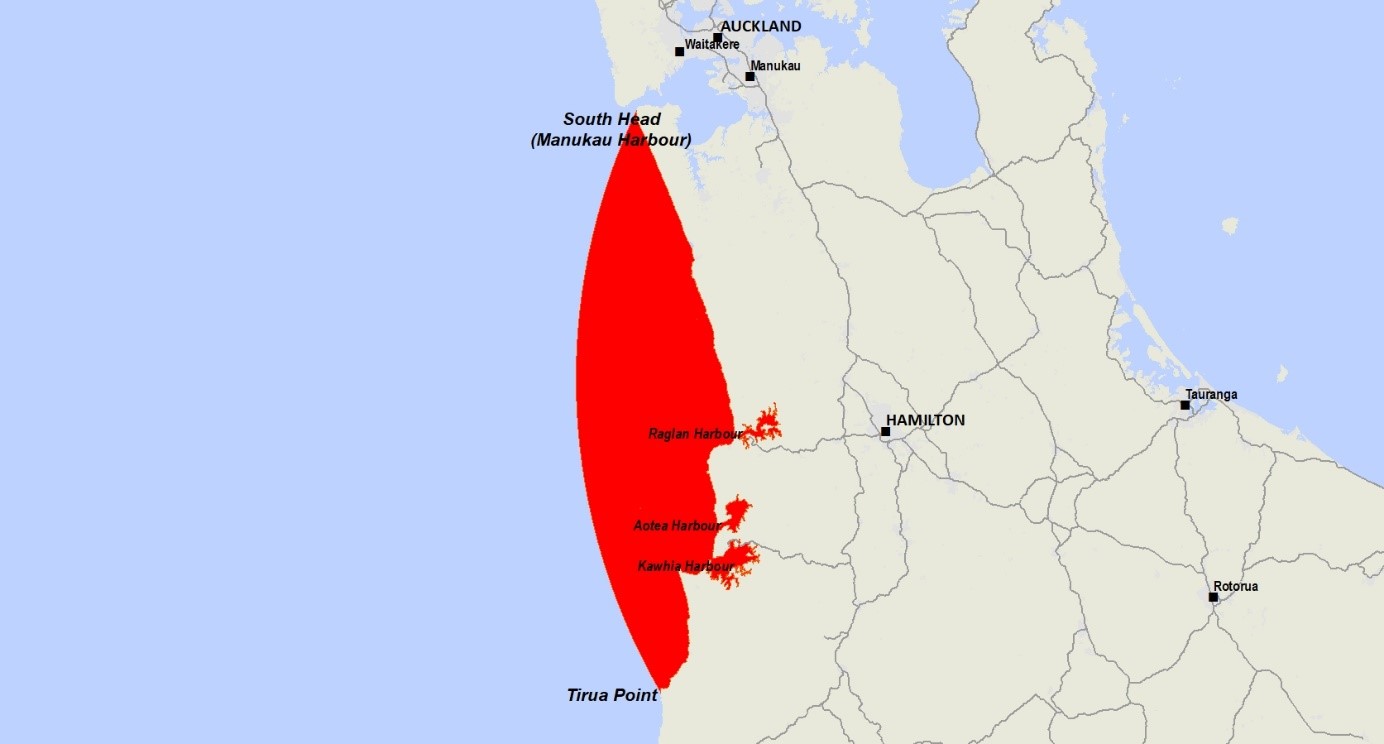
West coast, South Head to Tirua Point (south of Kawhia)

Reason for alert Paralytic Shellfish Poisoning (PSP)

Date warning issued Extended on 2 September 2020

Media release

First issue: 12 August 2020

Media release

Affected area West Coast North Island – from South Head (Manukau Harbour entrance) to Tirua Point (south of Kawhia)
Shellfish affected Mussels, oysters, tuatua, pipi, toheroa, cockles, scallops, catseyes, kina (sea urchin) and all other bivalve shellfish.

Note, cooking shellfish does not remove the toxin.

Pāua, crab and crayfish may still be eaten if the gut has been completely removed prior to cooking, as toxins accumulate in the gut. If the gut is not removed its contents could contaminate the meat during the cooking process.

Symptoms Symptoms typically appear between 10 minutes and 3 hours after ingestion and may include:

  • numbness and a tingling (prickly feeling) around the mouth, face, and extremities (hands and feet)
  • difficulty swallowing or breathing
  • dizziness
  • headache
  • nausea
  • vomiting
  • diarrhoea
  • paralysis and respiratory failure and in severe cases, death.
Other information Paralytic shellfish toxins have been detected in shellfish at levels over the safe limit of 0.8mg/kg set by MPI. Ongoing testing will continue and any changes will be communicated accordingly.

Map of affected area

Map showing the affected area

New Zealand – Shellfish biotoxin alert extended for North Island west coast, including Raglan

MPI

The Ministry for Primary Industries today extended the current public health warning against collecting shellfish from the west coast of the North Island. The warning now extends from South Head (Manukau Harbour entrance) to Tirua Point (south of Kawhia Harbour).

Paralytic Shellfish Poisoning (PSP) toxins have been detected in shellfish from the Kawhia Harbour above the safe limit set by MPI.

The other public health warning for Hawke’s Bay remains in place.

Mussels, oysters, tuatua, pipi, toheroa, cockles, scallops, catseyes, kina (sea urchin) and all other bivalve shellfish should not be eaten.

Note, cooking shellfish does not remove the toxin.

Pāua, crab and crayfish may still be eaten if the gut has been completely removed prior to cooking, as toxins accumulate in the gut. If the gut is not removed its contents could contaminate the meat during the cooking process.

Symptoms typically appear between 10 minutes and 3 hours after ingestion and may include:

  • numbness and a tingling (prickly feeling) around the mouth, face, and extremities (hands and feet)
  • difficulty swallowing or breathing
  • dizziness
  • headache
  • nausea
  • vomiting
  • diarrhoea
  • paralysis and respiratory failure and in severe cases, death.

If anyone becomes ill after eating shellfish from an area where a public health warning has been issued, phone Healthline for advice on 0800 61 11 16, or seek medical attention immediately. You are also advised to contact your nearest public health unit and keep any leftover shellfish in case it can be tested.

Monitoring of toxin levels will continue and any changes will be communicated accordingly. Commercially harvested shellfish – sold in shops and supermarkets, or exported – is subject to strict water and flesh monitoring programmes by MPI to ensure they are safe to eat.

Ghana – JHS students in Ho’s food poisoning incident treated and discharged

https://www.myjoyonline.com/news/regional/jhs-students-in-hos-food-poisoning-incident-treated-and-discharged/

Volta Regional Coordinator of Ghana School Feeding Programme (GSFP), Madam Rejoice Afi Agyagbo, says the Junior High School (JHS) students reported to have suffered from a food poisoning incident in the region have been treated and discharged.

Some 21 students from four JHSs in Ho were rushed to the Ho Municipal hospital on Thursday, after complaining of stomach pains and upset, dizziness and weakness.

It was suspected that the previous day’s meal of plain rice, beans stew and egg, had caused the food poisoning.

USA – As of today 457 in Canada and 869 in United States with Salmonella Newport linked to United States Onions

As of today 457 in Canada and 869 in United States with Salmonella Newport linked to United States Onions