Category Archives: Food Microbiology Research

Research – Food Safety Aspects of Breeding Maize to Multi-Resistance against the Major (Fusarium graminearum, F. verticillioides, Aspergillus flavus) and Minor Toxigenic Fungi (Fusarium spp.) as Well as to Toxin Accumulation, Trends, and Solutions—A Review

MDPI

Abstract

Maize is the crop which is most commonly exposed to toxigenic fungi that produce many toxins that are harmful to humans and animals alike. Preharvest grain yield loss, preharvest toxin contamination (at harvest), and storage loss are estimated to be between 220 and 265 million metric tons. In the past ten years, the preharvest mycotoxin damage was stable or increased mainly in aflatoxin and fumonisins. The presence of multiple toxins is characteristic. The few breeding programs concentrate on one of the three main toxigenic fungi. About 90% of the experiments except AFB1 rarely test toxin contamination. As disease resistance and resistance to toxin contamination often differ in regard to F. graminearumF. verticillioides, and A. flavus and their toxins, it is not possible to make a food safety evaluation according to symptom severity alone. The inheritance of the resistance is polygenic, often mixed with epistatic and additive effects, but only a minor part of their phenotypic variation can be explained. All tests are made by a single inoculum (pure isolate or mixture). Genotype ranking differs between isolates and according to aggressiveness level; therefore, the reliability of such resistance data is often problematic. Silk channel inoculation often causes lower ear rot severity than we find in kernel resistance tests. These explain the slow progress and raise skepticism towards resistance breeding. On the other hand, during genetic research, several effective putative resistance genes were identified, and some overlapped with known QTLs. QTLs were identified as securing specific or general resistance to different toxicogenic species. Hybrids were identified with good disease and toxin resistance to the three toxigenic species. Resistance and toxin differences were often tenfold or higher, allowing for the introduction of the resistance and resistance to toxin accumulation tests in the variety testing and the evaluation of the food safety risks of the hybrids within 2–3 years. Beyond this, resistance breeding programs and genetic investigations (QTL-analyses, GWAM tests, etc.) can be improved. All other research may use it with success, where artificial inoculation is necessary. The multi-toxin data reveal more toxins than we can treat now. Their control is not solved. As limits for nonregulated toxins can be introduced, or the existing regulations can be made to be stricter, the research should start. We should mention that a higher resistance to F. verticillioides and A. flavus can be very useful to balance the detrimental effect of hotter and dryer seasons on aflatoxin and fumonisin contamination. This is a new aspect to secure food and feed safety under otherwise damaging climatic conditions. The more resistant hybrids are to the three main agents, the more likely we are to reduce the toxin losses mentioned by about 50% or higher.

Research – Hazards in Seafood Notified in the Rapid Alert System for Food and Feed (RASFF) in 1996–2020

MDPI

Abstract

Seafood covering fish, crustaceans, molluscs and cephalopods is broadly recognised for its nutritional value and popularity, but it can pose some hazards to health to the potential consumer. The aim of the study was to analyse Rapid Alert System for Food and Feed (RASFF) notifications for seafood over the period 1996–2020 by hazard, year, product, notifying country, country of origin, notification type, notification basis, distribution status and action taken. The research applied cluster analysis using the joining and two-way joining methods. The main reported hazards were micro-organisms (ListeriaSalmonellaEscherichia coliVibrio, norovirus, mesophiles, Enterobacteriaceae and histamine), heavy metals (mercury and cadmium), veterinary products (nitrofuran, chloramphenicol and leucomalachite green), controls (poor temperature control and hygienic state), parasites (Anisakis) and additives/allergens (sulphite). The reported seafood products originated mainly from European and Asian countries and were notified on the basis of official or border controls, respectively. In order to minimize or eliminate risks, it is important to have the right activity of control authorities, appropriate legislation at the European and national levels and awareness at the different stages of the food chain.

Research – Biocontrol of L. monocytogenes with Selected Autochthonous Lactic Acid Bacteria in Raw Milk Soft-Ripened Cheese under Different Water Activity Conditions

MDPI

Abstract

The effect of selected autochthonous Lactic Acid Bacteria (LAB) against Listeria monocytogenes was evaluated in two elaborations of soft-ripened cheese performed under high and low relative humidity (RH) elaborations, to achieve aw ranging from 0.97 to 0.94 in ripened cheeses. Two selected autochthonous strains of Lacticaseibacillus casei 31 and 116 were used. In each elaboration, 8 batches were physicochemically and microbiologically evaluated throughout the ripening process. The aw and pH decreased during ripening to final values ranging from 0.944 to 0.972 aw and 5.0 to 5.3 pH, respectively. LAB was the only microbial group that increased throughout the ripening in high and low RH elaborations. In batches that were uninoculated with LAB strains, L. monocytogenes was either maintained at the initial inoculation level or showed a slight reduction by the end of the ripening process. However, in LAB-inoculated batches in the two elaborations, steady decreases of L. monocytogenes were observed throughout maturation. L. casei 31 alone or in combination with strain 116 provoked reductions of 2 to 4 log CFU/g in L. monocytogenes over 60 days of ripening, which could be enough as a strategy for biocontrol to deal with the usual contamination by L. monocytogenes during cheese processing.

Research – Positive and negative aspects of bacteriophages and their immense role in the food chain

Nature

Abstract

Bacteriophages infect and replicate inside a bacterial host as well as serve as natural bio-control agents. Phages were once viewed as nuisances that caused fermentation failures with cheese-making and other industrial processes, which lead to economic losses, but phages are now increasingly being observed as being promising antimicrobials that can fight against spoilage and pathogenic bacteria. Pathogen-free meals that fulfil industry requirements without synthetic additives are always in demand in the food sector. This study introduces the readers to the history, sources, and biology of bacteriophages, which include their host ranges, absorption mechanisms, lytic profiles, lysogenic profiles, and the influence of external factors on the growth of phages. Phages and their derivatives have emerged as antimicrobial agents, biodetectors, and biofilm controllers, which have been comprehensively discussed in addition to their potential applications in the food and gastrointestinal tract, and they are a feasible and safe option for preventing, treating, and/or eradicating contaminants in various foods and food processing environments. Furthermore, phages and phage-derived lytic proteins can be considered potential antimicrobials in the traditional farm-to-fork context, which include phage-based mixtures and commercially available phage products. This paper concludes with some potential safety concerns that need to be addressed to enable bacteriophage use efficiently.

Research – Novel Methods for the Mitigation of Human Pathogens and Mycotoxin Contamination of High Value California Specialty Crops

ARS USDA

Successful execution of these Objectives will contribute to field by: improving our knowledge of how microbial populations can affect and impact food safety and public health and delineating how pathogens are transmitted and disseminated in and among plant crops allowing for future development of improved/alternate interventions and control strategies

(Objectives 1-4); developing novel intervention strategies using sustainable, natural fungicide alternatives that eliminate aflatoxigenic fungi; enhancing our knowledge regarding the prevalence of azole-resistant aspergilli with enhanced aflatoxin production

(Objective 5); and developing novel methods to control invasive insect pests and reducing the need for the use of radioisotopes for irradiation

(Objective 6). These Objectives, if successful, will allow growers to produce a safer food supply and reduce the use of toxic chemicals (pesticides) and enhance environmental quality.

Objective 1: Identify and characterize agricultural soils that suppress the persistence of the human pathogenic bacteria Salmonella enterica, Listeria monocytogenes and Escherichia coli O157:H7.

Objective 2: Examine the microbiomes, potential for human pathogen colonization, and effectiveness of biological control agents on lettuces grown in indoor vertical hydroponic systems.

Objective 3: Examine the effects of bacterial biocontrol candidate strains on population dynamics of black Aspergillus spp. on grapes and raisins.

Objective 4: Identification and utilization of antifungal metabolites from microbial sources as interventions. •

Sub-objective 4A: Identification of antifungal metabolites from candidate biocontrol bacteria collected from raisin grape vineyards. •

Sub-objective 4B: Isolation and characterization of bacteria with antifungal activities from pistachio orchards.

Objective 5: Development of resistance management augmenting fungal and mycotoxin elimination. •

Sub-objective 5A: Determine the prevalence of azole-resistant aspergilli (A. flavus, A. parasiticus) that produce increased levels of mycotoxins in California tree nut orchards. •

Sub-objective 5B: Develop new intervention strategies for the control of azole-resistant Aspergillus species utilizing natural products/derivatives as fungicide alternatives.

Objective 6: Investigate novel methods to address mycotoxin contamination of tree nuts through control of fungal and insect vectors. •

Sub-objective 6A: Evaluate X-ray based irradiation as an alternative to gamma irradiation for SIT. •

Sub-objective 6B: Investigate high pressure steam as a tool for orchard sanitation through destruction of overwintering NOW larvae in pistachio mummies.

Objective 7: The use of previously approved natural products as an accelerated chemical interventions strategy to inhibit food-associated mycotoxins, fungal pathogens, and their insect pest transmitters. •

Sub-objective 7A: Identify previously approved natural products that inhibit mycotoxins and fungal pathogens frequently found in food contaminations. •

Sub-objective 7B: Identify previously approved natural products that immunosuppress insect pests and increase their sensitivity to microbes.

Research – Evaluation of the Effectiveness of Aeration and Chlorination during Washing to Reduce E. coli O157:H7, Salmonella enterica, and L. innocua on Cucumbers and Bell Peppers

MDPI

Abstract

The attachment strength of bacteria to surfaces can affect the efficacy of sanitizers during washing. This study aimed to determine the effectiveness of chlorination and aeration in the removal of pathogens from the surface of produce. Cucumbers and bell peppers were inoculated with Listeria innocuaEscherichia coli O157:H7, or Salmonella enterica; afterwards, the produce was washed with or without chlorinated water (100 ppm) for 3 min in combination with or without aeration. Cucumbers washed with chlorinated water, with or without aeration, presented significant reductions of L. innocua (3.65 log CFU/cm2 and 1.13 log CFU/cm2, respectively) (p < 0.05). Similarly, bell peppers washed in chlorinated water with aeration (1.91 log CFU/g) and without aeration (2.49 log CFU/g) presented significant reductions of L. innocua. A significant reduction of L. innocua was observed on bell peppers washed with non-chlorinated water with aeration (2.49 log CFU/g) (p < 0.05). Non-chlorinated water was also effective in significantly reducing the level of Salmonella enterica (p < 0.05) on cucumbers and bell peppers. Washing with chlorinated water with aeration reduced Salmonella enterica levels from 4.45 log CFU/cm2 on cucumbers to below the detectable limit (0.16 log CFU/cm2). The highest reduction of Salmonella enterica from bell peppers occurred after washing with chlorinated water with aeration (2.48 log CFU/g). E. coli O157:H7, L. innocua, and Salmonella enterica levels present in non-chlorinated water after washing contaminated produce with or without aeration were significantly greater than those in chlorinated water (p < 0.05). After treatment, the population levels of all pathogens in chlorinated water with or without aeration were below the detectable limit for bell peppers (<1.10 log CFU/mL) and cucumbers (<1.20 log CFU/mL). Using chlorine in combination with forced aeration during washing minimizes cross-contamination of bacterial pathogens.

RASFF Alert- STEC E.coli – Pizza Dough

RASFF

Escherichia coli shigatoxin-producing in pizza dough and sauce from France in the Netherlands

Research – ‘UK should break licensing impasse and maximise the potential of phages’

The Microbiologist

In a major new report the UK’s Science, Innovation & Technology Committee has called for steps to develop the potential of bacteria-killing viruses – called bacteriophages or phages for short – that can provide an alternative to antibiotics that are attracting growing resistance.

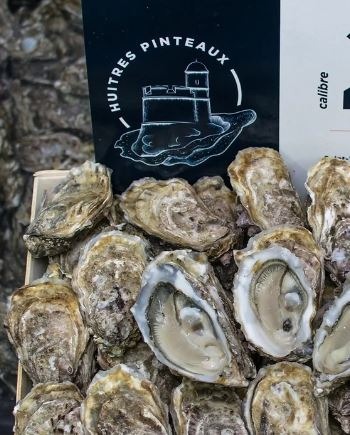
France – FINE OYSTERS FROM NORMANDY – Norovirus

Gov France

Product category
Food
Product subcategory
Fishing and aquaculture products
Product brand name
THE OYSTER GARDENS OF TATIHOU
Model names or references
THE FAMOUS ST VAAST
Product identification
Batch Date
All lots Recommended consumption date between 12/14/2023 and 12/29/2023
Packaging
WOODEN BANK
Start/end date of marketing
From 12/14/2023 to 12/29/2023
Storage temperature
Product to be stored at room temperature
Further information
ALL THE PACKAGES THE FAMOUS ST VAAST
Geographical sales area
Whole France
Distributors
WHOLESALERS, MARKET, FISH STORE

France – Saint Vaast oysters – Norovirus

Gov France

Product category
Food
Product subcategory
Fishing and aquaculture products
Product brand name
Unbranded
Model names or references
St Vaast oysters N°1 / N°2 / N°3 St Vaast fine CR oysters N°1 / N°2 / N°3
Product identification
Batch
Lots of 23/348 – 23/349 – 23/350 – 23/351 – 23/352 – 23/353 – 23/354 – 23/355 – 23/356 – 23/357 – 23/358 – 23/359 – 23/360 – 23/361 – 23/362 – 23/363
Packaging
wooden hamper / retail
Start/end date of marketing
From 12/14/2023 to 12/29/2023
Storage temperature
Product to keep in the refrigerator
Geographical sales area
Whole France
Distributors
Large distribution / fishmonger / restaurant / wholesaler