Category Archives: Food Microbiology Research

Research – The Occurrence of Aflatoxins in Nuts and Dry Nuts Packed in Four Different Plastic Packaging from the Romanian Market

MDPI

kswfoodworld

Image CDC

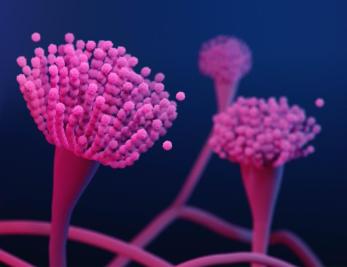
Mycotoxins are secondary metabolites produced by various fungi. A very important category of mycotoxins are aflatoxins, considered to be the most dangerous in humans. Aflatoxin B1, well known as a favorable factor in the occurrence of hepatocellular carcinoma in humans, is the most controversial of all mycotoxins. Aflatoxins, found in naturally contaminated food, are resistant to degradation by heat. Current food processing practices and conventional storage conditions do not completely eliminate aflatoxin contamination from the food supply chain. Long storage food products—such as peanuts, pistachio, nuts in general, and dried fruits—are susceptible to aflatoxins contamination. The type of plastic material can influence the concentration of aflatoxins during storage due to the permeability to gas and moisture exchange with the external milieu. Nuts in general and dried fruits are consumed in large quantities worldwide. Therefore, herein we investigated the effect of plastic material on the total aflatoxins and aflatoxin B1 content in 64 samples of nuts and dried fruits packed and stored in low-density polyethylene (LDPE), polypropylene (PP), polyethylene (PE), and polyethylene terephthalate (PET). The method consisted in a cleanup procedure using immunoaffinity columns coupled with RIDASCREEN FAST immunoenzymatic competitive assays based on the ELISA technique. Collected data were subjected to statistical analysis and multiple comparisons tests were applied. From the total analyzed samples, 14.06% exceeded the maximum admitted European levels for total aflatoxins. The highest concentrations of total aflatoxins were obtained from samples packed in LDPE, followed by PP, PE, and PET. Aflatoxin B1 was detected in all samples packed in LDPE, PP, and PE. Most of the samples packed in PET had concentrations <1 µg/kg. These results indicate that nuts in general packed and stored in LDPE are more prone to contamination with aflatoxins, while PET is more suitable for maintaining the quality and safety of these products. View Full-Text
Research – Investigation and Follow-Up of a Staphylococcal Food Poisoning Outbreak Linked to the Consumption of Traditional Hand-Crafted Alm Cheese

MDPI

Staph

Image CDC

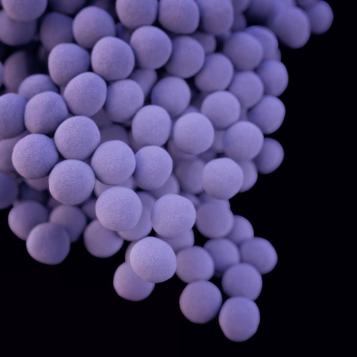
Staphylococcal food poisoning (SFP) is one of the most important foodborne diseases. This work describes a SFP event linked to the consumption of alm cheese and involved three people belonging to the same family. Leftovers of the consumed cheese, samples from the grocery store and the producing alm were collected and tested for Coagulase positive staphylococci (CPS) enumeration and for the presence of staphylococcal enterotoxins (SEs). Isolates were typed with MLST, spa typing, and tested for SEs and methicillin resistance genes. An in vitro test evaluated SEs production in relation to bacterial growth. The presence of CPS and SEs was detected in all cheese samples and all isolates belonged to the same methicillin sensitive ST8/t13296 strain harbouring sedser and sej genes. The in vitro test showed the production of enterotoxins started from 105 CFU/mL. The farmer was prescribed with corrective actions that led to eradication of the contaminating strain. View Full-Text

Research – Photocatalytically Enhanced Inactivation of Internalized Pathogenic Bacteria in Fresh Produce using Ultraviolet Irradiation with Nano-titanium Dioxide

Journal of Food Protection

Once pathogens are internalized in fresh produce, they pose a challenging food safety issue since they are not effectively inactivated by conventional rinsing or sanitization. To protect food safety and public health, the objectives were to examine internalized levels of foodborne pathogens in different types of fresh produce and to investigate the effectiveness of photocatalytically enhanced inactivation of internalized pathogens in fresh produce using UV irradiation with titanium dioxide (TiO 2 ). For this, green fluorescent protein-labeled S. Typhimurium and E. coli O157:H7 were inoculated on the leaf surface of four types of fresh produce (~10 8 CFU (colony-forming unit)/leaf) and varying concentrations of TiO 2 suspension (0.50, 0.75, 1.00, 1.25, and 1.50 µg/ml)) were applied to the surface of contaminated leaves. Depending on the nature of each vegetable, the internalized bacterial level differed (log 2 – 5 CFU/g of leaf). When UV irradiation (6,000 J/m 2 ) was applied, the internalized S. Typhimurium and E. coli levels were reduced by 0.8 – 2.4 log CFU/leaf and was with TiO 2 , the reduction was 1.1 – 3.7 log CFU/leaf. The inactivation efficiency increased as the TiO 2 concentration (up to 1.50 μg/leaf). These results indicate that the TiO 2 application enhanced the photocatalytic inactivation of internalized foodborne pathogens. The application of TiO2 would be most practical before UV irradiation and before distributing the produce. This study established a platform for future research on the inactivation of various internalized pathogens for protecting public health and scaling up fresh produce treatments by the food industry.

Research – Antimicrobial Blue Light versus Pathogenic Bacteria: Mechanism, Application in the Food Industry, Hurdle Technologies and Potential Resistance

MDPI

Blue light primarily exhibits antimicrobial activity through the activation of endogenous photosensitizers, which leads to the formation of reactive oxygen species that attack components of bacterial cells. Current data show that blue light is innocuous on the skin, but may inflict photo-damage to the eyes. Laboratory measurements indicate that antimicrobial blue light has minimal effects on the sensorial and nutritional properties of foods, although future research using human panels is required to ascertain these findings. Food properties also affect the efficacy of antimicrobial blue light, with attenuation or enhancement of the bactericidal activity observed in the presence of absorptive materials (for example, proteins on meats) or photosensitizers (for example, riboflavin in milk), respectively. Blue light can also be coupled with other treatments, such as polyphenols, essential oils and organic acids. While complete resistance to blue light has not been reported, isolated evidence suggests that bacterial tolerance to blue light may occur over time, especially through gene mutations, although at a slower rate than antibiotic resistance. Future studies can aim at characterizing the amount and type of intracellular photosensitizers across bacterial species and at assessing the oxygen-independent mechanism of blue light—for example, the inactivation of spoilage bacteria in vacuum-packed meats. View Full-Text

USA – Investigations of Foodborne Illness Outbreaks Update

FDA

The link above is a list of outbreak investigations being managed by FDA’s CORE Response Teams. The investigations are in a variety of stages, meaning that some outbreaks have limited information, and others may be near completion.

public health advisory will be issued for outbreak investigations that have resulted in specific, actionable steps for consumers to take to protect themselves. Please direct your attention to those pages for the most up to date information on the investigation and for consumer protection information.

Research – Citrinin in Foods and Supplements: A Review of Occurrence and Analytical Methodologies

MDPI

Citrinin (CIT) deserves attention due to its known toxic effects in mammalian species and its widespread occurrence in food commodities, often along with ochratoxin A, another nephrotoxic mycotoxin. Human exposure, a key element in assessing risk related to food contaminants, depends upon mycotoxin contamination levels in food and on food consumption. Commercial supplements, commonly designated as red rice, usually used in daily diets in Asiatic countries due to their medicinal properties, may pose a health problem as a result of high CIT levels. In addition to the worldwide occurrence of CIT in foods and supplements, a wide range of several analytical and detection techniques with high sensitivity, used for evaluation of CIT, are reviewed and discussed in this manuscript. This review addresses the scientific literature regarding the presence of CIT in foods of either vegetable or animal origin, as well as in supplements. On what concerns analytical methodologies, sample extraction methods, such as shaking extraction and ultrasonic assisted extraction (UAE), clean-up methods, such as liquid-liquid extraction (LLE), solid phase extraction (SPE) and Quick, Easy, Cheap, Effective, Rugged and Safe (QuECHERS), and detection and quantification methods, such as thin layer chromatography (TLC), high performance liquid chromatography (HPLC), capillary electrophoresis (CE), biosensors, and ELISA, are also reviewed.

Research – Evolution of a killer: How African Salmonella made the leap from gut to bloodstream

Science Daily

kswfoodworld.com

Image CDC

University of Liverpool scientists have exploited the combined power of genomics and epidemiology to understand how a type of Salmonella bacteria evolved to kill hundreds of thousands of immunocompromised people in Africa.

Bloodstream infections caused by a drug-resistant type of Salmonella Typhimurium called ST313 are a major public health concern in Africa, where the disease is endemic and causes ~50,000 deaths each year. What was missing was an understanding of the timing of the major evolutionary events that equipped African Salmonella to cause bloodstream infections in humans.

In a new paper published in Nature Microbiology, a team of researchers from the UK, France and Malawi, sampled two comprehensive collections of Salmonella isolates from African patients with bloodstream infections, spanning 1966 to 2018, to piece together the evolutionary journey of the Salmonella over 50 years of human infections in Africa, including the discovery of a new lineage of antibiotic-susceptible ST313.

The study was led by Professor Jay Hinton at the University of Liverpool, who has been researching Salmonella for more than 30 years and leads the 10,000 Salmonella Genomes Project — a worldwide effort to understand the epidemiology, transmission and virulence of invasive non-Typhoidal Salmonellosis.

Professor Hinton said: “Through a remarkable team effort we have removed some of the mystery about the evolution of African Salmonella. We hope that by learning how these pathogens became able to infect the human bloodstream we will be better prepared to tackle future bacterial epidemics.”

Denmark – Disease outbreaks with rare microsporidia – Enterocytozoon bieneusi.

SSI

The Statens Serum Institut and the Danish Veterinary and Food Administration are currently investigating a disease outbreak in a company with a microorganism that has so far not been registered as a cause of disease outbreaks in Denmark. It is a species of microsporidia, Enterocytozoon bieneusi. It is believed that the infection occurred through food.

In October, a company in the metropolitan area reported more than 70 cases of diarrhea among their employees.

The Statens Serum Institut (SSI) has so far found samples from 11 people positive for Enterocytozoon bieneusi, which is a species of microsporidia. It is not a microorganism that we often detect in Denmark, and we have not previously seen disease outbreaks with it.

The infection can cause severe and prolonged diarrhea, abdominal pain and nausea. In addition, there may be symptoms such as fever, headache, muscle aches and fatigue (flu-like). The infection occurs from feces from infected people with poor hygiene to other people either directly or through food and drink.

“There are no registered persons outside the company who should have been infected with E. bieneus. But we urge the country’s physicians to pay attention to patients with prolonged diarrhea for no apparent reason. Especially if it is about immunocompromised people and with particularly long-lasting symptoms, ”says ward doctor Lasse Skafte Vestergaard, SSI. Read more about the disease outbreak with microsporidia  (EPI-NEWS – week 52a – 2020)

Diagrams of Enterocytozoon bieneusi Spore, Life Cycle, and Possible... |  Download Scientific Diagram

Microsporidia are protozoan parasites belonging to the phylum Microsporidia within which exist over 1000 species classified into approximately 100 genera. These eukaryotic obligate intracellular protozoans have been described infecting every major animal group, especially insects, fish, and mammals (Wittner 1999). Microsporidia have been increasingly recognized as opportunistic pathogens of immunodeficient patients (Weber et al. 1994), especially in Aids patients but it is also becoming increasingly common in immunocompetent individuals (Gainzarain et al. 1998, Lores et al. 2001).

Although during the last decade numerous data related to the epidemiology of this infection in humans and animals have been accumulated, implying a zoonotic nature of these parasites, direct evidence of transmission from animals to humans are still lacking (Deplazes et al. 2000).

Encephalitozoon cuniculi is probably the most extensively studied mammalian microsporidian and has been reported to infect a wide range of hosts, including common laboratory rodents as well as human and non-human primates. This is the first microsporidian species infecting humans that has been considered a zoonosis (Deplazes et al. 1996, Didier et al. 1996) .

The first identification of E. intestinalis in mammals other than humans was reported by Bornay et al. (1998) in the faeces of donkeys, dogs, pigs, cow, and goat suggesting that E. intestinalis might also be of zoonotic origin.

Enterocytozoon bieneusi is the most frequent microsporidian found in humans, especially in Aids patients. It has been associated mainly with chronic diarrhoea, although it has been diagnosed in patients with other forms of immunosuppression and in immunocompetent travellers with self-limited diarrhoea (Weber & Bryan 1994, Sobottka et al. 1995). In addition, this pathogen has recently been detected in other natural hosts such as pigs (Deplazes et al. 1996, Breitenmoser et al. 1999, Rinder et al. 2000), cows, goats, pigs, chickens, cats, turkeys (Bornay et al. 1998), rabbits, dogs (del Aguila et al. 1999), and in simian immunodeficiency virus-inoculated monkeys (Tzipori et al. 1997, Mansfield et al. 1997). Consequently, this microsporidian infection may be more common than previously suspected.

Iceland – Christmas without foodborne infections

MAST

There is a lot of pressure on Icelanders’ kitchens during Christmas preparations in December and during the holidays. Hygiene, cooling and proper heating of food are extremely important in order to prevent guests and household members from getting foodborne illnesses and associated discomfort.

Disease-causing bacteria can enter the kitchen with meat and soil that comes with vegetables and from there into other foods on the kitchen table or in the refrigerator. They can also be obtained in food from the person handling the food and from the equipment and utensils used in the kitchen.

Noroviruses can spread rapidly at Christmas and it is important that people with symptoms of foodborne illness stay away from cooking. Regular hand washing reduces the risk of infection between persons or from contaminated food.

Keep in mind that:

  • Raw meat and its juices should not come into contact with ready-to-eat foods
  • Wash fruits and vegetables to prevent bacteria from entering ready-to-eat foods
  • Wash hands before cooking and after contact with raw meat and unwashed vegetables
  • Clean cutting boards and utensils immediately after use
  • Let’s organize the fridge well and keep it clean to prevent cross-contamination
  • We regularly change tablecloths, tea towels and hand towels

Bacteria multiply very rapidly under ideal conditions. At 37 ° C, one bacterium can multiply to 1000 in 3 hours and to 1 million in 6 hours. It is therefore important to store and handle food at a temperature that prevents the rapid growth of bacteria by limiting the time that sensitive foods, such as smoked and buried fish and cold cuts, are on the table at room temperature. The risk of bacterial growth is greatest when the temperature of the food is between 5 and 60 ° C. Adequate heat treatment kills bacteria and storage at refrigerated temperatures (0-4 ° C) limits their proliferation. If foodstuffs are to be kept warm, they should be kept at 60 ° C and when cooling heated foodstuffs, care should be taken to ensure that they reach 4 ° C in 3 hours. 

Citizens are encouraged to practice hygiene, proper handling and cooling of food in the kitchen so that foodborne illnesses can be prevented from spoiling the Christmas spirit.

New Zealand – Clean, cook and chill to decrease risk of food poisoning

RNZ

As the festive season kicks off, people are being reminded of the increased risk of food poisoning at home.

The Ministry for Primary Industries has launched a food safety campaign reminding everyone to “Clean Cook, and Chill”.

Food Safety Minister Dr Ayesha Verrall said with rising summer temperatures, the risk of food poisoning increased.

“Food poisoning is a significant issue in New Zealand with an estimated 100,000 people getting sick from unsafe food handling practices at home.

“That’s why the Ministry for Primary Industries is launching an awareness campaign, reminding consumers to follow the 3 C’s: clean, cook and chill, when handling, cooking and storing raw meats such as poultry, to avoid getting sick and paying the price,” she said.

MPI has also teamed up with MasterChef winning sisters Karena and Kasey Bird to offer additional advice and helpful cooking tips on social media this summer.

Verrall said a recent study found that most New Zealanders don’t believe that food poisoning can be deadly or create long-term health consequences.

She said while for many, food poisoning will just mean a few days of an upset stomach, for others it can be more serious.

“Some people can and do experience more severe forms of foodborne illnesses as a result of picking up harmful bacteria and viruses like Campylobacter, Norovirus, Salmonella, Listeria, Escherichia coli (E. coli) and Bacillus cereus.

“This is especially true for young tamariki, our elderly community, pregnant mothers and Kiwis who suffer from other health issues,” she said.