Category Archives: Food Microbiology Blog

New Zealand – Pams brand Carrot Batons – E.coli

MPI

Pams brand Carrot Batons (300g)

20 January 2023: Foodstuffs Own Brands Ltd is recalling a specific batch of its Pams brand Carrot Batons due to the possible presence of E.coli.

Product type Carrots
Name of product (size) Pams brand Carrot Batons (300g)
Date marking Use By Date 20/01/23
Package size and description The product is sold in a 300g plastic package.
Distribution The product is sold at Pak’n Save, New World and Four Square stores throughout New Zealand.

The product has not been exported.

Notes This recall does not affect any other Pams brand products.

Point of sale notice for retailers

If you are a retailer of the product in this recall notice, you need to download a copy of the below Point of sale notice and display it in your store for one month.

Point of sale notice – Pams brand Carrot Batons [PDF, 47 KB]

Consumer advice

Customers are asked to check the date mark on the back of the packaging.

Affected product should not be consumed. There have been no reports of associated illness, however if you have consumed any of this product and have any concerns about your health, seek medical advice.

Customers should return the product to their retailer for a full refund.

Who to contact

If you have questions, contact Foodstuffs Own Brands Ltd:

  • Phone: 0800 24 51 14
  • Address: 35 Landing Drive, Mangere, Auckland.
Sweden – Wernersson Ost recalls grated cheese 500g and 1 kg – may contain Listeria

Livsmedelsverket

2023-01-19

Wernersson Ost recalls grated cheese 500g and 1 kg because they may contain listeria.

RASFF Alerts – Aflatoxin – Dried Figs – Peanuts -Groundnut Kernels –

RASFF

Aflatoxins in dried figs from Turkey in Slovakia

RASFF

Aflatoxin B1 in U.S.A. peanuts in the Netherlands

RASFF

Aflatoxin B1 in Argentine groundnut kernels in the Netherlands

RASFF

Aflatoxins in U.S.A. peanuts in the Netherlands

RASFF

Aflatoxins in peanuts in shell from Egypt in Germany

RASFF

Aflatoxins in peanuts from the United States in Germany

RASFF

Aflatoxin B1 in peanuts from the United States in Germany

RASFF

Aflatoxins in peanuts in shell from Egypt in Germany

RASFF Alert- Mold/Mould – Gouda Cheese

RASFF

Mould on gouda cheese from the Netherlands in Sweden and Denmark

RASFF Alert – Norovirus in Oysters from France

RASFF

Norovirus in Oysters from France in Hungary, Italy, Latvia, Moldova, Netherlands, Romania, Singapore and Switzerland

RASFF Alert – Vibrio cholerae – Shrimps

RASFF

Vibrio cholerae (NON 014/NON 0139) was detected in frozen shrimps from Venezuela in Spain

RASFF Alert – Listeria monocytogenes – Mixed Meat Platter – Chilled Smoked Salmon – Hummus – Mortadella – Gorgonzola

RASFF

Salmonella and Listeria in mixed meat platter from Belgium in Luxembourg

RASFF

Listeria monocytogenes (530 CFU/g) in chilled smoked salmon from France in Slovenia

RASFF

Listeria monocytogenes in hummus from the Netherlands in Germany

RASFF

Mortadelle – Listeria monocytogenes from Italy in France

RASFF

Listeria monocytogenes in gorgonzola from Italy in Austria

RASFF Alerts – Salmonella – Polish Chicken Products – Sesame Seeds – Black Pepper – Black Mushrooms – Steam Cooked Chicken Breast – Laying Hens – Mixed Meat Platter

RASFF

Salmonella in sesame seeds from Nigeria in Greece

RASFF

Salmonella in sesame seeds from Nigeria in Greece

RASFF

Salmonella in black mushrooms from Côte d’Ivoire in France

RASFF

Salmonella spp. in black pepper from Brazil in Germany

RASFF

Salmonella in sesame seeds from Nigeria in Greece

RASFF

Salmonella Mbandaka in frozen steam cooked chicken breast from Ukraine in Estonia and the Netherlands

RASFF

Zoonotic Salmonella enteritidis contamination in laying hens from Germany in the Netherlands

RASFF

Salmonella Enteritidis in chicken neck skin and chicken elements from Poland in Lithuania and Latvia

RASFF

Salmonella Kentucky and Salmonella Senftenberg in sesame seeds from India in Germany and Austria

RASFF

Salmonella and Listeria in mixed meat platter from Belgium in Luxembourg

RASFF Alert- Animal Feed – Mold/Mould – Feed Material

RASFF

Mould in feed material from Ukraine in Poland and Lithuania

USA – More Listeria cases linked to Enoki Mushrooms

Food Poison Journal

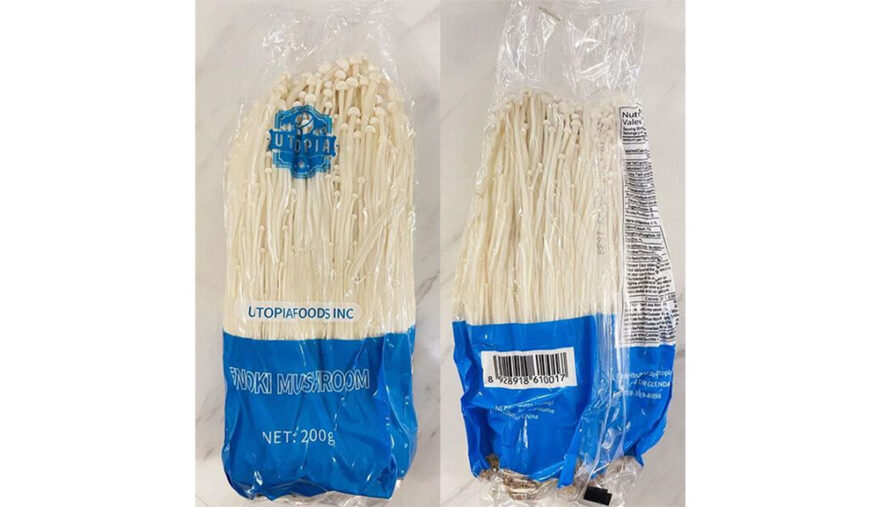
Epidemiologic and laboratory data show that enoki mushrooms are contaminated with Listeria and are making people sick. FDA found two strains of Listeria in an import sample of Utopia Foods brand enoki mushrooms. One strain is linked to the two illnesses that were already included in this outbreak, and the other strain is linked to one additional illness. Both strains are now included in this outbreak investigation.

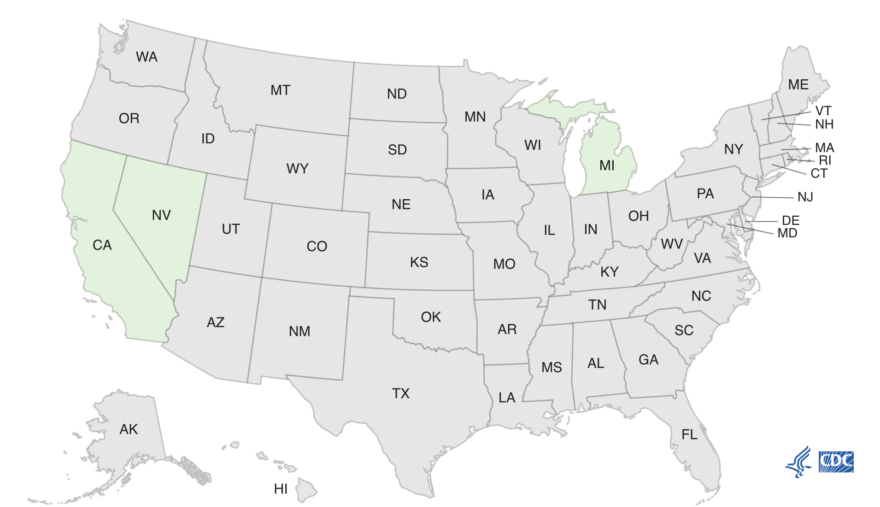
Since the last update on November 22, 2022, one more illness has been linked to this outbreak. As of January 18, 2023, three people infected with the outbreak strains of Listeria have been reported from three states. Sick people’s samples were collected from October 3, 2022, to October 8, 2022.

Sick people range in age from 30 to 56 years, with a median of 42 years, and 66% are male. Two people are Hispanic, and one person is Asian. All three have been hospitalized, and no deaths have been reported.

Two sick people reported eating enoki mushrooms or eating at restaurants with menu items containing enoki mushrooms. One patient did not report eating enoki mushrooms but reported shopping at various Asian grocery stores.

FDA found the outbreak strains of Listeria in an import sample of Utopia Foods brand enoki mushrooms.

Previously, in December 2022, Missouri state officials conducted routine sampling and found Listeria in a sample of Utopia Foods brand enoki mushrooms. The Listeria found in this sample was not the outbreak strains, and it was not linked to any reported Listeria illness in the United States. On December 13, 2022, Utopia Foods recalled these enoki mushrooms. On January 13, 2023, Utopia Foods expanded their recall of enoki mushrooms.

Do not eat, sell, or serve recalled enoki mushrooms. CDC also advises people who are pregnant, aged 65 or older, or have a weakened immune system to not eat any raw enoki mushrooms, even if they are not recalled. Instead, cook enoki mushrooms thoroughly before eating.