What’s New
- On 1/27/2023, an updated outbreak advisory was issued for the outbreak of Listeria monocytogenes linked to enoki mushrooms (reference #1127) to include additional products.

Posted in FDA, food bourne outbreak, food contamination, food handler, Food Hazard, Food Hygiene, Food Illness, Food Inspections, Food Micro Blog, Food Microbiology, Food Microbiology Blog, Food Microbiology Testing, Food Pathogen, food recall, Food Safety, Food Safety Alert, Food Safety Management, Food Safety Regulations, Food Testing, Foodborne Illness, foodborne outbreak, foodbourne outbreak, Illness, Listeria, Listeria monocytogenes, outbreak
Lap-mei is a favourite food of many people, distinctive for its colour, aroma and taste. There are three types of lap-mei available on the local market. They are preserved Chinese sausages, preserved pork, and preserved ducks. Recently, media reported that some people tried to prepare their own home-made lap-mei, which has raised food safety concerns.
Some of the curing ingredients used to prepare lap-mei (e.g. salt) have antimicrobial functions while sodium nitrate/nitrite can also inhibit the growth of Clostridium botulinum and its toxin production. Improper conditions in processing of lap-mei may lead to food deterioration due to bacterial growth, and may affect health after consumption. However, it is worth noting that Clostridium botulinum may grow in oxygen free and low acid food (such as home-made Chinese sausages) and produce lethal toxin without causing noticeable deterioration in the food. Application of nitrate/ nitrite in curing should be limited to the amount required to achieve the intended effect only. Nitrites may react with other substances found in meat forming nitrosamines, compounds that may cause human cancer. Moreover, ingestion of significant amount of nitrite can cause methaemoglobinaemia, with red blood cells loses its ability to bind oxygen and causes hypoxia in the affected individuals. The condition is characterised by headache, weakness and breathlessness, and a bluish discolouration of the skin and mucous membranes. Infants and young children are more susceptible to this condition because their digestive and methaemoglobin reductase systems are still immature.
Members of the public should buy lap-mei from reliable retailers, maintain a balanced diet and avoid excessive consumption of lap-mei (especially for individuals with diabetes, heart disease and high cholesterol). In addition, infants are highly susceptible to nitrite toxicity and should avoid consuming lap-mei. The intake of lap-mei among young children should also be restricted.
Posted in Clostridium, Clostridium botulinum, food contamination, food handler, Food Hazard, Food Hygiene, Food Inspections, Food Micro Blog, Food Microbiology, Food Microbiology Blog, Food Microbiology Research, Food Microbiology Testing, Food Pathogen, Food Poisoning, Food Safety, Food Safety Alert, Food Safety Management, Food Safety Regulations, food safety training, Food Testing, Food Toxin
BIOGRENO Organic Herb Mix, deep-frozen
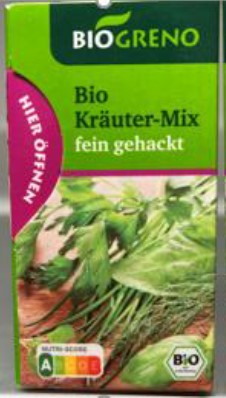
Photo from the Dresden consumer market by employees
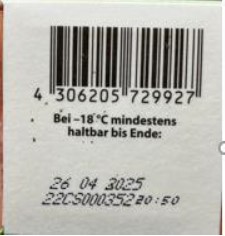
Photo from the Dresden consumer market by employees
Manufacturer: Distributor: Darégal SAS Darégal Gourmet Deutschland GmbH 6 boulevard Joffre Gewerbepark 5a F- 91490 Milly-la-Forêt D – 49143 Bissendorf
Detection of verotoxin-producing Escherichia coli (VTEC/STEC)
Escherichia coli (E.coli)
Enterohemorrhagic Escherichia coli (EHEC) An EHEC (synonyms: STEC, VTEC) disease usually manifests itself within a week after infection with diarrhea and abdominal cramps. Babies, small children, the elderly and people with a weakened immune system in particular can develop more severe illnesses with bloody diarrhea. Rarely, especially in small children, acute kidney failure can occur in a second flare-up a few days after the onset of diarrhea. Anyone who has eaten this food and develops severe or persistent symptoms should seek medical attention and report possible EHEC infection. It makes no sense to seek preventive medical treatment without symptoms.
Click to access 2023_01_31+Produktr%FCckruf+BIOGRENO.pdf
Further information on the pathogen can be found here: http://www.infectionsschutz.de/erregersteckbriefe/ehec/
Posted in E.coli, food contamination, food handler, Food Hazard, Food Hygiene, Food Inspections, Food Micro Blog, Food Microbiology, Food Microbiology Blog, Food Microbiology Testing, Food Pathogen, Food Poisoning, Food Safety Alert, Food Safety Management, Food Safety Regulations, Food Testing, Food Toxin, STEC, STEC E.coli, VTEC
Posted in antimicrobial resistance, Campylobacter, campylobacter coli, Campylobacter jejuni, Decontamination Microbial, Food Micro Blog, Food Microbiology, Food Microbiology Blog, Food Microbiology Research, Food Microbiology Testing, microbial contamination, Microbial growth, Microbiological Risk Assessment, Microbiology, Microbiology Investigations, Microbiology Risk
Brand : Agrisalumeria Luiset
Denomination : Traditional raw salami
Reason for reporting : Remind for microbiological risk
Date of publication : 1 February 2023
Posted in food contamination, food handler, Food Hazard, Food Hygiene, Food Inspections, Food Micro Blog, Food Microbiology, Food Microbiology Blog, Food Microbiology Testing, Food Pathogen, food recall, Food Safety, Food Safety Alert, Food Safety Management, Food Safety Regulations, Food Testing, Listeria, Listeria monocytogenes, Salmonella

| Batch | ||
|---|---|---|
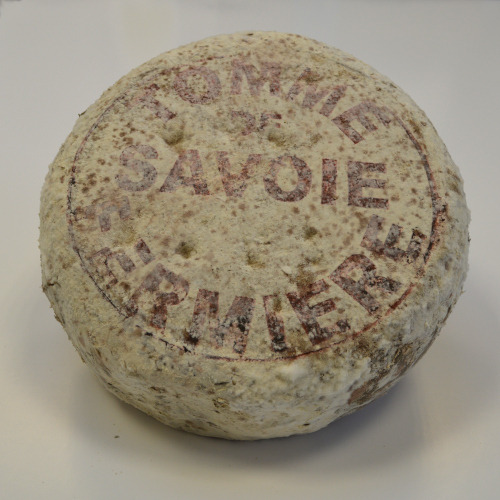
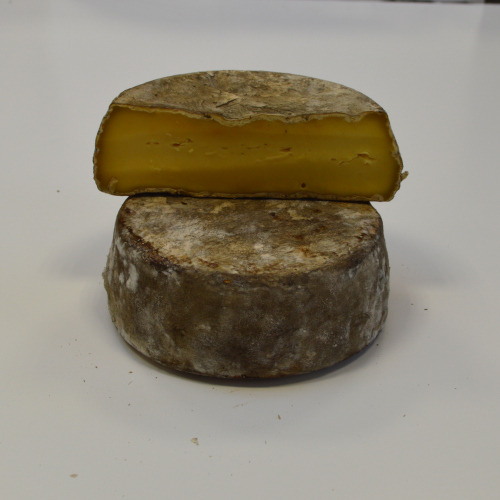
| Tommes de Savoie farmhouse (IGP): from lot 2964 to lot 2975 | ||
| Floor tiles: lots 51222, 61222, 81222, 91222, 171222 | ||
| Sarvan: lots 31222, 151222, 171222 | ||
Posted in food contamination, food handler, Food Hazard, Food Hygiene, Food Inspections, Food Micro Blog, Food Microbiology, Food Microbiology Blog, Food Microbiology Testing, Food Pathogen, food recall, Food Safety, Food Safety Alert, Food Safety Management, Food Safety Regulations, Food Testing, Listeria, Listeria monocytogenes
GUNTUR: As many as 130 students fell sick after consuming food at Gurukul school in Ramakrishnapuram in Palnadu district on Monday. Out of these students, 60 were admitted to hospital due to suspected food poisoning after they complained of vomiting and diarrhoea. As many as 650 students are studying at the Gurukul.
According to sources, a few students complained of stomach pain and nausea in the morning hours of Monday. The health officer at the school gave them the required medicines. However, the situation turned worse when several other students too took ill with similar symptoms. Later, they shifted the students to the Sattenapalli area hospital.
Posted in Food Illness, Food Micro Blog, Food Microbiology, Food Microbiology Blog, Food Microbiology Research, Food Microbiology Testing, Food Poisoning, Foodborne Illness, Illness, microbial contamination, Microbial growth, Microbiological Risk Assessment, Microbiology, Microbiology Investigations, Microbiology Risk, Poisoning
If you’re feeding maize, you likely have a mycotoxin problem on your farm, delegates at a recent ruminant nutrition were told.
Breaking down the results of this year’s mycotoxin survey, Laura Quinn, Ruminant Technical Species Expert at DSM, said: “When plants get stressed – whether that be drought, weather-related or disease – they can be vulnerable to being attacked by fungi, and mycotoxins are toxic secondary metabolites which are released by the fungi.
Biomin and DSM have run the survey since 2004.
The firm analyses over 20,000 samples a year and offers localised predictions for mycotoxins based on weather patterns.
“Mycotoxins are anti-protozoal, anti-bacterial and anti-fungal, which is great for disinfectant, but considering in the rumen we are trying to use these to break down feed materials to produce milk, we don’t want them having that effect in the cow.”
In dairy animals, mycotoxins have been linked with reduced feed intake, lower milk yields, liver inflammation, lower vaccine efficacy, and lower fatty acid production, among other production and health issues.
There are currently more than 1,000 mycotoxins identified, with more being discovered by scientists all the time.
Posted in Aflatoxin, Aflatoxin B1, Alternaria Toxin, Animal Feed Mould Toxin, Aspergillus Toxin, Food Micro Blog, Food Microbiology, Food Microbiology Blog, Food Microbiology Research, Food Microbiology Testing, Fusarium Toxin, microbial contamination, Microbial growth, Microbiological Risk Assessment, Microbiology, Microbiology Investigations, Microbiology Risk, Mold Toxin, Mould Toxin, Mycotoxin, Ochratoxin, Ochratoxin A
A large salmonella outbreak on eight poultry farms around the country has resulted in more than 7,000 birds having to be culled to ensure potentially-infected chicken products do not enter the food chain.
Due to the risk to human health from the bacteria, restrictions have been applied in the vicinity of the farms, most of which are in Co Cavan.
The Food Safety Authority of Ireland (FSAI) is working with the Department of Agriculture, Food and the Marine (DAFM) in an effort to curb the outbreak and to determine its cause.
The FSAI has confirmed that incidences of salmonella infection in broiler flocks were linked to a raw-chicken food recall it issued last week, when some poultry products were removed from supermarket shelves.
Posted in Food Micro Blog, Food Microbiology, Food Microbiology Blog, Food Microbiology Research, Food Microbiology Testing, FSAI, microbial contamination, Microbial growth, Microbiological Risk Assessment, Microbiology, Microbiology Investigations, Microbiology Risk, Salmonella, Salmonella in Chicken
Simply Sunny, dried figs, 400g
.JPG)
Eurogroup Deutschland GmbH
.JPG)
Eurogroup Deutschland GmbH
Eurogroup Deutschland GmbH Katzbergstraße 3 D – 40764 Langenfeld, Germany Distribution through branches of Penny Markt GmbH
Presence of ochratoxin A (“storage mold”)
See attached consumer information
Click to access 5493_Marktaushang_Simply_Sunny_-_Feigen_getrocknet.pdf
Posted in food contamination, food handler, Food Hazard, Food Hygiene, Food Inspections, Food Micro Blog, Food Microbiology, Food Microbiology Blog, Food Microbiology Testing, Food Poisoning, food recall, Food Safety, Food Safety Alert, Food Safety Management, Food Safety Regulations, Food Testing, Food Toxin, Mold Toxin, Mould Toxin, Mycotoxin, Ochratoxin, Ochratoxin A


