Norovirus (GI – GII viral genome) in clams (ruditapes ph.) from Spain in Italy and Portugal
Norovirus (GI-GII viral genome) in sea truffles (Venus verrucosa) from Spain in Portugal and Italy

Norovirus (GI – GII viral genome) in clams (ruditapes ph.) from Spain in Italy and Portugal
Norovirus (GI-GII viral genome) in sea truffles (Venus verrucosa) from Spain in Portugal and Italy
STEC (stx+;eae+) in bovine carcass from Belgium in France
Posted in eae, food contamination, food handler, Food Hazard, Food Hygiene, Food Inspections, Food Micro Blog, Food Microbiology, Food Microbiology Blog, Food Microbiology Testing, Food Pathogen, Food Poisoning, food recall, Food Safety, Food Safety Alert, Food Testing, Food Toxin, RASFF, STEC, STEC E.coli, STX 1, STX 2
Listeria monocytogenes in pig’s head from Belgium in Luxembourg
(n) Notifying | (o) Origin | (d) Distribution | (op) Operator
(ffup) Flagged for Follow-Up | (ffa) Flagged For Attention
Posted in food bourne outbreak, food contamination, Food Hazard, Food Hygiene, Food Illness, Food Inspections, Food Micro Blog, Food Microbiology, Food Microbiology Blog, Food Poisoning, food recall, Food Safety, Food Safety Alert, Food Testing, foodborne outbreak, foodbourne outbreak, outbreak, Salmonella, Salmonella in Chocolate
Salmonella enteritidis in chicken neck skins from the Czech Republic in Slovakia
Salmonella Infantis in 25 g of the product – poultry meat from Poland in the Czech Republic
Salmonella in meat product (ham and pistachio roll) from Belgium in France
Salmonella spp. in Chicken elements and chicken neck skin from Poland in the UK and Germany
Salmonella Enteritidis in official samples of chicken neck skins from Poland in the Netherlands
Salmonella in frozen pork meat from Spain in Finland
Salmonella gr C in chicken filet from Poland in the Netherlands
Salmonella spp. in organic coriander seed of unknown origin, via Italy in Germany
Salmonella spp. in black pepper from Brazil in Germany
Salmonella spp. in black pepper from Brazil in Germany
Salmonella spp. in black pepper from Brazil in Germany
Salmonella spp. in black pepper from Brazil in Germany
Salmonella spp. in black pepper from Brazil in Germany
Salmonella spp. in black pepper from Brazil in Germany
Salmonella spp. in black pepper from Brazil in Germany and the Netherlands
Salmonella in chicken liver from Poland in the Netherlands
Salmonella spp. in black pepper from Brazil in Germany
Posted in food contamination, food handler, Food Hazard, Food Hygiene, Food Inspections, Food Micro Blog, Food Microbiology, Food Microbiology Blog, Food Microbiology Testing, Food Pathogen, food recall, Food Safety, Food Safety Alert, Food Testing, Polish Chicken Salmonella, RASFF, Salmonella, Salmonella in Black Pepper, Salmonella in Chicken, Salmonella Poland
Ochratoxin A (68 mg/kg – ppm) in raisins from Uzbekistan, via Lithuania in Latvia
Posted in food contamination, food handler, Food Hazard, Food Hygiene, Food Inspections, Food Micro Blog, Food Microbiology, Food Microbiology Blog, Food Microbiology Testing, Food Poisoning, food recall, Food Safety, Food Safety Alert, Food Testing, Food Toxin, Mold Toxin, Mould Toxin, Mycotoxin, Ochratoxin, Ochratoxin A, RASFF
Aflatoxins in Indian Groundnut Kernels in the Netherlands and Switzerland
Aflatoxins in Indian Groundnut Kernels in the Netherlands and Switzerland
Aflatoxin B1 in Indian Groundnut Kernels in the Netherlands and Switzerland
Aflatoxins in ground ginger from Syria in Germany
Aflatoxins in organic spelt flour from France in Belgium
Aflatoxin B1 in super basmati brown rice from Pakistan in the Netherlands
Aflatoxin in Bolivian Groundnuts in the Netherlands and Spain
Aflatoxins in organic blanched Egyptian Groundnuts in Germany and the Netherlands
Aflatoxins beyond the maximum limits allowed in shelled Pistachios from Turkey in Italy
Pistachios in shell origin Iran / aflatoxins above the legal limits in pistachios in shell from Iran in Italy
Aflatoxin B1 in Turkish organic diced dried Figs in the Netherlands
Posted in Aflatoxin, Aflatoxin B1, food contamination, Food Hazard, Food Hygiene, Food Inspections, Food Micro Blog, Food Microbiology, Food Microbiology Blog, Food Microbiology Testing, Food Poisoning, food recall, Food Safety, Food Safety Alert, Food Testing, Food Toxin, Mold Toxin, Mould Toxin, Mycotoxin, RASFF, Uncategorized

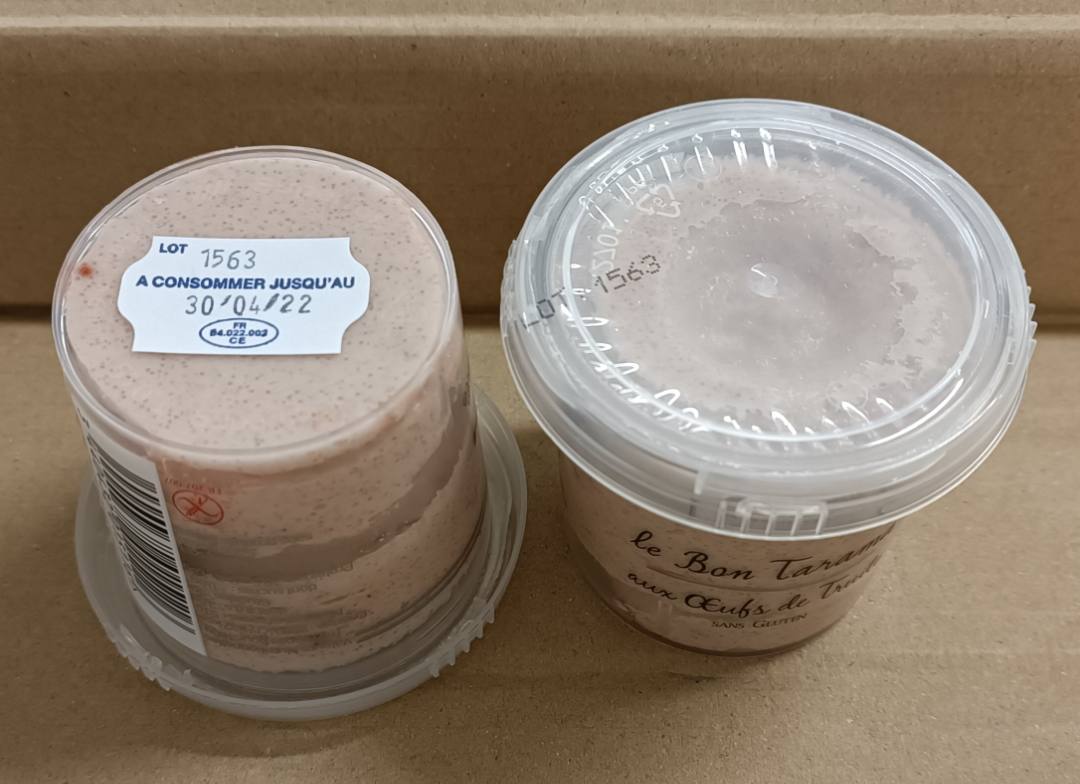
| GTIN | Batch | Date |
|---|---|---|
| 3440432015116 | 1563 | Use-by date between 30/04/2022 and 21/05/2022 |
The ground beef items for this public health alert were produced on December 16 and 17, 2021. The following products subject to the public health alert are [view labels]:
The ground beef products were distributed to warehouses in Oregon and Washington and sold at retail locations.
The problem was discovered after a consumer submitted a retail package of ground beef produced by Empire Packing bearing a use or freeze by date of “December 24, 2021” to a third-party laboratory for microbiological analysis. The consumer reported previously becoming ill but did not get tested for E coli. The third-party laboratory confirmed the ground beef sample was positive for E. coli O26.
Anyone concerned about an injury or illness should contact a healthcare provider.
Many clinical laboratories do not test for non-O157 STEC, such as O26 because it is harder to identify than STEC O157:H7. People can become ill from STECs 2–8 days (average of 3–4 days) after consuming the organism.
Most people infected with STEC O26 develop diarrhea (often bloody) and vomiting. Some illnesses last longer and can be more severe. Infection is usually diagnosed by testing of a stool sample. Vigorous rehydration and other supportive care is the usual treatment; antibiotic treatment is generally not recommended. Most people recover within a week, but, rarely, some develop a more severe infection. Hemolytic uremic syndrome (HUS), a type of kidney failure, is uncommon with STEC O26 infection. HUS can occur in people of any age but is most common in children under 5 years old, older adults and persons with weakened immune systems. It is marked by easy bruising, pallor and decreased urine output. Persons who experience these symptoms should seek emergency medical care immediately
FSIS is concerned that some product may be in consumers’ freezers. Consumers who have purchased these products are urged not to consume them. These products should be thrown away or returned to the place of purchase.
FSIS advises all consumers to safely prepare their raw meat products, including fresh and frozen, and only consume ground beef that has been cooked to a temperature of 160 F. The only way to confirm that ground beef is cooked to a temperature high enough to kill harmful bacteria is to use a food thermometer that measures internal temperature, https://www.fsis.usda.gov/safetempchart.
Media and consumers with questions regarding the public health alert can contact Debbie Robinson, Vice President of Customer Service, Empire Packing, at drobinson@empirepk.com.
Consumers with food safety questions can call the toll-free USDA Meat and Poultry Hotline at 888-MPHotline (888-674-6854) or live chat via Ask USDA from 10 a.m. to 6 p.m. (Eastern Time) Monday through Friday. Consumers can also browse food safety messages at Ask USDA or send a question via email to MPHotline@usda.gov. For consumers that need to report a problem with a meat, poultry, or egg product, the online Electronic Consumer Complaint Monitoring System can be accessed 24 hours a day at https://foodcomplaint.fsis.usda.gov/eCCF/.
Raw – Non Intact
Posted in E.coli O26, food contamination, Food Hazard, Food Hygiene, Food Inspections, Food Micro Blog, Food Microbiology, Food Microbiology Blog, Food Microbiology Testing, Food Pathogen, Food Poisoning, food recall, Food Safety, Food Safety Alert, food safety training, Food Testing, Food Toxin, FSIS, STEC, STEC E.coli, USDA
Date published: 28 April 2022
Benedikt Imports Ptd Ltd is conducting a recall of the various Elite branded confectionery products including Elite Chocolate, Elite Cakes, Elite Wafers, Energy Grain Snacks, Energy Chocolate Rice Cakes, Gum and Toffee Candies from all expiration dates. The products have been available for sale nationally at Coles, Woolworths, IGAs, 7/11, Independent Kosher stores and Milk bars.
All batches, best before, used by and made on dates are being recalled.

The recall is due to potential microbial (Salmonella) contamination.
Food products contaminated with Salmonella may cause illness if consumed.
Israel
Consumers should not eat this product. Any consumers concerned about their health should seek medical advice and should return the products to the place of purchase for a full refund.
For further information please contact:
Benedikt Imports Ptd Ltd
03 9577 3000
Related links:


