Category Archives: Food Hygiene

France – Product recall: Cervelas Quality Choice 400 g brand Every day – Listeria monocytogenes

Oulah

Product recall: Cervelas Quality Choice 400 g brand Every day

ENCOUNTERED PROBLEM

Possible presence of Listeria monocytogenes

PROPOSED SOLUTION

Those in possession of this product are asked not to consume it and to return it to the point of sale where it was purchased.

People who have consumed this product and who present with fever, isolated or accompanied by headaches, are invited to consult their attending physician and notify them of this consumption.
Pregnant women should pay special attention to these symptoms, as well as immunocompromised people and the elderly. These symptoms may suggest listeriosis, a disease that can be serious and can take up to eight weeks to incubate.

FURTHER INFORMATION

▸ Barcode
3700311865745

▸ Health
stamp FR 44-180-004 CE

▸ DLC
10/30/2020

▸ Lot
408.38

▸ Consumer service contact
For any further information, you can contact the consumer service by dialing the Freephone number: 0 800 13 30 16 (free service and call) from Monday to Friday from 8:30 am to 6 pm.

▸ Source
https://www.supercasino.fr/

Benin – Seven Family Members Die from Suspected Food Poisoning

This Day Live

A family of seven has been reported to have died after taking a meal suspected to have been contaminated in Benin, Edo State.
The incident as gathered, occurred at No. 40, Otete Street, off Textile Mill Road, Ogida quarters, in Egor Local Government Area of Edo State.

A visit to the victim’s house met the entire place deserted except for few sympathisers seen outside the compound.

New Zealand – Shellfish biotoxin alert – Northland west coast

MPI

The Ministry for Primary Industries today issued a public health warning against collecting shellfish on the Northland west coast from Waipapakauri on 90 Mile Beach, south to Pouto Point on the northern head of the Kaipara Harbour. This includes the Herekino, Whangape and Hokianga Harbours. Warning signs will be posted in the coming days.

Another warning remains in place for the west coast of the North Island – from South Head (Manukau Harbour entrance) to Tirua Point (south of Kawhia).

Routine tests on shellfish samples taken from these regions have shown levels of Paralytic Shellfish Poisoning (PSP) toxins above the safe limit of 0.8 mg/kg set by MPI. Anyone eating shellfish from this area is potentially at risk of illness.

Mussels, oysters, tuatua, pipi, toheroa, cockles, scallops, catseyes, kina (sea urchin) and all other bivalve shellfish should not be eaten.

Note, cooking shellfish does not remove the toxin.

Pāua, crab and crayfish may still be eaten if the gut has been completely removed prior to cooking, as toxins accumulate in the gut. If the gut is not removed its contents could contaminate the meat during the cooking process.

Symptoms typically appear between 10 minutes and 3 hours after ingestion and may include:

  • numbness and a tingling (prickly feeling) around the mouth, face, and extremities (hands and feet)
  • difficulty swallowing or breathing
  • dizziness
  • headache
  • nausea
  • vomiting
  • diarrhoea
  • paralysis and respiratory failure and in severe cases, death.

If anyone becomes ill after eating shellfish from an area where a public health warning has been issued, phone Healthline for advice on 0800 61 11 16, or seek medical attention immediately. You are also advised to contact your nearest public health unit and keep any leftover shellfish in case it can be tested.

Monitoring of toxin levels will continue and any changes will be communicated accordingly. Commercially harvested shellfish – sold in shops and supermarkets, or exported – is subject to strict water and flesh monitoring programmes by MPI to ensure they are safe to eat.

MPI Alerts

Belgium – Wholefoods Recall – Claw powdered devil – Salmonella

AFSCA

In agreement with the AFSCA, Wholefoods is withdrawing Devil’s Claw powder from sale and is recalling it to consumers due to the possible presence of Salmonella.

Wholefoods is asking their customers not to consume this product and to bring it back. A free return label can be requested by sending an email to help@pit-pit.com . Upon receipt of the return, the product will be refunded to you.

Product description

– Brand: Pit & Pit
– Type of packaging: Transparent jar with black lid and / or plastic bag
– Product name: Devil’s claw powder
– Expiry date (DDM): 05/06/2023
        o Weight: 100g, 500g, 750g, 2kg
        o Lots: LTKA424HF, LTKA424HG, LTKA424HH, L-TKA424HI
– Expiration date (DDM): 02/21/2023
        o Weight: 100g, 2kg
        o Lots: LTF54T9NF, L-TF54T9NG
– Expiration date (DDM) 05/02 / 2023
        o Weight: 750g, 2kg
        o Lots: LTFH80IVZ, L-TFH80IV1

The product has been distributed on the internet, online sales, via the website www.pit-pit.com

For any further information, contact: help@pit-pit.com .

USA – Dungeness Valley Raw Milk and Cream Recalled For E. coli

Food Poisoning Bulletin

According to the Washington State Department of Health, Dungeness Valley raw milk and cream is being recalled because it may be contaminated with toxin-producing E. coli bacteria. The dairy, which is located in Sequim, Washington, is telling consumers to discontinue consumption of the retail Dungeness Valley raw milk and cream products with best by dates of 9/29/20 and 9/30/20 and dispose of them, or return them to the place of purchase for a refund. No other best by dates are affected at this time.

Denmark – The source of infection for Shigella disease outbreaks has been found

SSI

In August and September, 44 Danes became ill with the intestinal bacterium shigella. The investigation shows that the source of infection was probably imported, fresh mint.

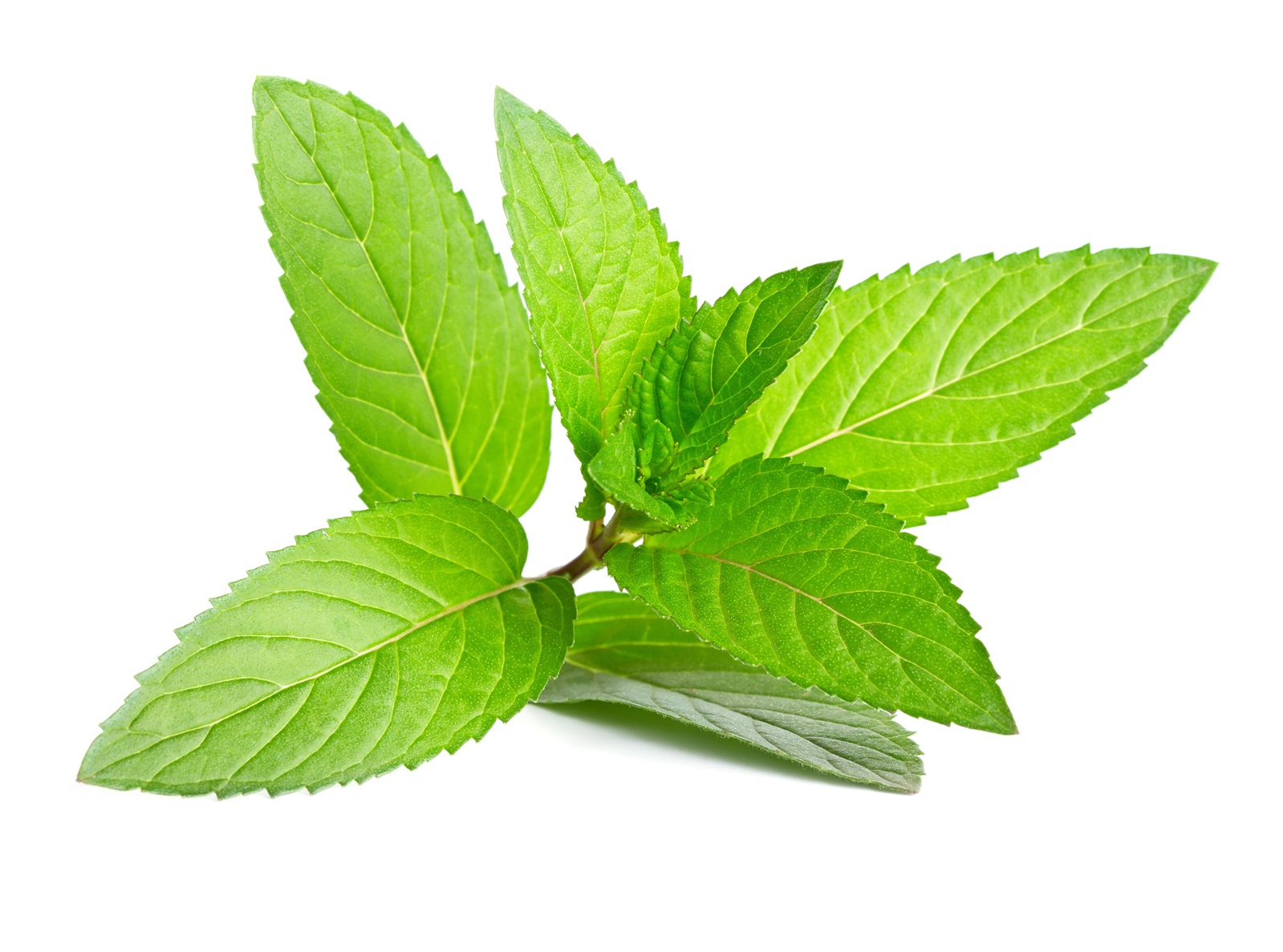
Picture of mint 01

The Statens Serum Institut (SSI) has in collaboration with the Danish Veterinary and Food Administration and the DTU Food Institute investigated an outbreak of the intestinal bacterium shigella.

The outbreak includes 44 patients. These are 30 women and 14 men aged 0-75 years. The patients experienced symptoms in the period from 22.08.2020 to 09.09.2020. A total of 13 people have been hospitalized. The sick live primarily in the Capital Region.

Read more in EPI-News number 41/20 .

China – 7 die from food poisoning in northeast China – Aflatoxin?

Shine

Seven people have died after eating contaminated food during a family meal in northeast China’s Heilongjiang Province, local authorities announced on Saturday.

The food poisoning occurred on October 5 when a resident surnamed Wang in Jidong County dined with eight family members at home and had sour noodles, a local food made of fermented corn flour, which had remained frozen for a year.

Police have ruled out homicide by poisoning since no toxic substances were detected from the extracts on the premises. A preliminary investigation suggested aflatoxin poisoning as hospital lab test results showed that the level of aflatoxin in the food was far higher than normal.

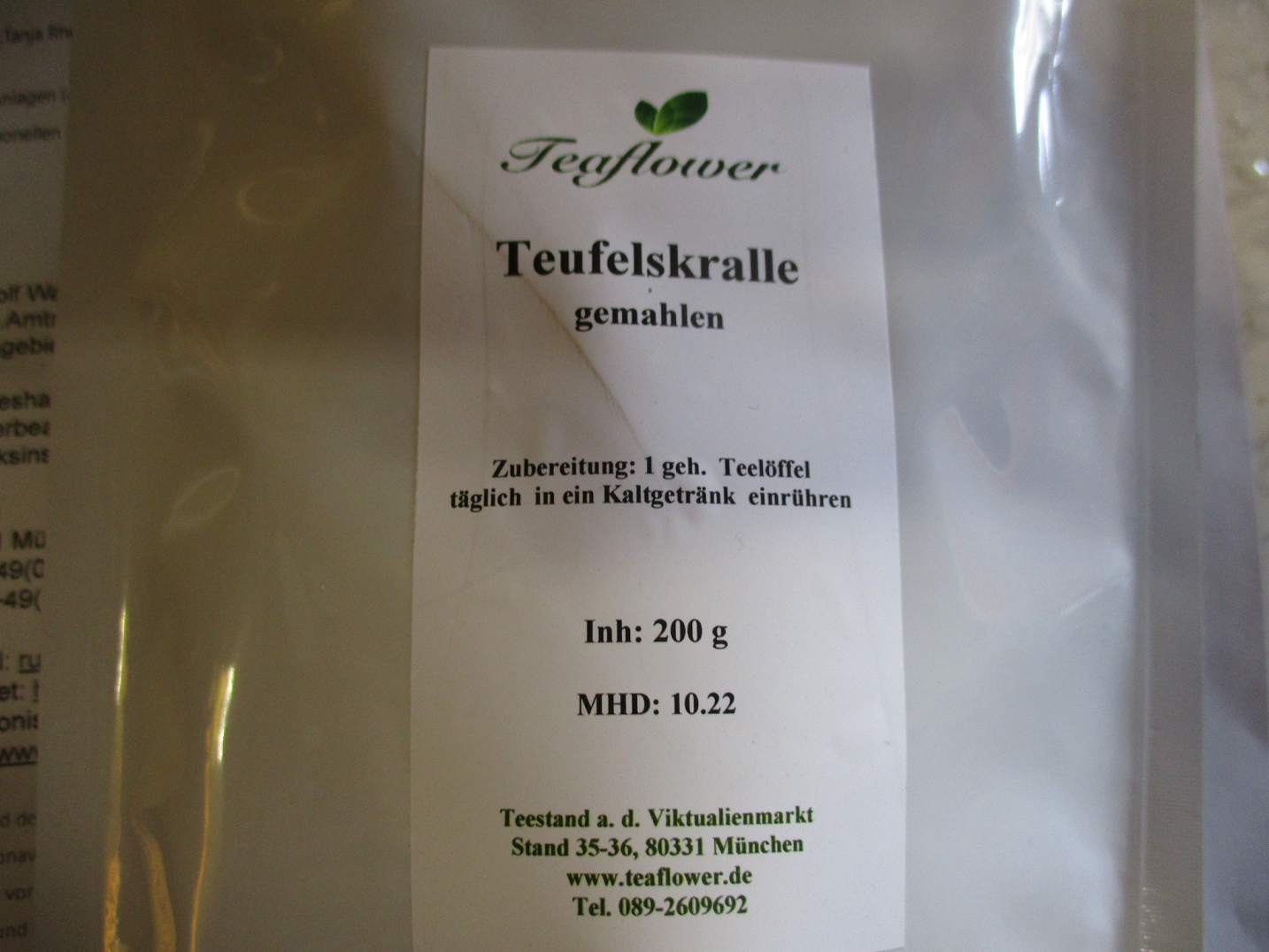
Germany – Teaflower ground devil’s claw – Salmonella

LMW

Warning type:

Food

Date of first publication:

09/10/2020

Product name:

Teaflower ground devil’s claw

Product pictures:

Produktbild.png
Manufacturer (distributor):

Teaflower market stand Shuster, Viktualienmarkt, stand 35/36, 80331 Munich, regional sales in Bavaria

Reason for warning:

Salmonella was found in the article.

Italy – ROGNONI – RASCHERA DOP – Salmonella

Salute

Brand : ROGNONI

Name : RASCHERA DOP

Reason for reporting : Recall due to microbiological risk

Publication date : 12 October 2020

Documentation

Documentation

Denmark and Sweden – Imported frozen berries suspected in hepatitis A outbreak

Food Safety News

Officials in Sweden and Denmark are investigating a hepatitis A outbreak with frozen imported berries suspected to be the source of infection.

Since mid-July, nine patients with the same type of hepatitis A virus have been reported from five different regions in Sweden. The latest patient fell ill on Sept. 18.

Six women and three men from Norrbotten, Västra Götaland, Stockholm, Uppsala and Södermanland are infected with the liver virus. Patients range from 2 to 78 years old. Also, a couple of people are ill in Denmark.

Frozen berries named as potential source
Interviews have found some people ate frozen imported berries, especially raspberries, which were not heated before consumption. However, analysis of sampled berries has not been able to detect the hepatitis A virus.

Local infection control units, Swedish Food Agency (Livsmedelsverket), and Public Health Agency of Sweden (Folkhälsomyndigheten) are investigating to confirm the source of the infections.

Two Danish cases have been linked to the Swedish outbreak and a cross-border investigation has been initiated.