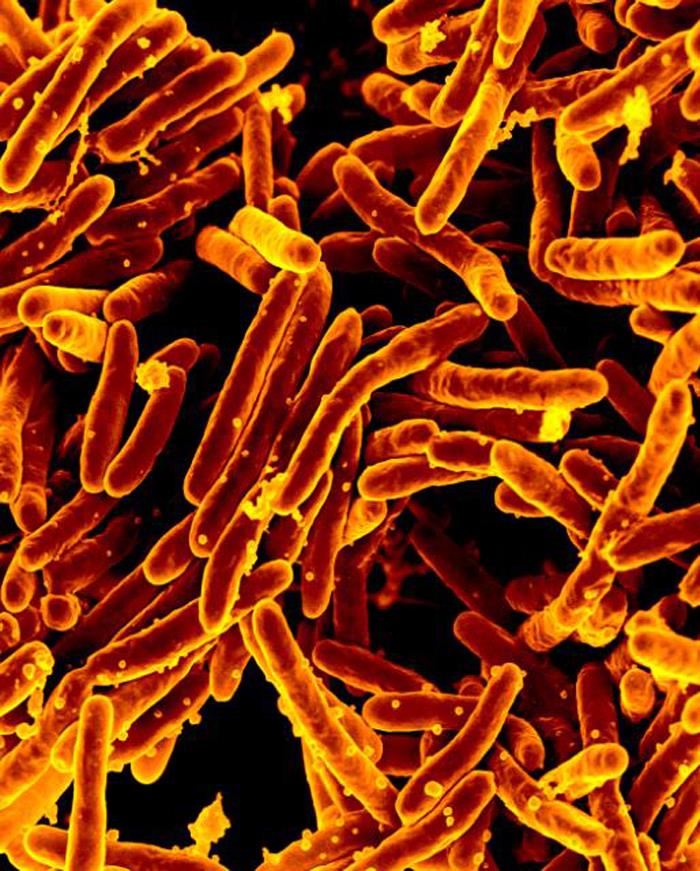
Category Archives: Clostridium perfringens

Research – Two Case Reports of Scombroid in Singapore: A Literature Review

Cureus

Abstract

Scombroid is a foodborne illness that results from eating improperly handled fish. Due to a disruption in the cold chain, these fish have high histamine levels. As a result, scombroid presents with allergy-like symptoms but is not really an allergy per se. Cases have been reported in many countries.

Here, we report two cases of a 48 and 17-year-old father and son in Singapore who developed symptoms suggestive of scombroid after eating tuna imported from Vietnam delivered by an internationally known supply company. The diagnosis was confirmed by elevated histamine levels measured in the culprit fish product. We discuss the pathophysiology, signs, symptoms, and management of scombroid.

Introduction

Scombrotoxin fish poisoning (SFP) also known as scombroid poisoning, scombrotoxicosis, or histamine fish poisoning is a foodborne illness that results from the consumption of fish that has been improperly handled between the time it is caught and the time it is cooked [1]. The word “scombroid” is derived from Scombridae which is a family of dark-fleshed fish consisting of species such as mackerel and tuna. However, non-scombroid fishes such as mahi-mahi, salmon, and sardine have also been implicated in scombroid poisoning [2].

Scombroid poisoning is very common. A 2013 report from the United States estimated over 35,000 cases resulting in 162 hospital admissions between 2000 and 2009 [3]. Scombroid cases have also been reported from countries such as Australia [4], the Netherlands [5], Israel [6], Colombia [7], and many others.

Inappropriate storage, resulting in disruption of the cold chain, of the fish leads to bacterial enzymatic conversion of free histidine into histamine. This is due to the action of bacterial histamine decarboxylase (HDC), usually by mesophilic bacteria such as Clostridium perfringensMorganella morganii, etc. As a result, high levels of histamine are usually found in the culprit seafood item [8]. Whether histamine is the only constituent of “scombrotoxin” is unclear. Nevertheless, the symptomatology is essentially that of histamine toxicity. It is considered an atypical foodborne illness as the main symptoms are not gastrointestinal and also because it is not due to contamination of the product.

While mostly self-limiting and mild, there have been reports of life-threatening scombroid poisoning. A previously healthy young woman developed hypotension needing vasopressors with ST depressions [9] while another scombroid poisoning was complicated by acute pancreatitis [10]. Some cases were severe enough to need ICU admissions. A recent narrative discussed acute coronary syndromes (ACS) associated with scombroid. Of note, there is a potential of hemodynamic failure in the acute stage, even in apparently healthy people [11].

Closer to home, in September 2016, the Agri-Food and Veterinary Authority (AVA) of Singapore issued a recall order on a batch of canned tuna imported from Thailand under a common food brand. This was reported in various newspapers such as The Straits Times and The Independent. In one issue of the Singapore Food Agency’s Food Safety Bulletin in 2018, there was a segment on scombroid. Interestingly, however, a PubMed search was conducted and while we found a case of pufferfish poisoning reported in 2013 [12] and a report of stonefish poisoning in 2009 [13], we found no reports of scombroid poisoning in Singapore. We report two confirmed cases of scombroid poisoning who are from the same household who presented to our hospital after consuming tuna for dinner.

RASFF Alert – Animal Feed – Clostridium perfringens – Fish Meal

RASFF

The presence of Clostridium perfringens in fishmeal from the Czech Republic in Romania

Research – Phytic Acid against Clostridium perfringens Type A: A Food Matrix Study

MDPI

CDC Clost perf

This study evaluated the inhibitory effect of phytic acid (PA) on the spore germination and vegetative cells growth of Clostridium perfringens type A, as well as its effect in combination with maltodextrin (MD) in cooked sausages. The addition of 1% PA showed a satisfactory inhibition of spores’ germination and vegetative cells growth of C. perfringens in BHI media. The inhibitory effect of 1% PA on vegetative cells was similar to the additive sodium sorbate (SS) at 10%. Subsequently, a mixture of PA-MD (1:1; w/w) was evaluated for the inhibition of C. perfringens spores in cooked sausages. The PA-MD 1.5% and 2.5% had a similar performance to SS 10% and a similar or higher performance than 0.015% NO2 (p < 0.05). In an unprecedented way, the present study demonstrated that PA inhibited spore germination and vegetative cells growth of C. perfringens, highlighting its potential use as an alternative and natural preservative for the meat industry. View Full-Text

UK – Estimating deaths from foodborne disease in the UK for 11 key pathogens

NCBI

Objective

To estimate the number of deaths from foodborne disease in the UK from 11 key pathogens.

Design

Four different models were developed using data from a range of sources. These included enhanced surveillance, outbreaks, death certificates and hospital episode statistics data. For each model, median estimates were produced with 95% credible intervals (CrI). The results from the different models were compared.

Results

The estimates for foodborne deaths for each pathogen from the different models were consistent, with CrIs largely overlapping. Based on the preferred model for each pathogen, foodborne norovirus is estimated to cause 56 deaths per year (95% CrI 32 to 92), foodborne Salmonella 33 deaths (95% CrI 7 to 159), foodborne Listeria monocytogenes 26 deaths (95% CrI 24 to 28), foodborne Clostridium perfringens 25 deaths (95% CrI 1 to 163) and foodborne Campylobacter 21 deaths (95% CrI 8 to 47). The considerable overlap in the CrIs means it is not possible to make any firm conclusions on ranking. Most of these deaths occur in those aged over 75 years. Foodborne deaths from ShigellaCryptosporidiumGiardia, adenovirus, astrovirus and rotavirus are all rare.

Conclusions

We estimate that there are 180 deaths per year in the UK (95% CrI 113 to 359) caused by foodborne disease based on these 11 pathogens. While this is a small fraction of the estimated 2.4 million cases of foodborne illness per year it still illustrates the potential severity of these illnesses demonstrating the importance in continuing efforts to reduce these infections.

Keywords: infectious disease, CampylobacterSalmonella

Summary box

What is already known about this subject?

  • Foodborne disease is a common illness in the UK.

  • Previous research has estimated that there are 566 000 cases, 74 000 general practitioner presentations and 7600 hospital admissions related to foodborne disease from 13 known pathogens in UK; no estimate was made for deaths.

  • Campylobacter and norovirus are the most common foodborne pathogens in the UK.

  • Other common foodborne pathogens include Clostridium perfringens and Salmonella.

What are the new findings?

  • This study provides updated estimates of deaths for each of the 11 key foodborne pathogens considered; in total, these 11 pathogens cause 180 deaths per year in the UK (95% credible interval (CrI) 113 to 359).

  • Among them, Campylobacter, C. perfringens, Listeria monocytogenes, Salmonella and norovirus pathogens are responsible for over 98% of these deaths.

  • Ranking between these five is difficult due to overlapping CrIs.

How might it impact on clinical practice in the foreseeable future?

  • This highlights the potential severity of Salmonella, L. monocytogenesC. perfringensCampylobacter and norovirus, particularly in comparison with other infectious intestinal diseases that have a food source.

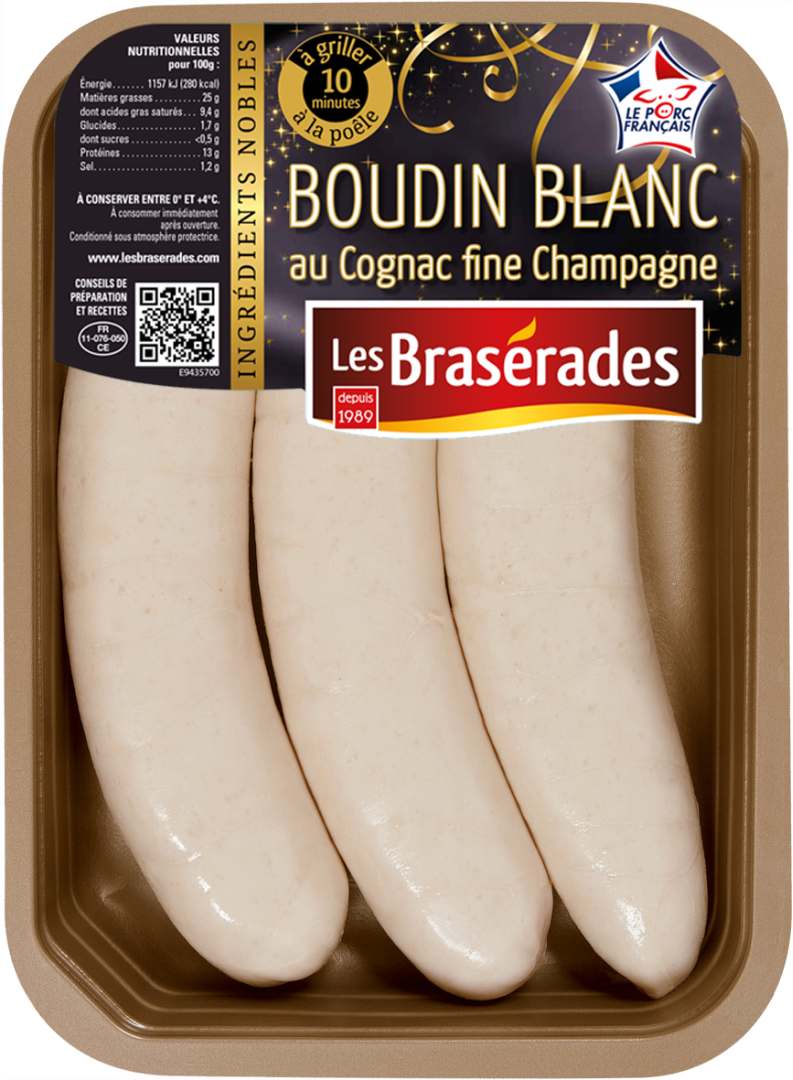
France – WHITE BOUDINS COGNAC FINE CHAMPAGNE Sausages – Clostridium perfringens

Gov france

Identifying information for the recalled product

  • Product category Food
  • Product sub-category Meats
  • Product brand name THE BRASERADES
  • Names of models or references WHITE BOUDINS COGNAC FINE CHAMPAGNE 3 * 125G WHITE BOUDINS COGNAC FINE CHAMPAGNE 7 * 125G
  • Product identification
    GTIN Lot Dated
    3387620061565 321340213 Use-by date 12/17/2021
    3387620061565 321340213 Use-by date 12/18/2021
    3387620061565 321340213 Use-by date 12/19/2021
    3387620061565 321340213 Use-by date 12/20/2021
    3387620061565 321340213 Use-by date 12/21/2021
    3387620061572 321340159 Use-by date 12/18/2021
    3387620061572 321340159 Use-by date 12/20/2021
    3387620061572 321340159 Use-by date 12/21/2021
    3387620061572 321340159 Use-by date 12/22/2021
  • Packaging MODIFIED UNDER ATMOSPHERE TRAY 3 * 125G MODIFIED UNDER ATMOSPHERE TRAY 7 * 125G
  • Start date / End of marketing From 12/06/2021 to 12/10/2021
  • Storage temperature Product to be stored in the refrigerator
  • Health mark FR 11.076.050 CE
  • Geographical sales area Whole France
  • Distributors Leclerc, Auchan, Carrefour, Atac
  • List of points of saleclients_livrés_boudins_fines_champagnes.pdf

Practical information regarding the recall

  • Reason for recall Bacteriological contamination by Clostridium perfringens
  • Risks incurred by the consumer Clostridium perfringens

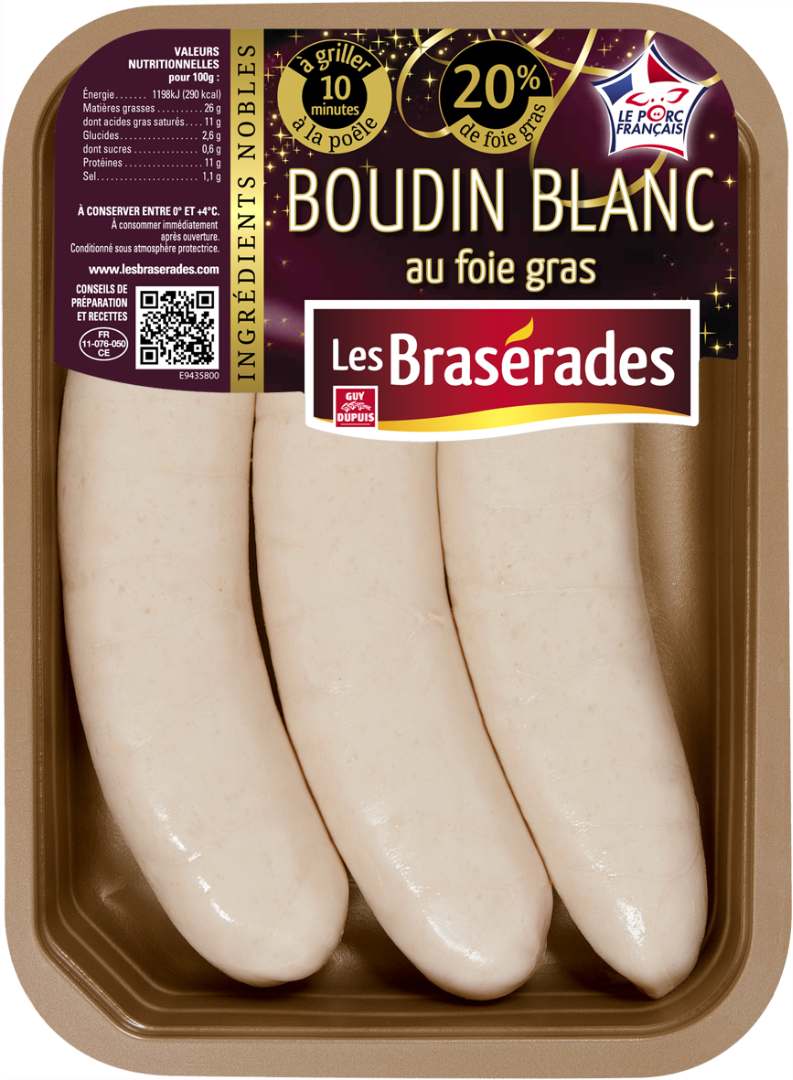
France – WHITE BOUDINS WITH FOIE GRAS – Clostridium perfringens

Gov france

Identifying information for the recalled product

  • Product category Food
  • Product sub-category Meats
  • Product brand name THE BRASERADES
  • Names of models or references WHITE BOUDINS WITH FOIE GRAS 3 * 125G WHITE BOUDINS WITH FOIE GRAS 7 * 125G
  • Product identification
    GTIN Lot Dated
    3387620061503 321340242 Use-by date 12/17/2021
    3387620061503 321340242 Use-by date 12/18/2021
    3387620061503 321340242 Use-by date 12/19/2021
    3387620061503 321340242 Use-by date 12/20/2021
    3387620061503 321340242 Use-by date 12/21/2021
    3387620061503 321340242 Use-by date 12/22/2021
    3387620061510 321340187 Use-by date 12/18/2021
    3387620061510 321340187 Use-by date 12/20/2021
    3387620061510 321340187 Use-by date 12/21/2021
    3387620061510 321340187 Use-by date 12/22/2021
  • Packaging MODIFIED UNDER ATMOSPHERE TRAY 3 * 125G MODIFIED UNIT UNIT 7 * 125G
  • Start date / End of marketing From 12/06/2021 to 12/10/2021
  • Storage temperature Product to be stored in the refrigerator
  • Health mark FR 11.076.050 EC
  • Geographical sales area Whole France
  • Distributors Leclerc, Auchan, Carrefour, System U
  • List of points of salelist_of_clients_delivered_boudins_au_foie_gras.pdf

Practical information regarding the recall

  • Reason for recall Suspicion of bacteriological contamination by Clostridium perfringens
  • Risks incurred by the consumer Clostridium perfringens

Research – Clostridial Neurotoxins: Structure, Function and Implications to Other Bacterial Toxins

MDPI

Gram-positive bacteria are ancient organisms. Many bacteria, including Gram-positive bacteria, produce toxins to manipulate the host, leading to various diseases. While the targets of Gram-positive bacterial toxins are diverse, many of those toxins use a similar mechanism to invade host cells and exert their functions. Clostridial neurotoxins produced by Clostridial tetani and Clostridial botulinum provide a classical example to illustrate the structure–function relationship of bacterial toxins. Here, we critically review the recent progress of the structure–function relationship of clostridial neurotoxins, including the diversity of the clostridial neurotoxins, the mode of actions, and the flexible structures required for the activation of toxins. The mechanism clostridial neurotoxins use for triggering their activity is shared with many other Gram-positive bacterial toxins, especially molten globule-type structures. This review also summarizes the implications of the molten globule-type flexible structures to other Gram-positive bacterial toxins. Understanding these highly dynamic flexible structures in solution and their role in the function of bacterial toxins not only fills in the missing link of the high-resolution structures from X-ray crystallography but also provides vital information for better designing antidotes against those toxins. View Full-Text

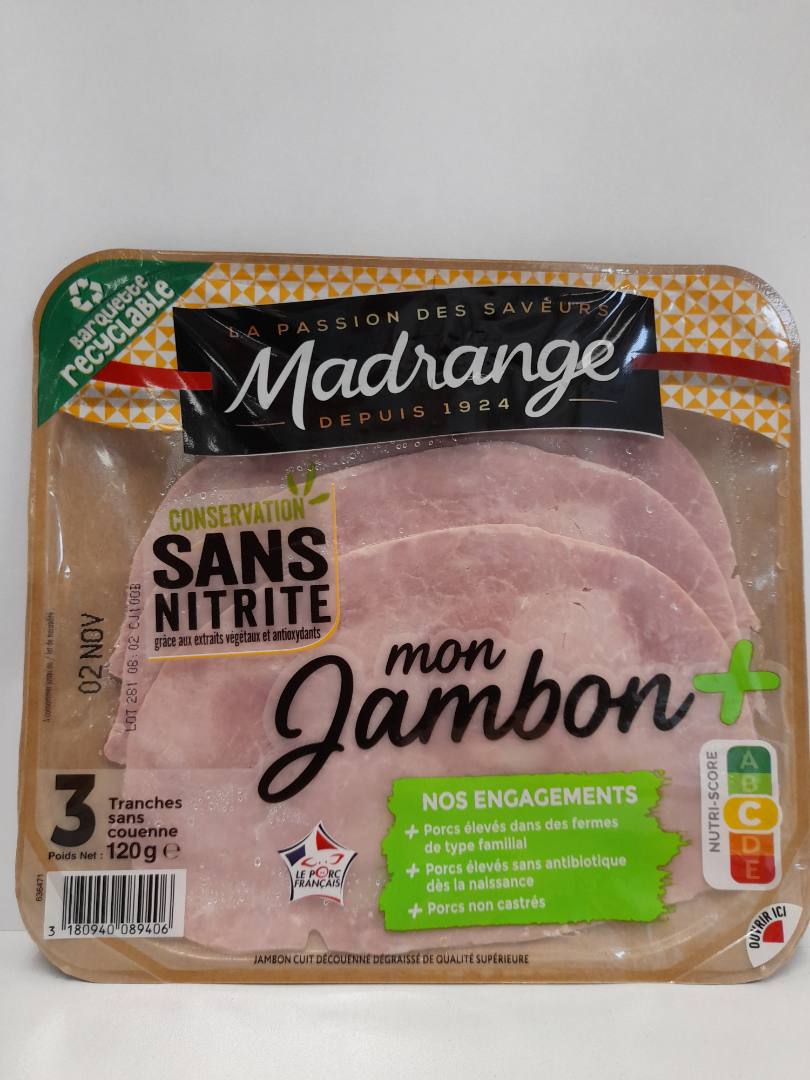
France – Superior cooked ham, skinned and defatted 3 slices conservation without nitrite – Clostridium

Gov france

Identifying information for the recalled product

  • Product category Food
  • Product sub-category Meats
  • Product brand name Madrange
  • Names of models or references Superior cooked ham 3 slices (120 g) conservation without nitrite Madrange
  • Product identification
    GTIN Lot Dated
    3180940089406 281 08:02 CJ10OB Use-by date 02/11/2021
  • Products Listtracing_aval_JB_cuit_DD3_CSN _-. pdf Enclosed
  • PackagingPackaged in modified atmosphere
  • Start date / End of marketing From 10/13/2021 to 10/24/2021
  • Storage temperature Product to be stored in the refrigerator
  • Health mark FR 87.065.001 CE
  • Geographical sales area Whole France
  • Distributors INTERMACHE
  • List of points of saletracing_aval_JB_cuit_DD3_CSN _-. pdf

Practical information regarding the recall

  • Reason for recall Non-compliant salt level. Product preservation risk
  • Risks incurred by the consumer Clostridium botulinum (causative agent of botulism)
    Clostridium perfringens

Research – A Systematic Review on the Effectiveness of Pre-Harvest Meat Safety Interventions in Pig Herds to Control Salmonella and Other Foodborne Pathogens

MDPI

myco

This systematic review aimed to assess the effectiveness of pre-harvest interventions to control the main foodborne pathogens in pork in the European Union. A total of 1180 studies were retrieved from PubMed® and Web of Science for 15 pathogens identified as relevant in EFSA’s scientific opinion on the public health hazards related to pork (2011). The study selection focused on controlled studies where a cause–effect could be attributed to the interventions tested, and their effectiveness could be inferred. Altogether, 52 studies published from 1983 to 2020 regarding Campylobacter spp., Clostridium perfringens, Methicillin-resistant Staphylococcus aureusMycobacterium avium, and Salmonella spp. were retained and analysed. Research was mostly focused on Salmonella (n = 43 studies). In-feed and/or water treatments, and vaccination were the most tested interventions and were, overall, successful. However, the previously agreed criteria for this systematic review excluded other effective interventions to control Salmonella and other pathogens, like Yersinia enterocolitica, which is one of the most relevant biological hazards in pork. Examples of such successful interventions are the Specific Pathogen Free herd principle, stamping out and repopulating with disease-free animals. Research on other pathogens (i.e., Hepatitis E, Trichinella spiralis and Toxoplasma gondii) was scarce, with publications focusing on epidemiology, risk factors and/or observational studies. Overall, high herd health coupled with good management and biosecurity were effective to control or prevent most foodborne pathogens in pork at the pre-harvest level. View Full-Text

USA – Clostridium perfringens is bug that hit South Peninsula Hospital in Anchorage Alaska

Food Poison Journal

CDC Clost perf

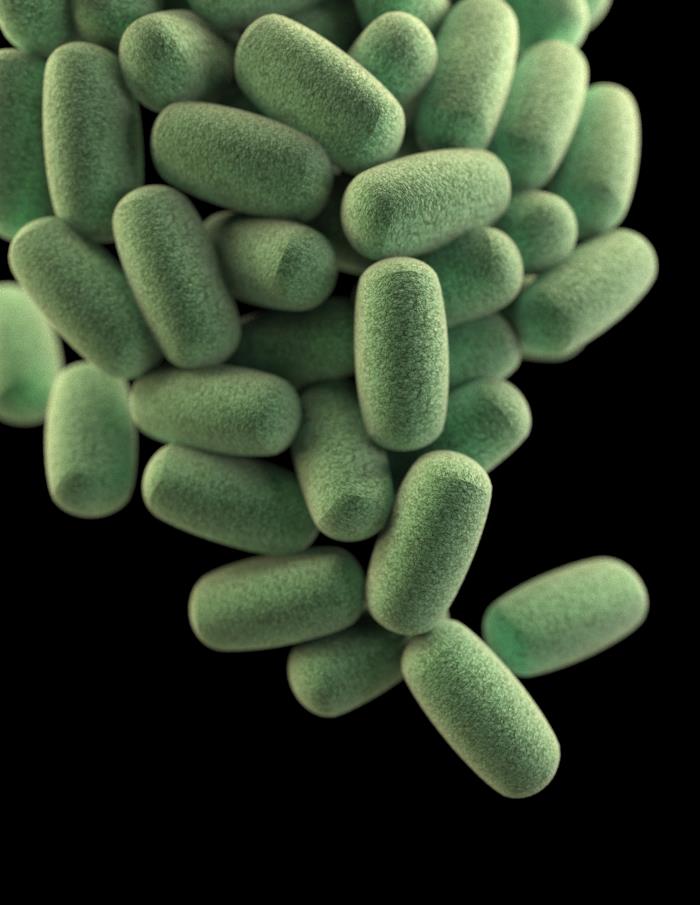
Image CDC

Morgan Krakow of the Anchorage Daily News reported that Health officials have traced the source of a foodborne illness outbreak that sickened dozens of hospital workers in Homer to a single item, the Department of Health and Social Services said in a release Monday.

It was a Cubano sandwich, experts who investigated the incident think. In fact, it was probably the pulled pork inside of it, said Jeremy Ayers, section manager with the Food Safety and Sanitation Program within the Division of Environmental Health.

When investigating an outbreak, epidemiologists look at people’s symptoms and when they began. They start to form an idea of what dish was the likely offender. In this case a lot of signs pointed to the Cubano, Ayers said.

“[The] statistics that they came up with were pretty compelling that that sandwich was the implicated food item,” Ayers said.

Experts determined that the Homer incident likely involved a pathogen associated with cooked meat and poultry called Clostridium perfringens.