Monthly Archives: September 2023

RASFF Alerts – Salmonella – Polish Chicken Products – Sesame Seeds – Mussels – Organic Lemon Thyme – Frozen Minced Chicken – Walnut Kernels

RASFF

Salmonella serogroup D in poultry kebab rotisserie from Poland in Austria, Hungary and Slovakia

RASFF

Salmonella spp present in mussels (Mytilus edulis) from the Netherlands in Spain

RASFF

Salmonella spp. in kebab skewer from Slovenia, with raw material from Poland in Slovenia and Austria

RASFF

Salmonella Infantis in chicken wings from Poland in Germany, Spain and UK

RASFF

Salmonella (in 4 out of 5 samples) in sesame seeds from India in Poland

RASFF

Salmonella (in 1 of 5 samples) in sesame seeds from India in Poland

RASFF

Salmonella in frozen chicken thigh from Poland via Estonia in Finland

RASFF

Salmonella serogroup C in poultry kebab rotisserie from Germany, with raw material from Poland in Austria

RASFF

Salmonella paratyphi in frozen minced chicken meat from the Netherland in Italy

RASFF

Salmonella spp. in walnut kernels from the USA in Italy and Germany

RASFF

Salmonella in chicken wings from Croatia in Slovenia

RASFF

Salmonella Enteritidis in chicken and chicken parts from Belgium in Germany and the Netherlands

RASFF

Salmonella spp. in organic lemon thyme from Italy in Germany and Austria

RASFF

Salmonella spp. in sesame seeds from Nigeria in Greece
RASFF Alert- Animal Feed – Visible Mould/Mold – Bran Pellets

RASFF

Wheat bran pellets for feed with molds and moisture from Angola in Portugal

RASFF Alert – Animal Feed – Salmonella – Toasted Soya Beans

RASFF

Salmonella in toasted soy beans from Belgium in Poland

RASFF Alert – Animal Feed- Aflatoxin – White Sunflower Seeds

RASFF

Aflatoxin B1 in white sunflowers seeds from Egypt in India and Belgium

Research – Preliminary Incidence and Trends of Infections Caused by Pathogens Transmitted Commonly Through Food

Medscape

Abstract and Introduction

Introduction

Each year, infections from major foodborne pathogens are responsible for an estimated 9.4 million illnesses, 56,000 hospitalizations, and 1,350 deaths in the United States.[1] To evaluate progress toward prevention of enteric infections in the United States, the Foodborne Diseases Active Surveillance Network (FoodNet) conducts surveillance for laboratory-diagnosed infections caused by eight pathogens transmitted commonly through food at 10 U.S. sites. During 2020–2021, FoodNet detected decreases in many infections that were due to behavioral modifications, public health interventions, and changes in health care–seeking and testing practices during the COVID-19 pandemic. This report presents preliminary estimates of pathogen-specific annual incidences during 2022, compared with average annual incidences during 2016–2018, the reference period for the U.S. Department of Health and Human Services’ Healthy People 2030 targets.[2] Many pandemic interventions ended by 2022, resulting in a resumption of outbreaks, international travel, and other factors leading to enteric infections. During 2022, annual incidences of illnesses caused by the pathogens CampylobacterSalmonellaShigella, and Listeria were similar to average annual incidences during 2016–2018; however, incidences of Shiga toxin-producing Escherichia coli (STEC), YersiniaVibrio, and Cyclospora illnesses were higher. Increasing culture-independent diagnostic test (CIDT) usage likely contributed to increased detection by identifying infections that would have remained undetected before widespread CIDT usage. Reducing pathogen contamination during poultry slaughter and processing of leafy greens requires collaboration among food growers and processors, retail stores, restaurants, and regulators.

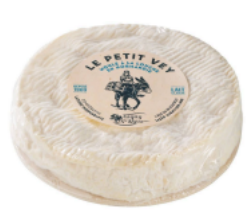
Luxembourg – Le Petit Vey from the Isigny Sainte-Mère brand – Listeria monocytogenes

SAP

he following product is recalled in Luxembourg:

Name Le Petit Vey
Brand Isigny Sainte-Mère
Unité 150 g / 130 g
Code barre 3254550070243

3254550070397

Date de durabilité minimale (DDM) 03/09/2023
Lot C1911
Période de vente 28/07/2023 – 02/09/2023

Danger : Présence possible de Listeria monocytogenes

Listeria monocytogenes peut causer de la fièvre, des maux de tête et une gastroentérite. Des personnes vulnérables telles que les personnes immunodéprimées et âgées et les jeunes enfants peuvent présenter des symptômes neurologiques dues à une méningite. Les femmes enceintes doivent également être particulièrement attentives à ces symptômes. Les gastroentérites peuvent apparaître entre quelques heures et 3 jours après consommation, alors que les symptômes neurologiques ne peuvent apparaître qu’après 3 mois. Les personnes ayant consommé ces produits et présentant ces symptômes sont invitées à consulter un médecin en lui signalant cette consommation.

Vente confirmée au Luxembourg par : Auchan

Une vente par d’autres exploitants ne peut être exclue.

Source d’information : Notification de rappel

USA – Investigations of Foodborne Illness Outbreaks

FDA

What’s New

  • For the outbreak of Listeria monocytogenes (ref #1172), The Ice Cream House initiated a recall to include all dairy and non-dairy [parve] frozen dessert products manufactured in their facility in Brooklyn, NY. See the Outbreak Advisory for additional information. FDA has initiated an on-site inspection.

FAO and WHO plan meeting on foodborne viruses

Food Safety News

The UN Food and Agriculture Organization (FAO) and World Health Organization (WHO) are set to hold an expert meeting on viruses in food later this month.

The Joint FAO/WHO Expert Meeting on Microbiological Risk Assessment (JEMRA) event, at FAO headquarters in Rome on Sept. 18 to 22, will work on food attribution, analytical methods, and indicators of viruses in foods.

United States-based experts proposed for the meeting are Donald Schaffner, of Rutgers University; Xiang-Jin Meng, at Virginia Tech; Kali Kniel, from the University of Delaware; Lee-Ann Jaykus, at North Carolina State University; and Jacquelina Williams-Woods of the FDA.

In 2022, the Codex Committee on Food Hygiene (CCFH) asked JEMRA to provide scientific advice to inform a review of guidelines established in 2012. This was due to emerging issues associated with foodborne viruses and scientific developments.

USA- Ruby Mountain Spring Water recalled after testing finds Coliforms

Food Safety News

Ruby Mountain Spring Water of Winnemucca, NV, is recalling their brand of 3 and 5-gallon plastic water jugs because the firm’s sample revealed positive findings for coliforms.

According to the details posted online by the FDA, the recall was initiated on Aug. 1, 2023, and is ongoing.

The recalled products were distributed in Nevada.

Recalled product:

  • Ruby Mountain Spring Water 3 and 5-gallon plastic water jugs
  • Product Quantity: 1,350 bottles

Anyone who purchased the recalled product should immediately dispose of it and not consume it.

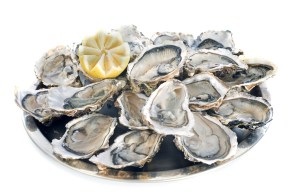
USA – FDA Advises Restaurants and Retailers Not to Serve or Sell and Consumers Not to Eat Certain Potentially Contaminated Oysters from an Approved Area in Groton, Connecticut

FDA

Product

Oysters from Groton Approved area in Connecticut harvested from 8/28/2023 through 8/30/2023 from dealers CT-393-SS, AQ, CT-004-SS, AQ, and CT-020-SS, AQ with lots, L-30 and L-26B1.

Purpose

The US Food and Drug Administration (FDA) is advising consumers not to eat, and restaurants and food retailers not to sell, and to dispose of oysters harvested from Groton Approved area in Connecticut from 8/28/2023 through 8/30/2023 from dealers CT-393-SS, AQ, CT-004-SS, AQ, and CT-020-SS, AQ with lots, L-30 and L-26B1 due to sample results showing potential contamination. Oysters were directly distributed to retailers and distributors in CT, MA, NY, PA, and VA. Oysters may have been distributed further from these states.

Contaminated oysters can cause illness, especially if eaten raw, particularly in people with compromised immune systems. Food contaminated with pathogens may look, smell, and taste normal. Consumers of these products who are experiencing food poisoning symptoms such as diarrhea, stomach pain or cramps, nausea, vomiting, or fever should contact their healthcare provider, who should report their symptoms to their local Health Department.

Symptoms of Food Poisoning

People can get sick with food poisoning after ingesting certain pathogens, like Salmonella or E. coli. Symptoms may vary, depending on the pathogen and can range from mild to serious. The most common symptoms of food poisoning are diarrhea, stomach pain or cramps, nausea, vomiting, and fever. Symptoms may start within a few hours or may take a few days and can last for a few hours or several days.