RASFF Alert – Norovirus – Mussels

RASFF

Norovirus genogroup II in mussels from Spain in Portugal

RASFF Alerts – Listeria monocytogenes – Smoked Salmon- Dry Sausage

RASFF

Listeria monocytogenes detected in smoked salmon in the UK and Ireland

RASFF

Listeria monocytogenes in dry sausage (salami) from France in Germany and Belgium

RASFF Alert – STEC E.coli – Frozen Beef

RASFF

E. coli STEC contamination in frozen beef from Uruguay in Spain

RASFF Alerts – Mycotoxin – Ochratoxin A – Dried Figs – Wheat Flour – Pistachios

RASFF

Ochratoxin A in dried figs from Turkey in Italy

RASFF

Ochratoxin A in dried figs from Turkey in Italy

RASFF

Ochratoxin A in organic wheat flour from France in Luxembourg

RASFF

Exceeding the maximum level of aflatoxin B1 and the sum of aflatoxins B1+B2+G1+G2 and the high level of ochratoxin A in pistachios from Iran via Spain in Poland

RASFF Alert – Campylobacter – Chicken Fillet

RASFF

Salmonella and Campylobacter in chicken fillet from Hungary in Austria

RASFF Alert – Staphylococcal Toxins – Cold Cuts

RASFF

Detection of staphylococcal enterotoxins in a assortment of Italian cold cuts from Italy in France

RASFF Alerts – Salmonella – Polish Chicken Products – Sesame Seeds – Tahini – Chicken Burger Patties – Pork Meat – Chicken Fillet – Fruit Salad – Minced Turkey Meat

RASFF

Salmonella CO in chicken kebab from Poland in Austria

RASFF

Salmonella sp. serogroup E in tahini from the Arab Republic of Syria in Germany

RASFF

Salmonella spp. in chicken burger patties from Germany in Luxembourg and the Netherlands

RASFF

Salmonella Infantis in fresh poultry meat from Poland in the Czech Republic

RASFF

Presence of Salmonella Typhimurium in frozen pork meat from Spain in Italy

RASFF

Salmonella and Campylobacter in chicken fillet from Hungary in Austria

RASFF

Salmonella spp in poultry meat from Poland in Germany

RASFF

Salmonella spp. in fruit salad from Germany with raw materials from Germany, Poland and the Netherlands

RASFF

Salmonella (in 1 out of 5 samples /25g) in frozen minced turkey meat from Slovenia in Croatia

RASFF

SESAME SEEDS FROM NIGERIA WITH SALMONELLA in Greece

RASFF Alert – Animal Feed – Salmonella – PAT

RASFF

Salmonella Spp in PAT from Czech Republic in Italy

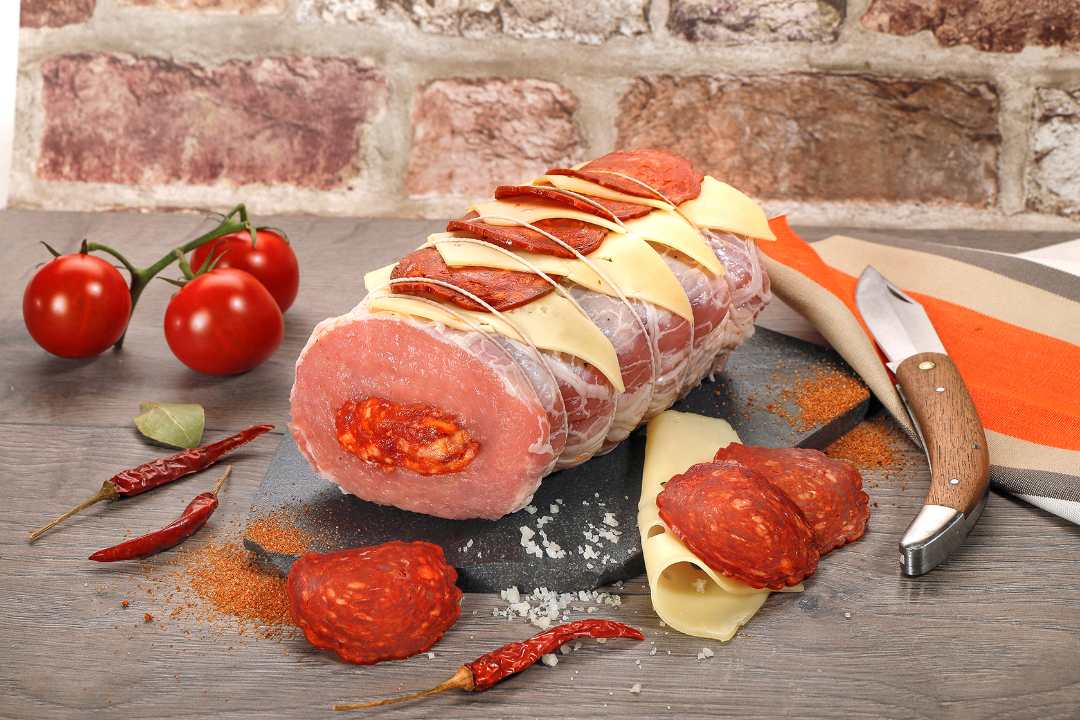
France – Roast Chorizo – Salmonella

Gov france

Identification information of the recalled product

  • Product category Feed
  • Product subcategory Meats
  • Product brand name Vallegrain
  • Model names or references Roast Chorizo
  • Identification of products
    GTIN Batch Date
    3467980061181 2232105601 Use-by date 27/11/2022
    3467980061082 2232105601 Use-by date 27/11/2022
  • Packaging Tray under modified atmosphere of about 4kg or 3x4kg.
  • Marketing start/end date From 17/11/2022 to 18/11/2022
  • Storage temperature Product to be stored in the refrigerator
  • Health mark FR-28-111-020-CE
  • Further information Roast pork elaborated about 4kg. Roast stuffed with a pork merguez stuffing, covered with slices of Emmental and Chorizo, all wrapped in strainer.
  • Geographic area of ​​saleDepartments: EURE-ET-LOIR (28), ORNE (61), VAL-D’OISE (95)
  • Distributors SUPER U and LECLERC
  • List of points of saleDHQUALCP_-_Roti_chorizo.pdf

Practical information regarding the recall

  • Reason for recall Presence of Salmonella detected
  • Risks incurred by the consumer Salmonella spp (causative agent of salmonellosis)

Research – Effect of Probiotic Lactic Acid Bacteria (LAB) on the Quality and Safety of Greek Yogurt

MDPI

Abstract

Greek yogurt is a strained yogurt with a high protein content that brings nutritional benefits. To enhance the functional benefits of Greek yogurt, Greek yogurt was prepared with various combinations of probiotic lactic acid bacteria (LAB) (Streptococcus thermophilus, Lactobacillus bulgaricus, Lactobacillus gasseri BNR17, and Lactobacillus plantarum HY7714). Effects of probiotic LAB on quality, sensory, and microbiological characteristics of Greek yogurt were then compared. Among samples, Greek yogurt fermented by S. thermophilus and L. bulgaricus showed the highest changes of pH and titratable acidity during 21 d of storage at 4 °C. Greek yogurt fermented with L. plantarum HY7714 had a higher viscosity than other samples. Greek yogurt fermented with S. thermophilus, L. bulgaricus, L. gasseri BNR17, and L. plantarum HY7714 showed superior physicochemical properties and received the highest preference score from sensory evaluation among samples. Overall, the population of enterohaemorrhagic Escherichia coli (EHEC) was more effectively reduced in Greek yogurt fermented with probiotic LAB than in commercial Greek yogurt during storage at 4, 10, and 25 °C. Thus, the addition of L. gasseri BNR17 and L. plantarum HY7714 as starter cultures could enhance the microbial safety of Greek yogurt and sensory acceptance by consumers.