RASFF Alert – Animal Feed – Salmonella – Tuna Flour

RASFF

Presence of Salmonella enterica in Tuna Flour from Spain in Italy and Greece

India – 51 Children Among 100 Hospitalised With Food Poisoning In Chhattisgarh

NDTV

About 100 people, including 51 children, from Chhattisgarh’s Ansula village have been hospitalised with suspected food poisoning on Wednesday.

They complained of diarrhoea and vomiting after attending a function at the residence of the headmaster of the state-run primary school in their village, officials told NDTV.

At the health care centres, the patients were administered intravenous drips.

Collector Doman Singh reached the community health centre in Pithora and met the patients who are now said to be out of danger.

USA – FDA Core Investigations – New Listeria outbreak announced

Food Safety News

The outbreak announcement from the Food and Drug Administration reports that 20 people are sick, but does not include what states are involved. 

Investigators have begun traceback efforts of some sort, but specific foods are not included in the outbreak announcement.

There have not been any product recalls associated with this new outbreak.

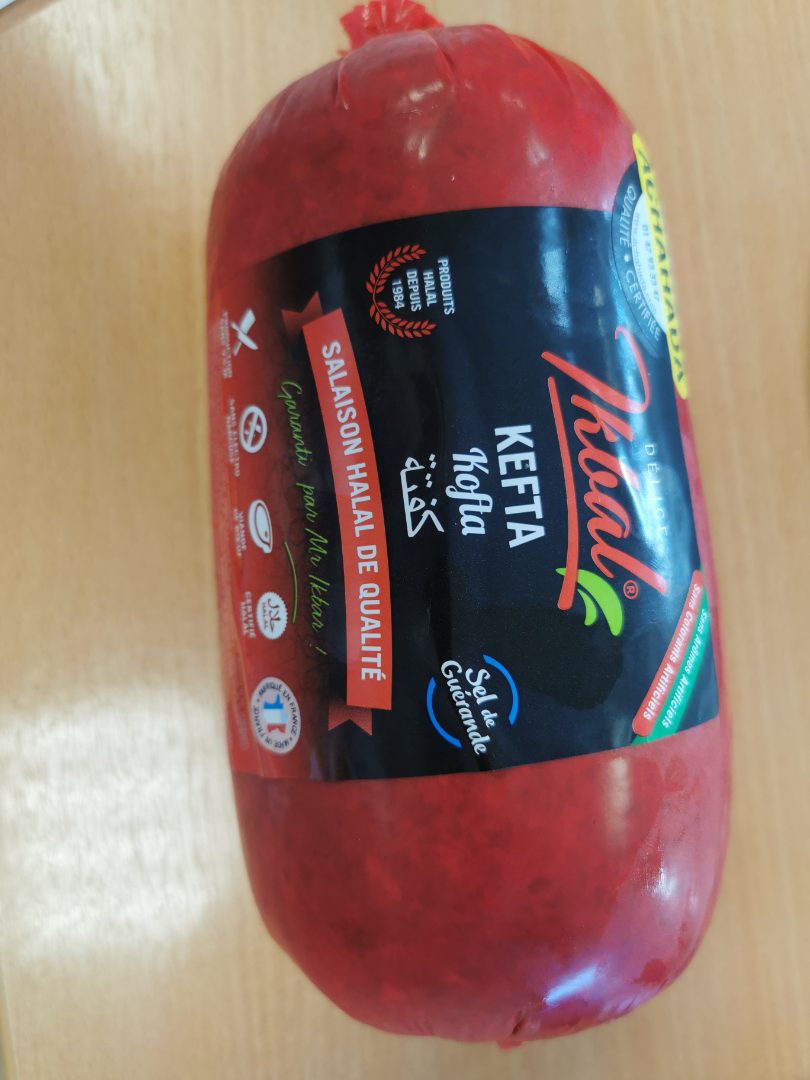
France – SPICY BEEF KEFTA – Salmonella and Listeria monocytogenes

Gov france

Identifying information for the recalled product

  • Product category Food
  • Product sub-category Meats
  • Product brand name DELICE IKBAL
  • Names of models or references SPICY BEEF KEFTA
  • Product identification
    Lot Dated
    22-20-09-21 Use-by date 10/20/2021
  • Packaging Bright red tubular
  • Start date / End of marketing From 09/21/2021 to 09/30/2021
  • Storage temperature Product to be stored in the refrigerator
  • Health markFR77458004CE
  • Further information The product is in a bright red casing
  • Geographical sales area Whole France
  • Distributors Delice Ikbal

Practical information regarding the recall

  • Reason for recall Presence of salmonella spp / 25g Presence of Listeria monocytogenes / 25g
  • Risks incurred by the consume Listeria monocytogenes (causative agent of listeriosis)
    Salmonella spp (causative agent of salmonellosis)

Italy – Marche salami – Listeria monocytogenes

Salute

Brand : Salumificio Rossi

Name : Marche salami

Reason for reporting : Recall due to microbiological risk

Publication date : 7 October 2021

Click to access C_17_PubblicazioneRichiami_1506_azione_itemAzione0_files_itemFiles0_fileAzione.pdf

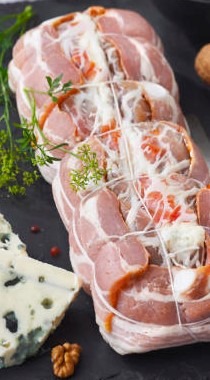
France – Filet mignon with Roquefort – Salmonella

Gov france

Identifying information for the recalled product

  • Product category Food
  • Product sub-category Meats
  • Product brand name unbranded
  • Names of models or references Filet mignon with Roquefort prepared on site on 09/27/2021 and sold in bulk in the window of the traditional department until 09/29/2021.
  • Product identification
    Lot Dated
    Filet mignon with Roquefort prepared on site on 09/27/2021 and sold in bulk in the window of the traditional department until 09/29/2021. Use-by date 09/30/2021
  • Packaging In bulk, sale in traditional department window
  • Start date / End of marketing From 09/27/2021 to 09/29/2021
  • Storage temperature Product to be stored in the refrigerator
  • Geographical sales area Departments: SEINE-SAINT-DENIS (93)
  • Distributors Novoviande Villepinte

Practical information regarding the recall

  • Reason for recall presence of Salmonella
  • Risks incurred by the consume Salmonella spp (causative agent of salmonellosis)

Norway – searches for source of hepatitis A outbreak – food suspected

Food Safety News

Norwegian public health officials are investigating an outbreak of hepatitis A that has affected 10 people.

The Norwegian Institute of Public Health (FHI) reported an investigation has been started with local health services and the Norwegian Food Safety Authority (Mattilsynet) but the suspected source is unknown.

Infection has been detected in 10 people living in several counties. Another two people are suspected of being part of the outbreak.

Samples were taken from April to September and sequencing shows hepatitis A virus (HAV) with an identical sequence of genotype 1A in all of the patients. This suggests they were infected from the same source.

Sick people are between 25 and 80 years old with a median age of 53. Sixty percent are men.

Widely distributed food suspected
Six patients live in Viken, two in Trøndelag and one each in Oslo, Vestfold og Telemark, Innlandet and Troms og Finnmark.

Research – Whole genome sequencing reveals great diversity of Vibrio spp in prawns at retail

Microbiology Research

Food Illness

Consumption of prawns as a protein source has been on the rise worldwide with seafood identified as the predominant attributable source of human vibriosis. However, surveillance of non-cholera is limited both in public health and in food. Using a population- and market share-weighted study design, 211 prawn samples were collected and cultured for spp. Contamination was detected in 46 % of samples, and multiple diverse isolates were obtained from 34 % of positive samples. Whole genome sequencing (WGS) and phylogenetic analysis illustrated a comprehensive view of species diversity in prawns available at retail, with no known pathogenicity markers identified in and . Antimicrobial resistance genes were found in 77 % of isolates, and 12 % carried genes conferring resistance to three or more drug classes. Resistance genes were found predominantly in , though multiple resistance genes were also identified in and . This study highlights the large diversity in derived from prawns at retail, even within a single sample. Although there was little evidence in this study that prawns are a major source of vibriosis in the UK, surveillance of non-cholera is very limited. This study illustrates the value of expanding WGS surveillance efforts of non-cholera Vibrios in the food chain to identify critical control points for food safety through the production system and to determine the full extent of the public health impact.

EU – EU-funded project targets produce safety

Food Safety News

A sensor is being developed by an EU-funded consortium to check for pesticides or bacteria in fruits and vegetables.

The project, called GRACED, is coordinated by the Cyprus Research and Innovation Centre and includes experts from across Europe.

The detector uses light particles to spot traces of pesticide or bacteria. From preparing a sample to detection, the system can give a result in 30 minutes.

It uses laser light to detect chemical or biological analytes. Called a plasmo-photonic bimodal multiplexing sensor, it can spot bacteria or pesticides without having to use chemicals or dyes as a marker.

Current safety checks on fruit and vegetables are made in random batches then sent to a laboratory for testing, a process that can take two to three days to get a result. Analyzing data from these checks can be time consuming and costly.

Research – Ongoing Outbreak of Extensively Drug-Resistant Campylobacter jejuni Infections Associated With US Pet Store Puppies, 2016-2020

Jama Network

Key Points

Question  Are pet store puppies a source of extensively drug-resistant Campylobacter jejuni infection in the US?

Findings  This survey study identified 168 cases from public health reports of Campylobacter infections with an epidemiologic or molecular link to pet store puppies from 2011 to 2020; 97% of patients reported contact with a dog, of whom 88% reported contact with a pet store puppy. Isolates were resistant to 7 antibiotic classes, including all recommended treatment agents.

Meaning  Extensively drug-resistant C jejuni strains have emerged as a cause of illness among pet store customers, employees, and visitors; infections caused by these strains cannot be treated with commonly recommended oral antibiotics.

Abstract

Importance  Extensively drug-resistant Campylobacter jejuni infections cannot be treated with any commonly recommended antibiotics and pose an increasing public health threat.

Objectives  To investigate cases of extensively drug-resistant C jejuni associated with pet store puppies and describe the epidemiologic and laboratory characteristics of these infections.

Design, Setting, and Participants  In August 2017, health officials identified, via survey, patients with C jejuni infections who reported contact with puppies sold by pet stores. In conjunction with state and federal partners, the Centers for Disease Control and Prevention investigated cases of culture-confirmed C jejuni infections in US patients with an epidemiologic or molecular association with pet store puppies between January 1, 2016, and February 29, 2020. Available records from cases occurring before 2016 with genetically related isolates were also obtained.

Main Outcomes and Measures  Patients were interviewed about demographic characteristics, health outcomes, and dog exposure during the 7 days before illness onset. Core genome multilocus sequence typing was used to assess isolate relatedness, and genomes were screened for resistance determinants to predict antibiotic resistance. Isolates resistant to fluoroquinolones, macrolides, and 3 or more additional antibiotic classes were considered to be extensively drug resistant. Cases before 2016 were identified by screening all sequenced isolates submitted for surveillance using core genome multilocus sequence typing.

Results  A total of 168 patients (median [interquartile range] age, 37 [19.5-51.0] years; 105 of 163 female [64%]) with an epidemiologic or molecular association with pet store puppies were studied. A total of 137 cases occurred from January 1, 2016, to February 29, 2020, with 31 additional cases dating back to 2011. Overall, 117 of 121 patients (97%) reported contact with a dog in the week before symptom onset, of whom 69 of 78 (88%) with additional information reported contact with a pet store puppy; 168 isolates (88%) were extensively drug resistant. Traceback investigation did not implicate any particular breeder, transporter, distributer, store, or chain.

Conclusions and Relevance  Strains of extensively drug-resistant C jejuni have been circulating since at least 2011 and are associated with illness among pet store customers, employees, and others who come into contact with pet store puppies. The results of this study suggest that practitioners should ask about puppy exposure when treating patients with Campylobacter infection, especially when they do not improve with routine antibiotics, and that the commercial dog industry should take action to help prevent the spread of extensively drug-resistant C jejuni from pet store puppies to people.