Category Archives: STEC

Research – Biocontrol Approaches against Escherichia coli O157:H7 in Foods

MDPI

Shiga-toxin-producing Escherichia coli O157:H7 is a well-known water- and food-borne zoonotic pathogen that can cause gastroenteritis in humans. It threatens the health of millions of people each year; several outbreaks of E. coli O157:H7 infections have been linked to the consumption of contaminated plant foods (e.g., lettuce, spinach, tomato, and fresh fruits) and beef-based products. To control E. coli O157:H7 in foods, several physical (e.g., irradiation, pasteurization, pulsed electric field, and high-pressure processing) and chemical (e.g., using peroxyacetic acid; chlorine dioxide; sodium hypochlorite; and organic acids, such as acetic, lactic, and citric) methods have been widely used. Although the methods are quite effective, they are not applicable to all foods and carry intrinsic disadvantages (alteration of sensory properties, toxicity, etc.). Therefore, the development of safe and effective alternative methods has gained increased attention recently. Biocontrol agents, including bacteriophages, probiotics, antagonistic bacteria, plant-derived natural compounds, bacteriocins, endolysins, and enzymes, are rapidly emerging as effective, selective, relatively safe for human consumption, and environmentally friendly alternatives. This paper summarizes advances in the application of biocontrol agents for E. coli O157:H7 control in foods. View Full-Text
RASFF Alert – VTEC/STEC E.coli – Beef Tartar

RASFF

Verotoxin E.coli in beef tartar from Poland in Lithuania

France – Child in France dies of E.coli infection as outbreak monitored

Connexion France

Health authorities have not released more information about the child that has died, but 13 other cases in children have prompted a nationwide investigation into the possible source.

Health authorities in France are monitoring an outbreak of E.coli following the death of a child and the detection of 13 cases across the country.

Santé publique France (SPF) issued the alert after the contaminations were first noticed at the beginning of February. The authority has confirmed that one child has died, but has not released information of the date of the death, location, or the age of the child.

Among children aged 1-15, there have been:

  • 5 cases reported in Nouvelle-Aquitaine
  • 3 cases in Hauts-de-France
  • 3 cases in Ile-de-France
  • 1 case in Brittany
  • 1 case in Pays de la Loire.

All of the children were affected by haemolytic uraemic syndrome (HUS), a potentially serious disease in young children, most often caused by food.

It is usually characterised by severe diarrhoea, which can lead to acute renal failure, and usually caused by bacteria belonging to the Escherichia coli (E.coli) family.

The SPF inquiry is looking into every report of similar cases as they are reported to paediatric units, and is aiming to “identify a common source of contamination and put appropriate measures in place”.

It has “not excluded any possibility at this stage”, it said.

Research – Shiga Toxin-Producing Escherichia coli and Milk Fat Globules

MDPI

Shiga toxin-producing Escherichia coli (STEC) are zoonotic Gram-negative bacteria. While raw milk cheese consumption is healthful, contamination with pathogens such as STEC can occur due to poor hygiene practices at the farm level. STEC infections cause mild to serious symptoms in humans. The raw milk cheese-making process concentrates certain milk macromolecules such as proteins and milk fat globules (MFGs), allowing the intrinsic beneficial and pathogenic microflora to continue to thrive. MFGs are surrounded by a biological membrane, the milk fat globule membrane (MFGM), which has a globally positive health effect, including inhibition of pathogen adhesion. In this review, we provide an update on the adhesion between STEC and raw MFGs and highlight the consequences of this interaction in terms of food safety, pathogen detection, and therapeutic development. View Full-Text

Research – Microbial safety and sanitary quality of strawberry primary production in Belgium: risk factors for Salmonella and Shiga toxin producing Escherichia coli (STEC) contamination.

AEM

Hepatitis A kswfoodworld

Strawberries are an important fruit in Belgium both in production and consumption, but little information is available about the presence of Salmonella and STEC in these berries, the risk factors in agricultural production and possible specific mitigation options. In 2012, a survey was undertaken of three soil and three soilless cultivation systems in Belgium. No Salmonella spp. was isolated. No STEC was detected in the strawberry samples (0 out of 72), but STEC was detected by qPCR in 11 out of 78 irrigation water and 2 out of 24 substrate samples.

Culture isolates were obtained for 2 out of 11 qPCR positive irrigation water samples and 2 out of 2 substrate samples. Multivariable logistic regression analysis revealed elevated generic E. coli numbers (odds ratio (OR) for 1 log increase being 4.6) as the most important risk factor for STEC, together with the berry picking season (elevated risk in summer).

Presence of generic E. coli in the irrigation water (≥ 1 cfu per 100 ml) was mainly influenced by the type of irrigation water (collected rainfall water stored in ponds was more often contaminated than ground water pumped from boreholes (OR = 5.8)) and the lack of prior treatment (untreated water versus water subjected to sand filtration prior to use (OR = 19.2)).

The follow-up study in 2013 at one of the producers indicated cattle as the most likely source of STEC contamination of the irrigation water.

Research – Assessment of the Microbiological Quality and Safety of Unpasteurized Milk Cheese for Sale in England between 2019 and 2020

Journal of Food Protection

Cheese made with unpasteurized milk has been associated with outbreaks of illness. However, there are limited data on the prevalence of Shiga toxin–producing Escherichia coli (STEC) in these products and a lack of clarity over the significance of E. coli as a general indicator of hygiene in raw milk cheeses. The aim of this study was to provide further data to address both of these issues, as well as assessing the overall microbiological quality of raw milk cheeses available to consumers in England. A total of 629 samples of cheese were collected from retailers, catering premises, and manufacturers throughout England. The majority (80%) were made using cow’s milk, with 14% made from sheep’s milk and 5% from goat’s milk. Samples were from 18 different countries of origin, with the majority originating from either the United Kingdom (40%) or France (35%). When interpreted against European Union microbiological criteria and United Kingdom guidance, 82% were considered to be of satisfactory microbiological quality, 5% were borderline, and 12% were unsatisfactory. Four samples (0.6%) were potentially injurious to health due to the isolation of STEC from one, >104 CFU/g of coagulase-positive staphylococci in two, and >100 CFU/g of Listeria monocytogenes in the fourth sample. Indicator E. coli and Listeria species were detected more frequently in soft compared with hard cheese. Higher levels of indicator E. coli were significantly associated with a greater likelihood of detecting Shiga toxin genes (stx1 and/or stx2).

Research – Escherichia coli O103 outbreak associated with minced celery among hospitalized individuals in Victoria, British Columbia, 2021

PHAC

Abstract

Background: In April 2021, a Shiga toxin-producing Escherichia coli (E. coli) (STEC) O103 outbreak was identified among patients at two hospitals in Victoria, British Columbia (BC). The objective of this study is to describe this outbreak investigation and identify issues of food safety for high-risk products prepared for vulnerable populations.

Methods: Confirmed cases of E. coli O103 were reported to the Island Health communicable disease unit. The provincial public health laboratory conducted whole genome sequencing on confirmed case isolates, as per routine practice for STEC in BC. Exposure information was obtained through case interviews and review of hospital menus. Federal and local public health authorities conducted an inspection of the processing plant for the suspect source.

Results: Six confirmed cases of E. coli O103 were identified, all related by whole genome sequencing. The majority of cases were female (67%) and the median age was 61 years (range 24–87 years). All confirmed cases were inpatients or outpatients at two hospitals and were exposed to raw minced celery within prepared sandwiches provided by hospital food services. A local processor supplied the minced celery exclusively to the two hospitals. Testing of product at the processor was infrequent, and chlorine rinse occurred before mincing. The spread of residual E. coli contamination through the mincing process, in addition to temperature abuse at the hospitals, are thought to have contributed to this outbreak.

Conclusion: Raw vegetables, such as celery, are a potential source of STEC and present a risk to vulnerable populations. Recommendations from this outbreak include more frequent testing at the processor, a review of the chlorination and mincing process and a review of hospital food services practices to mitigate temperature abuse.

RASFF Alert – STEC E.coli – Raw Milk Cheese – Bovine Meat – Frozen Lamb

RASFF

Shiga toxin-producing Escherichia coli in raw milk cheese from France in Belgium and Luxembourg

RASFF

Presence E. coli STEC in Bovine meat from Brazil in Spain

RASFF

Shiga toxin-producing Escherichia coli in frozen lamb meat from New Zealand in Italy

USA – FDA Core Outbreak Table Update – New Listeria monocytogenes Outbreak

FDA

Date
Posted

Ref

Pathogen
 

Product(s)
Linked to
Illnesses

(if any)

Investigation
Status

2/9/

2022

1040

Listeria
monocytogenes

Not Yet Identified

Active

2/2/

2022

1054

Enteroinvasive E. coli
O143:H26

Not Yet Identified

Active

1/10/

2022

1050

E. coli
O121:H19

Romaine

Closed

12/29/

2021

1052

E. coli
O157:H7

Packaged Salad

Active

12/20/

2021

1039

Listeria
monocytogenes

Packaged Salad

Active

12/15/

2021

1048

Listeria
monocytogenes

Packaged Salad

Active

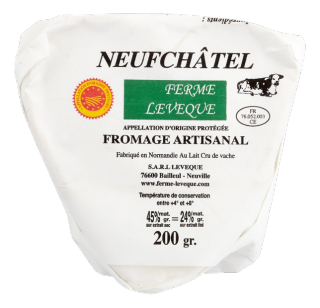
Luxembourg – Neufchâtel cheese from the Ferme Lévêque brand – STEC E.coli

SAP

Recall: Neufchâtel cheese from the Ferme Lévêque brand

Last name Neufchatel cheese
Brand Farm Leveque
Unity 200g
Article number 7960
Date of minimum durability (MDD) 2/27/2022
Sale period from 13/1/2022 to 26/1/2022 inclusive

Danger  : E. coli STEC – Escherichia coli likely to produce toxins (shigatoxins)

E. coli STEC can cause food poisoning which can occur within a week after consumption and result in gastrointestinal disorders often accompanied by cramps. These symptoms may be aggravated in young children, immunocompromised subjects and the elderly. People who have consumed these products and have these symptoms are invited to consult a doctor and report this consumption to him.

Sale in Luxembourg by: Colruyt

A sale by other operators cannot be excluded.

Source of information: Colruyt recall notification

Communicated by: Government Commission for Quality, Fraud and Food Safety .

Click to access Recall-Neuchatel-persbericht-FR-V3.pdf