Category Archives: STEC

Research – Viability of Shiga Toxin-Producing Escherichia coli, Salmonella spp., and Listeria monocytogenes During Preparation and Storage of Fuet, a Traditional Dry-Cured Spanish Pork Sausage

Journal of Food Protection

We monitored viability of Shiga toxin-producing Escherichia coli (STEC), Salmonella spp., and Listeria monocytogenes during preparation and storage of fuet. Coarse ground pork (ca. 35% fat) was mixed with salt (2.5%), dextrose (0.3%), starter culture (ca. 7.0 log CFU/g), celery powder (0.5%), and ground black pepper (0.3%), and then separately inoculated with a multi-strain cocktail (ca. 7.0 log CFU/g) of each pathogen. The batter was stuffed into a ca. 42-mm natural swine casing and fermented at 23°C and ca. 95% relative humidity (RH) to ≤pH 5.3 (≤ 48 h). Sausage were then dried at 12°C and ca. 80% RH to a w 0.89 (within 33 days) or a w  0.86 (within 60 days). A portion of each batch of fuet was subjected to high pressure processing (HPP; 600 MPa/3 min) before chubs were vacuum-packaged and stored for 30 days at 20°C. After fermentation, pathogen numbers remained relatively unchanged (≤0.35 log CFU/g reduction), whereas reductions of ca. 0.8 to 3.2 log CFU/g were achieved after drying fuet to a w 0.89 or 0.86. Regardless if fuet was or was not pressure treated, additional reductions of ca. 2.2 to ≥5.3 log CFU/g after drying were achieved following 30 days of storage at 20°C. For non-HPP treated fuet dried to a w 0.89 and stored for 30 days at 20°C, total reductions of ≥5.3 log CFU/g in levels of STEC or Salmonella spp. were achieved, whereas levels of L. monocytogenes were reduced by ca. 3.6 log CFU/g. Total reductions of ≥5.3 log CFU/g in levels of all three pathogens were achieved after drying non-HPP treated fuet to a w 0.86. For fuet dried to a w 0.89 or   0.86, pressure treated, and then stored for 30 days at 20°C, total reductions of >6.2 log CFU/g in levels of all three pathogens were achieved. The processing parameters tested herein, with or without application of HPP, validated reductions of ≥2.0- or ≥5.0-log CFU/g in levels of STEC, Salmonella spp., and L. monocytogenes were achieved during preparation and storage of fuet.

USA – A Decade of E. coli Outbreaks in Leafy Greens in the U.S. and Canada – Podcast

CDC

Katherine Marshall, an epidemiologist at CDC, and Sarah Gregory discuss E. coli outbreaks in leafy greens in the United States and Canada from 2009 to 2018.

More info on this topic
Topics: E. coli InfectionFoodborne DiseasePodcasts
Published: 9/24/2020
Last Updated: 9/24/2020

This podcast belongs to the Emerging Infectious Diseases series.

Subscribe to this Series

Press Play to listen to this CDC Podcast

Running time = 28:10
To save the Podcast, right click the “Save this file” link below and select the “Save Target As…” option.
Save This File (25.8 MB) [right click]

Other Formats: https://tools.cdc.gov/podcasts/media/pdf/EID_10_20_EcoliLeafyGreens.pdf

Norway – Analyzes of Pathogenic Escherichia coli in bacon sausages 2022

Mattilsynet

On behalf of the Norwegian Food Safety Authority, the Norwegian Veterinary Institute has examined 137 Norwegian bacon sausages for pathogenic E. coli bacteria (STEC). There was a discovery of such bacteria, but this type does not usually cause serious illness in humans. Although the sample was small, the conclusion is that the prevalence of STEC in Norwegian bacon sausages is low.

Mattilsynet

What we investigated: 137 Norwegian bacon sausages
Period: The samples were obtained in 2020 and analyzed in 2021
What we were looking for: E. coli and pathogenic STEC variants
What we found: A positive E. coli sample. This was not the type that usually causes serious illness in people, ie good results.
Who carried out the assignment: Veterinary Institute
Escherichia coli is present in the gastro intestinal tract of humans and warm-blooded animals, and are usually harmless. However, some groups of E.coli may cause infections in humans. Shiga toxin-producing E. coli (STEC) is one of the groups of pathogenic E. coli. Ruminants, in particular cattle, are assumed to be the main reservoir for STEC.
The results from previous surveys of cattle and sheep in Norway for the occurrence of STEC of the serogroups most often associated with infection, have indicated a low occurrence. Similar results were observed in a survey of minced meat from cattle, on the Norwegian market. The Norwegian Food Safety Authority commissioned a survey of STEC in domestically produced fermented sausages. The samples were collected in 2020 with subsequent analysis in 2021.
A total of 137 samples of domestically produced fermented sausage were collected and analysed. Enriched samples were examined for the presence of the genetic markers stx1, stx2 and eae. Attempts of isolation were carried out from samples that were positive for one or more of the virulence markers. Isolates identified as STEC were further characterized using whole genome sequencing.
STEC was isolated from only one sample, and the isolate was characterized as STEC O76:H19 harbouring stx1c, but did not carry eae. In the primary screening of enriched samples, only a few samples were positive for the virulence markers. The results from this study indicates that the occurrence of STEC in
Norwegian fermented sausages is low.
Although STEC was isolated, none of the serogroups associated with severe infections were isolated. It must be taken into account that a low number of samples were analysed. Since this type of products has not been analysed previously, the present survey provides knowledge for the industry, authorities and knowledge institutions. It is important to carry out similar surveys regularly to generate updated Norwegian data.

RASFF Alert – STEC E.coli – Cow Carcass

RASFF

STEC (stx+;eae+) in cow carcass from Belgium in France and the Netherlands

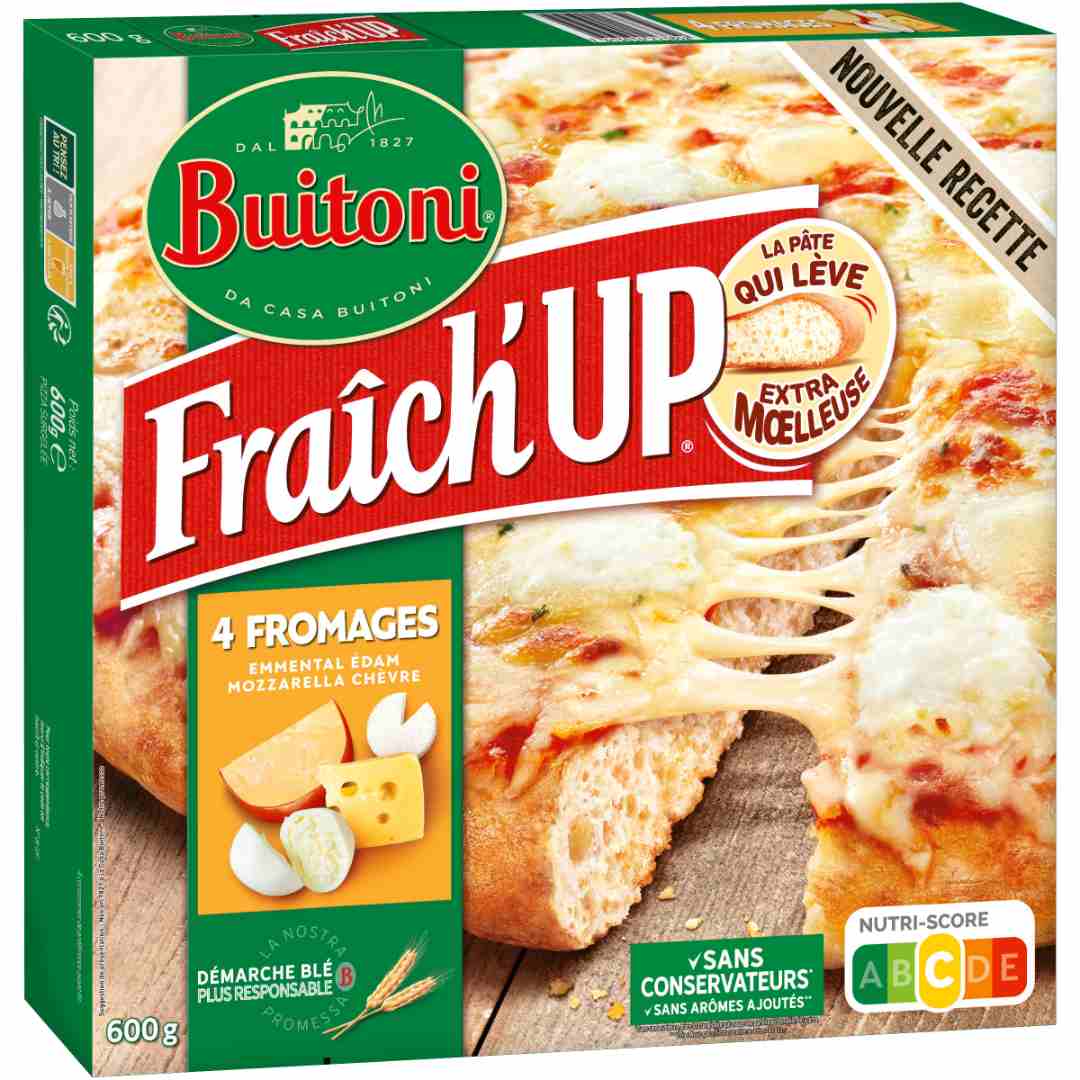
Luxermbourg – ALL PIZZAS IN THE FRAICH’UP RANGE OF THE BUITONI BRAND – STEC E.coli

SAP

Buitoni is recalling the following products:

name All the pizzas in the Fraich’Up range (Supreme 3 meats, Bolognese, Cheese, Chicken, Royale, Creamy Reine, Creamy Raclette, Italy pizza burger, Little Italy, Chicken with mushroom cream, Kebab, etc.)
Mark Buitoni
bar code 7613033950124; 7613038919379; 7613034223524; 7613034223852; 3033210822992; 7613034225795; 7613034405302; 7613287255822; 7613035768154; 7613038919829; 7613036761918; 7613036761888; 7613287255679; 7613034909091; 7613036759960; 7613034199867; 7613034405463; 7613034405333; 7613036453813; 7613036218184; 7613035768185; 7613035768215; 7613035489509;
Lot all pizza batches purchased before the end of March 2022

Danger: Presence of E. coli bacteria

Escherichia coli can cause food poisoning which can occur within a week after consumption and result in gastrointestinal disorders often accompanied by cramps. These symptoms may be aggravated in young children, immunocompromised subjects and the elderly. People who have consumed these products and have these symptoms are invited to consult a doctor and report this consumption to him.

Sale in Luxembourg by: Auchan, Monoprix

A sale by other operators cannot be excluded.

Source of information: Auchan recall notification, Monoprix

Communicated by: Government Commission for Quality, Fraud and Food Safety .

Click to access 20220316-RAPPEL-Affichette.pdf

Belgium – BUITONI brand frozen pizzas – STEC E.coli O26

AFSCA

PRODUCT RECALL
 Printable version   |   Last updated on21.03.2022
03/21/2022
Recall from Leader Price
Products: BUITONI brand frozen pizzas.
Problem: possible presence of E. COLI.


In agreement with the FASFC, BUITONI withdraws the following products from sale and recalls them from consumers due to the possible presence of E. Coli.BUITONI asks its customers not to consume these products and to return them to the point of sale where they were purchased for reimbursement.

Description of products:

Product

Mark

Bar code Expiry date (DDM) / Batch number
FRAICH’UP Brbc Chicken Pizza 8x600g N3 FR

An image containing text Description automatically generated

3,033,210,822,992 DDM before or equal to 12/2022
FRAICH’UP Royal Pizza 8x600g N7 FR

An image containing text Description automatically generated

7,613,034,225,795 DDM before or equal to 12/2022
FUP Little Italy Piz Burger N1 8x590g EN

An image containing text Description automatically generated

7,613,035,768,154 DDM before or equal to 12/2022

The product was sold via various Leader Price stores in Belgium:
 

219 PHILIPPEVILLE CHASTE 6010 COILLET CHARLEROI
1 CORNER OF RUE DU SEWAGE/CONCORDE 4100 SERAING
90 ERNEST SOLVAY COMICS 4040 HERSTAL
70 RUE PHILIPPE MONNOYER 6180 COURCELLES
13 LAGUESSE STREET 4460 GRACE HOLLAND
160 RTE DE CHARLEROI 7134 BINCH
280 MONS STREET 7301 BELGIUM
31 INDUSTRY AVENUE 4500 TIHANGE
787 CHASTE DE CHARLEROI 6220 FLOWERUS

For any additional information , you can contact consumer service by dialing the number: 00 33 800 22 32 42 Monday to Friday from 8:30 a.m. to 6 p.m.

France- Pizza Fresh’Up – E.coli O26

Gov france

Identification information of the recalled product

  • Product category Food
  • Product subcategory Others
  • Product brand name Buitoni
  • Model names or references All references from the FRaich’ Up range purchased before the end of March
  • Identification of products
    GTIN Lot Dated
    3033210822992 All lots Date of minimum durability between 06/01/2021 and 03/31/2023
    7613033950124 All lots Date of minimum durability between 06/01/2021 and 03/31/2023
    7613034199867 All lots Date of minimum durability between 06/01/2021 and 03/31/2023
    7613034223524 All lots Date of minimum durability between 06/01/2021 and 03/31/2023
    7613034223852 All lots Date of minimum durability between 06/01/2021 and 03/31/2023
    7613034225795 All lots Date of minimum durability between 06/01/2021 and 03/31/2023
    7613034405302 All lots Date of minimum durability between 06/01/2021 and 03/31/2023
    7613034405333 All lots Date of minimum durability between 06/01/2021 and 03/31/2023
    7613034405463 All lots Date of minimum durability between 06/01/2021 and 03/31/2023
    7613034437952 All lots Date of minimum durability between 06/01/2021 and 03/31/2023
    7613034909091 All lots Date of minimum durability between 06/01/2021 and 03/31/2023
    7613035489509 All lots Date of minimum durability between 06/01/2021 and 03/31/2023
    7613035768154 All lots Date of minimum durability between 06/01/2021 and 03/31/2023
    7613035768185 All lots Date of minimum durability between 06/01/2021 and 03/31/2023
    7613035768215 All lots Date of minimum durability between 06/01/2021 and 03/31/2023
    7613036218184 All lots Date of minimum durability between 06/01/2021 and 03/31/2023
    7613036453813 All lots Date of minimum durability between 06/01/2021 and 03/31/2023
    7613036759960 All lots Date of minimum durability between 06/01/2021 and 03/31/2023
    7613036761888 All lots Date of minimum durability between 06/01/2021 and 03/31/2023
    7613036761918 All lots Date of minimum durability between 06/01/2021 and 03/31/2023
    7613037095944 All lots Date of minimum durability between 06/01/2021 and 03/31/2023
    7613038919379 All lots Date of minimum durability between 06/01/2021 and 03/31/2023
    7613038919829 All lots Date of minimum durability between 06/01/2021 and 03/31/2023
    7613287255679 All lots Date of minimum durability between 06/01/2021 and 03/31/2023
    7613287255822 All lots Date of minimum durability between 06/01/2021 and 03/31/2023
    7613287520197 All lots Date of minimum durability between 06/01/2021 and 03/31/2023
  • Packaging Cardboard box
  • Marketing start/end date From 01/06/2021 to 31/03/2022
  • Storage temperature Product to keep in the freezer
  • Geographic area of ​​sale Whole France
  • Distributors Auchan – Casino – Carrefour – Cora – Francap – Franprix – Intermarché – Leclerc – Lidl – Match – Monoprix – System U

Practical information regarding the recall

  • Reason for recall Presence of E-coli bacteria in the dough of a frozen pizza from the Fraîch’Up range
  • Risks incurred by the consumer Escherichia coli

France – Withdrawal – preventive recall of batches of Buitoni brand Fraîch’Up frozen pizzas due to possible contamination by the bacterium Escherichia coli O26

Gov france

As part of the investigations carried out by the authorities on the cases of serious haemolytic and uraemic syndromes reported since January 1, 2022 on national territory, the analyzes (epidemiological, microbiological and traceability) carried out suggest, at this stage, a possible link with the consumption of frozen pizzas from the Fraîch’Up range of the Buitoni brand.

Investigations are continuing to determine the origin of the contamination, including for other products, as well as epidemiological investigations in order to establish potential links with all the cases detected on the territory since the beginning of January 2022.

Consequently, as a precautionary measure, and pending additional analyses, the company is proceeding today with the withdrawal-recall of all the pizzas in the Fraîch’Up range, of the Buitoni brand, marketed on this day.

Research – France – Update on ongoing investigations into serious cases of haemolytic uraemic syndrome (HUS) in children. Reminder of food risk prevention recommendations. STEC E.coli

Sante Publique

Public Health France and the National Reference Center (CNR) Escherichia coli (Institut Pasteur – Paris), with its associated laboratory (Microbiology Laboratory of the Robert Debré Hospital – Paris), are continuing investigations concerning the increase in the number of cases haemolytic uremic syndrome (HUS) and severe Escherichia coli infection, reported since early February 2022.

Update and ongoing investigations

As of March 11, 2022, 26 cases of HUS or serious infection, linked to E. coli bacteria with similar characteristics, have been identified. These cases occurred in 9 regions of metropolitan France: New Aquitaine (6 cases), Hauts-de-France (5 cases), Ile-de-France (4 cases), Pays de la Loire (4 cases), Brittany (3 case), Bourgogne-Franche-Comté (1 case), Grand Est (1 case), Provence-Alpes-Côte-D’azur (1 case) and Auvergne-Rhône-Alpes (1 case). The sick children, aged 1 to 15 years with a median age of 8 years, presented symptoms between 01/18/2022 and 02/23/2022. Two children died. In addition, 22 additional cases are under investigation.

Public Health France, in conjunction with the CNR, the General Directorate for Food, the General Directorate for Competition, Consumption and the Repression of Fraud, and in coordination with the General Directorate for Health, are continuing investigations into all cases of pediatric HUS reported since January 1, 2022 on national territory in order to identify a possible common source of contamination and to put in place appropriate measures (for example withdrawal-recalls of incriminated products). 

At this stage, the epidemiological investigation has not made it possible to incriminate a particular source of contamination. The health authorities are therefore renewing the general recommendations for the prevention of food risks, in particular for children under 16 years of age.

Recommendations to prevent HUS

The E. coli responsible for HUS are present in the intestines of many ruminant animals (cows, calves, goats, sheep, deer, etc.) and are eliminated by the excrement which can then contaminate the environment (water, manure, soil) and foods. These bacteria tolerate cold well (survival in a refrigerator or freezer), but are destroyed by cooking.

The transmission of the bacterium can be avoided by simple gestures, in particular in children under 16 and the elderly:

  • hand washing should be systematic before meal preparation;
  • meats, and especially minced beef, but also minced meat preparations, must be well cooked through (and not pink through the core);
  • raw milk, cheeses made from raw milk and dairy products made from raw milk should not be consumed by children under 5 years of age; prefer cooked pressed cheeses (such as Emmental, Comté, Gruyère, Beaufort), processed cheese spreads and pasteurized milk cheeses;
  • flour-based preparations (pizza/cookie dough/cake/pie, etc.) should not be eaten raw or undercooked;
  • vegetables, salad, fruit and aromatic herbs, in particular those that are going to be eaten raw, must be carefully washed before consumption, after peeling if necessary;
  • raw foods should be kept separate from cooked or ready-to-eat foods;
  • cooked meals and leftover food must be quickly put in the refrigerator and sufficiently reheated and consumed quickly;
  • kitchen utensils (especially when they have previously been in contact with raw food), as well as work surfaces, must be thoroughly washed;
  • children should not drink untreated water (well water, torrent, etc.) and avoid swallowing it when swimming (lake, pond, etc.);
  • finally, it is necessary to avoid the contact of very young children (under 5 years old) with cows, calves, sheep, goats, deer, etc., and their environment; in case of contact with these animals, hand washing must be systematic.

The health authorities, who are monitoring the evolution of the situation on a daily basis, are fully mobilized to identify the source of this contamination and put in place the appropriate health measures as quickly as possible to avoid the occurrence of new cases. 

Research – The Importance of Shiga Toxin-Producing Escherichia coli O145:NM[H28]/H28 Infections in Argentina, 1998–2020

MDPI

Shiga toxin-producing Escherichia coli (STEC) is known as a pathogen associated with food-borne diseases. The STEC O145 serogroup has been related with acute watery diarrhea, bloody diarrhea, hemorrhagic colitis, and hemolytic uremic syndrome (HUS). Argentina has the highest rate of HUS worldwide with 70% of the cases associated with STEC infections. We aimed to describe the epidemiology and genetic diversity of STEC O145 strains isolated across Argentina between 1998–2020. The strains isolated from 543 cases of human disease and four cattle, were pheno-genotipically characterized. Sequencing of five strains was performed. The strains were serotyped as O145:NM[H28]/H28, O145:H25, and O145:HNT, and mainly characterized as O145:NM[H28]/stx2a/eae/ehxA (98.1%). The results obtained by sequencing were consistent with those obtained by traditional methods and additional genes involved in different mechanisms of the pathogen were observed. In this study, we confirmed that STEC O145 strains are the second serogroup after O157 and represent 20.3% of HUS cases in Argentina. The frequency of STEC O145 and other significant serogroups is of utmost importance for public health in the country. This study encourages the improvement of the surveillance system to prevent severe cases of human disease. View Full-Text