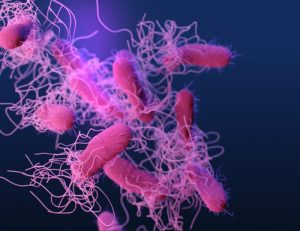
Category Archives: pathogenic

Canada – Alwatania brand Liquid Tahina may be unsafe due to Salmonella

CFIA

Advisory date:October 11, 2020Reason for advisory:Microbiological – SalmonellaHazard classification:–Company / Firm:–Distribution:Possibly National, QuebecExtent of the distribution:Retail

Advisory details

Ottawa, October 11, 2020 – The Canadian Food Inspection Agency (CFIA) is warning the public not to consume and retailers, restaurants and institutions not to sell or use the product described below due to possible Salmonella contamination.

Product

Brand Product Size UPC Codes
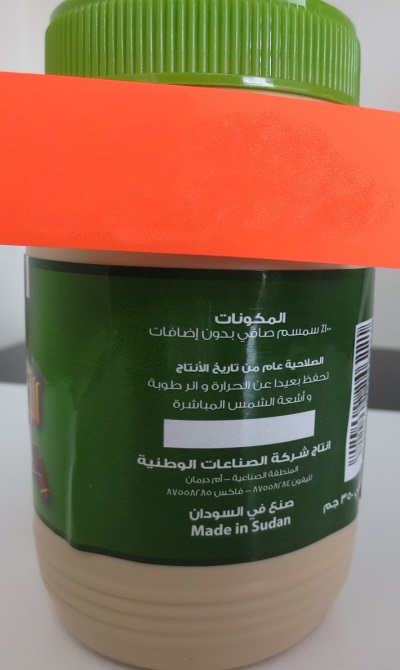
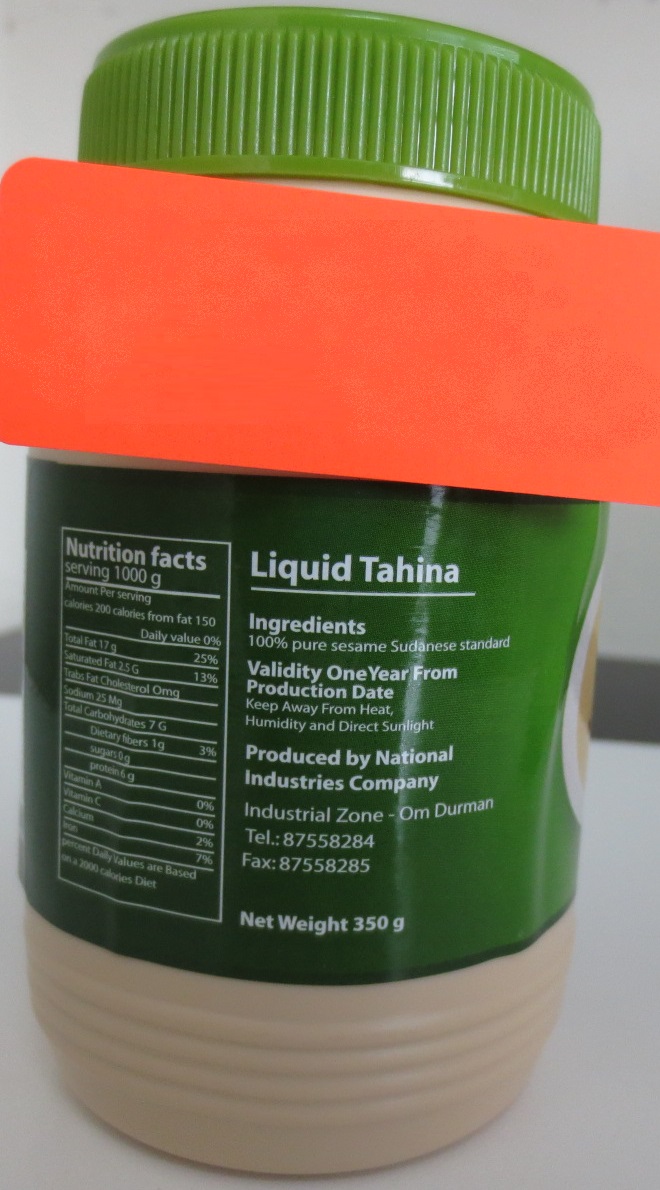
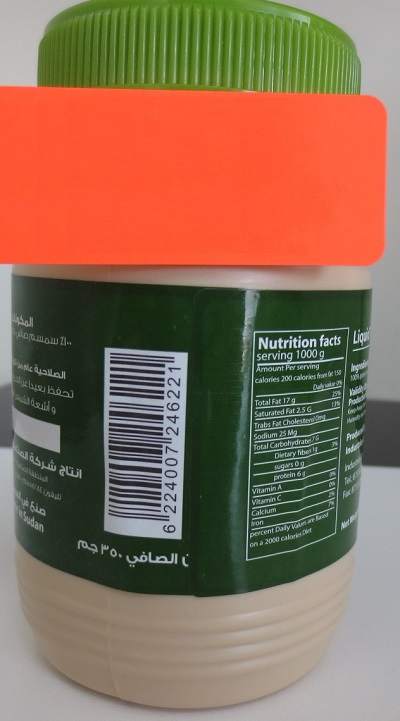
Alwatania (Arabic characters only) Liquid Tahina 350 g 6 224007 246221 PRO: 20/05/2019
Best Before 19/05/2021

What you should do

If you think you became sick from consuming a food product, call your doctor.

Check to see if you have the affected product in your home. If the product is in your home, do not consume it.

Food contaminated with Salmonella may not look or smell spoiled but can still make you sick. Young children, pregnant women, the elderly and people with weakened immune systems may contract serious and sometimes deadly infections. Healthy people may experience short-term symptoms such as fever, headache, vomiting, nausea, abdominal cramps and diarrhea. Long-term complications may include severe arthritis.

Background

This warning was triggered by CFIA test results. The CFIA is conducting a food safety investigation, which may lead to the recall of this or other products. If products are recalled, the CFIA will notify the public through a Food Recall Warning.

Illnesses

There have been no reported illnesses associated with the consumption of this product.

Product photos

Printer ready version of photos

  • Alwatania (Arabic characters only) Liquid Tahina
  • Alwatania (Arabic characters only) Liquid Tahina - side label
  • Alwatania (Arabic characters only) Liquid Tahina - Nutrition facts
  • Alwatania (Arabic characters only) Liquid Tahina - UPC

Public enquiries and media

Public enquiries
Toll-free: 1-800-442-2342 (Canada and U.S.)
Telephone: 1-613-773-2342 (local or international)
Email: cfia.enquiries-demandederenseignements.acia@canada.ca
Media relations
Telephone: 613-773-6600
Email: cfia.media.acia@canada.ca

Research – Antimicrobial and preservative effects of the combinations of nisin, tea polyphenols, rosemary extract and chitosan on pasteurized chicken sausage

Journal of Food Protection

The study evaluated the antimicrobial and antioxidant effects of the combinations of nisin (NS), tea polyphenols (TP), rosemary extract (RE) and chitosan (CS) on low-temperature chicken sausage. An orthogonal test revealed that the most effective antimicrobial compositions were equal-quantity mixtures of 0.05% NS + 0.05% TP + 0.03% RE + 0.55% CS . The mixture also produced strong antimicrobial and antioxidant effects in low-temperature chicken sausage related to extend the shelf life to more than 30 days at 4°C. The study also investigated the inhibitory zone of NS, TP, RE and CS against Pseudomonas aeruginosa , lactic acid bacteria (LAB) and Staphylococcus aureus which were the dominant spoilage bacteria in low-temperature chicken sausage. NS had the greatest inhibitory effect on LAB and Staphylococcus aureus , exhibiting clear zone diameters of 19.7 mm and 17.8 mm respectively. TP had the largest inhibitory effect on Pseudomonas aeruginosa , exhibiting a clear zone diameter of 18.2 mm. These results indicated that the combination of NS, TP, RE and CS could be used as natural preservative s to efficiently inhibit the growth of spoilage microorganisms in low-temperature chicken sausage so as to improve its safety and shelf life.

Belgium – Sequoia – Organic free-range chicken thighs from Le Picoreur. – Salmonella

AFSCA

In agreement with the AFSCA, Sequoia is withdrawing from sale the product Le Picoreur organic free-range chicken thighs and is recalling it to consumers because of the presence of Salmonella.

Sequoia asks its customers not to consume this product and to return it to the point of sale where it was purchased, with proof of purchase for reimbursement.

Product description
– Product name: BLC organic free-range chicken thigh
– Brand: Le picoreur
– Use-by date (DLC) (“To be consumed until”) and batch number:
         – 27, 28 and 30/09 / 20 with batch number 25801101
– 5/10/2020 with batch number 26501501 (update)
– Health stamp: FR 85.223.001 CE
– Sale period: from 09/15/20 to 09/29/20
– Type of packaging: plastic

The product was sold via:
Sequoia Stockel – 101, rue de l’Eglise, 1150 Woluwe-Saint-Pierre
Sequoia Jourdan – 2, rue Gray, 1040 Etterbeek

For any further information , contact:
Sequoia
info@sequoia.bio

Ireland – Recall of Roosters Southern Fried Poppin’ Chicken due to the Presence of Salmonella

FSAI

Summary
Category 1: For Action
Alert Notification: 2020.62
Product: Roosters Southern Fried Poppin’ Chicken; pack size: 210g; approval number: PL 10610342 WE
Batch Code: L:15320; best before: 25.05.2022
Country Of Origin: Poland

Message:

The above batch of Roosters Southern Fried Poppin’ Chicken is being recalled due to the presence of Salmonella.  Point-of-sale recall notices will be displayed in stores supplied with the implicated batch. The implicated batch was sold in Aldi stores.

Nature Of Danger:

 People infected with Salmonella typically develop symptoms between 12 and 36 hours after infection, but this can range between 6 and 72 hours.  The most common symptom is diarrhoea, which can sometimes be bloody.  Other symptoms may include fever, headache and abdominal cramps.  The illness usually lasts 4 to 7 days. Diarrhoea can occasionally be severe enough to require hospital admission. The elderly, infants, and those with impaired immune systems are more likely to have a severe illness.

Action Required:

Manufacturers, wholesalers, distributors, caterers & retailers:

Retailers are requested to remove the implicated batch from sale and to display a point-of-sale recall notice in stores where the affected batch was sold.

Consumers:

Consumers should not eat the implicated batch.

Roosters Poppin Chicken

USA – Outbreak Investigation of Cyclospora: Bagged Salads (June 2020) CDC announces the end of the outbreak; FDA continues its investigation.

CDC

Investigation Update

September 25, 2020

As of September 25, 2020, CDC has announced this outbreak is over. FDA’s traceback investigation is complete, however the cause or source of the outbreak has not been determined. FDA’s investigation is continuing, in consultation with the state agriculture and regional water board.

FDA investigated multiple farms identified in the traceback, one of which led to sampling and investigation around a farm in south Florida. FDA continues to work with the state of Florida and the local water district to try to determine the source and impact of Cyclospora that was found in the regional water management canal (C-23), located west of Port St. Lucie, Florida. Given the emerging nature of genetic typing methodologies for this parasite in foods and in environmental samples, the FDA has been unable to determine if the Cyclospora detected in the canal is a genetic match to the clinical cases, therefore, there is currently not enough evidence to conclusively determine the source of this outbreak. However, the presence of Cyclospora in a canal that had previously supplied irrigation water in the region, and specifically to a farm identified in the traceback, suggests the need for a collaborative effort by state, federal and industry partners to better define the scope of the contamination and identify appropriate risk mitigation measures.

Previous Updates

USA – Outbreak Investigation of Salmonella Stanley: Wood Ear Mushrooms – Dried Fungus (September 2020)

FDA

Background Information

The FDA, along with CDC and state and local partners, is investigating an ongoing multistate outbreak of Salmonella Stanley infections likely linked to wood ear mushrooms imported by Wismettac Asian Foods, Inc. of Santa Fe Springs, CA. Wood ear mushrooms are a dried mushroom, also commonly labelled or referred to as Kikurage, Dried Black Fungus, Dried Fungus, or Mu’er/Mu Er/Mu-Err.

In interviews, ill people answered questions about the foods they ate and other exposures in the week before they became ill. According to the CDC, of 18 people with information, 16 (89%) reported eating ramen at a restaurant in the week before their illness started. Four illness clusters were identified at restaurants serving ramen in three states. Eight (89%) of the nine ill people linked to restaurant clusters reported eating wood ear mushrooms or ramen containing wood ear mushrooms in the week before their illness started.

As part of this investigation, the California Department of Public Health collected a sample of wood ear mushrooms, imported by Wismettac Asian Foods, Inc., from one of the restaurants where ill patients reported eating. This sample was reported positive for the presence of Salmonella. This sample is undergoing genetic testing, or whole genome sequencing, to determine if the Salmonella present in the sample has the same genetic fingerprint as the outbreak strain. More information will be provided as it becomes available.

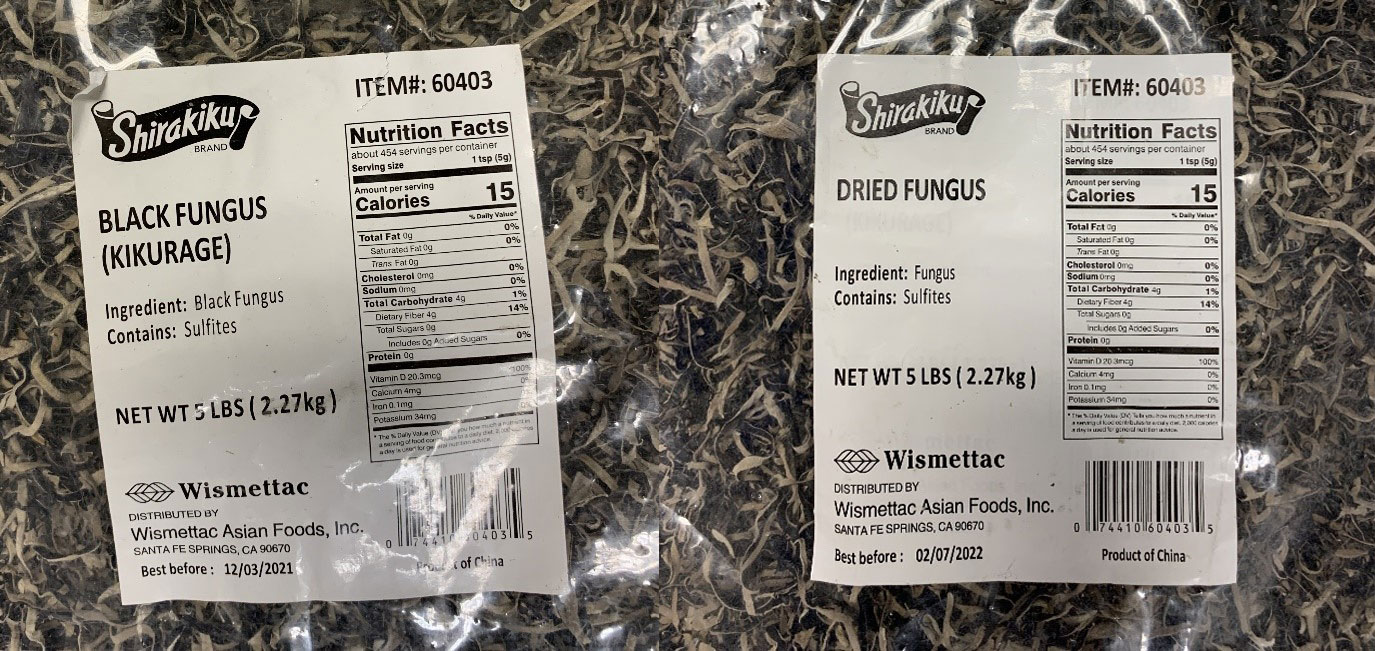
Wismettac Asian Foods, Inc. acted quickly upon being notified of the positive test result and recalled all wood ear mushrooms within shelf life on September 23, 2020. This product was labeled as Shirakiku brand Black Fungus (Kikurage) with UPC Code 00074410604305, imported from China. Product was distributed in six packs of five-pound bags to restaurants in AR, CA, CO, CT, DE, DC, FL, GA, HI, IA, IL, IN, LA, MA, MD, MI, MN, MO, MS, NC, NV, NJ, NY, OH, OR, PA, SC, TN, TX, VA, WA, WI, and Canada.

Recommendation

Wood ear mushrooms imported by Wismettac Asian Foods, Inc. were only sold to restaurants and were not available directly to consumers. Although these items have been recalled, concerned or high-risk individuals should check with their restaurant to confirm that any wood ear mushrooms that have been used or are being used are not part of this recall.

Restaurants should not sell or serve recalled wood ear mushrooms distributed by Wismettac Asian Foods, Inc. Additionally, restaurants that received recalled products should use extra vigilance in cleaning and sanitizing any surfaces that may have come in contact with recalled product, to reduce the risk of cross contamination.

Restaurants should discard and not sell or serve wood ear mushrooms if they cannot tell where they came from.


Product Images

Outbreak Investigation of Salmonella Stanley in Wood Ear Mushrooms (September 2020) - Photos of Recalled Shirakiku Dried Fungus

Luxembourg – TRAY OF 3 AUCHAN BRAND HALAL TURKEY CUTLETS – SUSPICION OF THE PRESENCE OF SALMONELLA

SAP

Last name Tray of 3 Halal turkey cutlets
Mark Auchan
Bar code 0277946000000
Use by date (DLC) 09/27/2020
Lot 0340068233

Danger  : Suspicion of the presence of salmonella

Salmonella can cause symptoms such as nausea, vomiting, abdominal cramps, diarrhea, fever and headache within 6 to 72 hours after consumption. These symptoms may be aggravated in young children, immunocompromised individuals and the elderly. People who have consumed these products and who present these symptoms are advised to consult a doctor, notifying him of this consumption.


Sale in Luxembourg by: Auchan


Source of information: Recall notification by Auchan


Communicated by: Government Commission for Quality, Fraud and Food Safety .

Belgium – Salmonella: Potentially contaminated chicken thighs recalled in Belgium

Brussels Times

Biofresh Belgium has issued a call to remove any Picoreur brand chicken thighs from the shelves due to possible salmonella contamination. potentially

The withdrawal from the sale and the recall of the product from consumers was decided in consultation with the Federal Agency for the Safety of the Food Chain (Afsca).

The product in question is a 250-gram white chicken leg from the Picoreur brand with a use-by date of 1 October 2020 (batch number 258001101). The product was sold between 18 and 24 September.

For further information, Biofresh Belgium’s consumer service can be reached on 015/79.59.39 or by e-mail at customer@biofresh.be.

Finland – Salmonella detected in minced beef

FFA

kswfoodworld salmonella

The Finnish Food Safety Authority has received information that salmonella has been detected in minced meat delivered to Finland by the Danish operator Skare Meat Packers. This is minced beef from Farmer Farms Favorites 10%, pack size 1000 g. The expiration date of this batch has been 13.09.2020 . The batch number is 2036120 0503. The product has been on sale in Lidl stores.

The Food Agency will notify you in the event that consumers have frozen the product for later use.

Salmonella can cause salmonellosis in humans if the product contaminated with the bacterium is not properly cooked before eating or if the bacterium ends up in edible products through heating surfaces or utensils.

The operator advises consumers either to dispose of the frozen product or to use the minced meat when cooked well.

Further information for customers: Lidl Finland, customer service, tel. 0800-0-5435 or customerservice@lidl.fi

Further information for the media: Lidl Finland, communications, media@lidl.fi or tel. +358 9 2345 6400

Mika Varjonen, Senior Inspector at the Finnish Food Safety Authority, tel. +358 50 386 8416 firstname.lastname@ruokavirasto.fi.

Research – Association between Shiga Toxin–Producing Escherichia coli O157:H7 stx Gene Subtype and Disease Severity, England, 2009–2019

CDC

Abstract

Signs and symptoms of Shiga toxin–producing Escherichia coli (STEC) serogroup O157:H7 infection range from mild gastrointestinal to bloody diarrhea and hemolytic uremic syndrome (HUS). We assessed the association between Shiga toxin gene (stx) subtype and disease severity for »3,000 patients with STEC O157:H7 in England during 2009–2019. Odds of bloody diarrhea, HUS, or both, were significantly higher for patients infected with STEC O157:H7 possessing stx2a only or stx2a combined with other stx subtypes. Odds of severe signs/symptoms were significantly higher for isolates encoding stx2a only and belonging to sublineage Ic and lineage I/II than for those encoding stx2a only and belonging to sublineage IIb, indicating that stx2a is not the only driver causing HUS. Strains of STEC O157:H7 that had stx1a were also significantly more associated with severe disease than strains with stx2c only. This finding confounds public health risk assessment algorithms based on detection of stx2 as a predictor of severe disease.