Listeria Monocytogenes in turkey salami from France in Belgium, Germany and Luxembourg
Listeria monocytogenes in smoked salmon from Serbia in Croatia

Listeria Monocytogenes in turkey salami from France in Belgium, Germany and Luxembourg
Listeria monocytogenes in smoked salmon from Serbia in Croatia
Posted in food contamination, food handler, Food Hazard, Food Hygiene, Food Inspections, Food Micro Blog, Food Microbiology, Food Microbiology Blog, Food Microbiology Research, Food Microbiology Testing, Food Pathogen, Food Quality, food recall, Food Safety, Food Safety Alert, Food Safety Management, Food Safety Regulations, Food Testing, Listeria, Listeria monocytogenes, RASFF
Salmonella enteritidis in Corn Chicken from France in the Netherlands
Salmonella spp. in egg powder used to mug cake mix from Hungary in the UK
Presence of Salmonella spp in cured sausage from Italy in Germany
Salmonella Enteritidis and E. coli in fresh rabbit meat from China in the Czech Republic and Germany
Salmonella enteritidis in chicken breast fillet from Poland in the Czech Republic
Salmonella spp. in egg powder used to sponge and cupcake mix from Hungary in the UK
Salmonella Enteritidis in environmental swabs from henhouse from Poland
Salmonella spp. in egg powder used to mug cake mix from Hungary in Spain
Salmonella in halal chicken fillet from Poland in the UK and Netherlands
Salmonella in chilled chicken from the Netherlands in Belgium, Germany and Luxembourg
Salmonella spp. in chicken meat preparation from Austria in Germany
Salmonella spp. in walnut kernels (raw material) from the United States, via Italy in Germany
Salmonella spp. in chicken gyros from Italy in Germany
Salmonella spp. in chicken fillet from Poland in Germany
Salmonella Senftenberg in Halva from Syria, via the Netherlands in Germany and Netherlands
Salmonella spp. in tahini from Jordan, via Germany in Austria and Czech Republic
Posted in food contamination, food handler, Food Hazard, Food Hygiene, Food Inspections, Food Micro Blog, Food Microbiology, Food Microbiology Blog, Food Microbiology Testing, Food Pathogen, Food Quality, food recall, Food Safety, Food Safety Alert, Food Safety Regulations, Food Testing, Polish Chicken Salmonella, RASFF, Salmonella, Salmonella in Chicken, Salmonella in Eggs, Salmonella Poland, Salmonella Sesame Seeds, Salmonella Tahini

CDC, along with state and federal health and regulatory officials, monitor cases of cyclosporiasis acquired in the United States in the spring and summer months to detect outbreaks linked to a common food source. Cyclosporiasis is a diarrheal illness caused by a parasite called Cyclospora cayetanensis.
Cyclosporiasis illnesses are reported year-round in the United States. However, during the spring and summer months there is often an increase in cyclosporiasis acquired in the United States. The exact timing and duration of these seasonal increases in cyclosporiasis can vary, but reports tend to increase starting in May. This year, cases were reported starting in April. It is too soon to tell if this timing indicates a change in the seasonality of cyclosporiasis in the United States.
In previous years, the reported number of cases peaked between June and July, although cases can be reported as late as September. The number of infections or hospitalizations and the number of identified outbreaks linked to a common source also vary from season to season.
Posted in CDC, food bourne outbreak, Food Illness, Food Micro Blog, Food Microbiology, Food Microbiology Blog, Food Microbiology Research, Food Microbiology Testing, Foodborne Illness, foodborne outbreak, foodbourne outbreak, Illness, microbial contamination, Microbial growth, Microbiological Risk Assessment, Microbiology, Microbiology Investigations, Microbiology Risk, outbreak
CDC, state public health and regulatory officials, and the U.S. Food and Drug Administration are investigating an outbreak of hepatitis A linked to frozen organic strawberries imported from certain farms located in Baja California, Mexico, by a common supplier. Frozen organic strawberries may be sold to a variety of retailers under multiple brand labels. Traceback and epidemiological investigations show that people with outbreak-associated cases purchased the same retail brand of frozen organic strawberries prior to becoming ill.
As of July 18, 2023, a total of 10 outbreak-associated cases of hepatitis A have been reported from 4 states.
Illnesses started on dates ranging from November 24, 2022, to June 4, 2023. Ill people range in age from 38 to 64 years, with a median age of 56.5 years. Thirty percent of ill people are female. Of 10 people with available information, 4 (40%) have been hospitalized. No deaths have been reported.
Posted in food bourne outbreak, Food Illness, Food Micro Blog, Food Microbiology, Food Microbiology Blog, Food Microbiology Testing, Food Virus, Foodborne Illness, foodborne outbreak, foodbourne outbreak, Hepatitis A, Illness, microbial contamination, Microbiological Risk Assessment, Microbiology Investigations, Microbiology Risk, outbreak
Posted in food contamination, food handler, Food Hazard, Food Hygiene, Food Inspections, Food Micro Blog, Food Microbiology, Food Microbiology Blog, Food Microbiology Testing, Food Pathogen, Food Quality, food recall, Food Safety, Food Safety Alert, Food Safety Management, Food Safety Regulations, Food Testing, Salmonella
Posted in CORE Investigation Table, Cyclospora, Cyclosporiasis, Decontamination Microbial, E.coli O157, E.coli O157:H7, FDA, food bourne outbreak, Food Illness, Food Micro Blog, Food Microbiology, Food Microbiology Blog, Food Microbiology Testing, Foodborne Illness, foodborne outbreak, foodbourne outbreak, Illness, microbial contamination, Microbial growth, Microbiological Risk Assessment, Microbiology, Microbiology Investigations, Microbiology Risk, outbreak, Salmonella
Bevovations, LLC, of Leominster, MA, is recalling certain apple cider products because of high levels of patulin.
According to the World Health Organization (WHO), patulin is a mycotoxin produced by a variety of molds, particularly Aspergillus, Penicillium and Byssochlamys. Often found in rotting apples and apple products. The acute symptoms in humans include nausea, gastrointestinal disturbances and vomiting.
According to the details posted online by the FDA, the recall was initiated on June 23, 2023, and is ongoing.
The recalled products were distributed in Massachusetts, Pennsylvania, Connecticut and New Hampshire.
Recalled products:
Additional information:
Anyone who purchased the recalled product should immediately dispose of it and not consume it.
Posted in food contamination, food handler, Food Hygiene, Food Inspections, Food Micro Blog, Food Microbiology, Food Microbiology Blog, Food Microbiology Testing, Food Poisoning, Food Quality, food recall, Food Safety, Food Safety Alert, Food Safety Management, Food Safety Regulations, Food Testing, Food Toxin, Mycotoxin, Patulin
A Canadian outbreak investigation was initiated in January 2022 after a cluster of cases of Shiga-toxin-producing Escherichia coli (STEC) O157 was identified through whole genome sequencing (WGS). Exposure information was collected through case interviews. Traceback investigations were conducted, and samples from case homes, retail, and the manufacturer were tested for STEC O157. Fourteen cases were identified in two provinces in Western Canada, with isolates related by 0–5 whole genome multi-locus sequence typing allele differences. Symptom onset dates ranged from 11 December 2021 to 7 January 2022. The median age of cases was 29.5 (range 0–61); 64% were female. No hospitalisations or deaths were reported. Of 11 cases with information available on fermented vegetable exposures, 91% (10/11) reported consuming Kimchi Brand A during their exposure period. The traceback investigation identified Manufacturer A in Western Canada as the producer. One open and one closed sample of Kimchi Brand A tested positive for STEC O157, with isolates considered genetically related by WGS to the outbreak strain. Napa cabbage within the kimchi product was hypothesised as the most likely source of contamination. This paper summarises the investigation into this STEC O157 outbreak associated with kimchi, the first reported outside of East Asia.
Posted in Decontamination Microbial, E.coli O157, E.coli O157:H7, food bourne outbreak, Food Illness, Food Micro Blog, Food Microbiology, Food Microbiology Blog, Food Microbiology Research, Food Microbiology Testing, Foodborne Illness, foodborne outbreak, foodbourne outbreak, Illness, microbial contamination, Microbial growth, Microbiological Risk Assessment, Microbiology, Microbiology Investigations, Microbiology Risk, outbreak, STEC, STEC E.coli
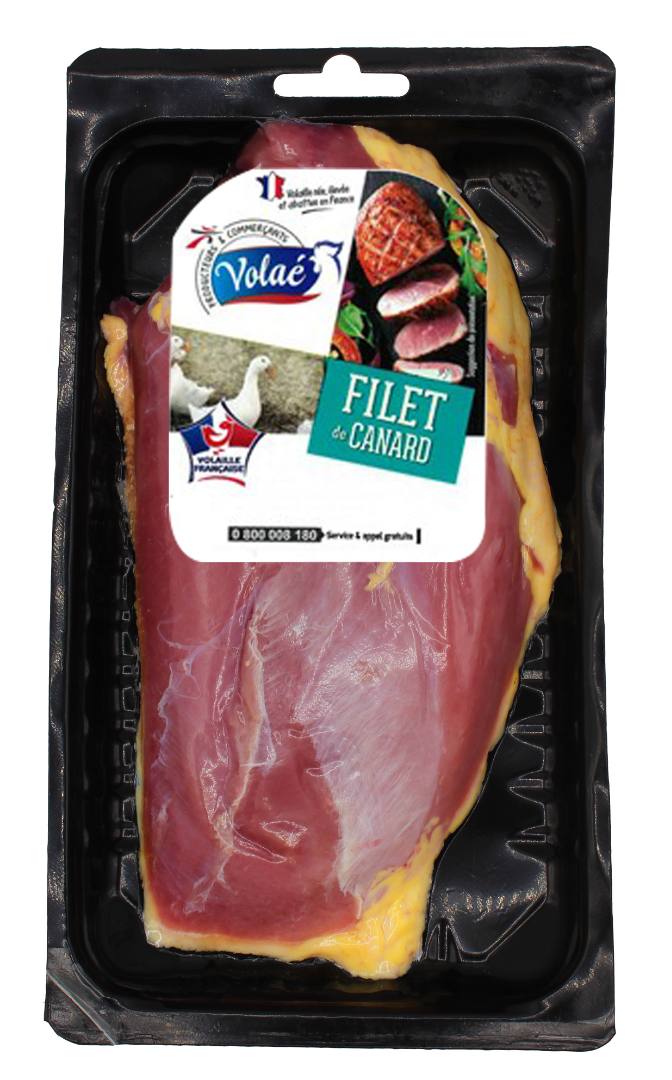
| GTIN | Batch | Date |
|---|---|---|
| 3250392183295 | 0103011177 | Use-by date between 07/12/2023 and 07/13/2023 |
Posted in food contamination, food handler, Food Hazard, Food Hygiene, Food Inspections, Food Micro Blog, Food Microbiology, Food Microbiology Blog, Food Microbiology Testing, Food Pathogen, Food Quality, food recall, Food Safety, Food Safety Alert, Food Safety Regulations, Food Testing, Listeria, Listeria France, Listeria monocytogenes

| GTIN | Batch | Date |
|---|---|---|
| 3276440000680 | 187 | Use-by date 08/15/2023 |
| 3276440000680 | 191 | Use-by date 08/19/2023 |
Posted in food contamination, food handler, Food Hazard, Food Hygiene, Food Inspections, Food Micro Blog, Food Microbiology, Food Microbiology Blog, Food Microbiology Testing, Food Pathogen, Food Quality, food recall, Food Safety, Food Safety Alert, Food Safety Management, Food Safety Regulations, Food Testing, Listeria, Listeria France, Listeria monocytogenes

 FoodWorld